Verdict
The Best 9Aggregated review·45 sources·updated October 17, 2026

Best Smart Glasses

Top 9 smart glasses reviewed and ranked.

This guide aggregates 45 published reviews across 9 products; the thinnest-sourced pick rests on 3. How we rank.

Verdict is reader-supported. As an Amazon Associate we earn from qualifying purchases. Some links on this page are affiliate links — if you click through and buy, we may earn a small commission at no extra cost to you. Our ratings are sourced from independent publications, not sponsors.
Quick answer

Viture Beast is our top pick for smart glasses — an averaged 4.5/5 across 3 published reviews at about $549. Runner-up: Xreal 1S (~$449).

At a glance9 products ▾
1Viture BeastTop Pick
3 sources
$549Best for: immersive entertainment seekers who want vivid color reproduction and don't require adjustable diopters
$549 · Check Price on Amazon
2 sources
$449Best for: users seeking an immersive media experience with spatial anchoring who do not require smooth motion clarity
$449 · Check Price on Amazon
2 sources
$299Best for: users who prioritize visual clarity and portability in well-lit environments without needing prescription inserts
$299 · Check Price on Amazon
3 sources
$379Best for: users who prioritize fashion aesthetics and casual social recording without needing a visual screen
$379 · Check Price on Amazon
3 sources
Best for: travelers seeking a private viewing screen with HDR capabilities who can tolerate a wired tether
Check Price on Amazon
2 sources
$249Best for: travelers and accessibility seekers who prioritize translation and captions over comprehensive smartphone replacement
$249 · Check Price on Amazon
1 source
$599
$599 · Check Price on Amazon
3 sources
$943Best for: privacy-conscious users who prioritize discretion and all-day battery endurance over rich color visuals
$943 · Buy at eye-oo.com
4 sources
$299Best for: early adopters comfortable with technical workarounds who need exceptional outdoor visibility
$299 · Check Price on Amazon

The full ranking

How we rank →
Viture Beast
#1 · Top Pick
Best for: immersive entertainment seekers who want vivid color reproduction and don't require adjustable diopters
Viture Beast
3 sources$549as of Oct 17
▾Why it's ranked here

CNET found that the Viture Beast’s micro-OLED displays hit 1,250 nits of brightness, delivering vivid colors and deep blacks in a lightweight package. PCMag detailed how three distinct head-tracking modes anchor the virtual screen to your space, while Harman-tuned integrated speakers provide clear audio without headphones. However, Gamingnexus reported that text clarity becomes muddy at the edges and corners, limiting productivity use for reading or writing tasks. The device also lacks built-in focus dials, requiring users with vision corrections to purchase separate prescription inserts rather than adjusting optics manually. These features make it ideal for immersive entertainment on laptops and consoles, but those needing sharp peripheral text or adjustable diopters should look elsewhere.

Strengths
  • — Micro-OLED displays deliver up to 1250 nits of brightness and vivid colors with deep blacks.
  • — Built-in 3DOF head tracking allows the virtual screen to stay anchored in space as you move your and head.
Watch-outs
  • — Lacks built-in focus dials, making manual vision correction impossible without prescription inserts.
  • — Text clarity on the edges of the display can be blurry, limiting productivity use for reading.
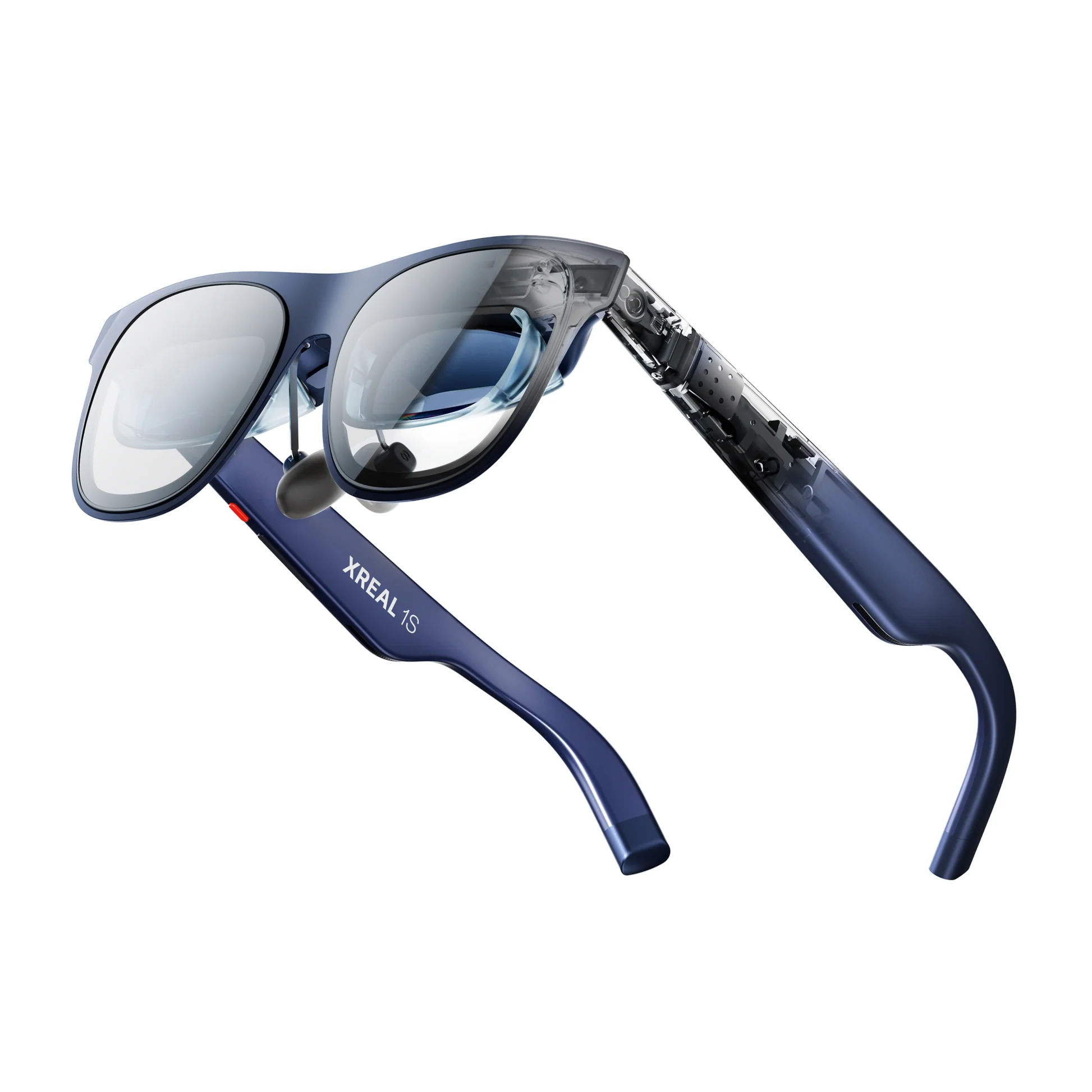
Xreal 1S
#2
Best for: users seeking an immersive media experience with spatial anchoring who do not require smooth motion clarity
Xreal 1S
2 sources$449as of Oct 17
▾Why it's ranked here

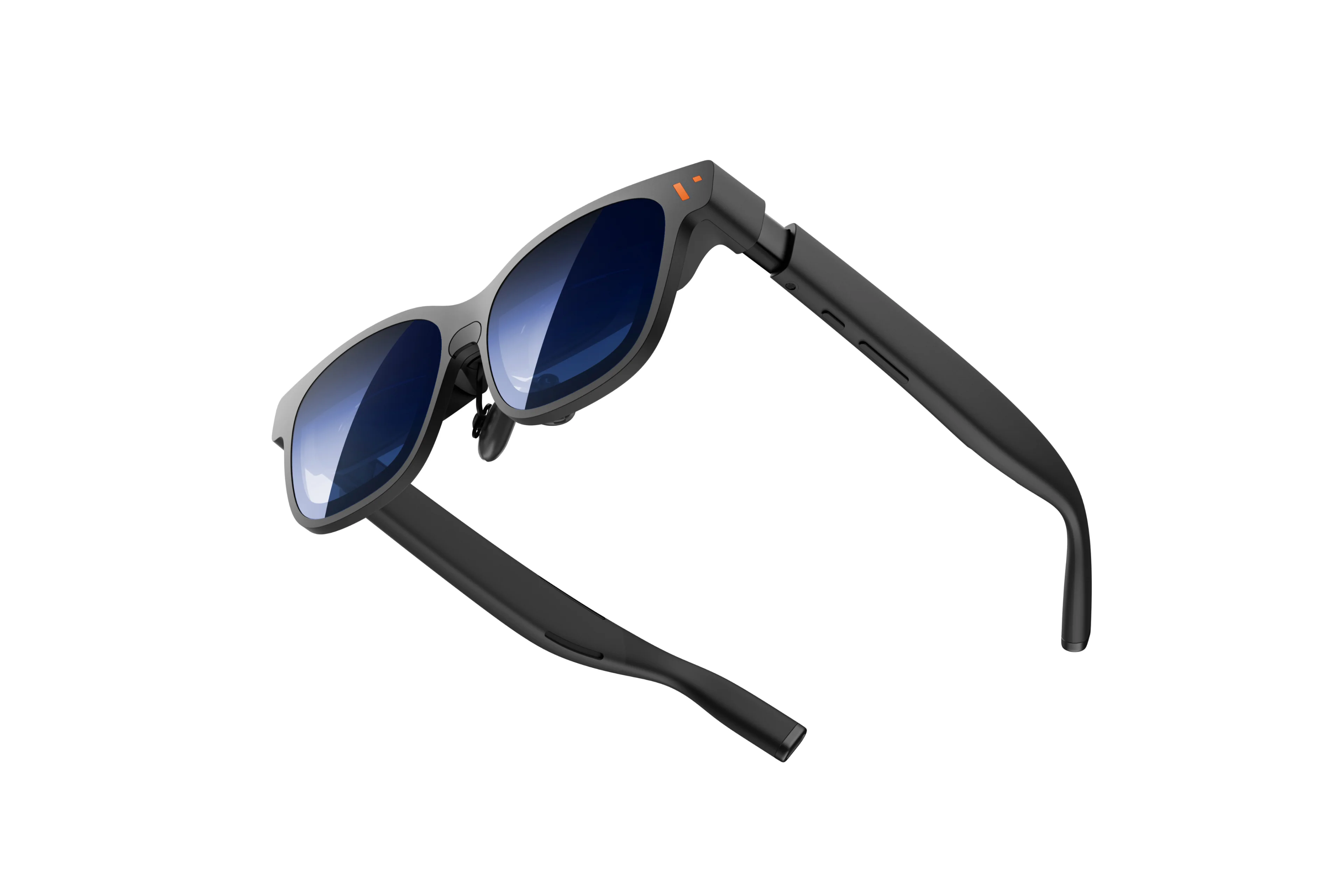
The Xreal 1S delivers a sharp mini-OLED display with 700 nits of brightness and Bose-tuned open-ear speakers, making it an excellent portable virtual screen for video entertainment. Gamespace found that the onboard X1 chip enables native 3DoF spatial tracking and real-time 2D-to-3D conversion without external accessories, while Ubergizmo noted its comfort during extended wear despite a slight weight increase. However, the computational load of this 3D processing significantly drops the frame rate to 30fps, causing stuttering and visual artifacts that make it unsuitable for fast-paced gaming or high-refresh-rate monitors. This device fits users seeking an immersive media experience on flights or commutes but should be avoided by those requiring smooth motion clarity for action games or advanced spatial computing workflows.

Strengths
  • — Features an onboard X1 chip that enables native 3DoF spatial tracking and screen anchoring without external accessories.
  • — Incorporates electrochromic dimming lenses that automatically adjust tint based on head gaze direction.
Watch-outs
  • — Real-time 2D-to-3D conversion significantly drops the frame rate to 30fps, causing stuttering and visual artifacts in games.
Viture Pro 2
#3
Best for: users who prioritize visual clarity and portability in well-lit environments without needing prescription inserts
Viture Pro 2
2 sources$299as of Oct 17
▾Why it's ranked here

PCMag found that built-in diopter dials covering prescriptions up to -5.0D eliminate the need for separate lens inserts, while Digital Trends noted the lightweight design enhances comfort during extended sessions. The Sony Micro-OLED displays deliver 1600 nits of brightness and support 120Hz refresh rates, though the device lacks HDR10 support which limits contrast performance in high dynamic range content. Users must purchase additional dongles or docks to connect with iPhones and certain consoles like the Nintendo Switch. This product fits users who prioritize visual clarity and portability for well-lit environments but may disappoint those seeking seamless plug-and-play connectivity or full HDR compatibility.

Strengths
  • — Includes built-in diopter focus dials covering prescriptions from 0 to -5.0D, eliminating the need for separate prescription lens inserts.
  • — Weighs only 63g and features adjustable temple arms with three swappable nose pads for a customizable fit.
Watch-outs
  • — Lacks HDR10 support, which limits contrast performance in supported content.
  • — Requires an additional dongle or dock to connect with iPhones and certain consoles like the Nintendo Switch.
Ray-Ban Meta Gen 2
#4
Best for: users who prioritize fashion aesthetics and casual social recording without needing a visual screen
Ray-Ban Meta Gen 2
3 sources$379as of Oct 17
▾Why it's ranked here

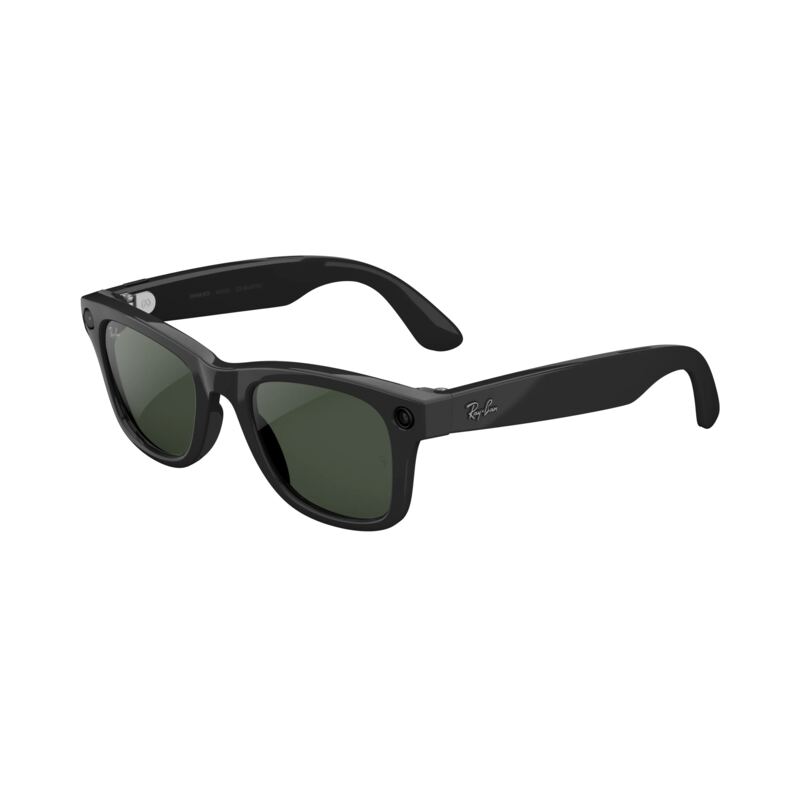
WIRED and PCMag found that the Ray-Ban Meta Gen 2 delivers an upgraded 12-megapixel camera capable of shooting photos and videos in up to 3K resolution, alongside open-ear speakers that provide clear audio for podcasts and phone calls. The glasses maintain a stylish design closely resembling classic Wayfarer frames while offering approximately eight hours of typical battery life, though heavy usage significantly reduces endurance. However, the device is heavy enough to leave deep red divots on the nose bridge after extended wear, and the Meta AI assistant can make errors or provide unhelpful responses in real-world scenarios. These smart glasses fit users who prioritize fashion and casual social recording but may disappoint those seeking all-day comfort or highly reliable artificial intelligence features.

Strengths
  • — Upgraded camera captures photos and videos in up to 3K resolution
  • — Battery life extends to approximately 8 hours of typical use
Watch-outs
  • — Heavy enough to leave deep red divots on the nose bridge after extended wear
  • — Meta AI assistant can make errors or provide unhelpful responses
RayNeo Air 4 Pro
#5
Best for: travelers seeking a private viewing screen with HDR capabilities who can tolerate a wired tether
RayNeo Air 4 Pro
3 sources
▾Why it's ranked here

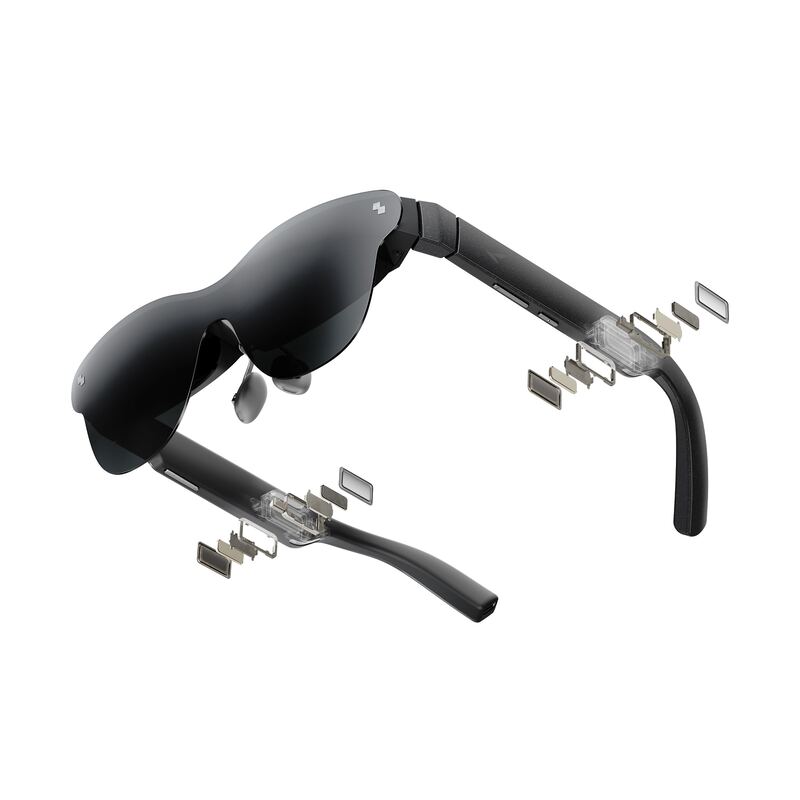
IGN found that the RayNeo Air 4 Pro delivers a compelling personal cinema experience with dual micro OLED displays and Bang & Olufsen-tuned open-ear speakers, while Tom's Guide highlighted its industry-first HDR10 support via a Pixelworks Vision 4000 chip for brighter highlights and deeper shadows. However, the constant USB-C connection throws off the balance of the glasses and leaves a cable dangling behind the ear, which can be intrusive during long sessions. The device also feels bulky and warm after an hour or more of continuous use due to heat buildup in the forehead bar. This setup is ideal for travelers seeking a private viewing screen on flights or trains, but those prioritizing all-day comfort or wireless mobility should look elsewhere.

Strengths
  • — Supports HDR10 content via a Pixelworks Vision 4000 chip, delivering brighter highlights and deeper shadows compared to standard displays.
  • — Features Bang & Olufsen-tuned open-ear speakers with multiple sound profile modes including a whisper mode for private listening.
Watch-outs
  • — Requires a constant USB-C connection to the host device, which can throw off balance and leave a cable dangling behind the ear.
  • — The glasses can feel bulky and warm during extended use.
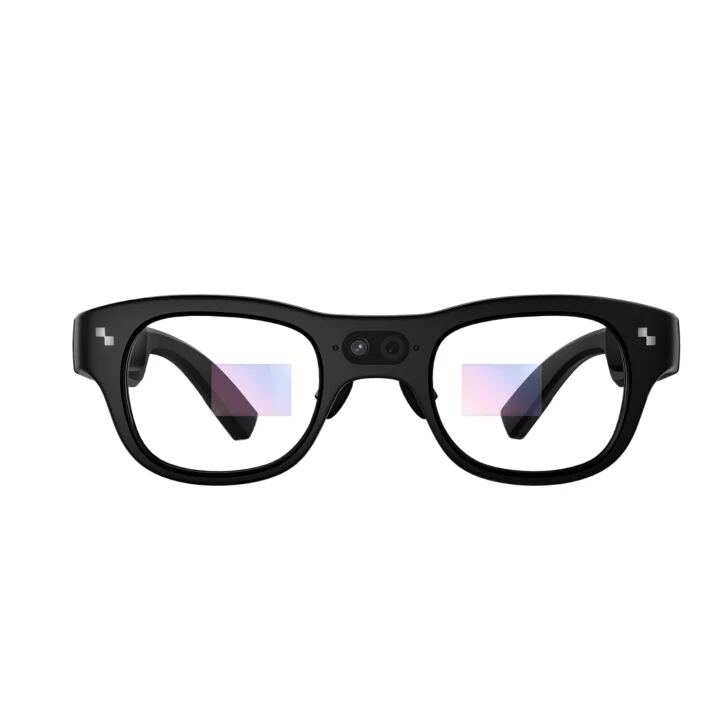
Rokid Glasses
#6
Best for: travelers and accessibility seekers who prioritize translation and captions over comprehensive smartphone replacement
Rokid Glasses
2 sources$249as of Oct 17
▾Why it's ranked here

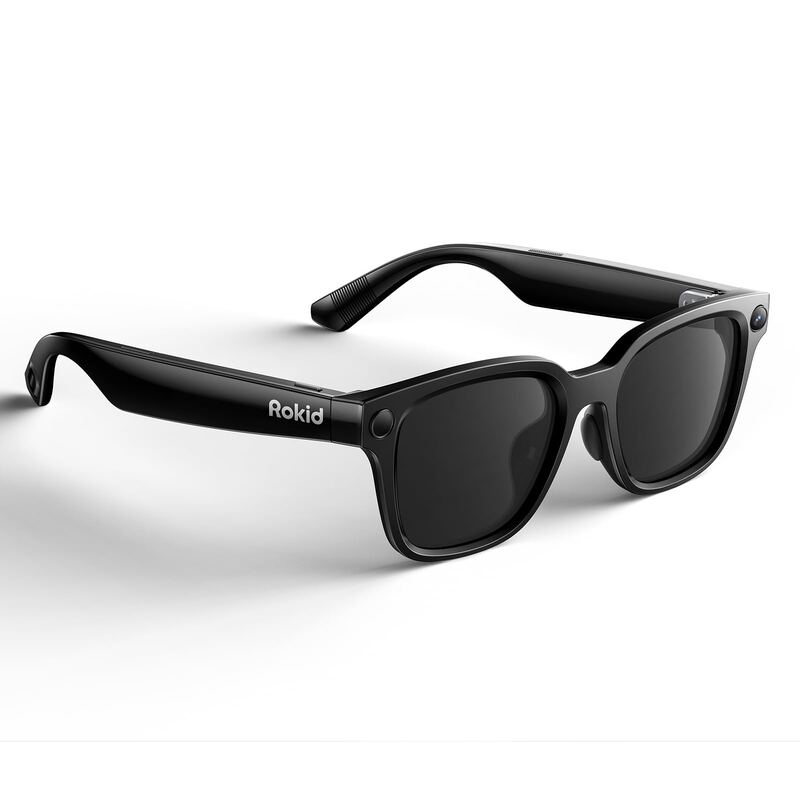
PCMag found that the Rokid Glasses deliver a sharp monochrome display via waveguide optics and include a 12MP camera for computer vision tasks like text translation and visual descriptions. The device supports flexible AI integration by allowing users to choose between ChatGPT or Qwen models, enabling reliable live captions and voice translations for accessibility and travel. However, the glasses lack in-glass navigation features, forcing users to rely on phone-based directions instead of receiving turn-by-turn guidance directly in their field of view. Additionally, there is a learning curve required to master the touch controls and voice commands effectively before the interface becomes intuitive. These smart glasses fit travelers and accessibility seekers who prioritize translation and captions over comprehensive smartphone replacement, while those needing navigation or seamless ecosystem integration should look elsewhere.

Strengths
  • — Provides accurate live captions and voice translations for accessibility and travel use cases.
  • — Includes a built-in camera capable of capturing photos and video with an indicator light to alert others when recording.
Watch-outs
  • — Lacks navigation features, requiring users to rely on phone-based directions rather than in-glass guidance.
  • — Requires a learning curve to master touch controls and voice commands effectively.
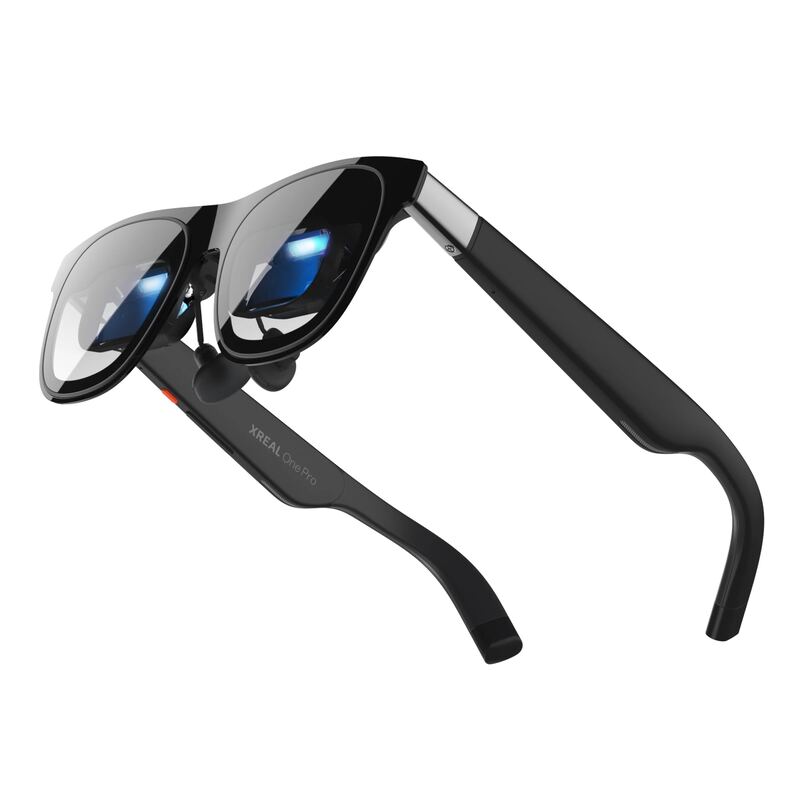
Xreal One Pro
#7
Xreal One Pro
1 sourceOne review so far, so ranked one place lower$599as of Oct 17
▾Why it's ranked here

Gamingnexus found that the XREAL One Pro’s prism lens design eliminates unwanted reflections and delivers a 57-degree field of view, significantly reducing edge clipping compared to competitors. The device features electrochromic dimming lenses for ambient light control and four speakers that improve clarity but cause considerable sound leakage in shared spaces. Tom's Hardware noted that while these segment-leading optics are impressive, the high price point limits broad appeal against standard AR glasses models. This product fits users prioritizing a large virtual screen in a lightweight form factor who can justify the premium cost, whereas budget-conscious buyers or those needing acoustic privacy should look elsewhere.

Strengths
  • — 57-degree field of view eliminates edge clipping and provides a significantly wider virtual screen than competitors.
  • — Prism lens design removes the unwanted reflections from below that plague traditional bird bath optics.
Watch-outs
  • — High price point limits appeal compared to standard AR glasses models.
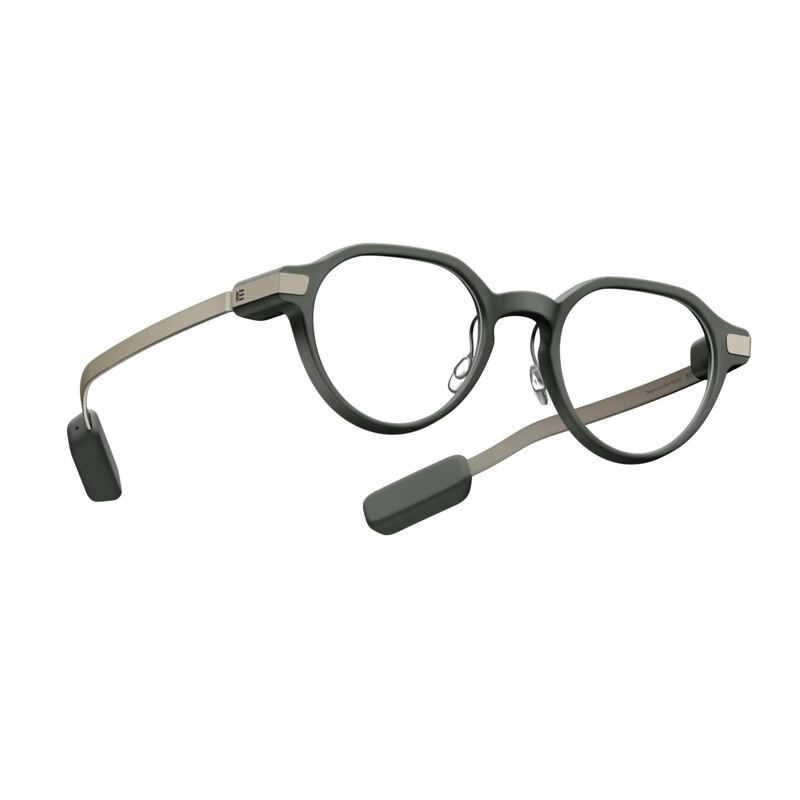
Even Realities G2
#8
Best for: privacy-conscious users who prioritize discretion and all-day battery endurance over rich color visuals
Even Realities G2
3 sources$943as of Oct 17
▾Why it's ranked here

The Even Realities G2 features a lightweight titanium and magnesium frame that closely resembles standard prescription eyewear, offering sharp monochrome waveguide display visuals adjustable up to 1,200 nits. PCMag found the touch-strip controls on the temple tips awkward to reach and prone to accidental activation, making interaction cumbersome without additional hardware. WIRED noted that while the optional R1 smart ring provides discreet gesture-based control, its $249 cost is nearly essential for comfortable daily use due to these interface limitations. This product fits privacy-conscious users who prioritize discretion over raw features, but those seeking seamless navigation or reliable AI performance should look elsewhere.

Strengths
  • — Lightweight titanium and magnesium alloy frame that closely resembles standard prescription eyewear
  • — Sharp monochrome waveguide display with adjustable brightness up to 1,200 nits
Watch-outs
  • — Touch-strip controls on the temple tips are awkward to reach and prone to accidental activation
  • — $249 cost for the R1 smart ring, which is nearly essential for comfortable daily use
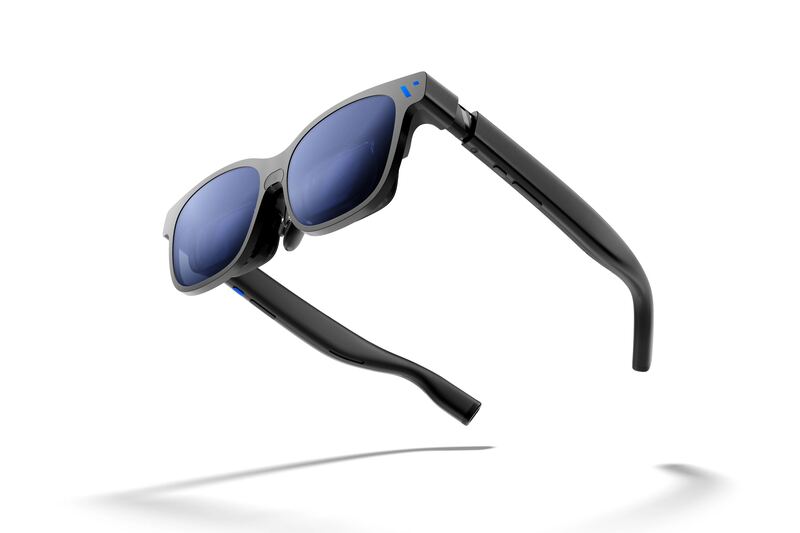
RayNeo X3 Pro
#9
Best for: early adopters comfortable with technical workarounds who need exceptional outdoor visibility
RayNeo X3 Pro
4 sources$299as of Oct 17
▾Why it's ranked here

TechRadar found that the RayNeo X3 Pro’s 6000-nit MicroLED display delivers exceptional outdoor visibility, while Gizmodo noted its sleek design and comfortable weight distribution. However, the device suffers from a severely limited battery life that drains rapidly during active camera use or navigation tasks. Interaction is further hindered by overly sensitive touch controls on the arms that frequently register unintended taps, complicating basic navigation. The software ecosystem is equally restrictive, requiring awkward sideloading procedures to install third-party apps due to a sparse native selection. This premium smart glass suits early adopters comfortable with technical workarounds and short battery endurance, but it is ill-suited for users seeking reliable all-day wear or seamless app integration.

Strengths
  • — Dual-eye MicroLED display reaches up to 6000 nits of peak brightness, making it usable in direct sunlight.
  • — Lightweight form factor weighing just 76g with well-engineered weight distribution for comfort.
Watch-outs
  • — High retail price combined with a limited native app ecosystem that requires awkward sideloading for third-party apps.
  • — Touch controls on the right arm are overly sensitive and frequently register unintended taps.
Reviews aggregated from
PCMagTom's GuidePhonearenaGamingnexusWIREDTheshortcutTom's HardwareCNET

Spec comparison

9 products
vs
SpecViture BeastXreal 1S
Display TypeMicro-OLEDmini-OLED x2
Resolution1920x1200 per eye1920 x 1200
Field of View58 degrees52°
Brightness1250 nits700 nits
Weight3.1 oz2.89 oz
ConnectivityUSB-CUSB-C (DisplayPort Alt Mode)

Frequently asked questions

What's the top pick among smart glasses right now?
Viture Beast is the top pick for smart glasses — 4.5/5 averaged from 3 published reviews. CNET found that the Viture Beast’s micro-OLED displays hit 1,250 nits of brightness, delivering vivid colors and deep blacks in a lightweight package. PCMag detailed how three distinct head-tracking modes anchor the virtual screen to your space, while Harman-tuned integrated speakers provide clear audio without headphones. However, Gamingnexus reported that text clarity becomes muddy at the edges and corners, limiting productivity use for reading or writing tasks. The device also lacks built-in focus dials, requiring users with vision corrections to purchase separate prescription inserts rather than adjusting optics manually. These features make it ideal for immersive entertainment on laptops and consoles, but those needing sharp peripheral text or adjustable diopters should look elsewhere.
How current is this ranking?
This guide was last re-checked in October 2026. Prices, links, and source ratings are re-verified on a rolling basis, and the ranking updates when the underlying scores change.