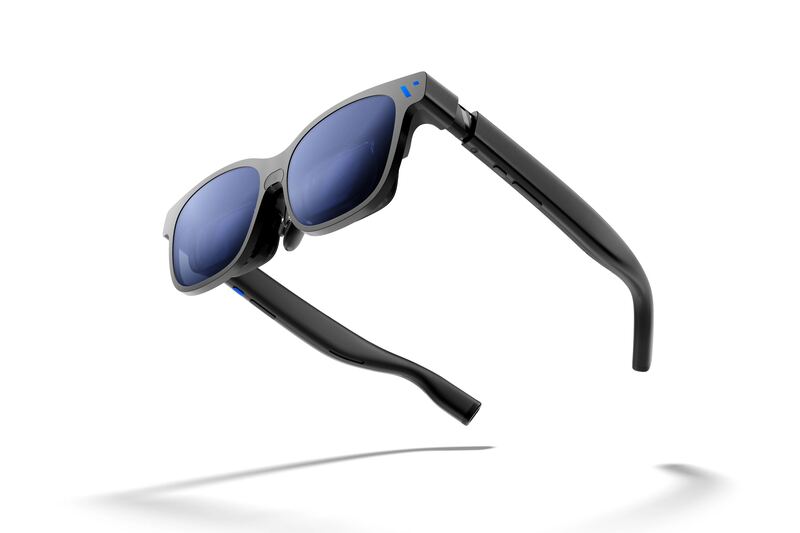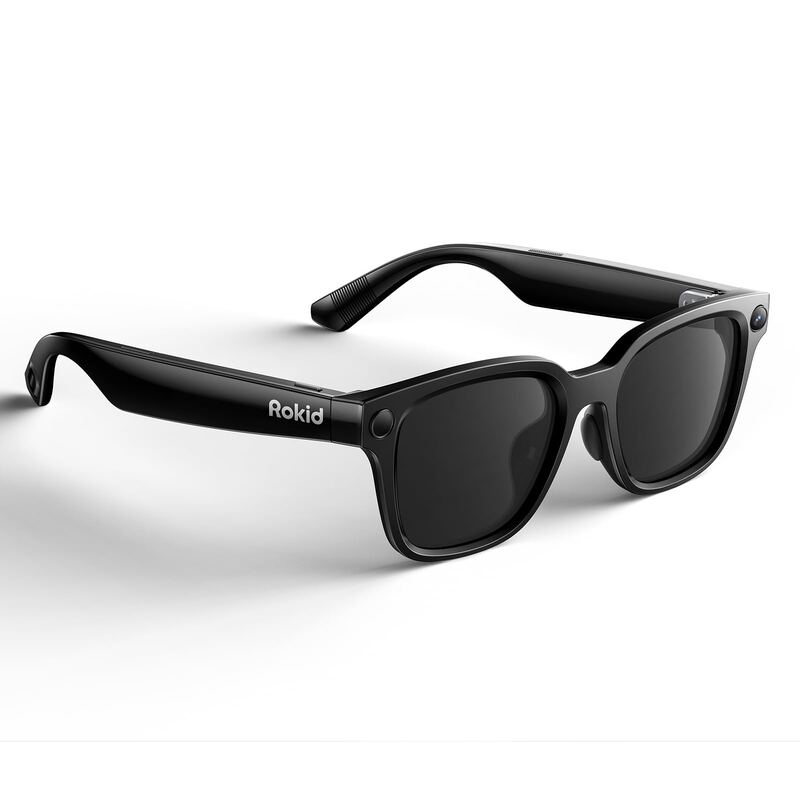
PCMag found that the Rokid Glasses deliver a sharp monochrome display via waveguide optics and include a 12MP camera for computer vision tasks like text translation and visual descriptions. The device supports flexible AI integration by allowing users to choose between ChatGPT or Qwen models, enabling reliable live captions and voice translations for accessibility and travel. However, the glasses lack in-glass navigation features, forcing users to rely on phone-based directions instead of receiving turn-by-turn guidance directly in their field of view. Additionally, there is a learning curve required to master the touch controls and voice commands effectively before the interface becomes intuitive. These smart glasses fit travelers and accessibility seekers who prioritize translation and captions over comprehensive smartphone replacement, while those needing navigation or seamless ecosystem integration should look elsewhere.
- — Provides accurate live captions and voice translations for accessibility and travel use cases.
- — Includes a built-in camera capable of capturing photos and video with an indicator light to alert others when recording.
- — Offers flexible AI integration by supporting both ChatGPT and Qwen assistant models.
- — Lacks navigation features, requiring users to rely on phone-based directions rather than in-glass guidance.
- — Requires a learning curve to master touch controls and voice commands effectively.