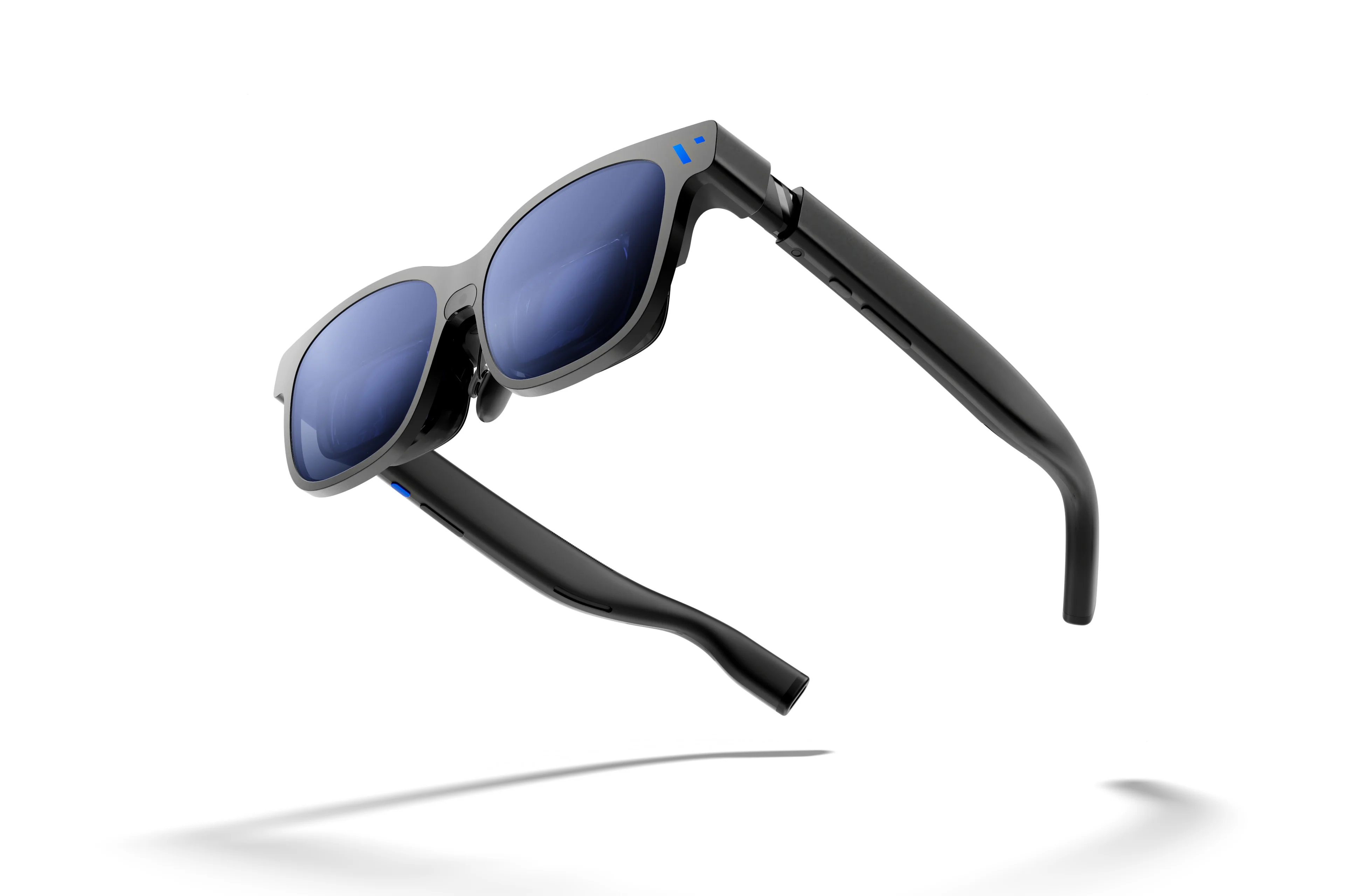
CNET found that the Viture Beast’s micro-OLED displays hit 1,250 nits of brightness, delivering vivid colors and deep blacks in a lightweight package. PCMag detailed how three distinct head-tracking modes anchor the virtual screen to your space, while Harman-tuned integrated speakers provide clear audio without headphones. However, Gamingnexus reported that text clarity becomes muddy at the edges and corners, limiting productivity use for reading or writing tasks. The device also lacks built-in focus dials, requiring users with vision corrections to purchase separate prescription inserts rather than adjusting optics manually. These features make it ideal for immersive entertainment on laptops and consoles, but those needing sharp peripheral text or adjustable diopters should look elsewhere.
Full review
1250-nit brightness and vivid micro-OLED panels
CNET recorded the Viture Beast’s micro-OLED displays hitting a peak brightness of 1,250 nits, delivering an image that reviewers found exceptionally vivid with deep blacks.
The visual fidelity extends beyond raw brightness into color reproduction and contrast. PCMag described the picture as strikingly bright and colorful, emphasizing that the wide field of view contributes to an immersive experience that feels closer to a portable ultrawide monitor than a novelty gadget. The combination of high nits and rich color gamut makes video game graphics pop and cinematic content look vibrant, establishing the display quality as the primary strength of this wearable form factor.
58-degree field of view outpaces competitors
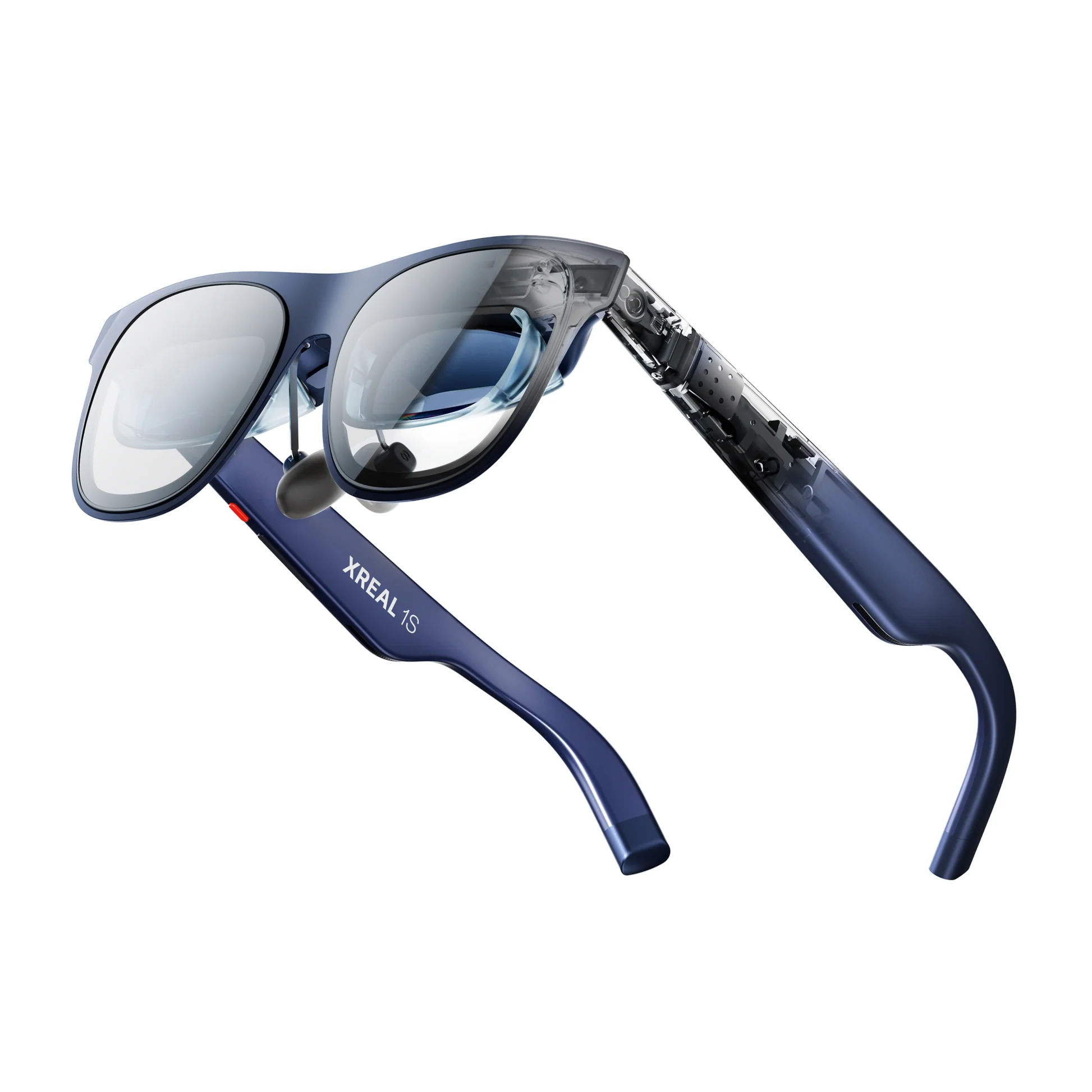
Gamingnexus measured the Viture Beast’s field of view at 58 degrees, a specification that places it ahead of its direct rival, the Xreal One Pro, which sits at 57 degrees. This represents a significant jump from previous generations in the brand's lineup; Gamingnexus noted that the older Luma models offered only 52 degrees, making this new 10 percent increase noticeable in terms of peripheral immersion. The wider optics allow for larger simulated screen sizes without feeling cramped, enhancing the cinematic feel when watching movies or playing games.
PCMag highlighted how this wide field of view pairs with a stable virtual image to create a sense of scale that rivals traditional ultrawide monitors. While the slight edge in degrees over competitors might seem marginal on paper, reviewers found it contributes to a more expansive viewing window. The larger prisms required for this wider angle also impact the physical design, making the lenses chunkier than standard sunglasses but thinner than some previous models in the same product line.
3DOF head tracking anchors virtual screens
PCMag detailed three distinct head-tracking modes that allow users to manipulate how the virtual display interacts with their physical movement. The Anchor mode keeps the picture stationary at a set location in space, allowing the user to turn their head freely while the monitor appears to stay put. This feature is particularly useful for multitasking or gaming, as it prevents the screen from feeling glued to the face. CNET confirmed that this pinning capability works seamlessly with laptops and handheld consoles like the Steam Deck.
For users who experience motion sickness in fixed-position displays, PCMag described a Smooth Follow mode where the picture tracks head movement, offering an alternative to the rigid 0DOF lock. The hardware implementation relies on sensors within the frame to maintain spatial stability, ensuring that the image does not waver or drift excessively during normal use. This level of customization allows users to tailor the tracking behavior to their specific comfort levels and usage scenarios.
Harman-tuned audio eliminates headphone need
CNET praised the onboard audio, noting that the Viture Beast produces impressive sound powered by Harman. This integration allows users to enjoy immersive audio without needing to wear traditional headphones or earbuds, which can become uncomfortable during long sessions. The speakers are positioned near the ears but do not leak sound significantly, maintaining privacy in shared spaces while delivering clear dialogue and adequate bass response for movies and games.
PCMag described the audio as clear and capable of getting the job done effectively, reinforcing the idea that the glasses serve as a complete audiovisual package rather than just a visual accessory. The combination of directional speakers and the sealed nature of the prism lenses helps contain the sound, ensuring that the immersive experience is not broken by external noise or the need for additional audio hardware.
Blurry edges limit text productivity use
Gamingnexus reported that while image clarity is good in the center of the view, the edges and corners become muddy and harder to read. This optical limitation means that tasks requiring precise text focus, such as programming or writing documents, are uncomfortable for extended periods. The reviewer noted that HUD elements in games could also suffer from this blur if they appear near the periphery of the simulated screen, forcing users to keep their gaze centered to maintain readability.
This edge distortion is a common trait in prism-based display glasses and was acknowledged by PCMag as part of the trade-off for achieving such a wide field of view. While it does not significantly impact movie watching or gaming where attention is often focused on the center, it clearly defines the product's boundary between entertainment consumption and professional productivity use.
Missing focus dials require prescription inserts
PCMag highlighted a notable omission in the design: the Viture Beast lacks manual focus dials that were present in previous models, making it impossible for users to adjust the optics for nearsightedness or farsightedness without additional accessories. This change is likely due to the larger prisms and wider field of view required for the new display setup, which complicates the implementation of user-adjustable focus mechanisms.
To accommodate vision correction, Viture includes a lens insert that users can take to an optometrist for prescription lenses or purchase directly from the manufacturer. Gamingnexus confirmed that these inserts snap in securely and provide a crisp image for slightly nearsighted eyes. However, the lack of built-in adjustment means that users with standard prescriptions must rely on these add-ons, adding cost and complexity compared to glasses with integrated diopter controls.
88-gram weight remains manageable for comfort
Despite this increase in mass, the reviewer reported being able to wear the glasses for long periods without feeling heavy on the face. The distribution of weight across the frame and nose pads helps mitigate pressure points, making it suitable for extended gaming or movie-watching sessions.
The physical design retains a familiar aesthetic from the Luma line, with black plastic frames and adjustable temples that offer resistance without being overly stiff. PCMag noted that while the glasses are chunky due to the prism lenses, they do not feel cumbersome. The inclusion of multiple nose pad options allows users to fine-tune the fit further, ensuring that the heavy optical components sit comfortably on various face shapes.
Strengths
- +Micro-OLED displays deliver up to 1250 nits of brightness and vivid colors with deep blacks.
- +Built-in 3DOF head tracking allows the virtual screen to stay anchored in space as you move your and head.
- +Harman-tuned integrated speakers provide clear audio without requiring headphones.
Watch-outs
- −Lacks built-in focus dials, making manual vision correction impossible without prescription inserts.
- −Text clarity on the edges of the display can be blurry, limiting productivity use for reading.
How it compares
The Viture Beast delivers vivid colors and deep blacks via Micro-OLED displays, whereas the RayNeo Air 4 Pro focuses on HDR10 support for brighter highlights. Unlike the Viture Pro 2, the Beast lacks built-in focus dials, requiring users to purchase separate prescription inserts if they need vision correction.
Rating sources
Counts as 4.16/5 in our score — this publisher's 34 scores on the site average 4.21, so its scores are adjusted down to compare fairly with other publishers.
Counts as 4.74/5 in our score — this publisher's 19 scores on the site average 3.87, so its scores are adjusted up to compare fairly with other publishers.
Counts as 4.52/5 in our score — this publisher's 156 scores on the site average 4.15, so its scores are adjusted up to compare fairly with other publishers.
Our 4.5 score is the average of the 3 scored reviews above, each adjusted for how strictly its publisher scores; 2 more reviewed it without printing a score and are not in the average. More about methodology.