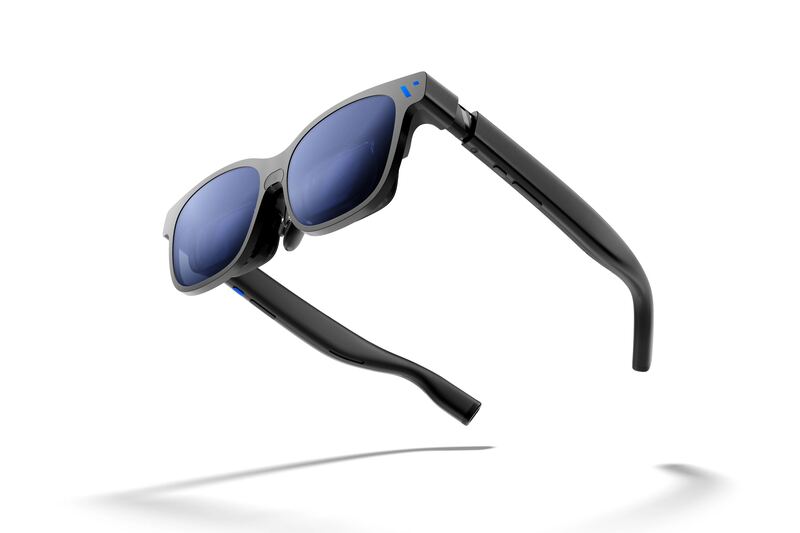
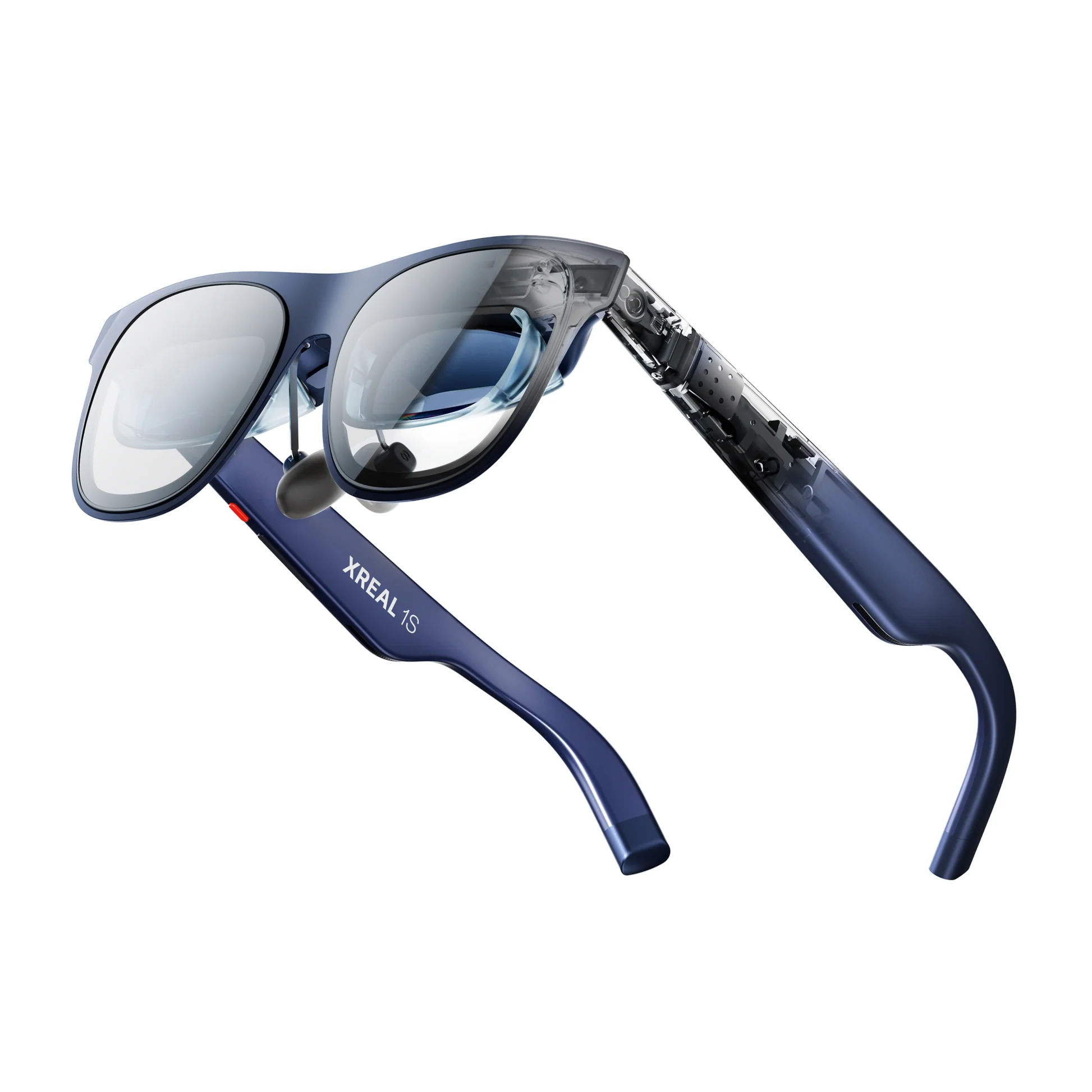
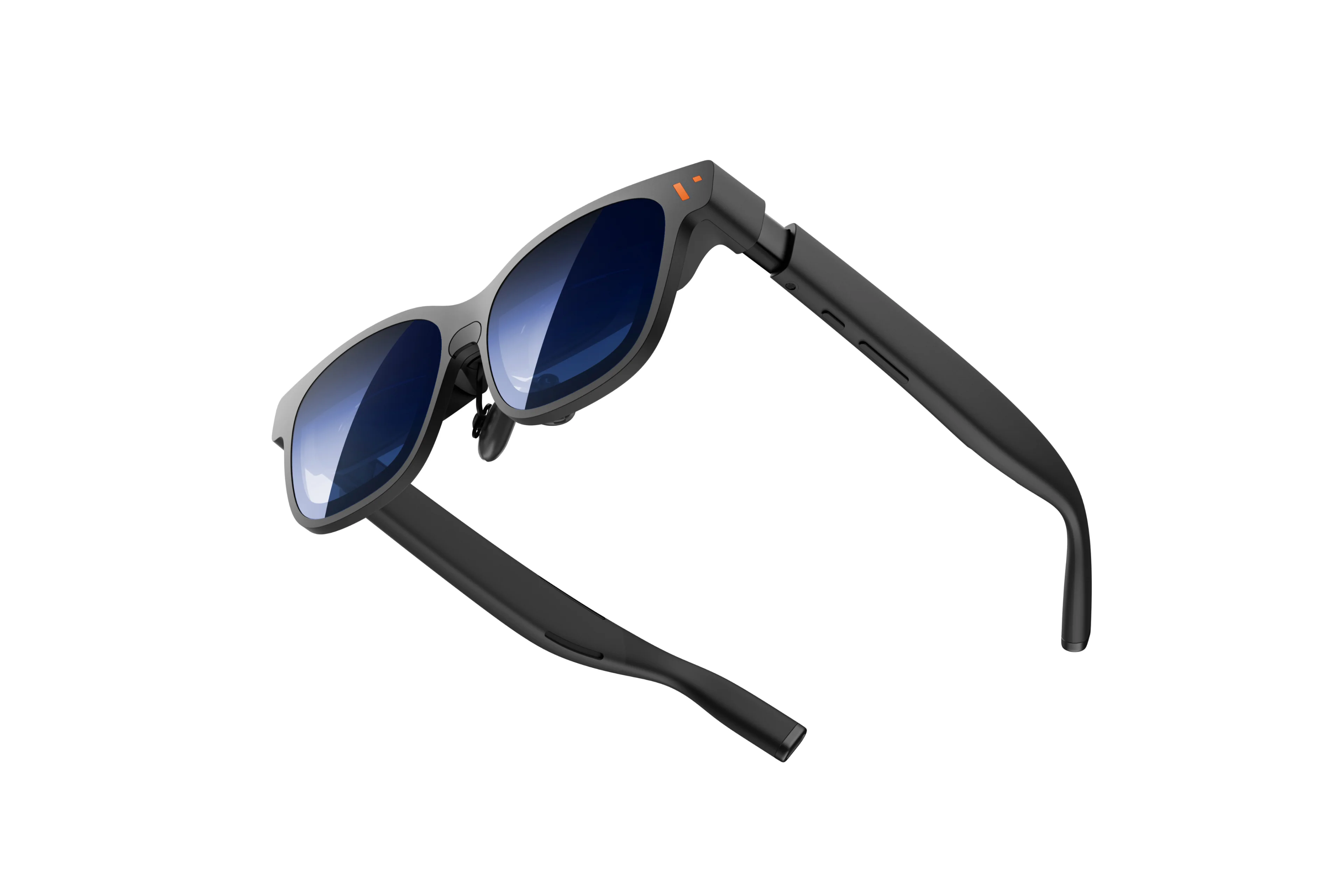
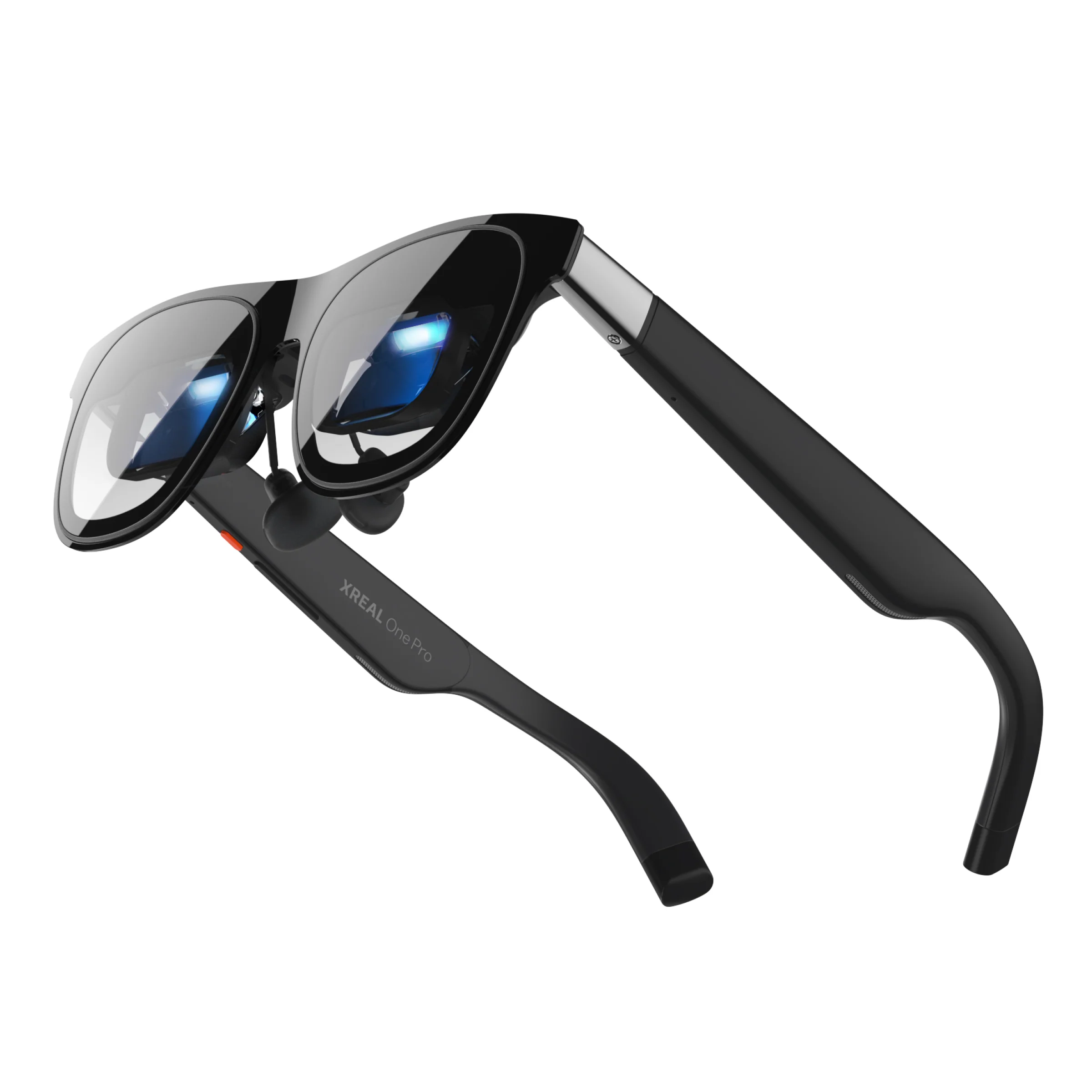
Gamingnexus found that the XREAL One Pro’s prism lens design eliminates unwanted reflections and delivers a 57-degree field of view, significantly reducing edge clipping compared to competitors. The device features electrochromic dimming lenses for ambient light control and four speakers that improve clarity but cause considerable sound leakage in shared spaces. Tom's Hardware noted that while these segment-leading optics are impressive, the high price point limits broad appeal against standard AR glasses models. This product fits users prioritizing a large virtual screen in a lightweight form factor who can justify the premium cost, whereas budget-conscious buyers or those needing acoustic privacy should look elsewhere.
Full review
Prism optics deliver a wider virtual screen
The XREAL One Pro distinguishes itself from earlier augmented reality glasses by abandoning the traditional bird bath optical architecture in favor of prism lenses. Gamingnexus found that this design shift eliminates unwanted reflections from underneath the lenses, a common flaw in previous generations that often decreased immersion and enjoyment when viewing large virtual screens. The removal of these ghosting artifacts allows for a cleaner image presentation that feels more integrated into the user's field of view rather than floating as a separate layer.
This optical upgrade directly enables a significantly expanded field of view, which Gamingnexus recorded at 57 degrees. Most competing AR glasses on the market previously offered a limited field of view in the mid-40s range. The jump to 57 degrees represents a substantial increase in visible screen real estate, making the virtual display feel much larger and more immersive. Switching between the One Pro and other models highlights this difference immediately, as the increased visibility sets it apart from competitors that suffer from edge clipping or smaller projected images.
While the 57-degree field of view is a major improvement over standard AR glasses, it still falls short of the total environmental immersion provided by dedicated virtual reality headsets. However, for users prioritizing a large virtual screen in a lightweight form factor, this optical configuration strikes an effective balance. The prism lenses allow the device to remain thinner than previous iterations while maximizing the amount of eyesight occupied by the virtual content.
Audio design creates sound leakage issues
The XREAL One Pro incorporates a total of four speakers, with two mounted on each temple. Unlike many competitors that utilize only downward-firing transducers, this configuration includes one speaker firing up and another firing down per side. Gamingnexus noted that this dual-directional approach significantly improves sound quality compared to single-speaker designs, delivering ample volume at higher levels without distortion. The audio output is clear and robust enough for casual media consumption in quiet environments.
Despite the improved clarity and volume, the physical design of the glasses enables considerable sound bleed. Gamingnexus found that anyone sitting next to the wearer will likely hear what is being played through the onboard speakers. This leakage makes the device unsuitable for shared spaces where privacy or noise consideration is a priority. The open-ear nature of the transducers prioritizes situational awareness over acoustic isolation.
To mitigate this audio bleed and achieve true privacy, Gamingnexus recommended pairing the glasses with external headphones or earbuds. Bypassing the onboard speakers entirely eliminates the disturbance to bystanders while potentially offering better sound quality depending on the external audio device used. This workaround adds a layer of complexity for users who want both high-fidelity audio and discretion in public settings.
Electrochromic dimming adapts to ambient light
The main external glass on the XREAL One Pro features electrochromic technology that allows users to adjust the tint level dynamically. The lenses can darken significantly to resemble standard sunglasses, effectively blocking out bright surroundings and enhancing contrast for better visibility of the virtual screen in sunny conditions. Conversely, the lenses can lighten up to become more see-through, allowing users to maintain awareness of their environment when needed.
Physical controls offer limited customization
The right temple houses two buttons and a rocker switch designed to control various aspects of the device. Since the XREAL One Pro contains an internal computing chip, these physical inputs are intended to help users personalize their view without navigating through on-screen menus. Gamingnexus highlighted that one button serves as a programmable hotkey, supporting both short and long clicks for different functions.
Comfort matches weight with flexible temples
Gamingnexus reported that despite this increase in mass, the glasses do not feel noticeably heavy on the face during extended use. The weight distribution appears effective enough to mask the additional gram count compared to earlier iterations.
High price limits broad market appeal
Tom's Hardware identified that the high price point of the XREAL One Pro significantly limits its appeal compared to standard AR glasses models. While the device offers segment-leading features such as 6DoF support and advanced optics, the premium cost creates a barrier for average consumers who may not justify the expense over cheaper alternatives.
Strengths
- +57-degree field of view eliminates edge clipping and provides a significantly wider virtual screen than competitors.
- +Prism lens design removes the unwanted reflections from below that plague traditional bird bath optics.
- +Electrochromic dimming lenses offer three levels of tint to block surroundings or enhance contrast on demand.
Watch-outs
- −High price point limits appeal compared to standard AR glasses models.
Rating sources
Counts as 3.68/5 in our score — this publisher's 95 scores on the site average 3.98, so its scores are adjusted up to compare fairly with other publishers.
Our 3.7 score is the average of the 1 scored review above, each adjusted for how strictly its publisher scores; 2 more reviewed it without printing a score and are not in the average. More about methodology.