Verdict
The Best 10Aggregated review·39 sources·updated October 7, 2026·checked October 18, 2026

Best Mirrorless Cameras For Travel

Top 10 mirrorless cameras for travel ranked by aggregate score from 39 published reviews.

This guide aggregates 39 published reviews across 10 products; the thinnest-sourced pick rests on 3. How we rank.

Verdict is reader-supported. As an Amazon Associate we earn from qualifying purchases. Some links on this page are affiliate links — if you click through and buy, we may earn a small commission at no extra cost to you. Our ratings are sourced from independent publications, not sponsors.
Quick answer

Nikon Z5II is our top pick for mirrorless cameras for travel — an averaged 4.6/5 across 3 published reviews at about $1,696.95. Runner-up: Fujifilm X-T5 (~$1,999).

At a glance10 products ▾
1Nikon Z5IITop Pick
3 sources
$1,696.95Best for: Professional full-frame buyers
$1,696.95 · Check Price on Amazon
2 sources
$1,999Best for: Photography-focused shooters
$1,999 · Check Price on Amazon
2 sources
$1,649Best for: Wildlife and sports shooters
$1,649 · Check Price on Amazon
2 sources
$2,198Best for: Hybrid photo and video shooters
$2,198 · Check Price on Amazon
2 sources
$1,999Best for: Videographers needing high frame rates
$1,999 · Check Price on Amazon
3 sources
$1,098Best for: Photographers prioritizing autofocus
$1,098 · Check Price on Amazon
5 sources
$1,498Best for: Enthusiasts seeking advanced video
$1,498 · Check Price on Amazon
3 sources
$799Best for: Budget-conscious photographers
$799 · Check Price on Amazon
3 sources
$1,198Best for: Content creators on the go
$1,198 · Check Price on Amazon
2 sources
$1,499Best for: Video-first hybrid creators
$1,499 · Check Price on Amazon

The full ranking

How we rank →
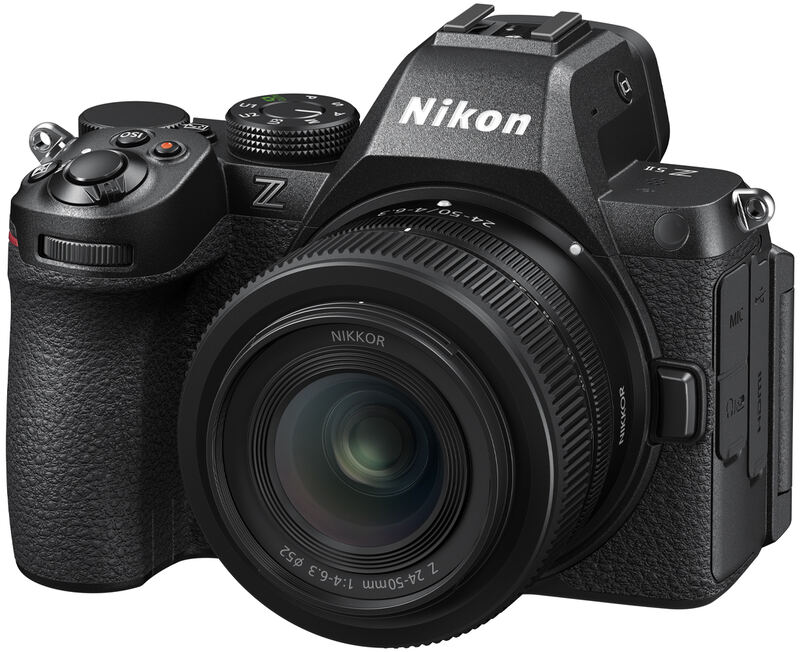
Nikon Z5II
#1 · Top Pick
Best for: Professional full-frame buyers
Nikon Z5II
3 sources$1,696.95as of Oct 18
▾Why it's ranked here

The Nikon Z5II is a well-rounded full-frame mirrorless camera with stabilized imaging, fast autofocus, and professional video features at a reasonable price point. PCMag called it 'the best value among the current slate of full-frame cameras,' and DPReview noted its improved burst rates and video capabilities over the Z5. Photographers and videographers who want a capable full-frame body without the flagship price are the fit; anyone chasing top-tier video may find better alternatives in higher-end models.

Strengths
  • — 24MP BSI full-frame CMOS sensor with improved readout speeds
  • — Up to 11 fps Raw capture with mechanical shutter
Watch-outs
  • — Sensor readout speeds still slower than Z6III's
  • — Limited video capabilities compared to higher-end models
Fujifilm X-T5
#2
Best for: Photography-focused shooters
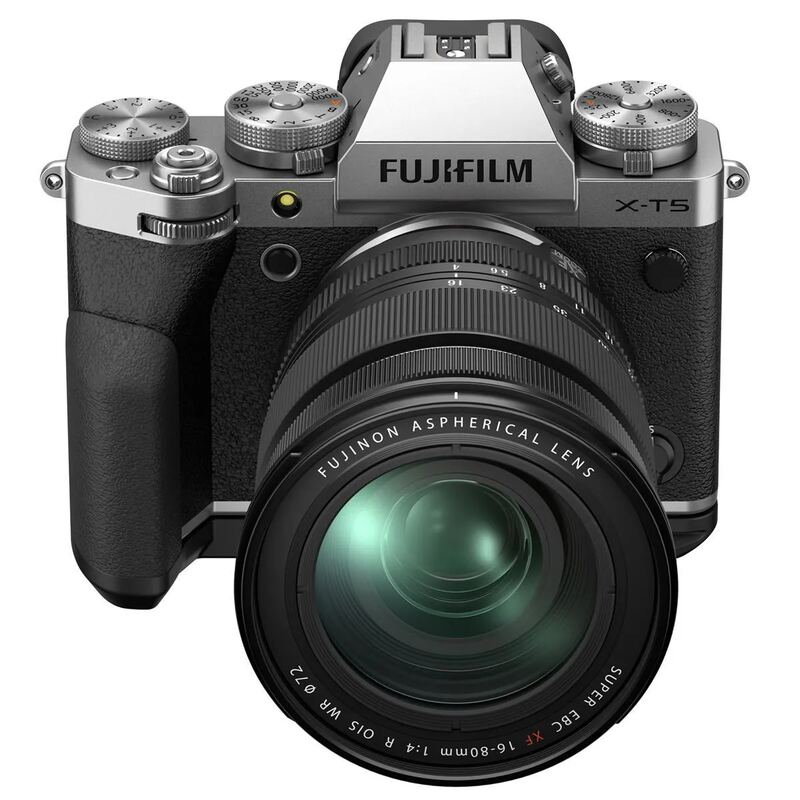
Fujifilm X-T5
2 sources$1,999as of Oct 18
▾Why it's ranked here

The Fujifilm X-T5 is a photography-first 40MP APS-C mirrorless camera that continues Fujifilm's tradition of physical control dials and traditional handling. Reviewers praised the high-resolution sensor, 15fps shooting capability, and 7.0EV in-body stabilization for handheld work. The two-axis tilting screen comes up as especially useful for off-axis compositions. It has none of the video ambitions of its sibling X-H2: no 8K capture, no ProRes modes, and shorter burst durations because it uses SD cards. Photographers who value physical controls and image quality over video range, particularly in documentary, wedding, and sport work, get the most from its reliability and detail retention.

Strengths
  • — 40MP BSI CMOS sensor with X-Trans color filter array delivers high detail and cropping flexibility
  • — Up to 15fps continuous shooting with mechanical shutter for fast action photography
Watch-outs
  • — Smaller buffer and SD card usage limits long burst shooting compared to X-H2
  • — Video specs are less ambitious than X-H2 with no 8K capture or ProRes modes
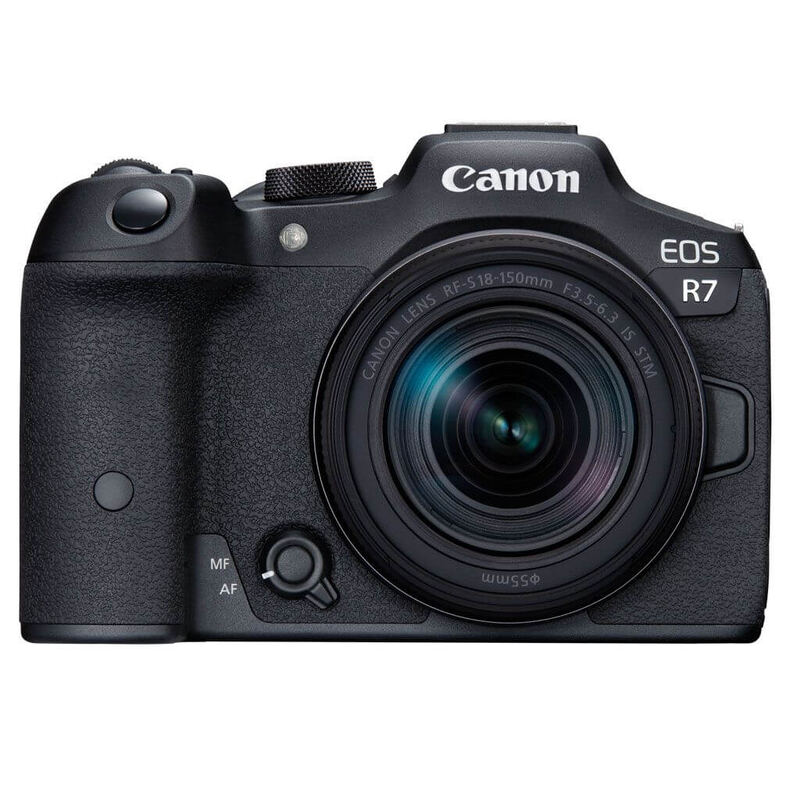
Canon EOS R7
#3
Best for: Wildlife and sports shooters
Canon EOS R7
2 sources$1,649as of Oct 18
▾Why it's ranked here

The Canon EOS R7 is a 32.5MP APS-C mirrorless camera running Canon's latest Digic X processor and Dual Pixel AF system. DPReview praised its fast continuous shooting, up to 30 fps with electronic shutter and 15 fps with mechanical shutter, along with improved video specs including oversampled UHD 4K up to 30p and sub-sampled 4K/60p. Access to the video functions is fiddly, and the EVF resolution falls short of the R5. Canon positions it as the pricier sister model to the EOS R10, aimed at enthusiast photographers and wildlife shooters who want high-resolution imaging and fast burst rates.

Strengths
  • — 32.5MP APS-C CMOS sensor with Dual Pixel AF and Canon's Dual Pixel Raw mode
  • — Up to 30 fps shooting with electronic shutter and 15 fps with mechanical shutter
Watch-outs
  • — Video function access requires moving power button one stage beyond 'On' position, which can be fiddly
  • — EVF resolution is lower than that of the EOS R5, appearing pixelated at times
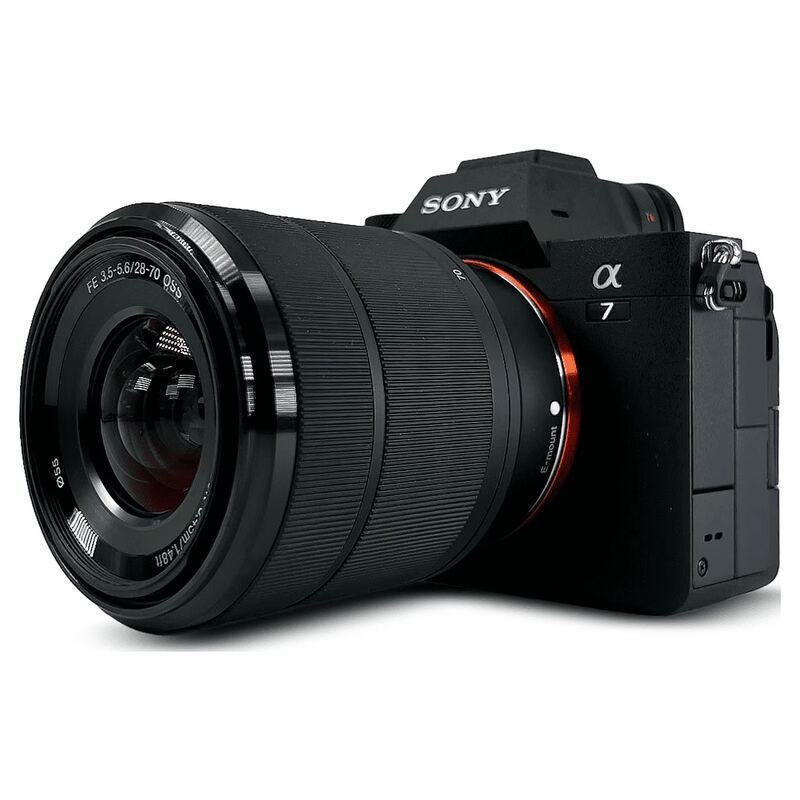
Sony α7 IV
#4
Best for: Hybrid photo and video shooters
Sony α7 IV
2 sources$2,198as of Oct 18
▾Why it's ranked here

The Sony α7 IV is a full-frame mirrorless camera built around a 33MP back-illuminated Exmor R CMOS sensor and Sony's BIONZ XR processor, with Fast Hybrid AF across 759 phase-detection points, 5-axis in-body stabilization and 4K 60p 10-bit 4:2:2 video. Only one review cited on this page tested this generation of the camera: wedding and portrait photographer Myles Katherine, who scored it 87 out of 100, found it "intuitive" and "user-friendly", praised the dual card slots and low-light handling, and shot a six-hour wedding on a single charge. Her reservations are specific rather than general: the electronic viewfinder image "just isn't the best", there is no built-in multiple exposure function, which she calls a dealbreaker for her own work, and the battery "died really quickly" once it dropped below about 11 percent. At roughly 658 g it is a hybrid stills-and-video body rather than the lightest thing in this guide.

Strengths
  • — 0.5-type Quad-VGA OLED viewfinder with 100% coverage and 3,686,400 dots
  • — 3.0-type vari-angle touchscreen with 1,036,800 dots, opening 176 degrees and rotating 270 degrees
Watch-outs
  • — Electronic viewfinder image quality underwhelms: Myles Katherine, who shoots through the finder, found "the quality of the image in the electronic viewfinder just isn't the best"
  • — Battery falls off a cliff at the end of its charge: Myles Katherine found that "once it got to about 11% battery, it died really quickly after that"
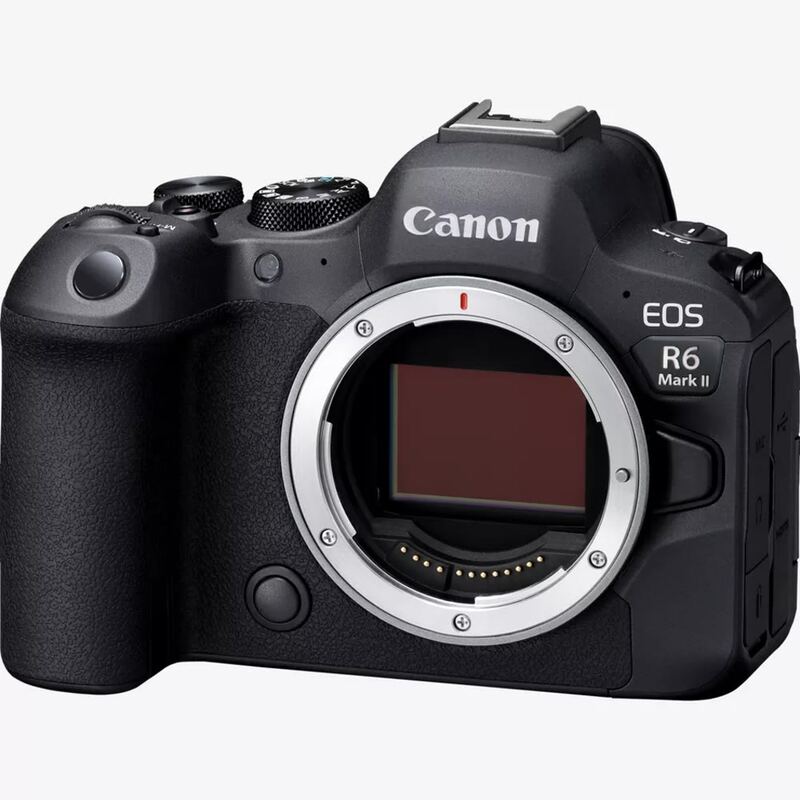
Canon EOS R6 Mark II
#5
Best for: Videographers needing high frame rates
Canon EOS R6 Mark II
2 sources$1,999as of Oct 18
▾Why it's ranked here

The Canon EOS R6 Mark II is a 24.2MP full-frame mirrorless hybrid camera that improves on its predecessor with higher resolution, faster burst shooting (up to 40fps electronic), and significantly better video thermal management. Reviewers praised its excellent image quality, fast Dual Pixel AF II with AI subject tracking, improved ergonomics, and versatile stills-and-video performance. The Mark II removed the original R6's problematic recording limits while maintaining strong low-light capability and reliable IBIS up to 8 stops. It is widely considered one of the best all-around hybrid cameras at its price point, ideal for photographers who shoot both photos and video but may not suit professional videographers needing unlimited recording times or C-Log 3 support.

Strengths
  • — In-body stabilization rated at up to 8 stops of correction when paired with compatible lenses
  • — Up to 40 fps electronic shutter or 12 fps mechanical shutter for fast action capture
Watch-outs
  • — IBIS wobble reported with certain wide-angle lenses (e.g., RF 15-35mm f/2.8)
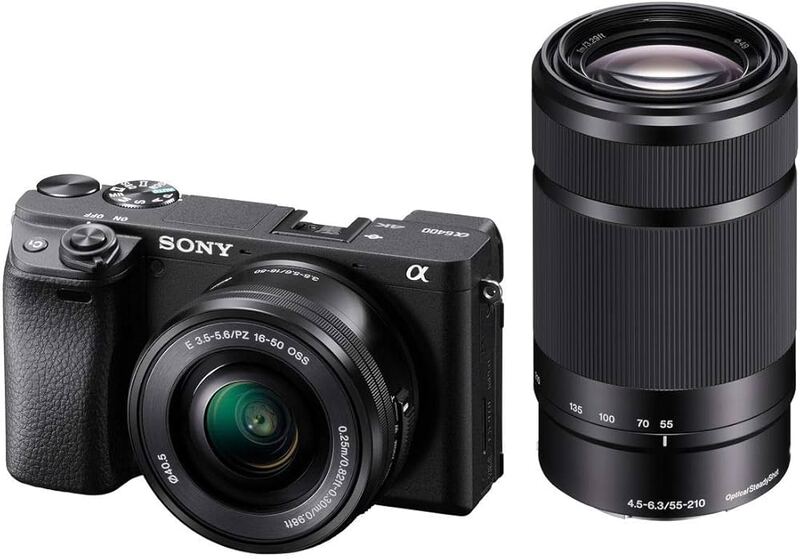
Sony α6400
#6
Best for: Photographers prioritizing autofocus
Sony α6400
3 sources$1,098as of Oct 18
▾Why it's ranked here

The Sony a6400's autofocus is the reason to buy it. DPReview calls the implementation one of the best out there and effectively game-changing at this price, and the tracking holds up on moving subjects with the silent electronic shutter engaged. Image quality from the 24.2MP APS-C sensor is strong, and 11 fps bursts with full raw capture put it in reach of action shooting. The handling is the weak half: DPReview has never warmed to the ergonomics of this body line, Shotkit's reviewer kept hitting the wrong buttons on the crowded rear panel, and there is no in-body stabilisation.

Strengths
  • — Industry-leading autofocus implementation with 425 phase- and contrast-detect AF points
  • — 11fps continuous RAW shooting capability
Watch-outs
  • — Ergonomics are hit-and-miss with no substantive changes from predecessor
  • — Lacks in-body stabilization limiting video and low-light performance
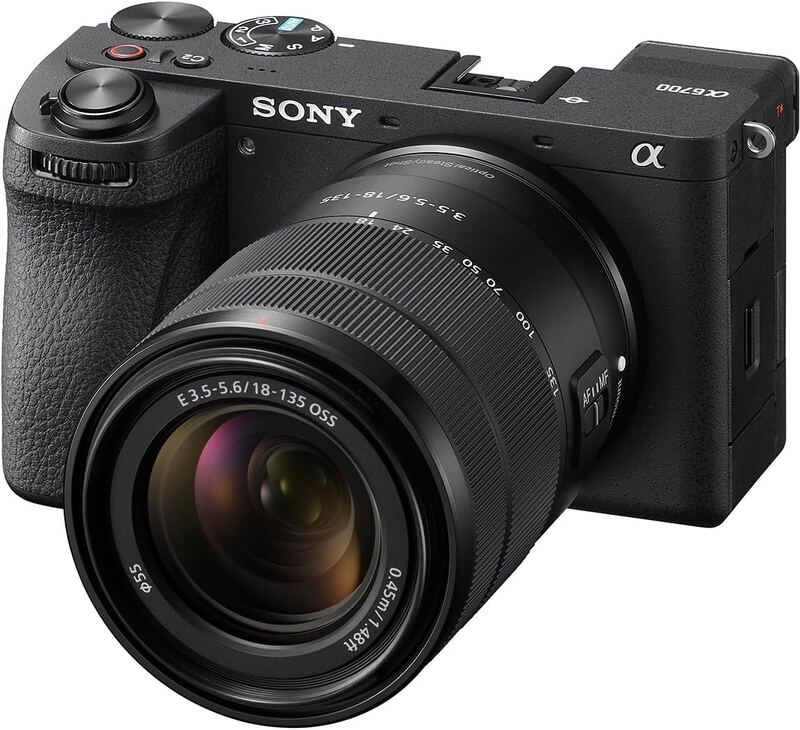
Sony α6700
#7
Best for: Enthusiasts seeking advanced video
Sony α6700
5 sources$1,498as of Oct 18
▾Why it's ranked here

The Sony α6700 is a high-end APS-C mirrorless camera with a 26MP BSI CMOS sensor and Bionz XR processor that includes dedicated AI processing. Reviews highlight its improved video, including 4K/60p recording and 10-bit color depth, plus an upgraded 3" fully articulating LCD. It keeps the 11 fps shooting rate but drops the focus point joystick, which some users find limiting for manual control. Handling and weather sealing earn praise; the single card slot is the notable drawback for professional use. Enthusiasts who want advanced video and image quality in a compact form factor are the fit.

Strengths
  • — 26MP BSI CMOS sensor with 93% AF coverage
  • — 11 fps shooting with mechanical or electronic shutter
Watch-outs
  • — No focus point joystick for manual AF point selection
  • — Single SD card slot lacking backup option
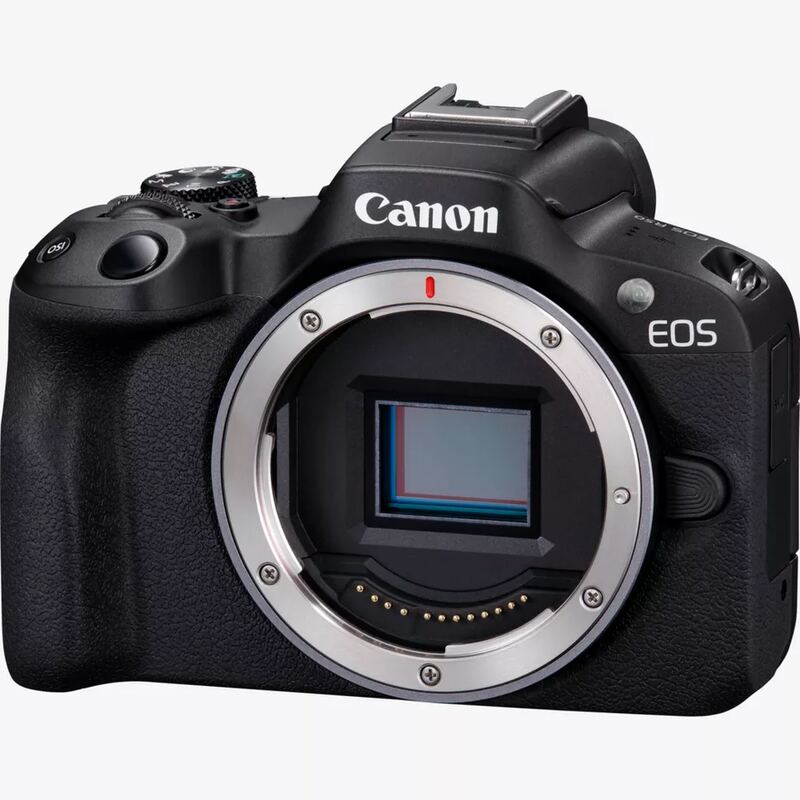
Canon EOS R50
#8
Best for: Budget-conscious photographers
Canon EOS R50
3 sources$799as of Oct 11
▾Why it's ranked here

The Canon EOS R50 is a compact APS-C mirrorless camera priced at $680 body-only, and its 24.2MP sensor and advanced autofocus system make it strong value. Reviewers praised the burst shooting and subject tracking, calling the AF system the best at this price point. Third-party lens support is limited, and there is no AV mode in video. The Phoblographer also noted higher ISO penalties than expected. The R50 still holds up as a solid entry-level route into the RF mount without the premium price tag.

Strengths
  • — Very useful burst rate with either EFC or Electronic shutters
  • — Autofocus system is the best out there at this price point
Watch-outs
  • — Very few RF-S lenses available
  • — No AV mode in video
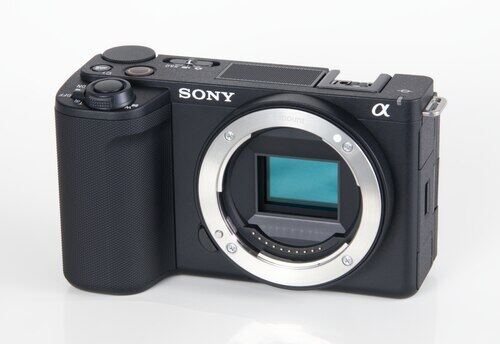
Sony ZV-E10 II
#9
Best for: Content creators on the go
Sony ZV-E10 II
3 sources$1,198as of Oct 18
▾Why it's ranked here

The Sony ZV-E10 II sits at the entry level for content creators and professionals stepping up from phones. Jon Conti of Jon Conti Visuals recommends it for businesses that need more control and polish than phone content allows. Edward Noble's review highlights how light it stays paired with the Sirui AF 75mm f/1.2 lens, which suits portrait work and wildlife photography. There is no EVF and battery life is modest, but the compact form factor and access to Sony's E-mount system make it a solid, upgradeable starting point.

Strengths
  • — Small and lightweight design suitable for vlogging and travel, per PetaPixel
  • — Excellent video capabilities with 4K/24p recording and flip-out 3" LCD
Watch-outs
  • — No electronic viewfinder (EVF) included, which SLR Lounge says limits it as an all-around camera
  • — No in-body stabilisation — digital "active" mode only, which crops the frame, according to TechRadar
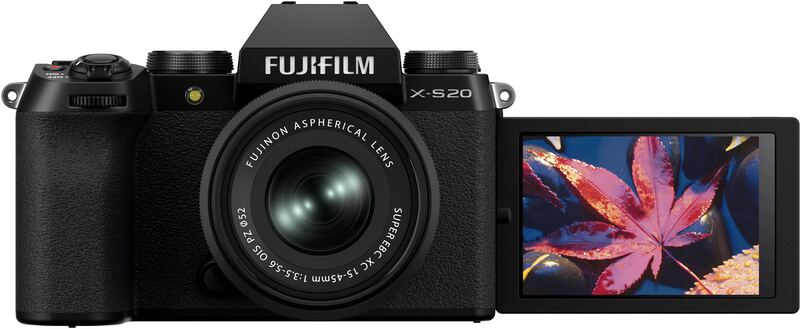
Fujifilm X-S20
#10
Best for: Video-first hybrid creators
Fujifilm X-S20
2 sources$1,499as of Oct 18
▾Why it's ranked here

The Fujifilm X-S20 is a midrange APS-C mirrorless camera that builds on the X-S10 with better video features and friendlier handling. Reviewers noted the enhanced 5-axis stabilization, 4K video with F-Log2 support, and a dedicated vlog mode. A larger grip makes room for a bigger battery, and there is a headphone jack. Battery life caps at 750 shots, and recording time is constrained without the optional FAN-001 cooling fan. Beginners and intermediate users who want one camera for both photography and video work are the fit.

Strengths
  • — 26MP X-Trans BSI-CMOS sensor delivers high-resolution images
  • — 5-axis in-body image stabilization rated to 7 stops
Watch-outs
  • — Battery life limited to 750 shots per charge
  • — Video recording time is constrained without cooling fan
Reviews aggregated from
DPReviewThephoblographerTechRadarRTINGSShotkit

Spec comparison

10 products
vs
SpecNikon Z5IIFujifilm X-T5
Sensor24MP BSI CMOS40MP BSI CMOS
Stabilization5-Axis IBIS, up to 7.5 stopsUp to 7.0EV
Video4K/30p full-width, 4K/60p (1.5x crop), 10-bit N-Log/N-Raw6.2K/30p, 4K/60p
Autofocus9 subject types, Expeed 7, -10 EV sensitivity425-point phase-detect with subject detection
Burst Rate11 fps Raw with mechanical shutterUp to 15fps
Display3.2-inch fully articulating 2.1M dot LCD3.0" 1.84M dot two-axis tilt
EVF3.69M dot 60Hz3.69M-dot OLED
Weight700g (with battery and SD card)557g (19.6oz)

Frequently asked questions

What's the top pick among mirrorless cameras for travel right now?
Nikon Z5II is the top pick for mirrorless cameras for travel — 4.6/5 averaged from 3 published reviews. The Nikon Z5II is a well-rounded full-frame mirrorless camera with stabilized imaging, fast autofocus, and professional video features at a reasonable price point. PCMag called it 'the best value among the current slate of full-frame cameras,' and DPReview noted its improved burst rates and video capabilities over the Z5. Photographers and videographers who want a capable full-frame body without the flagship price are the fit; anyone chasing top-tier video may find better alternatives in higher-end models.
Is this mirrorless cameras for travel guide up to date?
This guide was last re-checked in October 2026. Prices, links, and source ratings are re-verified on a rolling basis, and the ranking updates when the underlying scores change.

Related guides

Browse all →