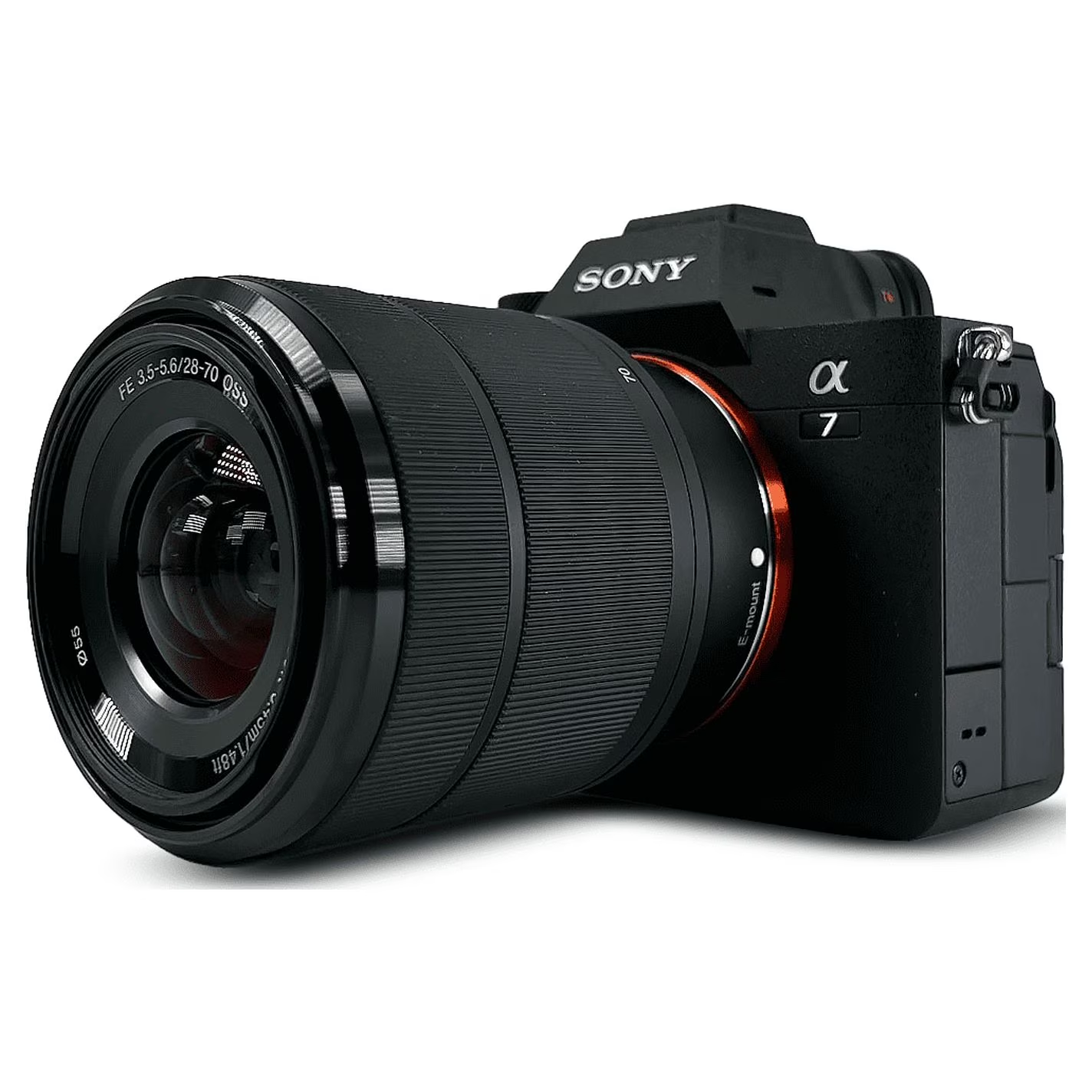
The Sony α7 IV is a full-frame mirrorless camera built around a 33MP back-illuminated Exmor R CMOS sensor and Sony's BIONZ XR processor, with Fast Hybrid AF across 759 phase-detection points, 5-axis in-body stabilization and 4K 60p 10-bit 4:2:2 video. Only one review cited on this page tested this generation of the camera: wedding and portrait photographer Myles Katherine, who scored it 87 out of 100, found it "intuitive" and "user-friendly", praised the dual card slots and low-light handling, and shot a six-hour wedding on a single charge. Her reservations are specific rather than general: the electronic viewfinder image "just isn't the best", there is no built-in multiple exposure function, which she calls a dealbreaker for her own work, and the battery "died really quickly" once it dropped below about 11 percent. At roughly 658 g it is a hybrid stills-and-video body rather than the lightest thing in this guide.
Full review
33MP, BIONZ XR and 759 autofocus points
The Sony α7 IV is the fourth-generation model in Sony's full-frame α7 line, and Sony's own specification for it lists a 35 mm full-frame Exmor R CMOS sensor of approximately 33.0 effective megapixels, an advanced BIONZ XR image processing engine that Sony rates at up to 8x the processing performance of the engine it replaces, and Fast Hybrid AF working across 759 phase-detection points in full-frame mode with Real-time Eye AF for humans, animals and birds. Stills sensitivity runs from ISO 100 to 51,200 and expands to 50-204,800. It records XAVC S and XAVC HS video up to 4K 60p in 10-bit 4:2:2, with the caveat printed in Sony's own footnote that Super 35 cropping is locked on at 4K 60p, so the full sensor width is only available at 30p and below. Professional wedding and portrait photographer Myles Katherine, who used the camera over several weeks of paid work, summarised the appeal as "long battery life, dual card slots, in-body image stabilization and a 33 MP full-frame sensor", and added that while the α7 IV "is known for its incredible video and autofocus, it also takes beautiful photos."
Light enough that she kept reaching for it, at 658 g
Sony puts the α7 IV at approximately 658 g with battery and memory card, in a body measuring roughly 131.3 x 96.4 x 79.8 mm. Myles Katherine rated portability 5 out of 5 and was direct about why it mattered to her: "I loved how lightweight the A7 IV was, and I think it was one of the reasons I kept grabbing it from my backpack and choosing to use it over my other cameras." She paired it with a Sigma 24-70mm f/2.8 II Art lens, which she called "surprisingly small and light for the power that it has", and found the grip itself well judged, writing that the hand grip size "just feels right to me when it comes to my hand size". Her reservation about the body is about feel rather than a recorded failure: she never dropped the camera and reports no malfunction, but wrote that it "did feel a bit more breakable to me" than the Canon 5D Mark IV and 6D she normally shoots.
Three custom buttons, two card slots, and a six-hour wedding on one charge
Myles Katherine rated functionality 4.5 out of 5 and found the controls immediately legible despite coming to the camera from Canon bodies: "I quickly got used to adjusting the ISO, aperture, exposure compensation and more." She singles out the three custom buttons "that you can assign different settings to so that you can access them quickly", which she says matters most when "I'm working a wedding and need to change settings fast", and the touch-to-focus option, which she uses in preference to touch shutter. The 5-axis in-body stabilization was new to her and she called it "definitely something I could get used to". Sony's specification confirms two card slots, the first accepting SD UHS-II or CFexpress Type A and the second SD UHS-II, and Katherine treats that pair as one of the camera's genuinely professional features: "It's another one of those things that you don't miss until you have it." On power, she shot a full six-hour wedding on one charge and came home with about 17 percent left. In low light she found it dependable across the ISO 100-51,200 native range Sony publishes: "The A7 IV worked like a dream in low light and I managed to make it through the whole wedding without feeling the need to add a flash."
Sharp files, with a digitized look deep inside a crowd
Myles Katherine rated clarity 4.2 out of 5, and her verdict on the files themselves is positive: "after importing the photos into my computer, the images were sharp and beautiful." She was "pleasantly surprised by look of the images overall, as I remember Sony images to look more digital than most cameras just a few years ago", and found the rendering natural, noting that "the greens look vibrant, but natural, and the skin tones are lovely and natural as well". Her qualification is specific rather than general. Zooming a long way into a group shot, she found "a bit of a digitized look that sort of flattens faces and makes it seem a little too fake", while conceding that this only appears when "really zooming in, like on a group of 20 people and focusing in on one face", and that "your clients would probably never notice". She also places the camera above the Canon bodies she owns on two counts that matter during a shoot: "I find the Sony A7 IV to actually be a bit more reliable in light handling and autofocus than my 5D Mark IV and EOS R."
The two things that stopped her buying one
Myles Katherine's reservations are concrete, and she scored creativity 3 out of 5 on the strength of them. The first is an outright omission: "the Sony A7 IV does not have a built-in multiple exposure function. And if it did, I probably would seriously consider using a Sony camera as my main work camera." She is explicit about the weight she puts on it, writing "For me though, it is a dealbreaker", while acknowledging that "this feature isn't important to everyone". The second is the viewfinder. Sony lists a 0.5-type Quad-VGA OLED panel of 3,686,400 dots with 100 percent coverage, and Katherine, who shoots through the finder rather than the rear screen, still found it a step down from an optical one: "The quality of the image in the electronic viewfinder just isn't the best", and "it just is a lower resolution version of it." Two smaller notes belong here. She found the camera's handling of strong backlight "a bit flat and boring" and switched back to a Canon body for those frames. And while the battery carried a six-hour wedding, she warns that "once it got to about 11% battery, it died really quickly after that."
Best fit: a hybrid shooter who wants one body for both
Myles Katherine's own recommendation is narrow and worth quoting exactly: "If you're a hybrid photographer/videographer, or you're a videographer that wants the option of taking beautiful photos, then this camera would be perfect for you." She shoots "all kinds of photographs from portraits to weddings to landscapes to food to fashion", and found the α7 IV reliable enough for "a lot of high-stress photography moments, like a wedding", reaching for it over her other cameras across several weeks of paid work. Her closing figure is 87 out of 100. For a traveller the trade is legible from the specification alone: this is a full-frame body, and it carries a full-frame sensor, 5-axis stabilization and two card slots at approximately 658 g, which is heavier than every APS-C camera ranked around it. Anyone buying it for the 4K 60p mode should also note Sony's own footnote that Super 35 cropping is locked on at that frame rate, so the widest field of view is available only at 30p and below.
Strengths
- +0.5-type Quad-VGA OLED viewfinder with 100% coverage and 3,686,400 dots
- +3.0-type vari-angle touchscreen with 1,036,800 dots, opening 176 degrees and rotating 270 degrees
- +Fast Hybrid AF with 759 phase-detection points across the full-frame area, plus Real-time Eye AF for humans, animals and birds
Watch-outs
- −Electronic viewfinder image quality underwhelms: Myles Katherine, who shoots through the finder, found "the quality of the image in the electronic viewfinder just isn't the best"
- −Battery falls off a cliff at the end of its charge: Myles Katherine found that "once it got to about 11% battery, it died really quickly after that"
- −Multiple exposures must be assembled later in software; Myles Katherine calls the absent in-camera function "a dealbreaker" for her own work
How it compares
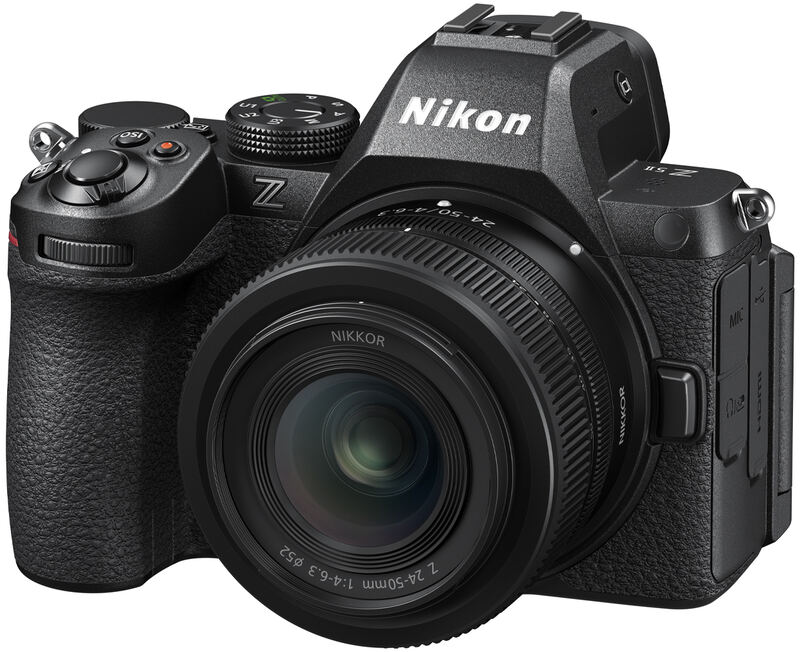
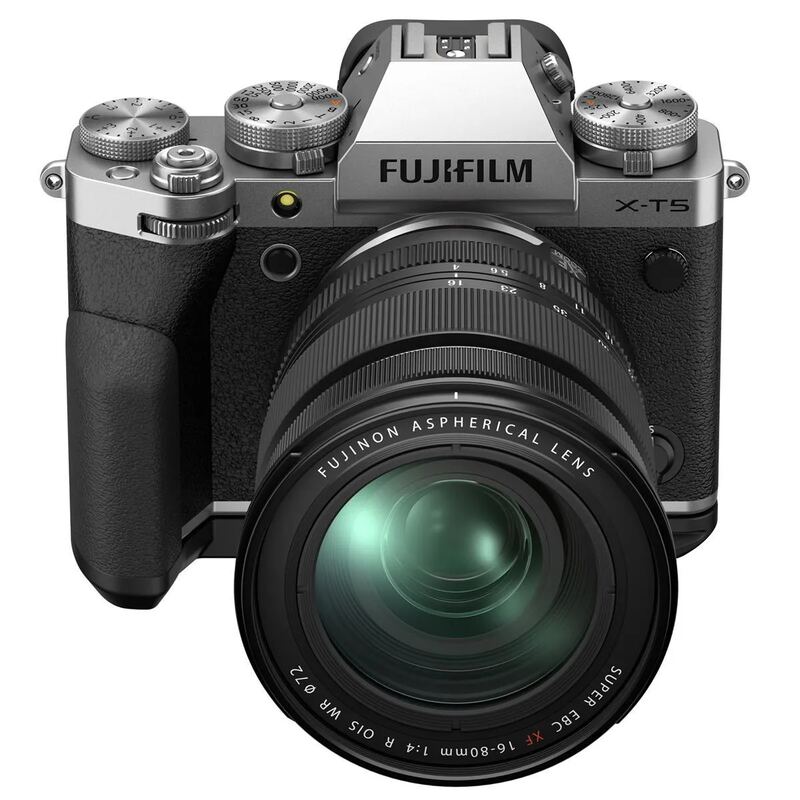
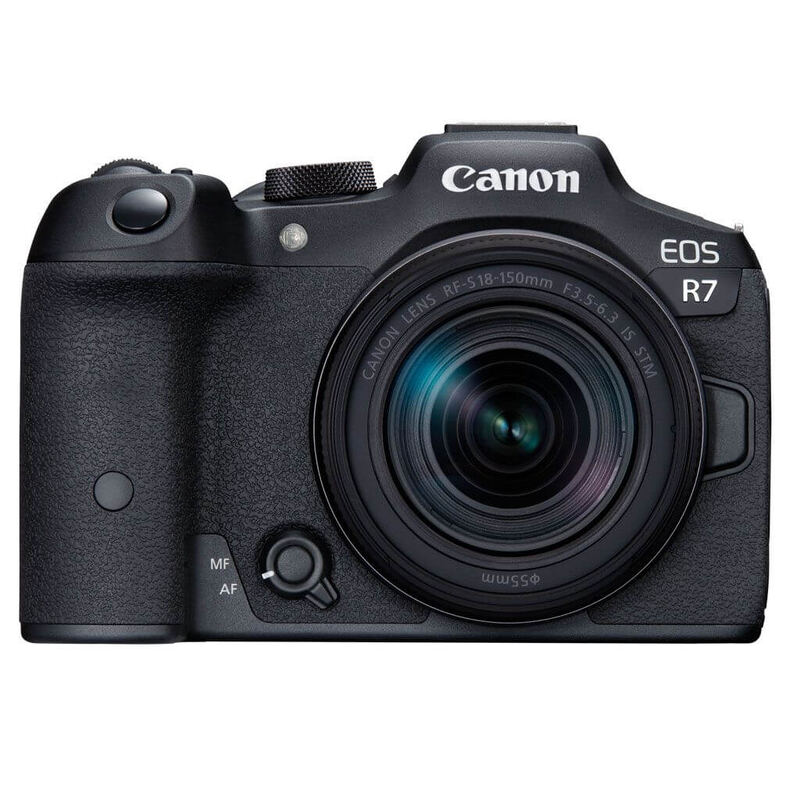
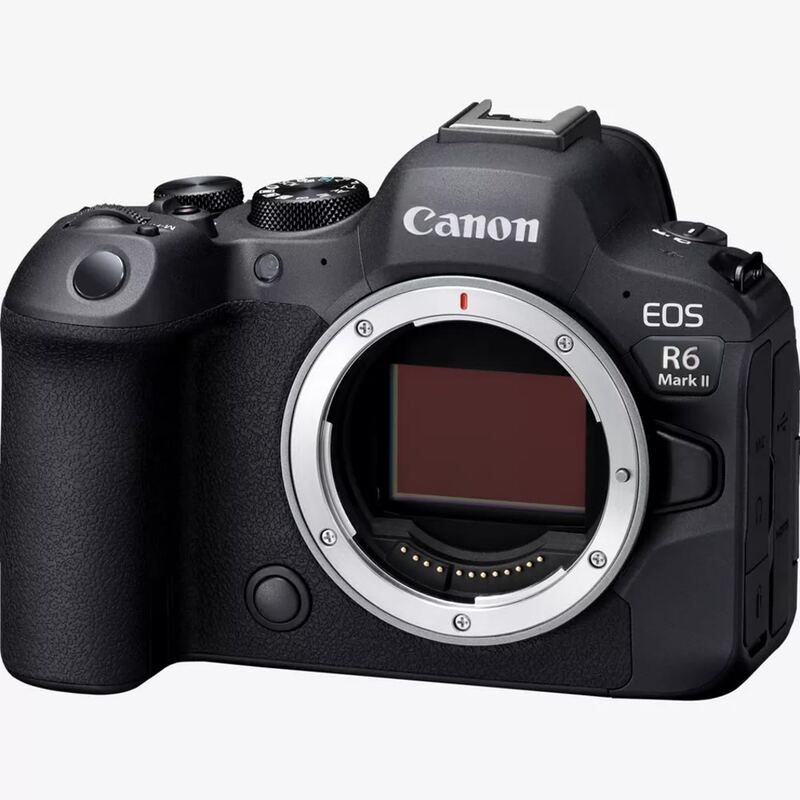
The Sony α7 IV is a full-frame camera: against the APS-C Canon EOS R50 it brings a 33MP full-frame sensor and 5-axis in-body stabilization the R50 does not have at all. It matches the Fujifilm X-S20's 4K/60 10-bit 4:2:2 video rather than lacking it, but the X-S20 weighs 413 g against the α7 IV's 658 g, and for a travel buyer that is the trade actually being made. Against the Nikon Z5II it is the lighter body (658 g against 700 g) with the higher-resolution sensor (33MP against 24MP), while the Z5II shoots faster bursts (11 fps against 10 fps); both cameras have two card slots.
Rating sources
Counts as 4.32/5 in our score — this publisher's 1 scores on the site average 4.35, so its scores are adjusted down to compare fairly with other publishers.
“After a good deal of use, we've come to a mixed opinion of the Sony a7. As much as we like the idea of a small mirrorless camera with a full frame sensor, we ran into more issues than we think are reasonable for the camera's price.”
Counts as 4.42/5 in our score — this publisher's 195 scores on the site average 4.25, so its scores are adjusted down to compare fairly with other publishers.
Our 4.4 score is the average of the 2 scored reviews above, each adjusted for how strictly its publisher scores; 1 more reviewed it without printing a score and is not in the average. More about methodology.