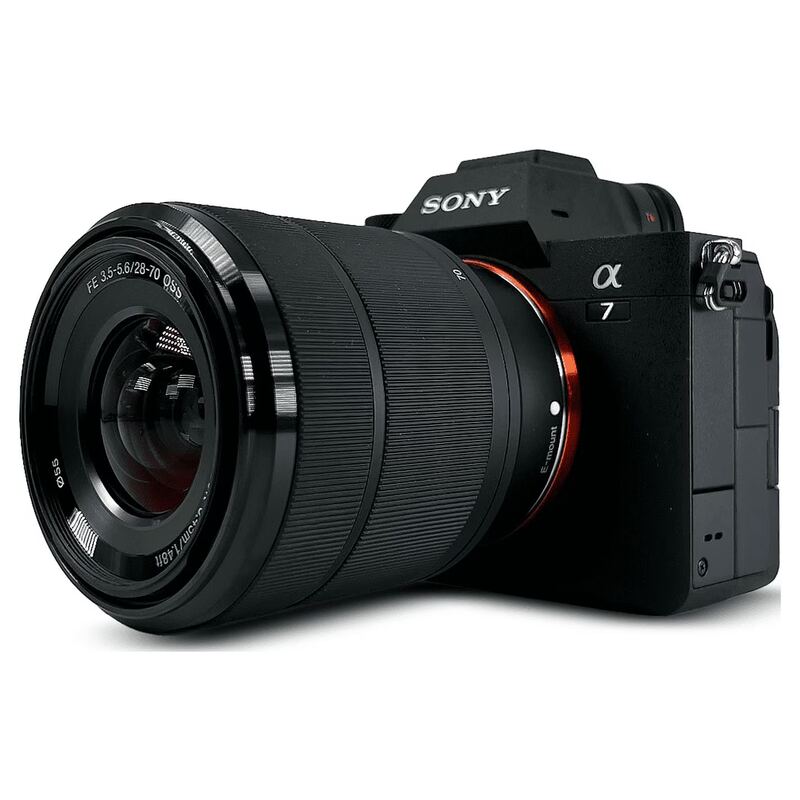
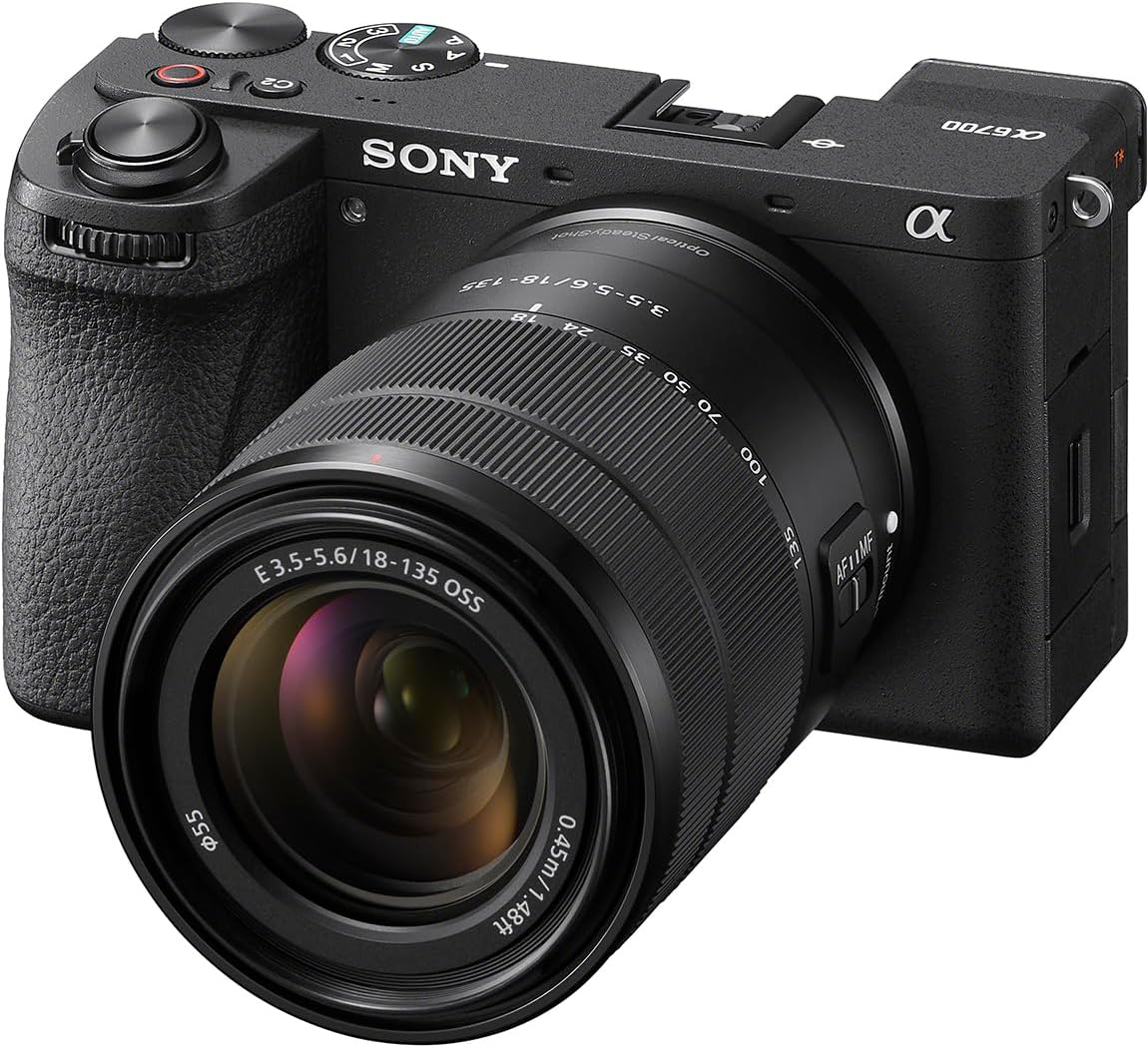
The Sony α6700 is a high-end APS-C mirrorless camera with a 26MP BSI CMOS sensor and Bionz XR processor that includes dedicated AI processing. Reviews highlight its improved video, including 4K/60p recording and 10-bit color depth, plus an upgraded 3" fully articulating LCD. It keeps the 11 fps shooting rate but drops the focus point joystick, which some users find limiting for manual control. Handling and weather sealing earn praise; the single card slot is the notable drawback for professional use. Enthusiasts who want advanced video and image quality in a compact form factor are the fit.
Full review
Hardware and Sensor
The Sony α6700 introduces a 26MP BSI CMOS sensor that shares similarities with the one found in Sony's FX30 cinema camera, according to dpreview.com. This sensor delivers ISO performance ranging from 100 to 32,000 with expandable range up to 102,400. The sensor's capabilities include 11fps shooting with either mechanical or electronic shutter, though the rolling shutter effect was noted as significant when shooting Raw files at around 64ms per frame, compared to 25ms in JPEG-only mode. The sensor features 759 AF points covering 93% of the image area, a substantial improvement over the previous generation's 425 points covering 84%.
According to RTINGS.com, the α6700's sensor is paired with the new Bionz XR processor and a dedicated AI Processing Engine, which significantly enhances autofocus tracking capabilities. This processor combination also enables lossless Raw compression, 10-bit video recording, and improved menu systems. The camera supports 4K/60p video from full sensor width and 120p from a 1.58x cropped region, with 10-bit precision and 4:2:2 color sampling. The inclusion of the AI processor allows for advanced subject recognition and auto-framing features similar to those found in the ZV-E1 full-frame camera.
Fstoppers.com reviewer Ondřej Vachek noted that the sensor performs well in low-light conditions, with usable images up to ISO 6,400, though color artifacts and distracting noise appear at ISO 12,800. The camera's handling is described as comfortable with a large, deep grip, though some users found the low height of the camera awkward for extended use, particularly when the pinky needs to be positioned underneath the body. The α6700 also features weather-sealing, which extends shooting options for many photographers, though it only includes a single SD card slot, which some reviewers found concerning for professional use.
Full-width 4K/60p and 120p with a 1.58x crop
DPReview notes that the camera supports 4K/60p from full sensor width and 120p from a 1.58x cropped region, with 10-bit precision and 4:2:2 color sampling. The camera offers multiple video codecs including XAVC HS (H.265), XAVC-I (All-I H.264), and basic XAVC-S (Long GOP H.264), with All-I options reaching up to 600Mbps. The α6700 also supports S-Cinetone, S-Log3, and HLG profiles, along with uploadable LUTs for color grading.
RTINGS.com highlights that the α6700 features a fully articulating rear LCD panel, which supports enhanced video capabilities. The camera includes vlog-friendly modes with large on-screen buttons and 'Auto Framing' modes that can punch-in on recognized subject types and follow them around. These features are designed for use with wide-angle compositions and tripod mounting. The camera also supports UVC/UAC streaming up to 4K/30, making it suitable for live streaming and video conferencing applications.
Amateur Photographer's Andy Westlake praised the α6700's 4K video recording capabilities, noting that it can record at 120fps, which is particularly useful for slow-motion effects. However, he noted that the camera's video features are not entirely unique, as many of these capabilities have been seen in other high-end cameras. The α6700 also supports HEIF format for still images, including HLG HDR stills, and offers a range of video recording options that make it suitable for both amateur and professional video creators.
Autofocus and Tracking
The α6700's autofocus system is powered by a dedicated AI processor and features 759 AF points covering 93% of the image area, a significant upgrade from the previous generation. According to dpreview.com, this system supports subject recognition and tracking for humans, animals, birds, vehicles, trains, airplanes, and insects. The camera can recognize subjects and track them even when they turn around, maintaining focus until the eyes are visible again. However, the system's performance is not flawless, as noted by Fstoppers reviewer Ondřej Vachek, who mentioned that it can struggle to refocus when subjects move too far into the bokeh.
The α6700's AF system is described as one of the best on the market by several reviewers, but it's not without limitations. Thephoblographer.com reviewer Chris Gampat noted that while the AF system works brilliantly when it functions correctly, it's not an 'all-saving, all-knowing, and all-seeing AI miracle' as Sony claims. The system's effectiveness is also dependent on the lens used, with some reviewers noting that slower lenses can cause issues with fast-moving subjects. The α6700 also features full-time direct manual focus, allowing users to override the autofocus when desired.
The α6700's AF system is reliable enough for most users, but it lacks a dedicated focus point joystick, which can make photographing certain subjects more difficult. The camera's AF button on the back is described as large and easy to use, but some users may find the lack of a joystick limiting for precise focus adjustments. The camera's subject recognition system is powered by Sony's AI processor, which can recognize multiple subject types but requires manual selection of the subject type, with no auto option available.
First a6x00 with a second front command dial
The α6700 features a rangefinder-style design with a low-profile, boxy body and prominent handgrip, similar to previous Sony APS-C models. However, it introduces a second command dial on the front of the camera, making it the first in the a6x00 series to allow control with both forefinger and thumb, according to dpreview.com. This change brings the camera in line with Sony's a7 series and other premium cameras. The camera also features a fully articulating LCD screen, which improves vertical shooting comfort and allows the screen to be hidden when not in use.
Amateur Photographer's Andy Westlake noted that while the α6700 feels like a premium camera in the hand, it begins to fall short in terms of tactile experience. The buttons on the back of the camera feel like 'airy excuses for a tactile experience,' likened to pressing a crosswalk button made of plastic instead of metal. The camera's build quality is described as weather-resistant, though not waterproof, which expands shooting options for many photographers. The α6700's design also includes a large, deep grip that provides a solid hold, though some users found the low height of the camera awkward for extended use.
Thephoblographer.com reviewer Chris Gampat noted that the α6700 feels like a premium camera in the hand but is not particularly innovative in terms of design. He suggested that Sony could have made the camera more stand-out by including features like a larger viewfinder with more resolution and magnification, similar to the a7 IV. The camera's controls are described as feeling 'impeccable' by Amateur Photographer, though the lack of a joystick for focus point adjustment is noted as a limitation for some users.
Lossless raw compression arrives via the new processor
The α6700's interface and menu system have been significantly improved with the new Bionz XR processor and AI Processing Engine, according to dpreview.com. The camera now offers a more intuitive menu system and supports lossless Raw compression, 10-bit video recording, and other advanced features. The camera also features a 3-inch, 1.040k-dot fully articulated touchscreen LCD, which is an improvement over the previous generation's 3-inch, 920k-dot screen. The new LCD screen supports both portrait and landscape orientations, making it more versatile for different shooting scenarios.
Fstoppers.com reviewer Ondřej Vachek noted that the camera's handling is comfortable, with a large, deep grip that provides a solid hold. However, he also pointed out that the camera's ergonomics are slightly improved with the inclusion of the front roller, which allows for three quick adjustments of exposure settings. The camera also features a weather-sealed body, which expands shooting options for many photographers.
Thephoblographer.com reviewer Chris Gampat noted that while the α6700 is a good camera, it feels like it's living in the shadow of Sony's higher-end full-frame cameras. He suggested that the camera could have been more innovative by including features like dual card slots, which are standard on competing cameras like Canon and Fujifilm models. The camera's interface is described as user-friendly, but some features like the lack of a dedicated AF-area controller and the removal of the shutter-down option when the camera is powered off are noted as drawbacks.
Performance and Limitations
The α6700 pairs a 26MP BSI CMOS sensor with the Bionz XR processor. According to dpreview.com, the camera can shoot at 11fps with either mechanical or electronic shutter, though the rolling shutter effect is significant in Raw mode. The camera's high ISO performance is described as good, with usable images up to ISO 6,400, though color artifacts and distracting noise appear at higher ISO values.
RTINGS.com's review noted that while the α6700 is a capable camera, it lacks some features that would make it more competitive. The camera's single card slot is noted as a concern for professional users who require backup options. The camera's video features are impressive, but the lack of a dedicated AF-area controller and the removal of the shutter-down option when the camera is powered off are seen as drawbacks. The camera's performance in low-light conditions is described as good, though not exceptional, with some reviewers noting that the camera's AF system can struggle with fast-moving subjects.
Thephoblographer.com reviewer Chris Gampat noted that the α6700 is a good camera but feels like it's living in the shadow of Sony's higher-end full-frame cameras. He suggested that the camera could have been more innovative by including features like dual card slots, which are standard on competing cameras. The camera's performance is described as solid, but it's not particularly groundbreaking. The camera's AF system is reliable but not perfect, and the lack of a joystick for focus point adjustment is seen as a limitation for some users. The camera's single card slot is also noted as a concern for professional users.
Feels built more for photographers than videographers
The α6700 is best suited for enthusiasts who want a highly specified camera that's more portable and affordable than a full-frame equivalent, according to Amateur Photographer. It's particularly appealing to photographers who value high-resolution images, advanced autofocus capabilities, and video features. The camera's weather-sealing and dual card slot (in some models) make it suitable for outdoor and professional use. However, it's not ideal for users who require a dedicated AF-area controller or those who prioritize portability over features.
Thephoblographer.com reviewer Chris Gampat suggests that the α6700 is best for users who want a camera that works mostly to satisfy photographers rather than videographers. He notes that the camera's performance is solid but not particularly groundbreaking, and it's not the innovation that Sony's fans might expect. The camera is suitable for users who value high-resolution images and advanced features, but it's not ideal for those who need a camera with a dedicated AF-area controller or dual card slots.
According to dpreview.com, the α6700 is designed for users who want a camera with a 26MP BSI CMOS sensor, advanced autofocus capabilities, and video features. It's particularly suitable for users who want a camera that's more portable and affordable than a full-frame equivalent.
Value and Competition
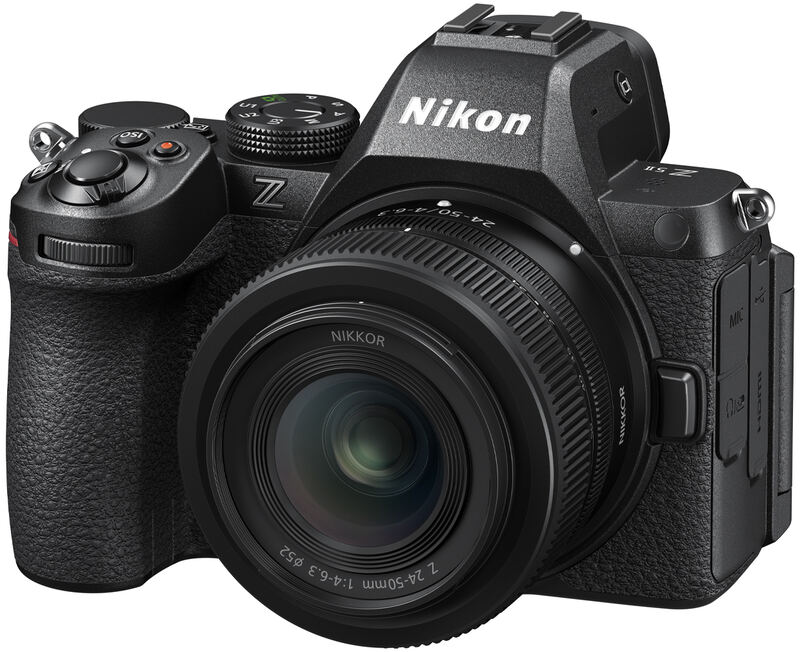
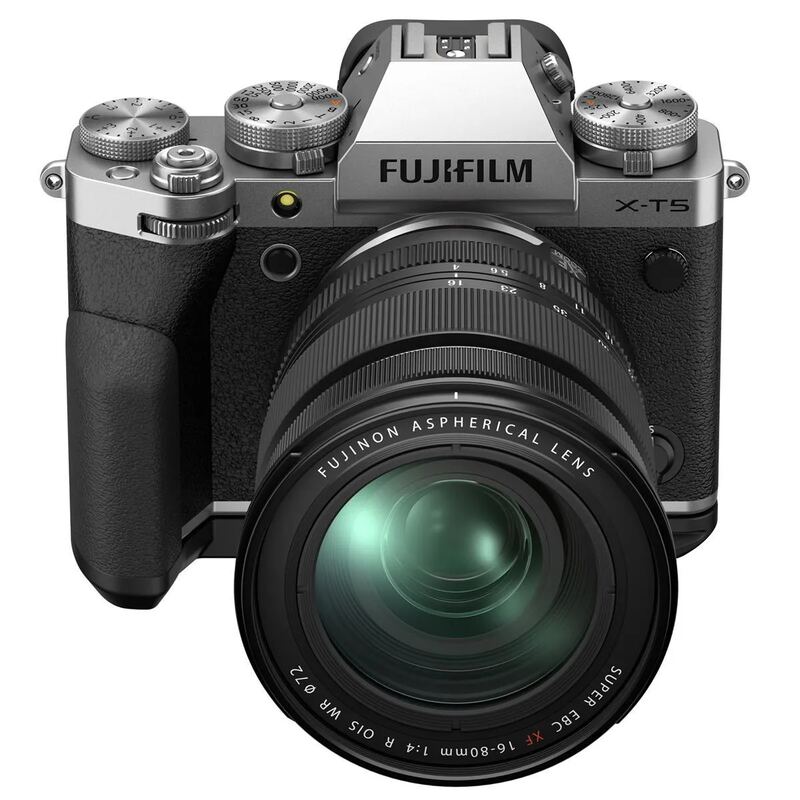
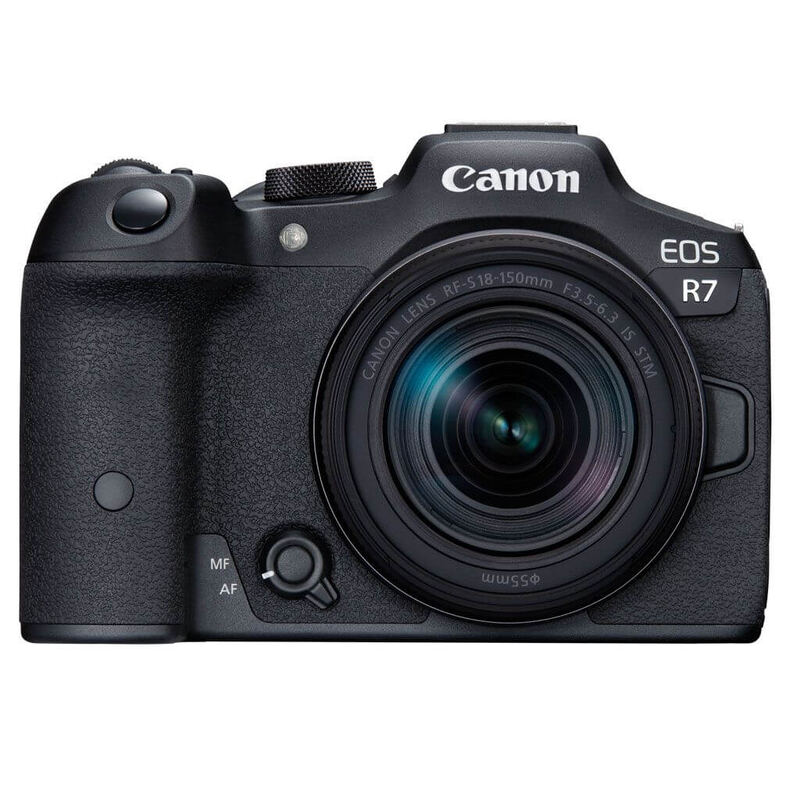
The α6700 is priced at $1,398 body-only, $1,498 with the 16-50mm F3.5-5.6 OSS power zoom, or $1,799 with the 18-135mm F3.5-5.6 OSS, according to dpreview.com. This pricing puts it in direct competition with other high-end APS-C cameras like the Fujifilm X-T5 and Canon EOS R7. The camera's value proposition is strong due to its advanced features, including 26MP sensor, 11fps shooting, and 4K video capabilities. However, some reviewers noted that it lacks certain features that would make it more competitive, such as dual card slots and a dedicated AF-area controller.
Fstoppers.com reviewer Ondřej Vachek noted that while the α6700 performs well, there are some features that would elevate it to a different level. The camera's pricing is competitive, but it's not necessarily the most innovative camera in its class. The camera's features are impressive, but they're not unique, and some reviewers noted that the lack of dual card slots and a dedicated AF-area controller are significant drawbacks. The camera's value is strong for users who want a camera with advanced features, but it's not necessarily the best value for users who need dual card slots.
Amateur Photographer's Andy Westlake noted that the α6700 is Sony's best APS-C camera to date with superb image quality and features, but it's not matched by some aspects of its design for the user experience. The camera's value is strong due to its advanced features, but it's not necessarily the most innovative camera in its class.
Strengths
- +26MP BSI CMOS sensor with 93% AF coverage
- +11 fps shooting with mechanical or electronic shutter
- +Full-articulated 3" LCD with 1.04M dot resolution
- +10-bit video with 4:2:2 color sampling capability
Watch-outs
- −No focus point joystick for manual AF point selection
- −Single SD card slot lacking backup option
How it compares
The Sony α6700 surpasses the Canon EOS R50 in video features with 10-bit color depth and 4K/60p recording, but unlike the Fujifilm X-T5, it lacks the higher frame rate and in-body stabilization. Compared to the Sony α6400, it has a more advanced processor and better video specs, though it lacks the 425 AF points and 11 fps shooting rate.
Rating sources
Counts as 3.50/5 in our score — this publisher's 15 scores on the site average 3.50, so its scores are adjusted up to compare fairly with other publishers.
Counts as 4.16/5 in our score — this publisher's 181 scores on the site average 4.00, so its scores are adjusted up to compare fairly with other publishers.
Counts as 4.30/5 in our score — this publisher's 14 scores on the site average 4.30, so its scores are adjusted down to compare fairly with other publishers.
“The Sony a6700 is the latest enthusiast-level APS-C mirrorless camera from Sony. It uses a 26MP BSI CMOS sensor with image stabilization, with a comprehensive set of stills and video features.”
“The a6700 is the latest mirrorless camera released by Sony set to sit on top of their APS-C lineup. And many features would suggest so. The relatively compact body is powered by the decently performing 26-megapixel BSI CMOS sensor we've already had a taste of in the recently released FX30 camera.”
Not in the average — we derived this score from the review's words, and a publisher printed a score for this product, so the printed number counts instead.
Counts as 4.33/5 in our score — this publisher's 87 scores on the site average 3.98, so its scores are adjusted up to compare fairly with other publishers.
Counts as 4.22/5 in our score — this publisher's 16 scores on the site average 4.53, so its scores are adjusted down to compare fairly with other publishers.
“Without doubt, the Alpha 6700 is Sony's best APS-C camera to date with superb image quality and features.”
Our 4.1 score is the average of 5 of the scored reviews above, each adjusted for how strictly its publisher scores. 1 derived score above is not in the average because a publisher printed a score for this product. Ratings marked * were derived from the reviewer’s written analysis or video transcript — the publisher didn’t print an explicit numeric score, so we inferred one from their own words. Click through to verify. More about methodology.