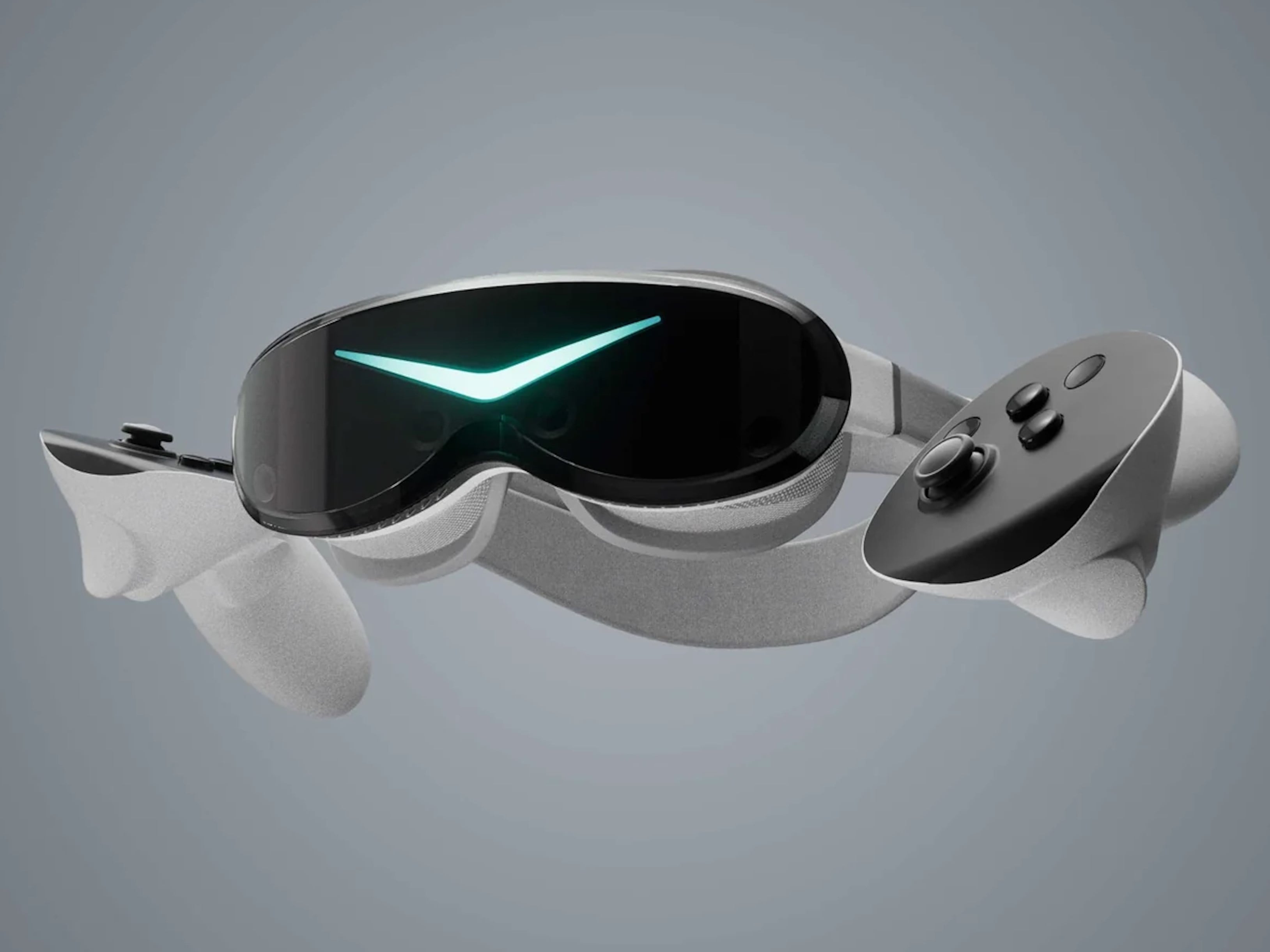
The Pimax Dream Air dramatically reduces weight to under 170g and delivers exceptional visual clarity via Sony micro-OLED panels at 3840 x 3552 pixels per eye. Tom's Guide found that integrated Tobii eye tracking enables Dynamic Foveated Rendering, which helps maintain performance on recommended RTX 3080 or RTX 4070 GPUs despite the high pixel count. However, Gamesradar reported that the stock headstrap and face gasket can cause discomfort and significant light leakage if not adjusted properly. The headset is ideal for users prioritizing visual fidelity and low weight who have powerful hardware, but those seeking a wider field of view or plug-and-play comfort should look elsewhere.
Full review
Weight reduction from Crystal Light to under 170g
The Pimax Dream Air represents a radical departure in physical design, shedding the bulk that characterized previous generations of the brand. Simracingcockpit.gg noted that unboxing the device felt like handling a completely different beast compared to the heavy Crystal and Crystal Super models, describing it as so small that it initially drew laughter from reviewers accustomed to Pimax's traditional form factor. The headset weighs under 170g for the unit itself, a dramatic reduction from the 815 grams of the Crystal Light.
Tom's Guide highlighted this weight distribution as a primary breakthrough, noting that playing for over 100 hours on such a light PCVR headset eliminated the neck strain typically associated with high-resolution VR. The reduction in mass allows users to focus entirely on the visual fidelity without fighting against gravity or strap tension. While previous models required significant counterweights and complex harnesses to manage their heft, the Dream Air relies on its minimal footprint to stay secure, making it one of the most comfortable PCVR headsets available despite its high-end internal components.
Sony micro-OLED resolution delivers 3840 x 3552 per eye
Visual clarity is defined by the Sony micro-OLED panels, which provide a staggering resolution of 3840 x 3552 pixels per eye. Simracingcockpit.gg described this as the best picture they had ever raced with, emphasizing that the contrast and sharpness are immediately apparent even in fast-paced environments.
Gamesradar observed that while the visual fidelity is among the best available today, it comes at a steep performance cost. The sheer pixel count demands immense processing power to drive smooth frame rates. When the system performs correctly, Gamesradar noted it feels like one of the best VR experiences they have ever had on their face. However, maintaining stable framerates requires careful optimization, as the hardware struggles to push those millions of pixels without significant graphical compromises or dynamic resolution scaling.
Tobii eye tracking enables dynamic foveated rendering
To mitigate the heavy GPU load required by the high-resolution displays, Pimax integrated Tobii eye tracking directly into the headset. This hardware component drives Dynamic Foveated Rendering (DFR), a technique that renders the area where the user is looking at full resolution while reducing detail in the peripheral vision. Tom's Guide confirmed that this integration allows for significant performance gains without sacrificing perceived image quality, as the human eye only processes high-detail information in the direct line of sight.
The presence of DFR makes the Dream Air viable on more modest hardware configurations than raw pixel count might suggest. The eye tracking ensures that even users with slightly older GPUs can achieve playable frame rates by offloading rendering work from the center of vision to the edges. This technology bridges the gap between extreme visual fidelity and practical hardware limitations.
110-degree horizontal field of view limits immersion
The optical system utilizes Pimax ConcaveView pancake lenses to deliver an approximate 110-degree horizontal field of view. While this is a respectable figure, it falls short of the ultra-wide immersion offered by competitors like the Bigscreen Beyond or older Pimax models that pushed past 140 degrees. Simracingcockpit.gg pointed out that for sim racing enthusiasts, the trimmed FOV is less critical than visual clarity and weight, but it remains a noticeable constraint in other genres where peripheral awareness enhances presence.
The vertical field of view sits even tighter than the horizontal measurement, creating a slightly constrained window into virtual worlds. Tom's Guide noted that despite the high resolution, the narrower FOV can make the experience feel more like looking through a high-definition monitor rather than stepping inside a world. This design choice likely contributes to the headset's compact form factor and reduced weight, but it sacrifices the enveloping sensation that defines premium VR for many users.
Stock headstrap causes discomfort and light leakage
Despite the lightweight chassis, the stock headstrap and face gasket design have drawn consistent criticism regarding comfort. Gamesradar reported that the face gasket does not fit all faces properly, particularly around the nose and below the eyes, leading to significant light leakage during dark scenes. This gap allows ambient room light to bleed into the display, washing out blacks and reducing contrast in games with high dynamic range.
The strap configuration also fails to distribute weight evenly for some users, creating pressure points that become painful after an hour of use. Simracingcockpit.gg stated they would change the stock headstrap on day one, opting instead for third-party alternatives like the Pimax DMAS hardstrap upgrade which provides better stability and comfort. Without these aftermarket modifications, the Dream Air risks becoming uncomfortable during long sessions, undermining its otherwise excellent ergonomic weight reduction.
First-boot firmware updates delay initial setup
New users often encounter a frustrating initialization process due to aggressive first-run firmware updates. Simracingcockpit.gg described the power button sitting on a red light that ignores user input until the headset completes its background download and restart cycle. This behavior is not immediately intuitive, leading many to believe the device is broken when it simply needs time to update its internal software.
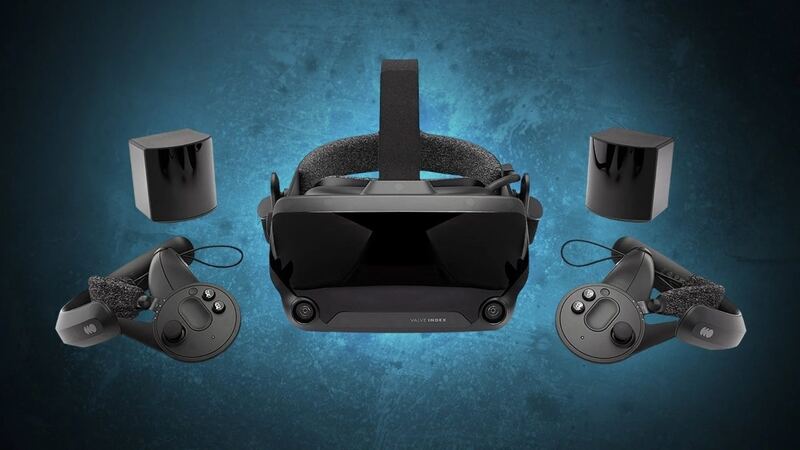
The fix requires letting the firmware update run fully, restarting the unit, and then unplugging and reinserting the USB cable even if Pimax Play does not explicitly prompt for this step. Matteo311 noted that 90 to 95 percent of the old Pimax headache is gone with modern software, but this initial boot ritual remains a persistent quirk. Once past this hurdle, setup becomes straightforward, requiring only SteamVR base stations or onboard SLAM cameras depending on the edition purchased.
GPU requirements demand RTX 3080 or higher
Driving the dual micro-OLED panels at playable framerates requires a high-end graphics card. Gamesradar emphasized that the performance demands are steep, making this headset unsuitable for users with mid-range GPUs who might expect to run modern titles at high settings.
The combination of 3840 x 3552 resolution per eye and a target refresh rate of 90Hz places immense strain on the GPU's rasterization capabilities. Even with Dynamic Foveated Rendering enabled, users may need to lower graphical fidelity in demanding scenes to maintain stability. This hardware requirement significantly raises the entry cost for the Dream Air, as buyers must factor in not just the headset price but also a powerful PC capable of handling the load.
Strengths
- +Weighs under 170g, making it significantly lighter than previous Pimax models and competitors like the Bigscreen Beyond.
- +Features Sony micro-OLED panels with a resolution of 3840 x 3552 pixels per eye for exceptional visual clarity.
- +Includes integrated Tobii eye tracking that drives dynamic foveated rendering to optimize performance.
- +Uses Pimax ConcaveView pancake lenses to deliver an approximately 110-degree horizontal field of view.
Watch-outs
- −Requires a high-end GPU, with Pimax recommending at least an RTX 3080 or RTX 4070 for optimal performance.
- −The stock headstrap and face gasket design can cause discomfort or light leakage if not adjusted properly.
How it compares
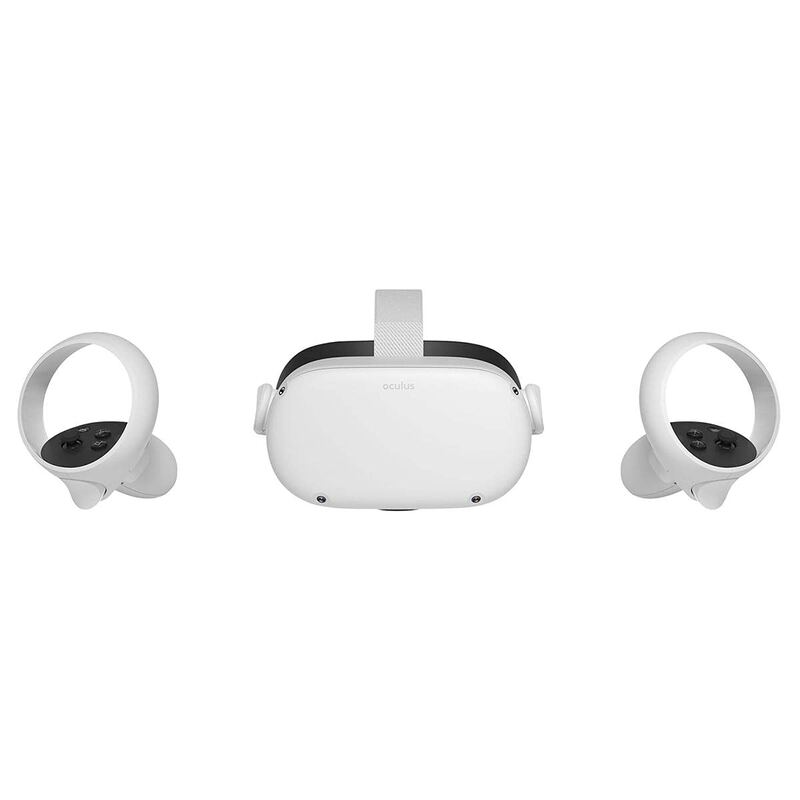
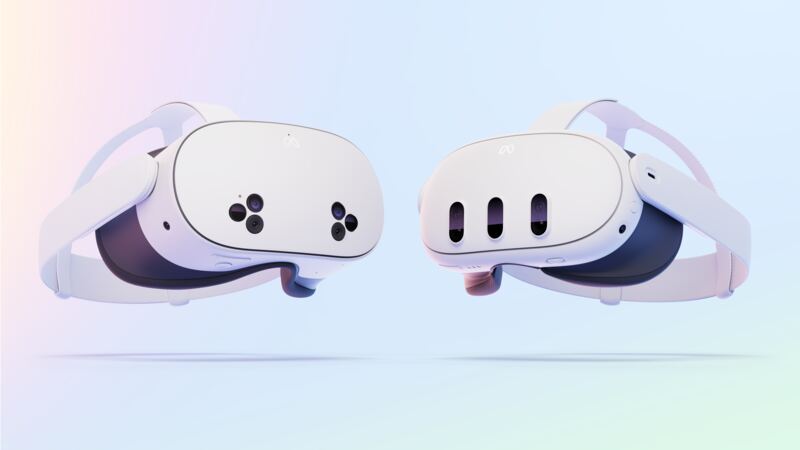
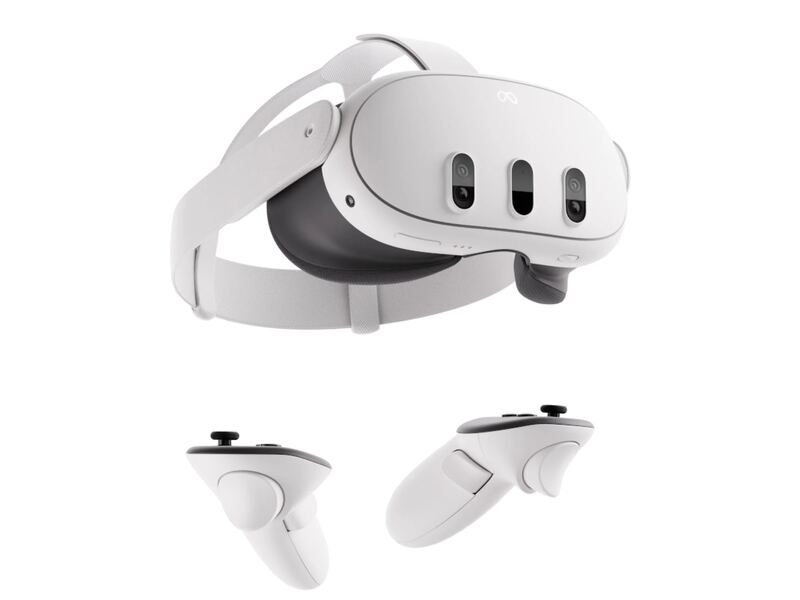
The Pimax Dream Air delivers exceptional visual clarity with Sony micro-OLED panels that far exceed the resolution of the Meta Quest 3S. It is significantly lighter than previous models, though it requires a high-end GPU unlike the standalone Meta Quest 2.
Rating sources
Counts as 4.02/5 in our score — this publisher's 156 scores on the site average 4.15, so its scores are adjusted up to compare fairly with other publishers.
Counts as 3.66/5 in our score — this publisher's 16 scores on the site average 4.35, so its scores are adjusted down to compare fairly with other publishers.
Counts as 3.58/5 in our score — this publisher's 4 scores on the site average 4.00, so its scores are adjusted up to compare fairly with other publishers.
Our 3.8 score is the average of the 3 scored reviews above, each adjusted for how strictly its publisher scores; 5 more reviewed it without printing a score and are not in the average. More about methodology.