Verdict
Head-to-head · Best VR Headsets

Pimax Dream Air vs Valve Index

Which is the better buy? Side-by-side on rating, price, strengths, and watch-outs — with the published ratings we averaged to get there.

Verdict is reader-supported. As an Amazon Associate we earn from qualifying purchases. Some links on this page are affiliate links — if you click through and buy, we may earn a small commission at no extra cost to you. Our ratings are sourced from independent publications, not sponsors.
The short answer

Valve Index comes out ahead by a clear margin (4.3 vs 3.8). Valve Index is best for: Dedicated PC VR enthusiasts who value tracking precision. Read the strengths below before deciding.

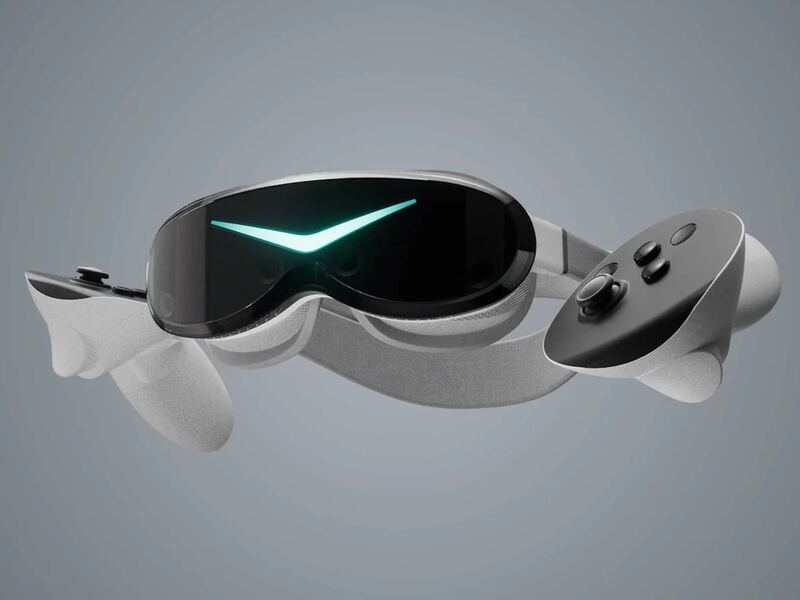
Pimax Dream Air
Ranked #6 in Best VR Headsets
Pimax Dream Air
3 sources

The Pimax Dream Air dramatically reduces weight to under 170g and delivers exceptional visual clarity via Sony micro-OLED panels at 3840 x 3552 pixels per eye. Tom's Guide found that integrated Tobii eye tracking enables Dynamic Foveated Rendering, which helps maintain performance on recommended RTX 3080 or RTX 4070 GPUs despite the high pixel count. However, Gamesradar reported that the stock headstrap and face gasket can cause discomfort and significant light leakage if not adjusted properly. The headset is ideal for users prioritizing visual fidelity and low weight who have powerful hardware, but those seeking a wider field of view or plug-and-play comfort should look elsewhere.

Strengths
  • — Weighs under 170g, making it significantly lighter than previous Pimax models and competitors like the Bigscreen Beyond.
  • — Features Sony micro-OLED panels with a resolution of 3840 x 3552 pixels per eye for exceptional visual clarity.
  • — Includes integrated Tobii eye tracking that drives dynamic foveated rendering to optimize performance.
Watch-outs
  • — Requires a high-end GPU, with Pimax recommending at least an RTX 3080 or RTX 4070 for optimal performance.
  • — The stock headstrap and face gasket design can cause discomfort or light leakage if not adjusted properly.
Valve Index
Higher ratedRanked #4 in Best VR Headsets
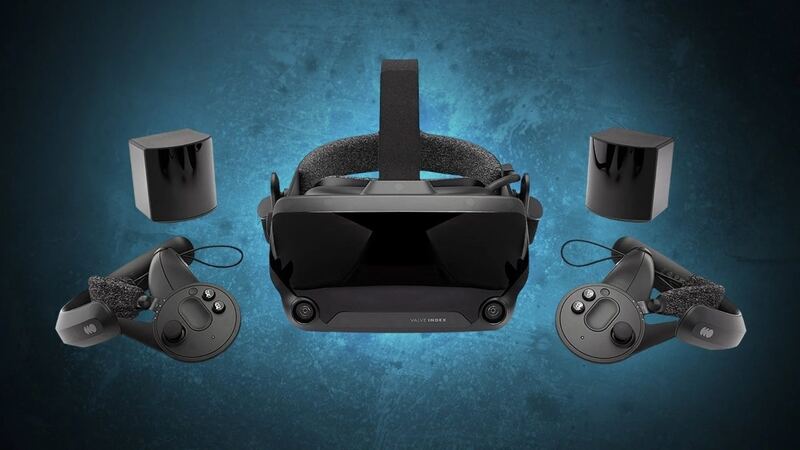
Valve Index
5 sources$1,849.99as of Nov 1

Laptop Mag found the display to be sharp and smooth, supporting refresh rates up to 144 Hz that reduce motion sickness, while Space reported the headset is highly comfortable with a configurable design suitable for long sessions. The Knuckles controllers offer finger tracking that reviewers described as feeling natural for picking things up, though Thevirtualreviewer noted that the 1440 x 1600 resolution per eye is outdated and can show a screen-door effect in modern comparisons. Laptop Mag criticized the lack of customizable safety barriers compared to competitors like Oculus or Vive, which limits physical awareness during intense gameplay. This premium hardware suits dedicated PC VR enthusiasts who value tracking precision and comfort, but budget-conscious buyers should look elsewhere due to the high cost.

Strengths
  • — Laptop Mag found the display to be sharp and smooth, supporting refresh rates up to 144 Hz.
  • — The Valve Index controllers (Knuckles) offer finger tracking that reviewers described as feeling natural for picking things up.
  • — Space reported the headset is highly comfortable with a configurable design suitable for long sessions.
Watch-outs
  • — Laptop Mag criticized the lack of customizable safety barriers compared to competitors like Oculus or Vive.
  • — Thevirtualreviewer noted that the 1440 x 1600 resolution per eye is outdated and can show a screen-door effect in modern comparisons.

How they stack up

Pimax Dream Air

The Pimax Dream Air delivers exceptional visual clarity with Sony micro-OLED panels that far exceed the resolution of the Meta Quest 3S. It is significantly lighter than previous models, though it requires a high-end GPU unlike the standalone Meta Quest 2.

Valve Index

It supports higher refresh rates up to 144 Hz compared to the HTC Vive Pro 2's 120Hz, though its resolution per eye is lower.

Specs side-by-side

SpecPimax Dream AirValve Index
Resolution Per Eye3840 x 3552 pixelsDual 1440 x 1600 LCD
Refresh Rate72Hz / 90HzUp to 144 Hz
Display TypeSony Micro-OLEDLCD
Field Of View~110 degrees horizontal~108 degrees
Tracking TypeSLAM tracking or Base Station ecosystemSteamVR 2.0 Lighthouse base stations
Resolution7680 x 3552—
Display Resolution23 million pixels total—
Dimensions6.7"D x 3.5"W x 6.7"H24"D x 17"W x 9"H
← See the full ranking of best vr headsets