Verdict
Head-to-head · Best VR Headsets

Meta Quest 2 vs Pimax Dream Air

Which is the better buy? Side-by-side on rating, price, strengths, and watch-outs — with the published ratings we averaged to get there.

Verdict is reader-supported. As an Amazon Associate we earn from qualifying purchases. Some links on this page are affiliate links — if you click through and buy, we may earn a small commission at no extra cost to you. Our ratings are sourced from independent publications, not sponsors.
The short answer

Meta Quest 2 comes out ahead by a clear margin (4.6 vs 3.8). Meta Quest 2 is best for: Casual gamers seeking low-barrier entry into VR. Read the strengths below before deciding.

Meta Quest 2
Higher ratedRanked #1 in Best VR Headsets
Meta Quest 2
3 sources

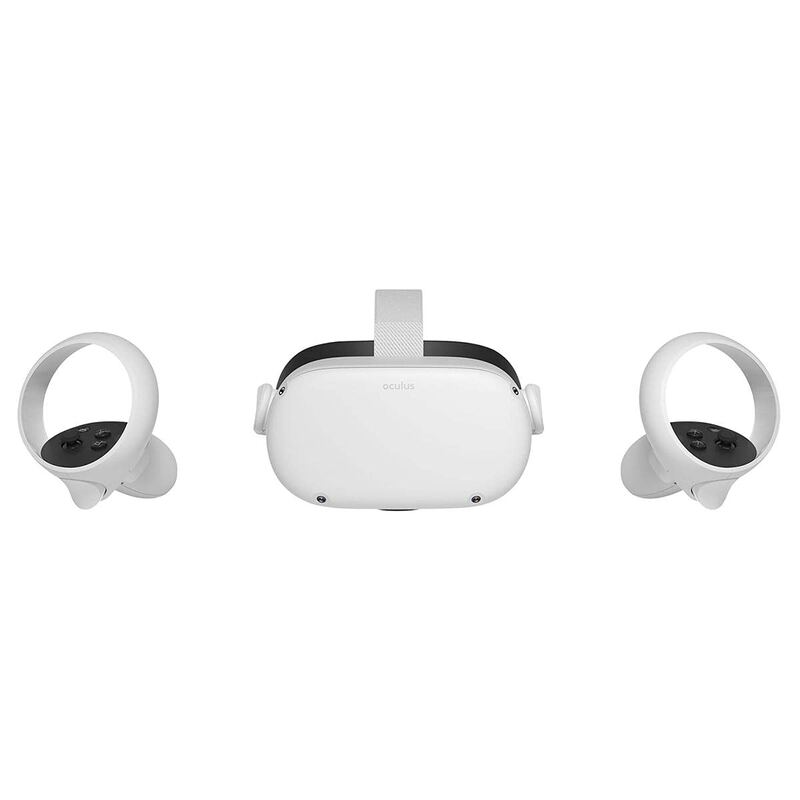
The Meta Quest 2 offers a wireless standalone experience that eliminates the need for an external gaming PC or console, making virtual reality accessible to a broader audience without expensive hardware investments. Trusted Reviews found this design strikes a balance between accessibility and performance, while WIRED reported that the headset is smaller, lighter, and less front-heavy than its predecessor despite higher-resolution displays. However, battery life remains short during extended use sessions, requiring users to plan around charging cycles, and pupil distance adjustment requires removing the headset from your face to change settings. This product fits casual gamers seeking a low-barrier entry into VR with a massive library of games, but those prioritizing long uninterrupted playtime or convenient on-the-fly fit adjustments should look elsewhere.
Strengths
  • — Wireless standalone design removes the need for a gaming PC or console to function.
  • — Improved screen resolution and lighter, less front-heavy build compared to its predecessor.
  • — Massive library of games with support for both wireless play and wired PCVR via Oculus Link.
Watch-outs
  • — Battery life remains short during extended use sessions.
  • — Pupil distance adjustment requires removing the headset from your face to change settings.
Pimax Dream Air
Ranked #6 in Best VR Headsets
Pimax Dream Air
3 sources

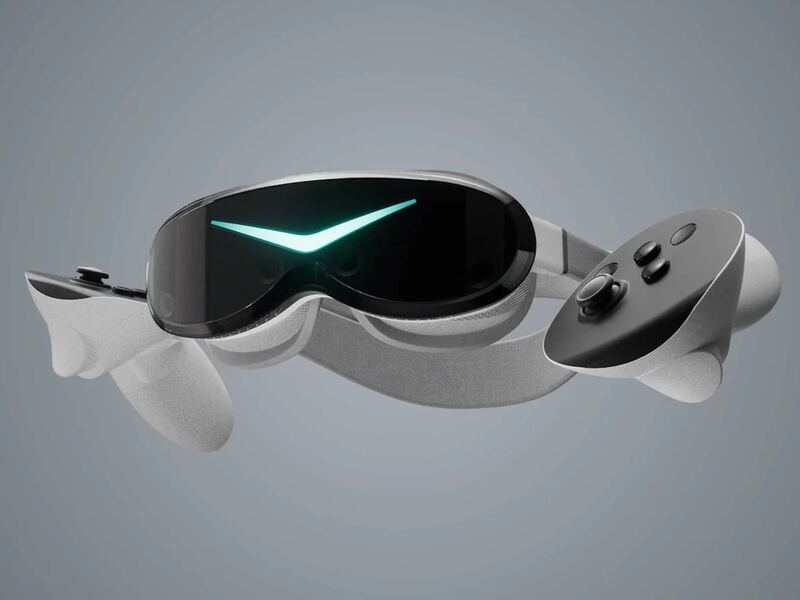
The Pimax Dream Air dramatically reduces weight to under 170g and delivers exceptional visual clarity via Sony micro-OLED panels at 3840 x 3552 pixels per eye. Tom's Guide found that integrated Tobii eye tracking enables Dynamic Foveated Rendering, which helps maintain performance on recommended RTX 3080 or RTX 4070 GPUs despite the high pixel count. However, Gamesradar reported that the stock headstrap and face gasket can cause discomfort and significant light leakage if not adjusted properly. The headset is ideal for users prioritizing visual fidelity and low weight who have powerful hardware, but those seeking a wider field of view or plug-and-play comfort should look elsewhere.

Strengths
  • — Weighs under 170g, making it significantly lighter than previous Pimax models and competitors like the Bigscreen Beyond.
  • — Features Sony micro-OLED panels with a resolution of 3840 x 3552 pixels per eye for exceptional visual clarity.
  • — Includes integrated Tobii eye tracking that drives dynamic foveated rendering to optimize performance.
Watch-outs
  • — Requires a high-end GPU, with Pimax recommending at least an RTX 3080 or RTX 4070 for optimal performance.
  • — The stock headstrap and face gasket design can cause discomfort or light leakage if not adjusted properly.

How they stack up

Meta Quest 2

While it has lower resolution per eye than the Pimax Dream Air, its massive game library makes it more versatile for casual gamers.

Pimax Dream Air

The Pimax Dream Air delivers exceptional visual clarity with Sony micro-OLED panels that far exceed the resolution of the Meta Quest 3S. It is significantly lighter than previous models, though it requires a high-end GPU unlike the standalone Meta Quest 2.

Specs side-by-side

SpecMeta Quest 2Pimax Dream Air
Resolution Per Eye1832 x 19203840 x 3552 pixels
Refresh Rate72 - 120 Hz72Hz / 90Hz
Display TypeRGB LCDSony Micro-OLED
Tracking TypeInside-out trackingSLAM tracking or Base Station ecosystem
Field Of View110 degrees horizontal~110 degrees horizontal
Display Resolution2412x2288 pixels per eye23 million pixels total
Dimensions10.24"D x 7.36"W x 4.96"H6.7"D x 3.5"W x 6.7"H
Resolution1832 x 19207680 x 3552
← See the full ranking of best vr headsets