IGN found the Meta Quest 3S to be a cost-effective entry point into mixed reality that retains the high-performance Snapdragon XR2 Gen2 platform of its premium sibling. Club386 noted that while it utilizes older Fresnel lenses, the headset still supports up to 120Hz refresh rates and offers comparable performance across applications. Tom's Hardware highlighted the device as a compelling upgrade for users moving from the Quest 2 due to its inclusion of color passthrough technology at a lower price point. This model is best suited for new VR adopters or budget-conscious consumers who prioritize processing power over optical sharpness.
Full review
Fresnel lenses limit sweet spot and field of vision
Pk.ign.com found that the Meta Quest 3S uses Fresnel lenses identical to those on the older Quest 2, which directly results in a smaller visual sweet spot and a narrower field of view compared to the pancake lens design found on the standard Quest 3. The per-eye resolution sits at 1832 x 1920 pixels with a refresh rate supporting up to 120Hz, but the optical trade-off means that users must hold their head relatively still to maintain image clarity across the entire display area.
While this specification remains sufficient for virtual reality immersion, it falls short of the wider perspective offered by pancake lens alternatives. The visual compromise is a deliberate cost-saving measure that allows Meta to maintain the same high-end processing power while lowering the retail price point.
IPD adjustment range restricts users with extreme prescriptions
Pk.ign.com reported that the Quest 3S features a fixed interpupillary distance (IPD) range of 58mm to 68mm, which is significantly narrower than the 53mm to 75mm adjustment range available on the standard Quest 3. This limitation means that individuals with an IPD outside this specific window will experience persistent blurriness or eye strain because the headset cannot physically align the lenses correctly for their eyes.
The restricted IPD range creates a frustrating user experience for those who fall just outside the acceptable parameters, as they are forced to endure suboptimal visual clarity despite owning a high-performance processor. This hardware constraint highlights that while the internal components are modern, the physical ergonomics retain legacy limitations from previous generations.
XR2 Gen 2 delivers standard performance across all modes
Club386.com confirmed that the Meta Quest 3S is equipped with the same Snapdragon XR2 Gen 2 processor and 8GB of RAM as its more expensive sibling. This shared silicon ensures that mixed reality applications, gaming fidelity, and system responsiveness remain identical to the flagship model, effectively removing performance anxiety for buyers concerned about longevity or capability.
Tom's Hardware noted that this hardware parity allows the Quest 3S to deliver most of the same thrills as the standard Quest 3. The processing power is more than adequate to drive the mixed reality passthrough features and high-refresh-rate gaming without bottlenecking, proving that the cost reduction was achieved strictly through optical and structural changes rather than computational downgrades.
Battery life extends beyond two hours during heavy usage
Pk.ign.com clocked a battery runtime of more than two hours while displaying VR, AR, and MR content through the 1832 x 1920 Fresnel lenses powered by the Snapdragon XR2 Gen 2 platform.
The extended runtime is particularly beneficial for demanding mixed reality applications like PianoVision and Vermillion, which typically drain power quickly. While the Quest 3S boasts a slightly smaller battery capacity on paper compared to the standard Quest 3, the lower resolution of the Fresnel lenses likely reduces the graphical load, resulting in comparable real-world endurance that satisfies most casual gaming sessions.
Design changes and audio connectivity require workarounds
Pk.ign.com observed that the Quest 3S lacks an auxiliary headphone jack, forcing users to rely exclusively on Bluetooth or USB-C connections for audio output. This omission requires players to use wireless headsets like the Arctis Nova 7 or wired USB-C alternatives, which may introduce latency depending on the specific hardware used.
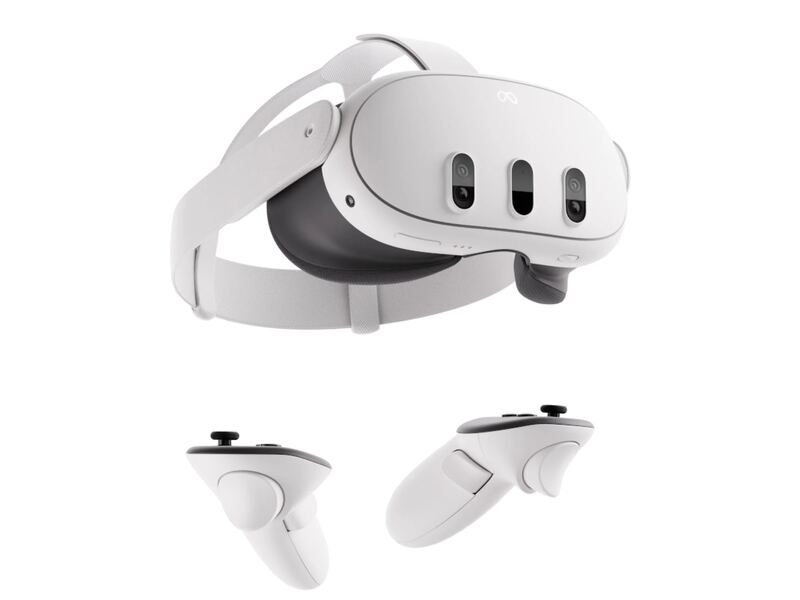
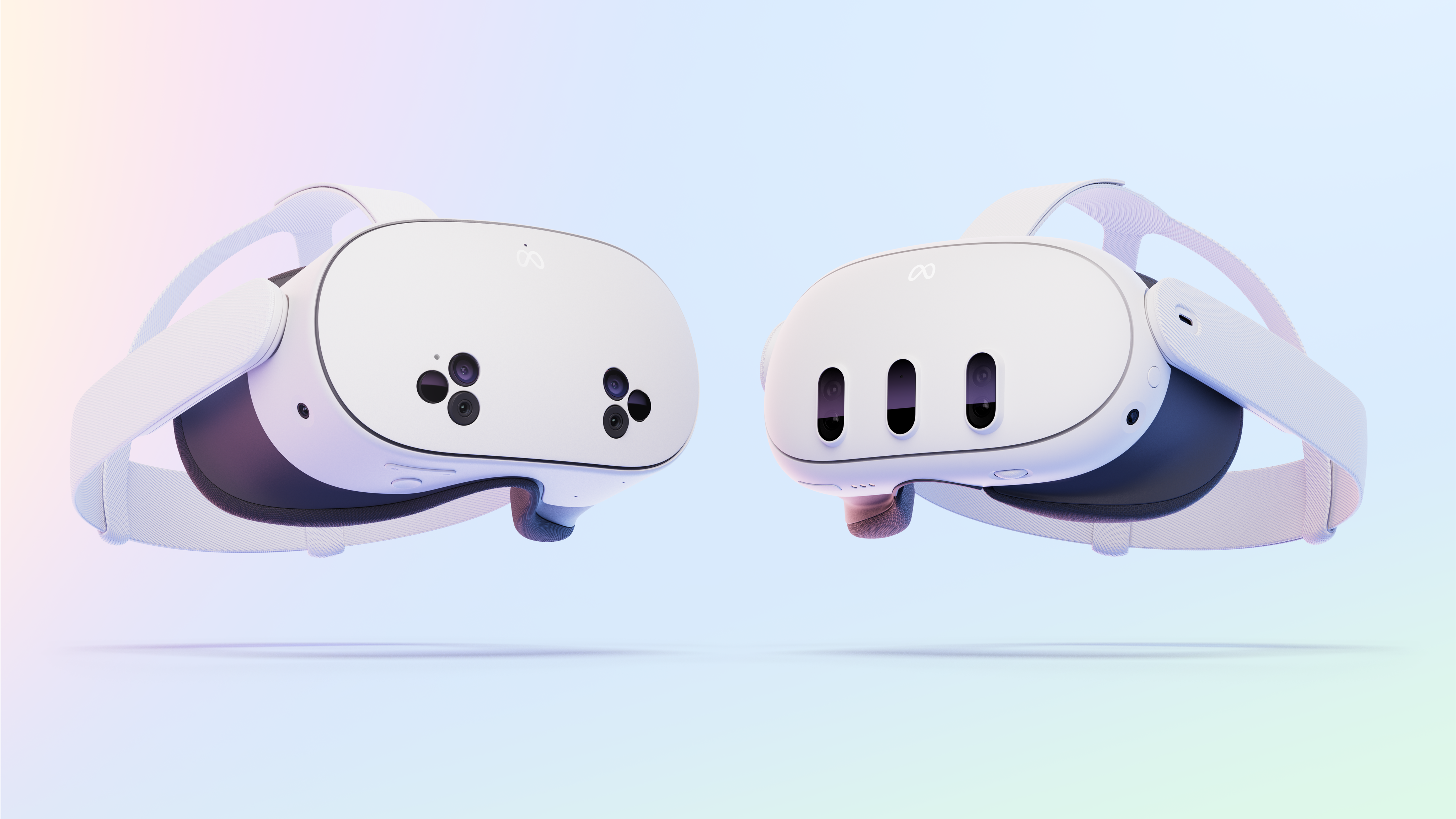
The physical design places two clusters of three sensors on the left and right sides of the visor for passthrough tracking, differing from the vertical column layout of other models. Users may find the standard fabric strap insufficient for active play, often necessitating third-party elite-style straps to prevent the device from loosening during movement.
Strengths
- +Priced at $299.99 for a significant discount compared to the standard Quest 3 model.
- +Features the same Snapdragon XR2 Gen2 processor and 8GB of RAM as the more expensive Quest 3.
- +Includes full-color passthrough cameras and tracking sensors for mixed reality applications.
- +Delivers battery life exceeding two hours during heavy VR, AR, and MR usage.
Watch-outs
- −Uses Fresnel lenses which result in a smaller sweet spot and narrower field of vision compared to pancake lens models.
- −Limited IPD adjustment range restricted between 58mm and 68mm with only three fixed modes.
- −Lacks an auxiliary headphone jack, requiring reliance on Bluetooth or USB-C audio.
How it compares
The Meta Quest 3S offers a significant discount compared to the Meta Quest 3 while retaining the same Snapdragon XR2 Gen2 processor and full-color passthrough capabilities.
Rating sources
Counts as 4.68/5 in our score — this publisher's 95 scores on the site average 3.98, so its scores are adjusted up to compare fairly with other publishers.
Our 4.6 score is the average of the 2 scored reviews above, each adjusted for how strictly its publisher scores; 2 more reviewed it without printing a score and are not in the average. More about methodology.