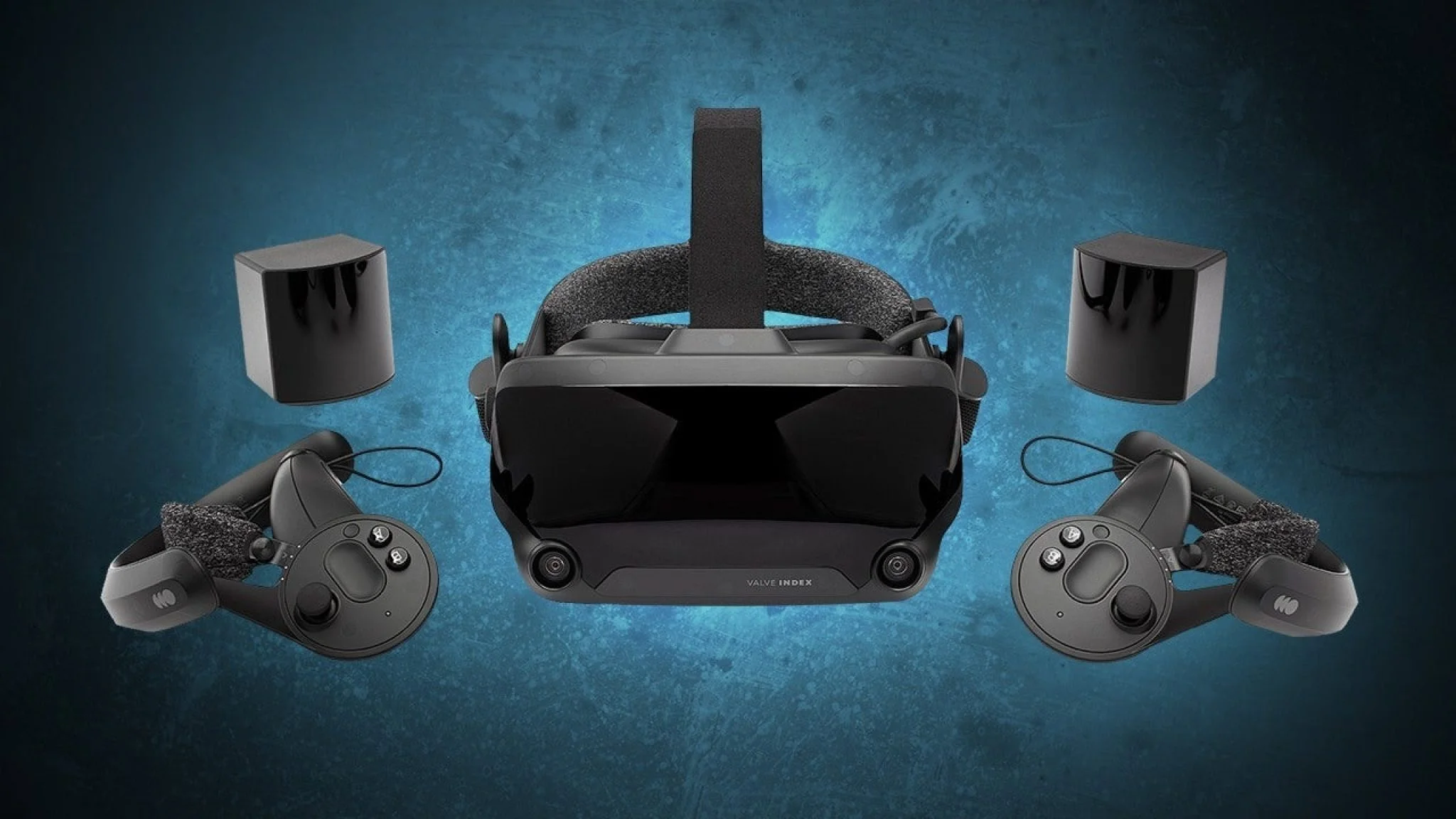
Laptop Mag found the display to be sharp and smooth, supporting refresh rates up to 144 Hz that reduce motion sickness, while Space reported the headset is highly comfortable with a configurable design suitable for long sessions. The Knuckles controllers offer finger tracking that reviewers described as feeling natural for picking things up, though Thevirtualreviewer noted that the 1440 x 1600 resolution per eye is outdated and can show a screen-door effect in modern comparisons. Laptop Mag criticized the lack of customizable safety barriers compared to competitors like Oculus or Vive, which limits physical awareness during intense gameplay. This premium hardware suits dedicated PC VR enthusiasts who value tracking precision and comfort, but budget-conscious buyers should look elsewhere due to the high cost.
Full review
144 Hz refresh rate eliminates VR motion sickness
The Valve Index delivers a visual experience defined by extreme smoothness, driven by its dual 1440 x 1600 LCD panels that support refresh rates up to 144 Hz. This high frame rate capability is the primary factor in reducing motion sickness for many users, as it cuts down on the queasy feeling associated with early VR hardware. Laptop Mag found this display to be sharp and smooth, noting that running at 120 Hz or even 144 Hz made motion feel exceptionally fluid compared to standard 90 Hz headsets.
The visual fidelity extends beyond just frame rate, as the headset utilizes dual-element canted Fresnel lenses to provide a field of view of approximately 108 degrees. This wide viewing angle helps immerse users in virtual environments without excessive peripheral distortion. However, Thevirtualreviewer noted that while this resolution was excellent when the device launched in 2019, it now shows its age compared to modern panels. Text can appear soft and some users may notice a screen-door effect in high-contrast scenes that newer headsets have largely eliminated.
Knuckles controllers enable natural hand interaction
The Index Knuckles controllers represent a significant departure from traditional trigger-only VR inputs by strapping directly to the user's hands. This design allows for actual finger tracking, enabling users to open their palms and interact with virtual objects in a way that feels intuitive rather than artificial. Thevirtualreviewer emphasized that picking things up and letting go feels natural because the hardware tracks individual fingers rather than just grip pressure.
This level of interaction is particularly valuable for sim racing, rhythm games like Beat Saber, and competitive shooters where precise hand gestures matter. Tom's Hardware highlighted these controllers as a major strength, describing them as feeling amazing during use. The physical strap design ensures the controllers remain secure even during vigorous movements, making them one of the most respected input devices in the PC VR ecosystem.
Off-ear speakers provide open and roomy audio
Instead of clamping headphones onto the user's ears, the Valve Index floats small speakers just off the ear canal. This near-field audio design creates an open and roomy soundscape that avoids the pressure and heat buildup common with traditional VR headsets. Space reported that this audio configuration is genuinely comfortable for long gaming sessions, allowing users to hear their virtual environment clearly while remaining aware of their physical surroundings.
The speakers feature vertical and pivot movements on the sides of the headset, which helps position them correctly relative to different ear shapes. However, Laptop Mag noted that these speakers are slightly smaller than those found on competing headsets like the Vive Cosmos. While this size difference does not drastically impact audio quality for most users, it means the soundstage may feel less expansive compared to larger dedicated VR headphones.
Lighthouse tracking requires precise base station setup
The Valve Index relies on external SteamVR 2.0 Lighthouse base stations that sweep the room with lasers to track head and controller position. This approach is known for its rock-solid precision, bringing a taste of operator-grade arena tracking into home environments. Thevirtualreviewer noted that this setup is ideal for users who want absolute accuracy in sim racing or competitive shooters where even minor tracking drift can ruin immersion.
However, this reliance on external hardware makes the Index significantly more complex to set up than standalone headsets. Users must mount two base stations in opposite corners of their play area and ensure they have a clear line of sight across the entire room. This tethered requirement means the headset needs a capable gaming PC, a long cable running from the headset to the computer, and dedicated space for the base station mounts.
Configurable design accommodates various face shapes
Comfort is a major selling point of the Valve Index, with a configurable design that allows users to fine-tune the fit. The headset features an interpupillary distance slider on the underside of the faceplate to adjust lens spacing horizontally, and an eye relief knob on the right side to adjust lens depth. Laptop Mag described the Index as arguably the most comfortable VR headset available, praising its sleek glossy black plate that is magnetic and removable for easy cleaning.
Internally, a magnetic cushion surrounds the lenses while two rubber pieces act as nose supports to prevent contact with the face. This thoughtful design ensures long sessions remain comfortable without pressure points around the eyes or cheeks. The 16.4-foot cable provides enough slack for most living room setups, though it still requires careful management to avoid tripping hazards during active gameplay.
Missing safety barriers limit physical awareness
Despite its premium hardware, the Valve Index lacks a customizable safety barrier system that competitors like Oculus and Vive offer. Laptop Mag criticized this omission heavily, noting that users cannot define a virtual boundary to warn them when approaching walls or furniture. This absence is particularly problematic for users with limited play space who rely on software warnings to prevent collisions.
The headset does include basic tracking capabilities through SteamVR Home and social features, but these do not replace the need for physical awareness during intense gameplay. Without a customizable boundary system, users must manually ensure their play area is clear before starting sessions, which adds friction to the experience compared to headsets that actively prevent accidental collisions.
price tag excludes budget-conscious buyers
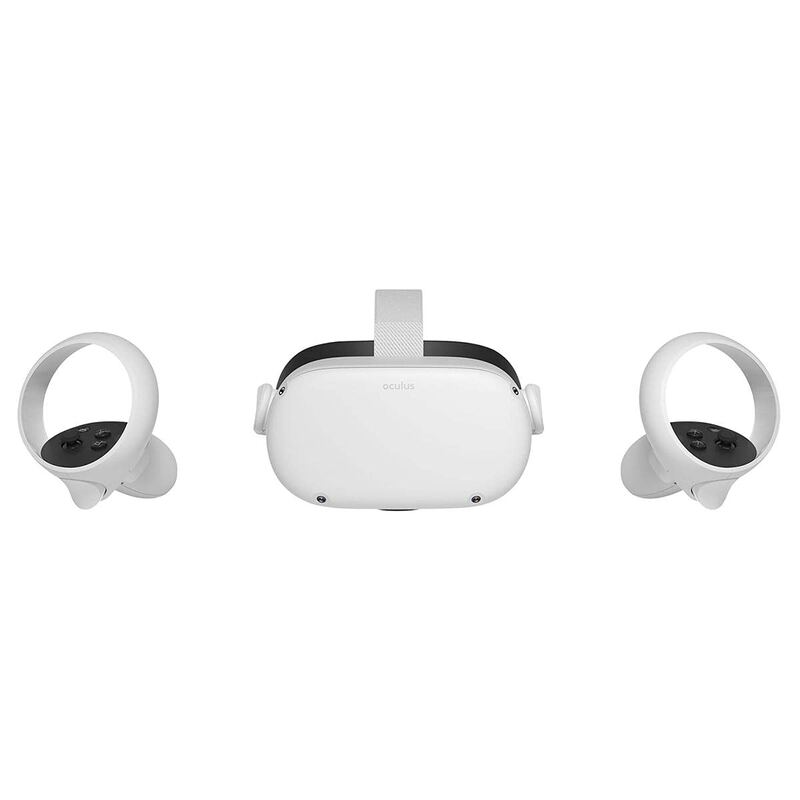
The full Valve Index VR Kit bundle costs $999 and includes the headset, two Knuckles controllers, and two Lighthouse base stations. Laptop Mag described this price as ridiculous when compared to competitors like the Vive Cosmos at $699 or the Oculus Rift S at $399. The high cost is justified by premium hardware quality but places it out of reach for casual gamers or those new to virtual reality.
Additional costs can accumulate quickly if users need to purchase components separately. Base stations cost $149 each and are compatible with other Vive headsets as well. Store.steampowered.com notes that orders for these bundles can take two to eight weeks to ship depending on availability, further complicating purchases for eager buyers.
Discontinued status affects long-term viability
Thevirtualreviewer noted that finding new bundles at full price is becoming increasingly difficult as retailers clear remaining stock. This discontinuation creates a strange spot for potential buyers who must weigh current hardware quality against future support and ecosystem direction.
The upcoming Steam Frame will feature higher resolution displays at 2160 x 2160 per eye, wireless connectivity via a streaming stick, and inside-out tracking that eliminates the need for base stations. However, it drops lighthouse tracking entirely, meaning existing Index owners cannot carry forward their base station investments to the new system. This transition forces users to decide whether to buy into a legacy ecosystem or wait for a successor with different technical requirements.
Strengths
- +Laptop Mag found the display to be sharp and smooth, supporting refresh rates up to 144 Hz.
- +The Valve Index controllers (Knuckles) offer finger tracking that reviewers described as feeling natural for picking things up.
- +Space reported the headset is highly comfortable with a configurable design suitable for long sessions.
Watch-outs
- −Laptop Mag criticized the lack of customizable safety barriers compared to competitors like Oculus or Vive.
- −Thevirtualreviewer noted that the 1440 x 1600 resolution per eye is outdated and can show a screen-door effect in modern comparisons.
How it compares
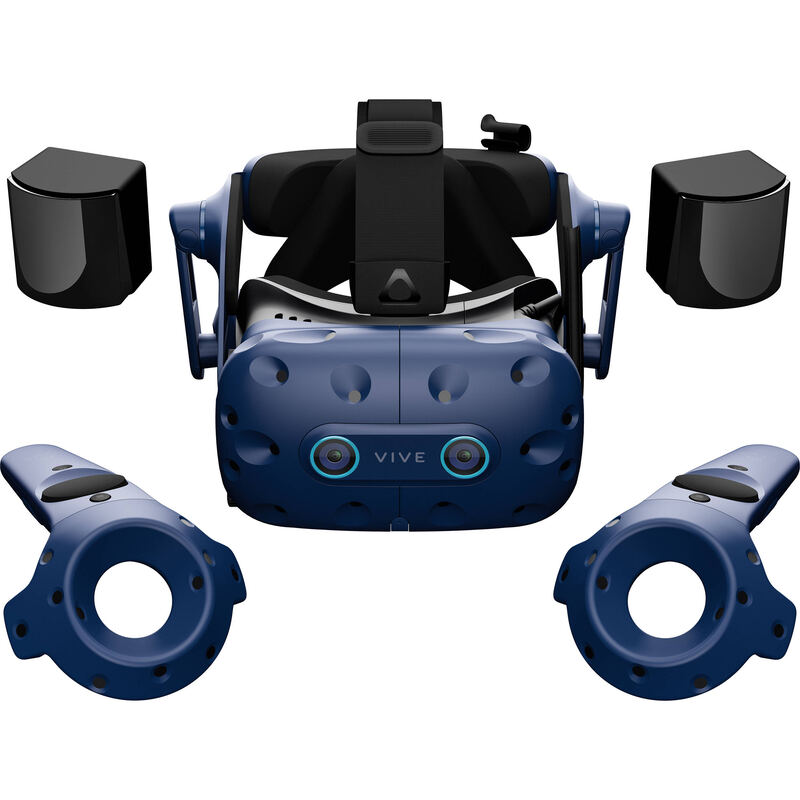
It supports higher refresh rates up to 144 Hz compared to the HTC Vive Pro 2's 120Hz, though its resolution per eye is lower.
Rating sources
Counts as 4.16/5 in our score — this publisher's 16 scores on the site average 4.35, so its scores are adjusted down to compare fairly with other publishers.
Counts as 3.70/5 in our score — this publisher's 15 scores on the site average 3.90, so its scores are adjusted up to compare fairly with other publishers.
Counts as 3.92/5 in our score — this publisher's 195 scores on the site average 4.25, so its scores are adjusted down to compare fairly with other publishers.
Counts as 4.98/5 in our score — this publisher's 5 scores on the site average 4.20, so its scores are adjusted down to compare fairly with other publishers.
Counts as 4.68/5 in our score — this publisher's 95 scores on the site average 3.98, so its scores are adjusted up to compare fairly with other publishers.
Our 4.3 score is the average of the 5 scored reviews above, each adjusted for how strictly its publisher scores; 2 more reviewed it without printing a score and are not in the average. More about methodology.