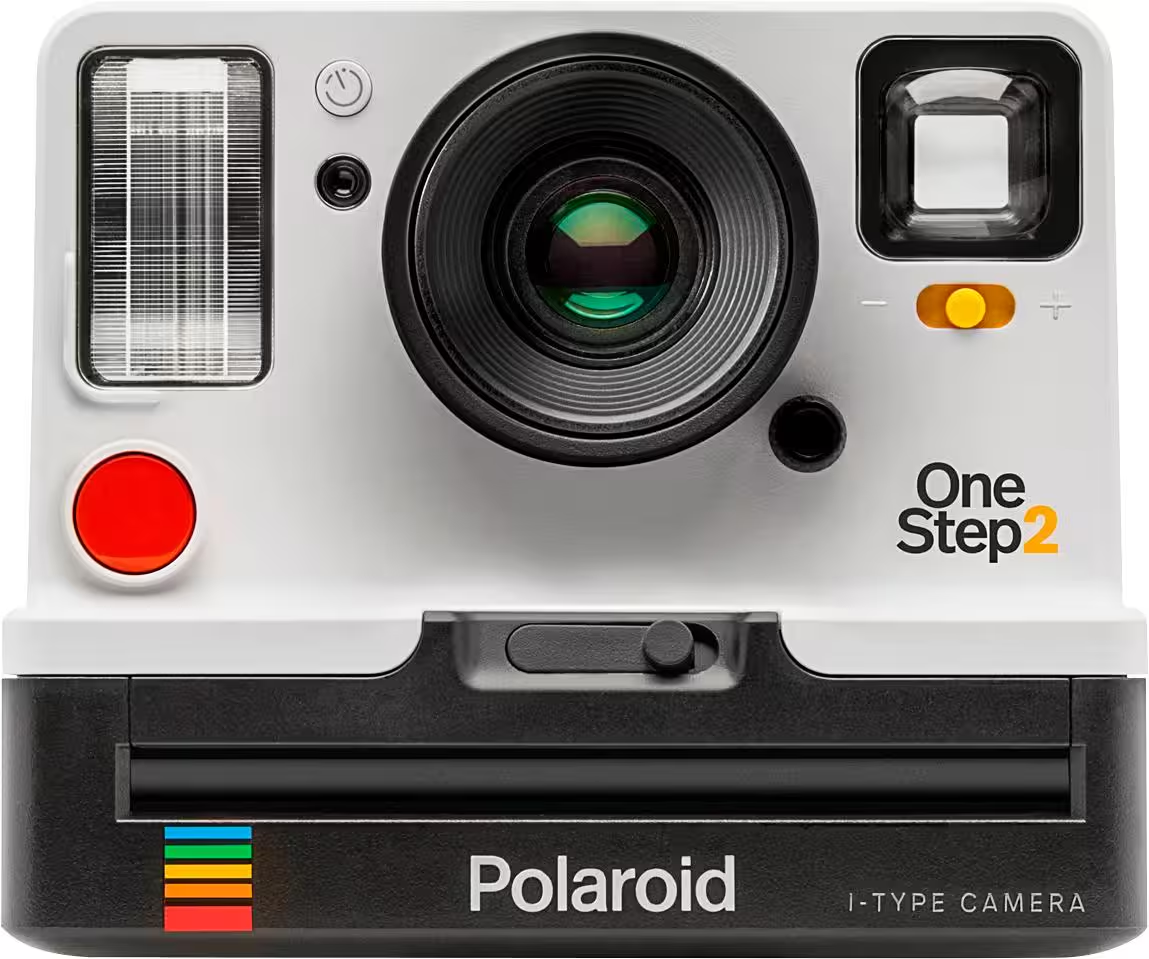
The Polaroid OneStep 2 brings back the classic instant camera format with modern parts: a built-in lithium battery that makes film packs cheaper, and a bright built-in flash you can override. Reviewers found the light meter accurate and the camera comfortable to hold, but several were annoyed by the missing viewfinder tube and having to press an eye right up against the viewfinder. The included strap gets called poor quality. Anyone who wants a traditional instant camera experience with a few modern conveniences will like it, while those who want a better viewfinder should look elsewhere.
Full review
Built-in lithium battery replaces the film-pack battery
The Polaroid OneStep 2 represents a modern reimagining of the classic 1977 OneStep camera, maintaining the iconic aesthetic while incorporating contemporary features. According to Joseph Saunders from joseph-saunders.com, the camera features a 'built-in lithium-battery' that makes the film packs cheaper since they no longer need to contain a battery themselves. The build quality is described as 'well made' with a 'plastic but durable' construction that holds up well to rough handling, as noted by Kathleen Frank from shootitwithfilm.com. Keith Wee from keithwee.com describes it as 'sturdy and well made' with 'some heft to it and feels quite good in the hand.' However, the camera's ergonomics have received mixed reviews, with Dan Finnen from danfinnen.com noting that while it's 'noticeably cheaper in materials and feel than the I-1,' it still looks great and maintains the nostalgic appeal of the original.
Camera Performance and Features
The OneStep 2 incorporates several modern conveniences while maintaining the simplicity that made the original popular. The camera features a built-in flash that is 'pretty good and bright' and includes an override button that must be pressed simultaneously with the shutter button, as described by Joseph Saunders. Keith Wee wrote of the same flash, 'It helps immensely if shooting indoors,' and Dan Finnen noted that 'the flash fires by default' but requires 'holding it down while youre shooting' for the override function. The self-timer is an 8-second timer, 'an 8-second timer that has a blinking LED light right under the self-timer button,' according to Joseph Saunders. The camera also includes a light meter that 'does a very good job and doesn't get very fooled too often,' and a 'lighten/darken wheel' for exposure compensation, which Dan Finnen described as 'basically your exposure compensation switch.'
Film Compatibility and Quality
The Polaroid OneStep 2 supports both vintage 600 film and the newer i-Type film formats, with the latter being 'slightly cheaper than the 600 films due to that the 600 cartridges comes with a built-in battery for the older Polaroid bodies,' according to Keith Wee. The i-Type film is described as 'slightly more vibrant' than 600 type prints, with 'details are captured and overall the prints look sharper too,' as noted by Keith Wee. Joseph Saunders mentioned that the camera has a 'built-in lithium-battery' that allows for about '20 packs of film' on a full charge, and Kathleen Frank reported that 'the charge also lasts an incredibly long time' with Polaroid Originals claiming it will last through '15-20 packs of film.' However, the film quality varies based on lighting conditions and the user's exposure compensation settings. Dan Finnen noted that 'exposure works fine on the OneStep 2' but 'doesn't seem any smarter or dumber than Polaroid cameras from decades past,' and that 'if you have a subject on a dark background, the camera might blow it out trying to expose for the background.'
User Experience and Handling
User experience with the OneStep 2 varies significantly based on familiarity with instant cameras. Joseph Saunders noted that 'the handling of the camera is almost the same as any other 600 cameras that Polaroid has made' and that 'I think the main thing that I am glad they thought about is the flash override.' However, he also mentioned that 'the viewfinder of this camera is very different from any box style camera Polaroid has produced' and that 'At first, I thought it wasn't that big of a deal but after using it for a few months I have noticed it being kind of an annoyance.' The viewfinder requires users to 'put your eye very close to the viewfinder to get a full view of the frame' and 'you end up tilting the camera a tad back and you change your framing.' Dan Finnen described the camera as 'super simple to use' with 'a no-fuss, simplified focus' and 'the biggest advantage of the OneStep 2 for newbies and those who just want to take a picture without all the fuss and stress.' The camera's simplicity is contrasted with more advanced cameras like the Impulse AF, which Dan Finnen noted 'are far superior' for those who want better picture quality. Kathleen Frank emphasized that 'the battery light is on the back of the camera by the charging port' and that 'the light is almost impossible to see when your outside in full sun,' which makes it 'almost impossible to see when your outside in full sun.'
Can shoot vintage Polaroid 600 film
Reviewers consistently praised the camera's nostalgic design and ease of use. Joseph Saunders from joseph-saunders.com expressed excitement about the camera's return, calling it 'a great step to know that Polaroid was here to stay' and noting that 'I absolutely d' like to see the OneStep 2 as a camera that 'serves as a low cost, easy to use, modern camera for those wanting to shoot Polaroid.' Keith Wee from keithwee.com appreciated the 'eye-catchingly colourful' design and noted that 'the attraction of instant film has always been its spontaneity, the hard to predict results, the feeling of holding a print made by oneself and most of all, how simple the whole system can be so that it is accessible to everyone who just aims to get a bit of fun from photography.' The camera's ability to 'shoot vintage Polaroid 600 if you happen to have it lying around, and it can use Polaroid Originals film for 600' was also noted as a positive feature by Dan Finnen. Kathleen Frank from shootitwithfilm.com appreciated the 'modern enough for newcomers to love, and it has plenty of nostalgia to keep old film heads like me happy.'
Flash fires by default unless you hold the override
Several reviewers noted significant drawbacks to the OneStep 2. Joseph Saunders from joseph-saunders.com criticized the 'viewfinder of this camera is very different from any box style camera Polaroid has produced' and noted that 'At first, I thought it wasn't that big of a deal but after using it for a few months I have noticed it being kind of an annoyance.' The 'viewfinder requires users to 'put your eye very close to the viewfinder to get a full view of the frame' and 'you end up tilting the camera a tad back and you change your framing.' Dan Finnen from danfinnen.com noted that 'the flash fires by default' and that 'the flash override button is on the back of the camera by the charging port' and that 'you need to hold it down while youre shooting' which he found 'both a pain to remember and a pain to hold while shooting.' The camera's 'fixed focus lens' was also criticized as 'not nearly as sharp as the I-1 or autofocus Polaroid cameras like the Impulse AF,' according to Dan Finnen. Kathleen Frank from shootitwithfilm.com noted that 'the battery light is on the back of the camera by the charging port' and that 'the light is almost impossible to see when your outside in full sun,' making it 'almost impossible to see when your outside in full sun.' Additionally, the 'Polaroid Originals film is expensive' according to Digital Camera World, with the film priced around 'SGD3.50 to SGD4 per piece.'
Good for beginners, not those with an Impulse AF
The Polaroid OneStep 2 is best suited for beginners and those seeking a simple, nostalgic instant photography experience. Dan Finnen from danfinnen.com recommended it for 'beginner camera, but if you've already invested in a more advanced camera like the Impulse AF, SLR 680, or even the Impossible I-1, feel free to skip it.' Joseph Saunders from joseph-saunders.com noted that 'I think the main thing that I am glad they thought about is the flash override' and that 'the handling of the camera is almost the same as any other 600 cameras that Polaroid has made,' suggesting it's ideal for those familiar with instant cameras. Keith Wee from keithwee.com emphasized that 'the attraction of instant film has always been its spontaneity, the hard to predict results, the feeling of holding a print made by oneself and most of all, how simple the whole system can be so that it is accessible to everyone who just aims to get a bit of fun from photography.' The camera is particularly appealing to 'newcomers to love' and 'old film heads like me' according to Kathleen Frank from shootitwithfilm.com. However, it's not recommended for users seeking advanced features or superior image quality, as noted by Dan Finnen who stated that 'AF cameras like the Impulse AF, Spectra System, and Polaroid SLR 680 are far superior.'
100 dollars, with film at $3.50 to $4 apiece
The value proposition of the Polaroid OneStep 2 is mixed, with some reviewers noting its affordability while others criticized the cost of film. According to Digital Camera World, the camera is priced at '100 USD' and is described as 'a cheap-and-cheerful box-type model hugely popular in the 1970s.' Dan Finnen from danfinnen.com noted that 'the price point (and likely non-Polaroid branding) held the camera back from the heights of Fuji Instax Mini sales glory,' but after the rebranding, 'it's an even better buy than before.' However, Keith Wee from keithwee.com criticized the 'prices of the films which go around SGD3.50 to SGD4 per piece,' calling it 'in a way close to a Macdonalds happy meal with every shot.' The camera's 'built-in lithium-battery' and 'USB charging capability' were noted as positive features that add value, with Kathleen Frank from shootitwithfilm.com stating that 'the charge also lasts an incredibly long time' and that 'the battery light is on the back of the camera by the charging port.' The camera's ability to 'shoot vintage Polaroid 600 if you happen to have it lying around, and it can use Polaroid Originals film for 600' was also noted as a value-add feature by Dan Finnen. Despite the higher film costs, the camera's simplicity and nostalgic appeal make it a worthwhile purchase for casual users.
Strengths
- +Built-in lithium battery allows film packs to be cheaper as they no longer contain batteries
- +Good built-in flash that is bright and has an override button
- +Light meter performs well and rarely gets fooled
- +Camera is well made with a comfortable hand feel and decent weight
Watch-outs
- −Missing viewfinder tube that helps guide the eye to the viewfinder
- −Viewfinder requires putting eye very close which changes framing and can tilt the camera
How it compares
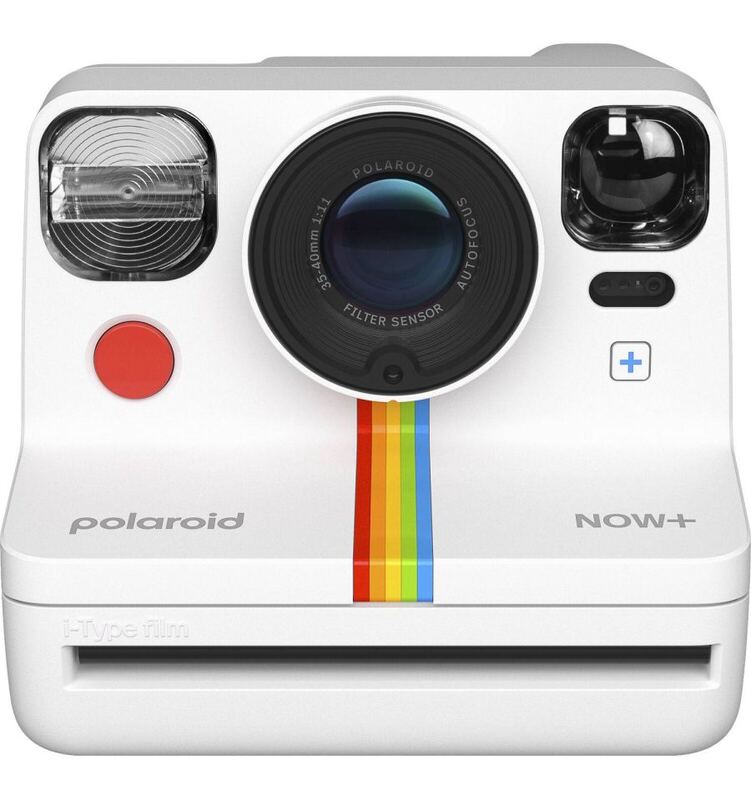
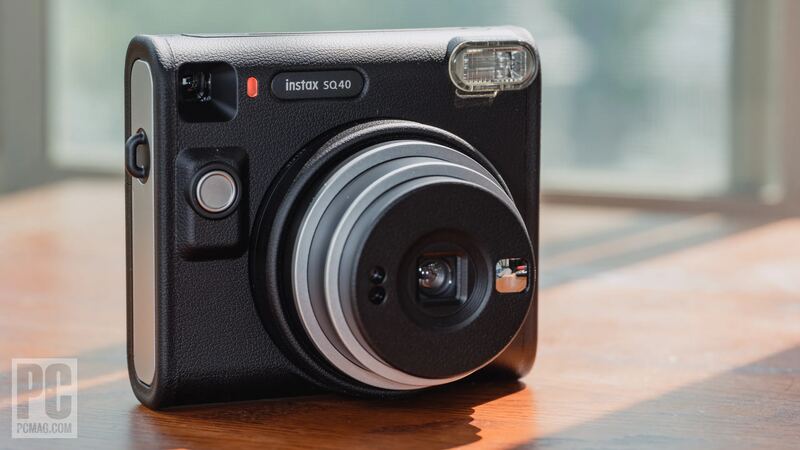
The Polaroid OneStep 2 stands out with its built-in lithium battery that makes film packs cheaper, unlike the Polaroid I-2 which requires a removable internal battery. Compared to the Fujifilm Instax Square SQ40, it offers more traditional design elements and a better light meter, though it lacks the analog print delay feature. The Polaroid Snap 2's dual functionality and digital capture capabilities make it more versatile for creative users, but the OneStep 2 provides a more authentic instant camera experience.
Rating sources
“I was so excited to hear about this camera coming out because it is a direct competitor of Fuji Instax and it really a great step to know that Polaroid was here to stay.”
“The OneStep 2 feels pretty sturdy and well made. It has some heft to it and feels quite good in the hand, if a little awkward at times”
Our 3.9 score is the average of these published ratings. Ratings marked * were derived from the reviewer’s written analysis or video transcript — the publisher didn’t print an explicit numeric score, so we inferred one from their own words. Click through to verify. More about methodology.