Verdict
Head-to-head · Best Instant Cameras

Fujifilm Instax Mini Evo vs Polaroid OneStep 2

Which is the better buy? Side-by-side on rating, price, strengths, and watch-outs — with the published ratings we averaged to get there.

Verdict is reader-supported. As an Amazon Associate we earn from qualifying purchases. Some links on this page are affiliate links — if you click through and buy, we may earn a small commission at no extra cost to you. Our ratings are sourced from independent publications, not sponsors.
The short answer

Fujifilm Instax Mini Evo comes out ahead by a clear margin (4.4 vs 3.7). Fujifilm Instax Mini Evo is best for: digital-instant hybrid users. Read the strengths below before deciding.

Fujifilm Instax Mini Evo
Higher ratedRanked #1 in Best Instant Cameras
Fujifilm Instax Mini Evo
2 sourcesall derived$217as of Oct 19

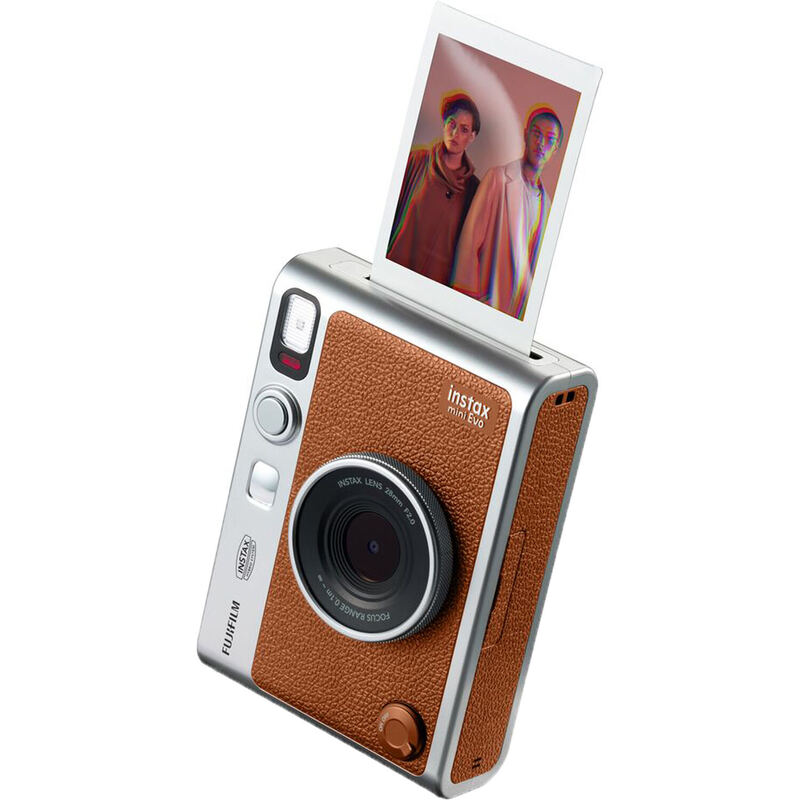
The Fujifilm Instax Mini Evo is a hybrid digital instant camera, bringing traditional instant photography together with digital convenience. Reviewer Mark G Adams traces how it went from a fun, experimental device to a practical tool for printing family memories across three years of use. It carries a 28mm f/2.0 lens with dial controls for lens and film effects, a selfie mirror, and smartphone connectivity for remote control and social sharing. Purists who want a fully analog instant camera may not warm to it, but as a printer for digital images it does the job well, with a nostalgic feel attached. Casual users and families who want digital flexibility plus instant prints are the audience.

Strengths
  • — Combines digital camera functionality with instant film printing capabilities
  • — Features 10 lens effects and 10 film effects that can be combined for 100 different looks
  • — Includes built-in selfie mirror and dual shutter buttons for versatile shooting
Watch-outs
  • — Limited 5MP resolution when capturing images digitally
Polaroid OneStep 2
Ranked #7 in Best Instant Cameras
Polaroid OneStep 2
2 sources

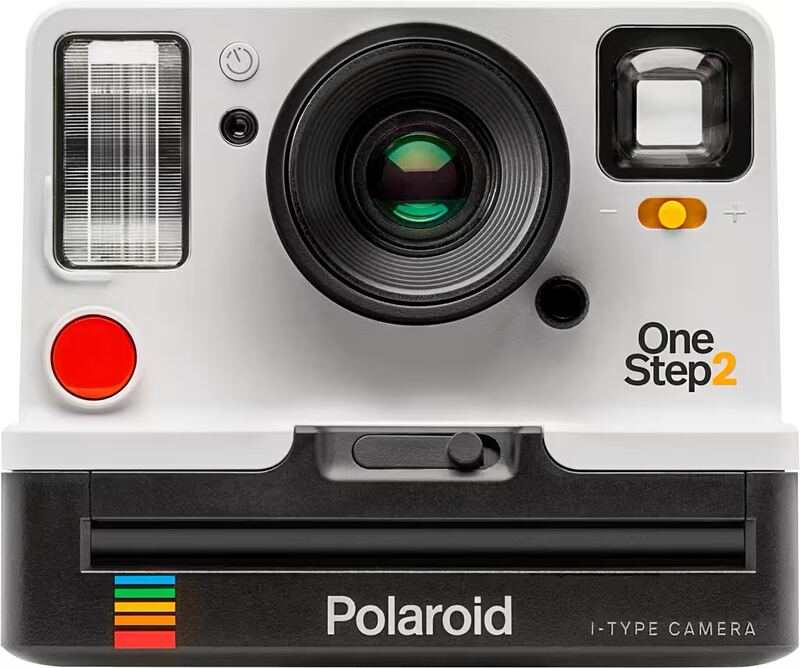
The Polaroid OneStep 2 brings back the classic instant camera format with modern parts: a built-in lithium battery that makes film packs cheaper, and a bright built-in flash you can override. Reviewers found the light meter accurate and the camera comfortable to hold, but several were annoyed by the missing viewfinder tube and having to press an eye right up against the viewfinder. The included strap gets called poor quality. Anyone who wants a traditional instant camera experience with a few modern conveniences will like it, while those who want a better viewfinder should look elsewhere.

Strengths
  • — Built-in lithium battery allows film packs to be cheaper as they no longer contain batteries
  • — Good built-in flash that is bright and has an override button
  • — Light meter performs well and rarely gets fooled
Watch-outs
  • — Missing viewfinder tube that helps guide the eye to the viewfinder
  • — Viewfinder requires putting eye very close which changes framing and can tilt the camera

Derived means the reviewer published no score, so one was inferred from their written verdict. Everything else is a number the publisher printed. How we rank.

How they stack up

Fujifilm Instax Mini Evo

The Fujifilm Instax Mini Evo and the Fujifilm Instax Mini LiPlay Hybrid are both digital hybrids that print on Instax Mini film. The Mini Evo offers 10 lens effects and 10 film effects, while the LiPlay records sound and prints it as a QR code. The Mini Evo costs more than the LiPlay and weighs 285g against about 255 g.

Polaroid OneStep 2

The Polaroid OneStep 2 takes i-Type and 600 film, while the Polaroid I-2 also accepts SX-70 film. Its 106mm plastic fixed lens focuses from 2 feet to infinity, where the I-2 uses LiDAR autofocus and offers aperture priority, shutter priority and full manual modes. Both cameras have a built-in battery.

Specs side-by-side

SpecFujifilm Instax Mini EvoPolaroid OneStep 2
Film FormatInstax Mini Filmi-Type and 600 type
Lens28mm f/2.0106mm plastic fixed
Shutter Speed1/8000th to 1/4 second—
Battery TypeBuilt-in lithium-ion—
FlashBuilt-in flash with automatic mode, and forced ON modeBuilt-in with override button
Dimensions4.8 x 3.4 x 1.4 (123 x 87 x 36mm)—
Weight10.1 oz (285g)—
ConnectivitySmartphone app support—
Battery—Built-in lithium
Focusing—2 feet to infinity
← See the full ranking of best instant cameras