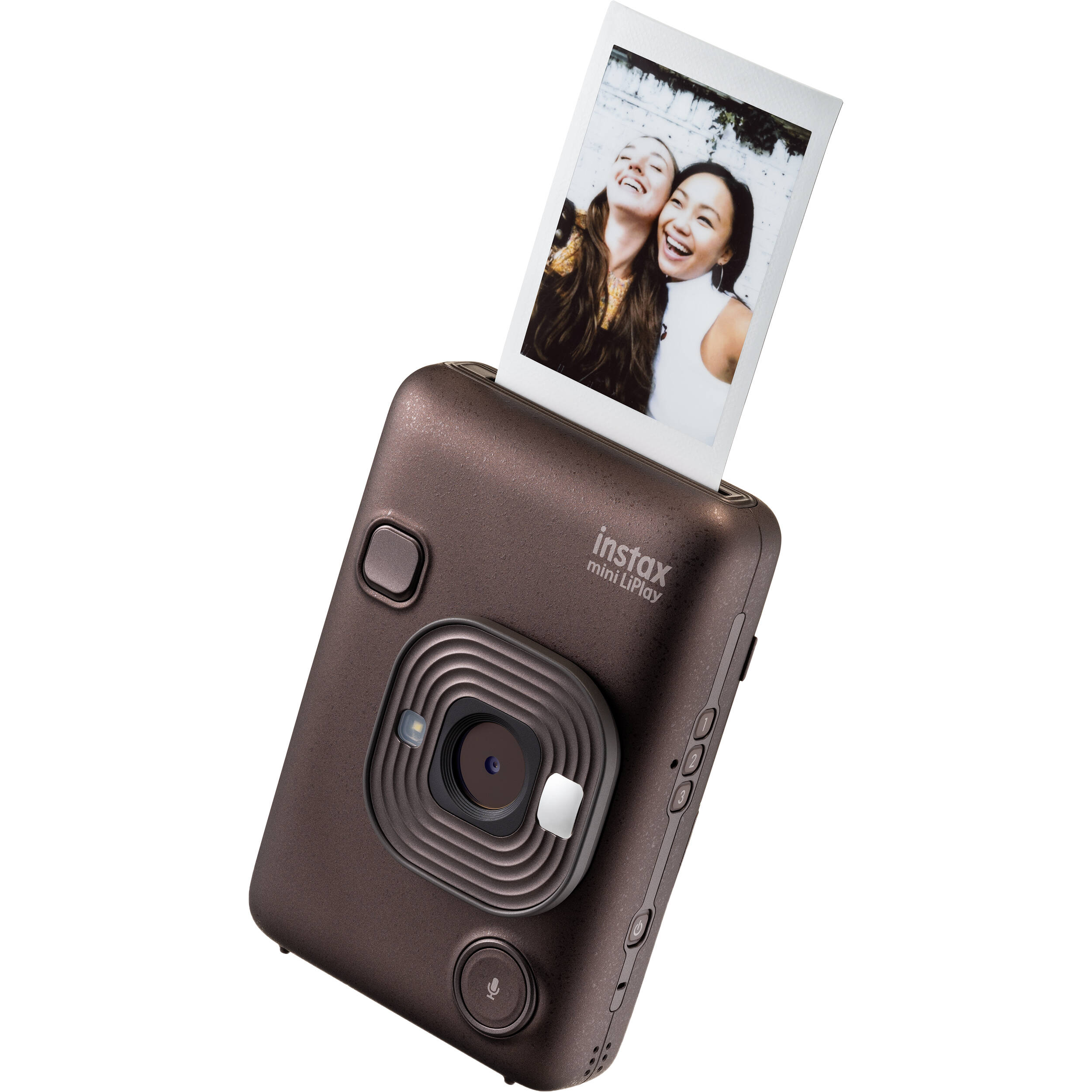
The Fujifilm Instax Mini LiPlay is a hybrid of instant film and digital, and it brings a dedicated selfie camera to the Instax line for the first time. Reviewers noted the redesign, with a larger grip and a better user interface, though some found the power button slow to respond and the button placement awkward. It handles digital capture and smartphone printing, and adds the new instax Sound Album feature for animated videos with sound. Ease of use is the priority, with creative photo modes and audio built around it.
Full review
Hybrid Design and Functionality
The Fujifilm Instax Mini LiPlay+ represents a significant evolution in hybrid instant camera technology, combining digital capture with traditional film printing in a compact form factor. Unlike its predecessor, the LiPlay+ introduces a dedicated front-facing camera, a feature that addresses long-standing issues with poorly framed selfies and group shots. The camera's dual-lens system includes a 28mm equivalent rear lens with f/2 aperture and a 23mm equivalent front lens with f/2.2 aperture, both designed for the Instax Mini film format. This configuration allows for seamless switching between cameras using a side button, making it intuitive for users to capture both regular photos and selfies without repositioning the device. The integration of digital capabilities with analog printing creates a unique hybrid experience that appeals to both casual users and photography enthusiasts seeking nostalgic charm.
The device's design reflects Fujifilm's commitment to modern aesthetics while maintaining portability. Measuring 83.3 x 123.5 x 38mm and weighing 265g, the LiPlay+ sits comfortably in hand despite its somewhat chunky profile. The camera features a textured finish and a thinner, more rectangular design compared to the original model, with two color options: Sand Beige and Midnight Blue. The front shutter button placement, while unconventional, facilitates easier selfie capture and horizontal shooting. Additionally, the inclusion of a microSD card slot and USB-C charging port expands storage capacity and connectivity options, allowing users to store up to 850 images per GB of memory and charge the device efficiently.
Camera Performance and Image Quality
The Instax Mini LiPlay+ employs a 1/5-inch CMOS sensor capable of capturing images at 2560x1920 pixels (4.9 megapixels), which delivers acceptable quality for its intended use case. While not matching smartphone camera performance, the camera's image quality is sufficient for small-format instant prints and provides a nostalgic charm that many users find appealing. The rear-facing lens with 28mm equivalent focal length and f/2 aperture produces sharp images with good detail reproduction, particularly in well-lit conditions. The front-facing selfie lens with 23mm equivalent focal length and f/2.2 aperture offers adequate performance for close-up portraits, though it lacks the precision of dedicated selfie cameras. Exposure control is largely automatic, with program AE and exposure compensation ranging from -2 EV to +2 EV, allowing users to adjust brightness levels when needed. However, the camera's basic digital image quality and modest sensor performance mean that users seeking professional results may find limitations in sharpness and dynamic range.
In practical testing, the LiPlay+ demonstrates solid performance in various lighting conditions, though it occasionally struggles with autofocus accuracy, particularly in low-light scenarios. The camera's auto exposure system generally produces well-balanced images, but users may notice slight overexposure in bright environments or underexposure in darker settings without manual adjustments. The inclusion of 6 color filters (Stylish, Vivid, Fisheye, Poster, Sepia, and Black & White) adds creative flexibility, though these effects are applied during capture and cannot be modified afterward. The camera's handling of fast-moving subjects is limited, with some motion blur evident in action shots. Despite these constraints, the device's ability to produce consistent, quality prints on Instax Mini film remains its primary strength, particularly for casual photography and social sharing.
A three-second press just to power on
The user experience of the Fujifilm Instax Mini LiPlay+ is designed to be intuitive and accessible, though it requires some adjustment period for users accustomed to traditional camera layouts. The camera's interface features a clean menu system with directional pad navigation, allowing users to quickly access settings such as flash, frames, filters, and delay options. The placement of the shutter button on the front of the device, while unconventional, supports easier selfie capture and horizontal shooting. However, this design choice has led to user confusion, with some reviewers noting that the power button's location and response time can cause accidental shutdowns. The camera's power button requires a press of over three seconds to activate, which is longer than typical devices and can be frustrating for users expecting quick startup times.
The LiPlay+ includes several user-friendly features that enhance its appeal, such as the ability to print images directly from the smartphone app and the inclusion of sound recording capabilities through QR codes printed on images. The companion app allows users to transfer images from their smartphones to the camera for printing, though it requires that images have already been printed to the device before transferring them back. The camera also supports layered photo mode, which combines two separate shots into one final image, adding a storytelling dimension to photography. Despite these enhancements, the lack of manual controls for exposure settings and focus points limits creative flexibility for advanced users, though the automatic system generally performs adequately for casual use.
Print Quality and Film Performance
The Instax Mini LiPlay+ delivers consistent print quality on Instax Mini film, maintaining the brand's reputation for reliable instant photography. The camera's ability to produce high-quality prints that rival those from dedicated instant cameras is one of its strongest selling points, particularly for users who value the tactile experience of physical photographs. The 2.44 x 1.81 inch print size offers a good balance between detail and portability, with images displaying clear contrast and vibrant colors when properly exposed. The inclusion of the Soft Glitter instant film with gold accents and soothing hues, priced at £8.99, adds a premium touch to the overall experience. Print quality is generally consistent across different lighting conditions, though users may notice slight variations in color saturation depending on ambient light and exposure settings.
The camera's printing capabilities extend beyond standard instant film, incorporating features such as the instax Sound Album, which converts adventures into animated videos with sound, vibrant backgrounds, and standout music. This feature enhances the storytelling aspect of photography and provides a unique way to share memories. The layered photo mode allows users to blend two separate shots into one final image, creating a creative narrative that combines subject and environment. However, the printing process can be somewhat slow, with individual prints taking several seconds to complete. The camera's battery life is rated for up to 100 prints, though actual performance may vary based on usage patterns and environmental conditions. The device's internal memory stores approximately 45 images, with microSD card expansion providing additional storage capacity for digital files.
Photos must print before transferring back to phone
Despite its innovative features and hybrid functionality, the Fujifilm Instax Mini LiPlay+ contains several notable shortcomings that detract from its overall appeal. The most significant criticism centers around the camera's app workflow, which requires images to be printed before they can be transferred back to a smartphone. Additionally, the camera's basic digital image quality and modest sensor performance limit its appeal for users seeking professional results. The autofocus system occasionally misses focus, particularly in challenging lighting conditions, and the lack of manual controls for exposure and focus points restricts creative flexibility for advanced users.
Another area of concern involves the device's button layout and response times, which can cause confusion and accidental operations. The power button's extended press requirement and the proximity of the selfie toggle button to the power button have led to user errors, with some reviewers reporting frequent accidental shutdowns. The camera's battery life, while rated for 100 prints, may not meet expectations for heavy users, especially when combined with the energy demands of digital features such as the LCD screen and sound recording. The device's somewhat bulky profile, though necessary for film storage, makes it less portable than some competitors, and the lack of video recording capabilities limits its versatility. These drawbacks, while not deal-breaking, do impact the overall user experience and may deter users seeking more advanced functionality.
Dual-lens design built for selfies and group shots
The Fujifilm Instax Mini LiPlay+ is ideally suited for users seeking a fun, nostalgic photography experience that combines digital convenience with analog charm. It appeals particularly to younger audiences and casual photographers who enjoy social sharing and creative storytelling through layered photo modes and sound features. The camera's dual-lens system makes it an excellent choice for users who frequently take selfies or group photos, as it eliminates the need for awkward positioning or external mirrors. The device is also well-suited for travelers, event photographers, and those who value the tactile experience of physical prints over digital storage. Its compact size and portability make it ideal for on-the-go use, though its somewhat chunky profile may not suit users seeking ultra-portable options.
However, the LiPlay+ may not be the best choice for professional photographers or users seeking advanced manual controls. Those requiring high-resolution images, extensive creative flexibility, or video recording capabilities will find the camera's limitations restrictive. The device's basic digital performance and lack of manual exposure controls make it less suitable for serious photography enthusiasts who demand precision and control. Additionally, users who prioritize battery longevity or require seamless app integration may be disappointed by the camera's workflow limitations and power consumption. The price point of £189.99 / $234.95 positions the LiPlay+ in a competitive market segment, where users must weigh its unique hybrid features against more specialized alternatives such as the Instax Mini Evo or other dedicated point-and-shoot cameras.
Loses out to the Mini Evo on refinement
In comparison to other hybrid instant cameras, the Fujifilm Instax Mini LiPlay+ stands out for its dual-lens system and enhanced digital features, though it faces stiff competition from models like the Instax Mini Evo and Wide Evo. The Evo series offers similar hybrid functionality but with a more refined design and better integration of digital features, making it a compelling alternative for users seeking more advanced capabilities. The LiPlay+'s price point of £189.99 / $234.95 places it in a premium segment, where it competes with other high-end hybrid cameras that offer more creative control and better digital performance. Unlike the Evo, which focuses more on traditional photography, the LiPlay+ emphasizes social sharing and multimedia features through its sound recording and animated video capabilities.
When compared to smartphone-based instant camera solutions, the LiPlay+ offers a more tactile and dedicated experience, with the added benefit of physical prints that can be shared and preserved. However, it lacks the convenience and immediate sharing capabilities of smartphone apps, which can be a disadvantage for users who prioritize digital workflow. The camera's limited manual controls and basic sensor performance place it below more advanced digital cameras in terms of technical specifications, though it excels in providing a nostalgic and user-friendly photography experience. The inclusion of features such as layered photo modes and sound recording sets it apart from simpler instant cameras, though these features may not justify the higher price point for users who do not value the hybrid functionality.
100 prints per charge, plus a $29.99 case option
The Fujifilm Instax Mini LiPlay+ is priced at £189.99 / $234.95, positioning it in a premium segment of the hybrid instant camera market. This price point reflects the camera's innovative dual-lens system, enhanced digital features, and the inclusion of sound recording capabilities, which are not available in many competing models. However, the value proposition becomes less clear when compared to the Instax Mini Evo, which offers similar functionality at a comparable price point but with better integration and more refined design. The LiPlay+'s unique features, such as the instax Sound Album and layered photo mode, provide added value for users who prioritize creative storytelling and multimedia sharing, though these features may not appeal to all users. The inclusion of a matching case for £29.99 adds to the overall cost but provides additional protection and storage options.
The camera's ability to produce high-quality instant prints and store digital files makes it a versatile choice for users who value both physical and digital photography. The 100-print battery life and microSD card compatibility offer extended usability, though the device's power consumption and workflow limitations may impact long-term satisfaction. The price reflects the camera's hybrid functionality and premium features, but users must weigh these benefits against the lack of manual controls and basic digital performance. For those who appreciate the nostalgia of instant photography combined with modern digital convenience, the LiPlay+ offers good value, though budget-conscious users may find more affordable alternatives that provide similar core functionality.
Strengths
- +Features a dedicated selfie camera with wider 23mm focal length and f/2.2 aperture
- +Includes instax Sound Album feature that turns photos into animated videos with sound
- +Supports printing images from smartphone via Bluetooth and QR code audio clips
- +Hybrid functionality allows digital capture and instant printing in one device
Watch-outs
- −Power button requires long press of over three seconds to activate
- −Selfie toggle button positioned close to power button, causing accidental presses
How it compares
The Fujifilm Instax Mini LiPlay Hybrid stands out from the Evo with its dedicated selfie camera and sound album feature, which the Evo lacks. Compared to the Mini 12, it offers more digital connectivity and smartphone app integration, though it's more complex and less straightforward. Unlike the SQ1, it's more feature-rich and offers hybrid functionality, but it's more expensive and less user-friendly.
Rating sources
Our 4.1 score is the average of these published ratings. More about methodology.