The Fujifilm Instax Mini Evo is a hybrid digital instant camera, bringing traditional instant photography together with digital convenience. Reviewer Mark G Adams traces how it went from a fun, experimental device to a practical tool for printing family memories across three years of use. It carries a 28mm f/2.0 lens with dial controls for lens and film effects, a selfie mirror, and smartphone connectivity for remote control and social sharing. Purists who want a fully analog instant camera may not warm to it, but as a printer for digital images it does the job well, with a nostalgic feel attached. Casual users and families who want digital flexibility plus instant prints are the audience.
Full review
Styling borrowed from the Fujifilm X100 series
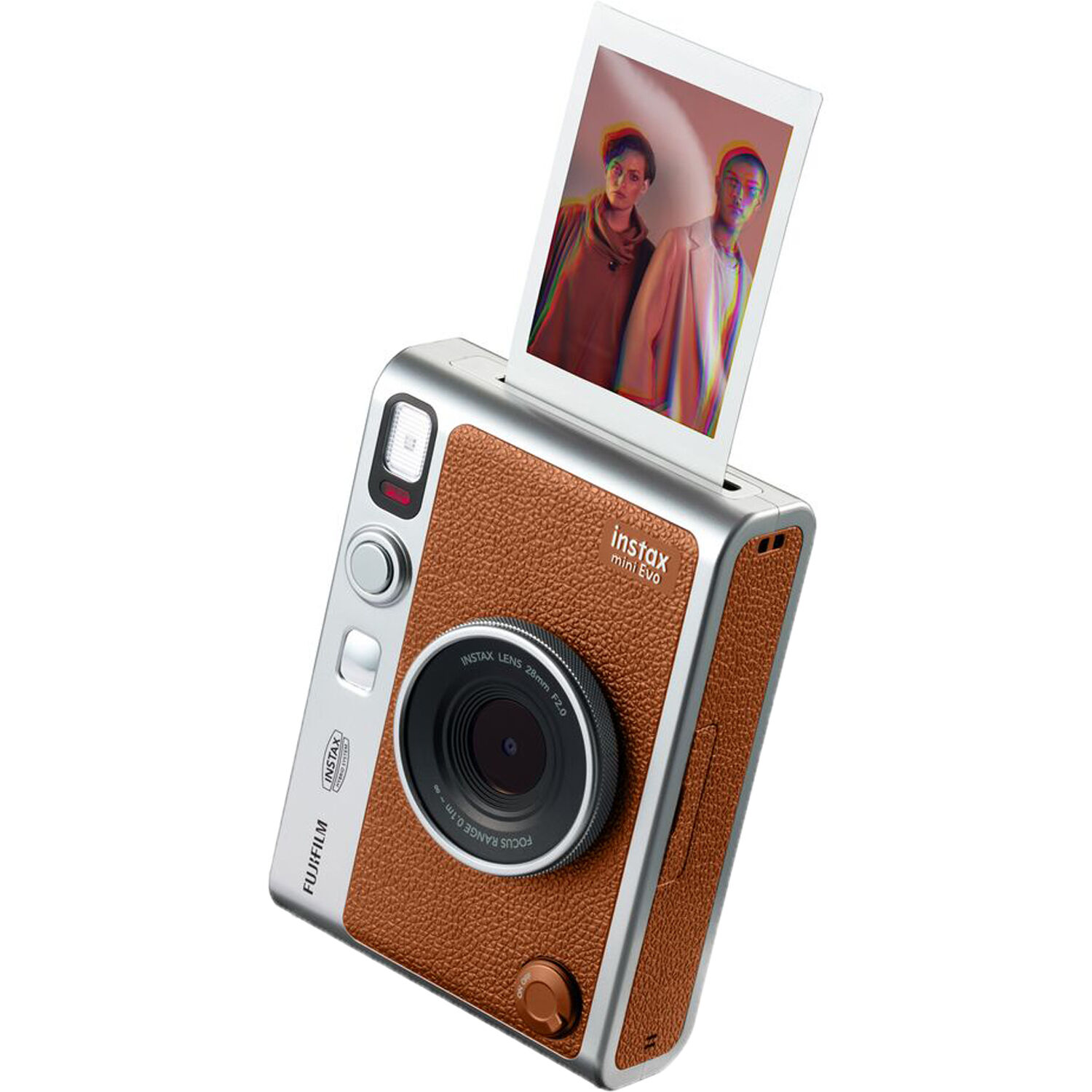
The Fujifilm Instax Mini Evo stands out with its distinctive retro-inspired design that evokes the classic Polaroid aesthetic while incorporating modern digital functionality. The camera's build quality feels solid and substantial, with a matte finish that resists fingerprints and provides a comfortable grip. According to one reviewer from Casual Photophile, the camera's physical design is 'intuitive and everything works the way that it should,' making it accessible to both seasoned instant photography enthusiasts and newcomers to the medium. The camera measures 4.8 x 3.4 x 1.4 inches (123 x 87 x 36mm) and weighs 10.1 ounces (285g), which makes it compact enough for travel but substantial enough to feel premium in hand. The inclusion of a selfie mirror and dual shutter buttons for portrait and landscape shots adds to its user-friendly appeal, particularly for those who enjoy casual photography with friends and family.
Professional reviewers like those from One Camera One Lens Photography noted that the camera's styling draws comparisons to the Fujifilm X100 series, with its rangefinder-inspired aesthetics and retro appeal. The build quality supports this design philosophy, with materials and finishes that feel both nostalgic and contemporary. The camera's ergonomics are praised for being well-balanced, though some reviewers have noted that the button placement and menu navigation could be more intuitive for beginners. The overall impression is that Fujifilm has successfully merged vintage aesthetics with modern digital features, creating a device that appeals to both collectors and casual users.
Camera Performance and Features
The Instax Mini Evo operates as a hybrid digital camera with an integrated 2560 x 1920mm (1/5 type) CMOS sensor, offering a 4.9-megapixel resolution that's sufficient for the instant print format. According to the official specifications, the camera features automatic exposure control with an ISO range of 100 to 1600, multi-zone metering, and a 28mm-equivalent f/2.0 lens. The camera includes 10 lens effects and 10 digital film simulations, which can be combined for 100 different looks, providing users with extensive creative control. The Evo also offers exposure compensation, white balance controls, and macro mode capabilities, allowing for more precise image creation. One reviewer from Casual Photophile noted that the camera's controls are 'designed intuitively' and that 'everything works the way that it should,' indicating a smooth user experience.
The camera's performance in real-world scenarios shows mixed results. While it excels in ease of use and creative flexibility, some users have reported issues with the camera's handling of lighting conditions, particularly in low-light situations where the automatic exposure system struggles to maintain consistent results. The built-in flash provides adequate illumination for most situations, but its range is limited to 20 to 59cm. The camera's internal memory can store up to 45 photos, with an additional microSD card slot for expanded storage. However, some reviewers have noted that the camera's performance in terms of image sharpness and detail is somewhat limited compared to higher-end digital cameras, which is expected given its compact sensor size and focus on instant printing rather than high-resolution still photography.
Instant Printing Capabilities
The primary strength of the Fujifilm Instax Mini Evo lies in its ability to seamlessly transition between digital capture and instant printing. The camera can print photos directly from its internal memory or from images stored on a smartphone via the dedicated app. According to the manufacturer's specifications, the Evo can produce credit card-sized prints using Instax Mini film, with each print costing approximately $1.00. The camera's print quality is described as 'more than good enough' by long-term user Mark G Adams from One Camera One Lens Photography, who noted that even images taken from mobile phones look 'nicer' with better saturation and detail. The Evo's ability to apply digital effects and filters before printing allows for creative expression that's not possible with traditional instant cameras.
However, the printing experience isn't without its challenges. Some users have reported issues with the camera's Bluetooth connectivity, which is essential for wireless printing from smartphones. The official FAQ from instax.com indicates that connection problems can occur, with users needing to adjust their smartphone's permissions and potentially reset the pairing process. Additionally, the camera's print speed and reliability have been noted as areas for improvement, with some users experiencing delays or inconsistent results when printing multiple photos in succession. The camera's ability to handle various film types and its compatibility with different printing scenarios makes it versatile, but the overall printing experience varies depending on the user's technical setup and familiarity with the device.
Digital Connectivity and App Integration
The Fujifilm Instax Mini Evo's digital connectivity is facilitated through a dedicated smartphone app that enables wireless printing, remote shutter control, and image sharing capabilities. The app allows users to transfer images from their smartphones to the camera for printing, as well as to share photos directly to social media platforms. According to the manufacturer's documentation, the app requires specific permissions to function properly, including access to photos, Bluetooth, and storage. Users have reported that the app's functionality is generally reliable, though some have noted that the connection between the camera and smartphone can be unstable, particularly on older operating systems. The app's interface is designed to be user-friendly, with intuitive controls for managing photos and applying effects before printing.
Despite its promise, the app integration has received criticism from some users. The official support documentation from instax.com acknowledges that users may experience issues with Bluetooth connectivity and suggests troubleshooting steps such as resetting the pairing process and adjusting smartphone permissions. Some reviewers have noted that the app's ability to share images into the Photos library is limited, requiring users to manually transfer images rather than automatically importing them. Additionally, the camera's firmware updates have reportedly caused temporary issues with button functionality, indicating that the device's software integration is still evolving. While the app enhances the camera's functionality, it also introduces potential points of failure that can affect the overall user experience.
User Experience and Practical Use
Long-term users like Mark G Adams from One Camera One Lens Photography have found the Instax Mini Evo to be a reliable and enjoyable device for capturing and sharing memories. Adams notes that the camera has evolved from being primarily used for spontaneous moments to becoming a tool for printing family memories and special events. He emphasizes that the camera's ability to print images from digital files makes it particularly useful for building photo albums quickly and easily. The Evo's ease of use is highlighted by its intuitive controls and straightforward operation, making it accessible to users of all technical skill levels. The camera's ability to function as both a digital camera and an instant printer provides flexibility that many users appreciate, especially when traveling or during social gatherings.
However, the user experience isn't universally positive. Some reviewers have noted that the camera's creative controls, while extensive, can be overwhelming for casual users who simply want to take quick photos without extensive editing. The Evo's feature set, while comprehensive, requires some learning curve to fully utilize. Additionally, the camera's battery life has been criticized, with users reporting that it only lasts about 100 shots per charge, which may be insufficient for extended use. The camera's performance in various lighting conditions and its handling of different film types also vary, with some users experiencing inconsistent results. Despite these drawbacks, the camera's ability to provide instant gratification and memorable prints continues to make it appealing to many users.
About 100 shots per charge, plus Bluetooth dropouts
Despite its strengths, the Fujifilm Instax Mini Evo has several notable shortcomings that impact its overall appeal. The camera's battery life is particularly problematic, with users reporting only about 100 shots per charge, which may be insufficient for extended photography sessions or travel use. The camera's digital connectivity issues have been a recurring complaint, with many users experiencing Bluetooth instability and connection problems that require troubleshooting. According to the official FAQ from instax.com, users have reported difficulties with pairing and maintaining stable connections between the camera and smartphone, which can be frustrating for those relying on wireless printing features. Additionally, firmware updates have reportedly caused temporary issues with button functionality, indicating ongoing software development challenges.
The camera's image quality, while adequate for its intended purpose, falls short of expectations for users seeking high-resolution prints or advanced photography capabilities. The 4.9-megapixel sensor and compact design limit the camera's performance in challenging lighting conditions and its ability to produce sharp, detailed images. Some reviewers have noted that the camera's handling of highlights and shadows is inconsistent, particularly when compared to higher-end digital cameras. The Evo's price point of $199 also makes it a significant investment, and the value proposition becomes questionable when considering its limitations in image quality and functionality compared to more advanced digital cameras or smartphones. Furthermore, the camera's reliance on proprietary Instax Mini film creates ongoing costs that can add up over time, making it less economical for frequent users.
Prints straight from your phone for quick sharing
The Fujifilm Instax Mini Evo is best suited for users who value the nostalgic appeal of instant photography combined with the convenience of digital controls and connectivity. It's particularly appealing to families and casual photographers who want to capture and share moments quickly without extensive editing or technical knowledge. The camera's ability to print photos directly from smartphone images makes it ideal for social gatherings, travel, or any situation where users want to share their memories immediately. According to reviewer Pete Duval from Fujilove.com, the Evo is perfect for those who want to experience the 'joyful spontaneity' of instant film while benefiting from digital control and precision. The camera's retro design and fun features make it attractive to collectors and enthusiasts who appreciate vintage aesthetics.
However, the camera may not be ideal for professional photographers or serious photography enthusiasts who require high-resolution images, advanced creative control, or extensive customization options. The Evo's limited sensor size and image quality make it unsuitable for users who need detailed prints or professional-grade photography. Additionally, the camera's reliance on proprietary film and its connectivity issues may deter users who prefer more robust and reliable digital solutions. The device is best recommended for casual users who prioritize the instant gratification and social aspect of photography over technical excellence or long-term value. Those who enjoy sharing moments with friends and family will find the Evo's combination of digital and analog features particularly appealing.
Strengths
- +Combines digital camera functionality with instant film printing capabilities
- +Features 10 lens effects and 10 film effects that can be combined for 100 different looks
- +Includes built-in selfie mirror and dual shutter buttons for versatile shooting
- +Can connect to smartphone via app for remote shutter control and social media sharing
Watch-outs
- −Not suitable for die-hard instant photography enthusiasts who prefer traditional film cameras
- −Limited 5MP resolution when capturing images digitally
How it compares
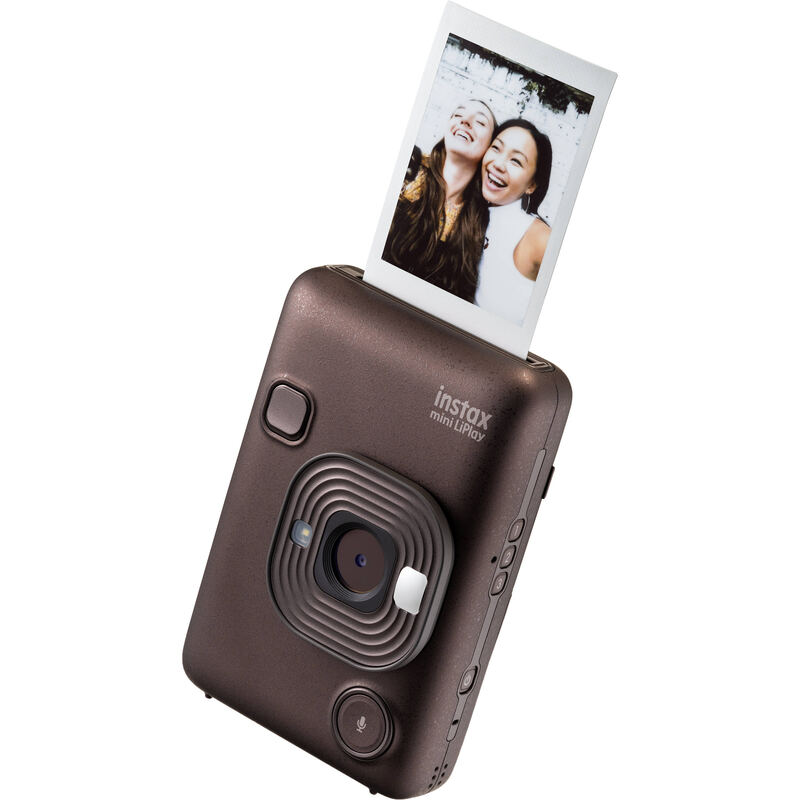
The Fujifilm Instax Mini Evo distinguishes itself from the Mini 12 by offering digital functionality and smartphone app integration, which the Mini 12 lacks entirely. While it's more feature-rich than the SQ6, it's less straightforward and more complex than the analog-only SQ6. Compared to the LiPlay Hybrid, it lacks the dedicated selfie camera and sound album features, though it's more affordable.
Rating sources
“The Instax Mini Evo is a fun little camera, with its multitude of effects, it can bring fun and joy to many a situation.”
“Its still fun, though. You can, of course, use the Evo as you would any other digital camera, but one look at the fairly low-res, though not entirely unpleasant, JPEGs it creates suggests that this camera is all about the Instax prints.”
Our 3.2 score is the average of the 3 scored reviews above; 1 more reviewed it without printing a score and is not in the average. Ratings marked * were derived from the reviewer’s written analysis or video transcript — the publisher didn’t print an explicit numeric score, so we inferred one from their own words. Click through to verify. More about methodology.