Reviewers call the Lomography Lomo'Instant Automat Glass the world's first instant camera with a wide-angle glass lens, a 38mm (21mm equivalent) f/4.5 design using 6 elements in 4 groups. Operation is fully automated with manual overrides for flash, exposure compensation, and multiple exposures, and the box includes creative accessories like colored filters and a Bluetooth shutter release. Critics flagged the large, non-pocketable body and the uncommon CR2 batteries. It shoots Instax Mini film and aims squarely at creative photography, mixing automation with manual control for artistic work.
Full review
Glass Lens Performance
The Lomo'Instant Automat Glass stands out primarily due to its wide-angle glass lens, a first for instant cameras. Photography Blog reviewer Amy Davies noted that the 38mm lens (equivalent to 21mm in 35mm terms) features six elements in four groups with a multi-coated front element, delivering what the publication called 'bolder, sharper instant masterpieces than ever before.' The camera's f/4.5 aperture is the largest available in any instant camera, according to The Phoblographer's review, offering excellent low-light performance even without flash activation. This glass lens is the same optic used in Lomography's LCA 120, making it the sharpest and fastest aperture lens for Instax cameras at the time of review. However, the lens's wide field of view creates challenges for users, as noted by Going Lomo's reviewer who found the 38mm focal length too wide for comfortable shooting, requiring subjects to be positioned very close to fill the frame effectively.
Ease of Use and Controls
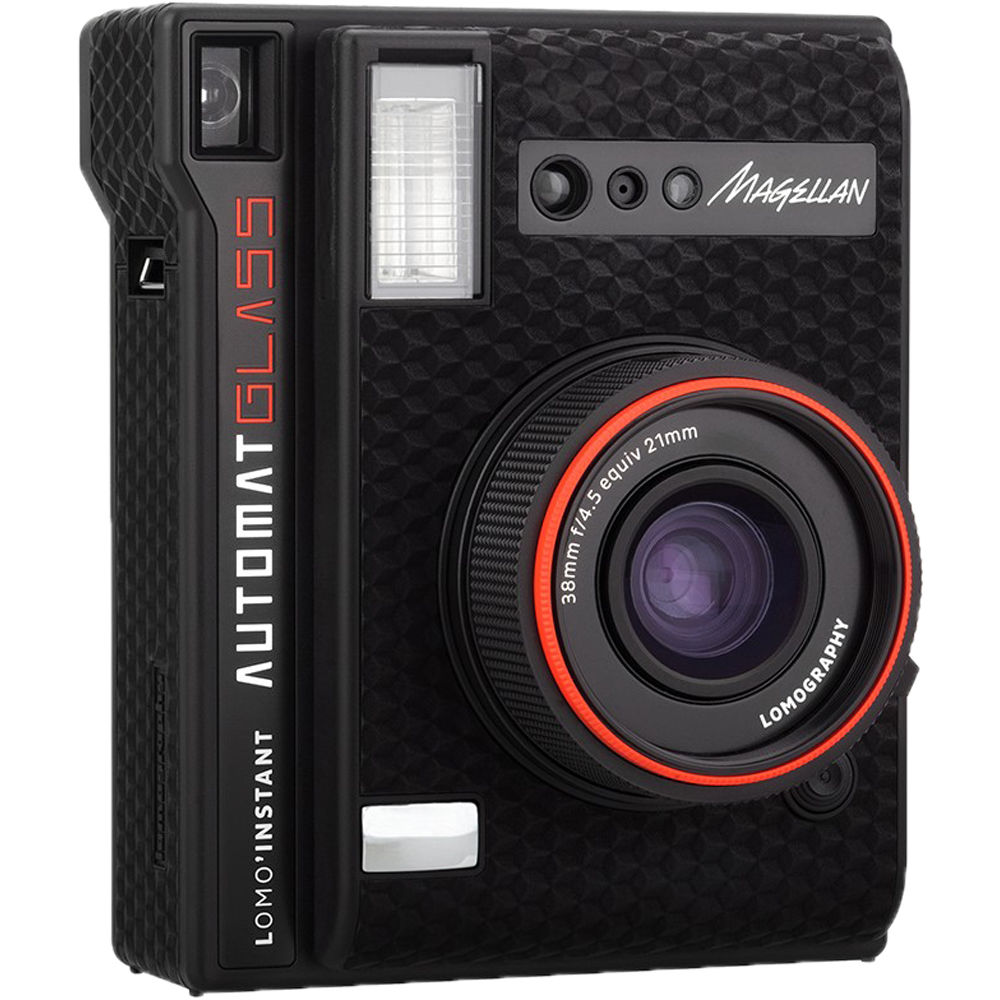
The Automat Glass operates on a fully automated system with some manual override capabilities, though the control layout has received mixed reviews. According to The Phoblographer, the camera's controls are 'fairly simple' but sometimes 'wonky,' particularly with flash activation timing. The front of the camera features a mirrored rectangular shutter button that doubles as a selfie mirror, while the lens itself serves as an on/off switch with a stiff turning mechanism. Going Lomo's reviewer found the on/off process 'a bit of a pain' requiring both hands, and noted that the lens's stiffness makes accidental turning off nearly impossible, rendering the lock button redundant. The rear controls include buttons for flash settings, exposure compensation, multiple exposure mode, and bulb mode, but the lack of a screen means users must rely on LED indicators for settings confirmation, creating potential confusion for new users.
Image Quality and Exposure
Professional reviewers consistently praised the image quality of the Lomo'Instant Automat Glass, with The Phoblographer calling it 'arguably one of the absolute best cameras shooting the format on the market.' The camera's automatic exposure system reportedly performs well in various lighting conditions, as confirmed by both The Phoblographer and Anthony Awaken's review, with most photos coming out properly exposed. However, the shallow depth of field and zone focusing system create challenges for precise focusing, especially at close distances. Awaken noted that the 0.3m closest focusing distance can be difficult to nail, and the maximum shutter speed of 1/250 can result in overexposure in harsh sunlight, requiring ND filters for proper exposure control. The camera's ability to handle multiple exposures and bulb mode up to 30 seconds adds creative flexibility, though the automatic system's limitations in bright conditions may require additional accessories.
Strap lugs described as fragile and cheap
The Lomo'Instant Automat Glass features a square design that accommodates the Instax Mini film at the back, making it notably larger than typical instant cameras. The Magellan edition is described as black with orange detailing, featuring a textured coating that provides a high-quality feel. The camera's build quality is described as 'fairly solid overall' by The Phoblographer, though not matching the durability of premium models like the Mint TL70 2.0. Going Lomo's reviewer criticized the strap lugs as 'fragile and cheap,' noting they don't accommodate normal camera straps well and may kink the strap. The camera's size and weight are described as manageable, with Awaken noting it's 'pretty small and lightweight' and fits well in camera bags. The lens cap serves as a remote control shutter release, and the camera includes a tripod mount, though the overall design requires some adjustment for users accustomed to traditional camera ergonomics.
38mm lens forces subjects uncomfortably close
The primary criticism concerns the wide-angle lens's practical limitations, with Going Lomo's reviewer stating the 38mm lens is 'too wide for my liking' and requires subjects to be positioned very close, creating focusing challenges. The camera's controls are criticized for being counterintuitive, particularly the on/off mechanism that requires both hands and the shutter button that doubles as a selfie mirror, causing user confusion. The battery compartment requires CR2 batteries, which are less common and expensive than AA or AAA batteries, and the camera's power consumption, while low, still requires users to carry spare sets. Additionally, the close-up lens attachment is noted as 'not glass' and produces distortion along edges, limiting its utility despite being included as a creative accessory.
Suited to landscapes and architecture, not close-ups
The Lomo'Instant Automat Glass appeals to photographers seeking the sharpest lens available on an instant camera and those who value creative experimental features. The camera is ideal for users who want to capture landscapes, environmental portraits, and architecture with its wide-angle glass lens, as noted by PCMag's review. It's particularly suited for users who prefer automatic operation without manual exposure adjustments, making it accessible for beginners while still offering creative modes like multiple exposures and bulb shooting. However, the camera isn't recommended for those who require precise focusing at close distances or who prefer traditional camera ergonomics. The design and lens characteristics make it best suited for users who value the creative freedom and experimental nature of Lomography's approach rather than traditional photography precision.
Comparative Analysis
When compared to other instant cameras, the Lomo'Instant Automat Glass distinguishes itself through its glass lens, which sets it apart from competitors like the Fujifilm Mini 90 and Mint TL70 2.0. The camera's f/4.5 aperture is specifically noted as the largest in any instant camera, providing superior low-light performance. However, the wide-angle lens creates a different shooting experience compared to traditional Instax cameras with narrower focal lengths. Unlike the LomoInstant Automat which features a 60mm lens (35mm equivalent), the Automat Glass's 38mm lens (21mm equivalent) requires users to get much closer to subjects, affecting composition and focusing. The inclusion of multiple exposure capabilities, bulb mode, and remote control features places it in a premium category, though its specialized lens and control design may not appeal to all users seeking more conventional instant camera experiences.
Value and Accessories
Priced at $169, the Lomo'Instant Automat Glass represents a premium investment for users seeking the sharpest lens in the instant camera market. The package includes a close-up lens attachment, remote control lens cap, colored gel filters, and other accessories, though the close-up lens is criticized for being non-glass and producing distortion. Accessories like the Gobe Variable ND Filter ($25) are recommended by Anthony Awaken for outdoor shooting in bright conditions, as the camera's maximum shutter speed can cause overexposure. The camera's need for CR2 batteries, which are less common than standard AA or AAA batteries, adds to the cost of ownership. While the camera's build quality and glass lens justify its premium price for enthusiasts, casual users might find the specialized features and accessories less essential than basic instant camera functionality.
Strengths
- +Features a wide-angle 38mm glass lens (21mm equivalent in 35mm terms) with 6 elements in 4 groups
- +Fully automated operation with manual controls for flash, exposure compensation, and multiple exposures
- +Includes creative accessories like colored filters, Bluetooth shutter release, and close-up lens
- +Build quality with textured coating and robust design suitable for creative photography
Watch-outs
- −Large, non-pocketable design with square form factor
- −Uses uncommon CR2 (3V) batteries that are hard to find
- −Limited LCD display - relies on LED indicators for settings
How it compares
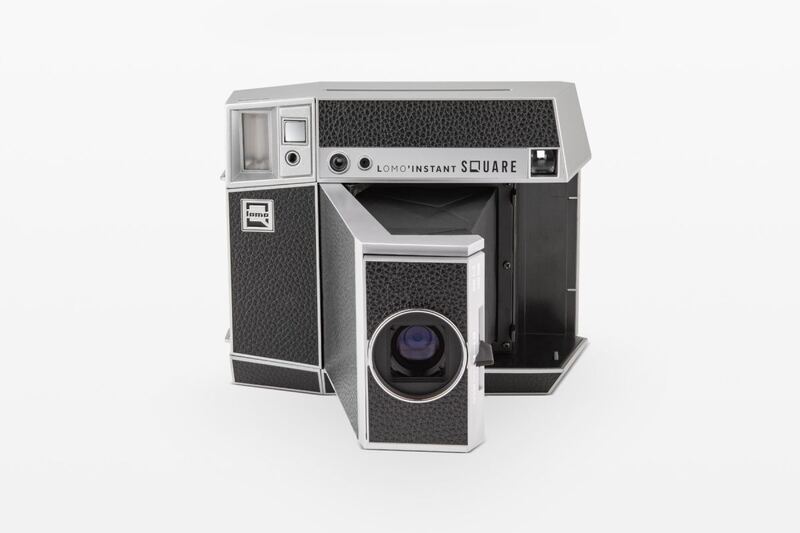
The Lomography Lomo'Instant Automat Glass's wide-angle glass lens distinguishes it from the Fujifilm Instax Wide 400's basic design and manual focus. Unlike the Polaroid I-2, it lacks advanced manual controls but offers creative accessories like colored filters. Compared to the Lomo Instant Square, it provides fully automated operation with manual controls for flash and exposure compensation, making it more accessible for creative users.
Rating sources
“I love this camera. I was pleasantly surprised by the quality of the photos. The glass lens is wonderfully sharp. One review claimed it to be the sharpest lens available on any Instax camera.”
Our 3.8 score is the average of these published ratings. Ratings marked * were derived from the reviewer’s written analysis or video transcript — the publisher didn’t print an explicit numeric score, so we inferred one from their own words. Click through to verify. More about methodology.