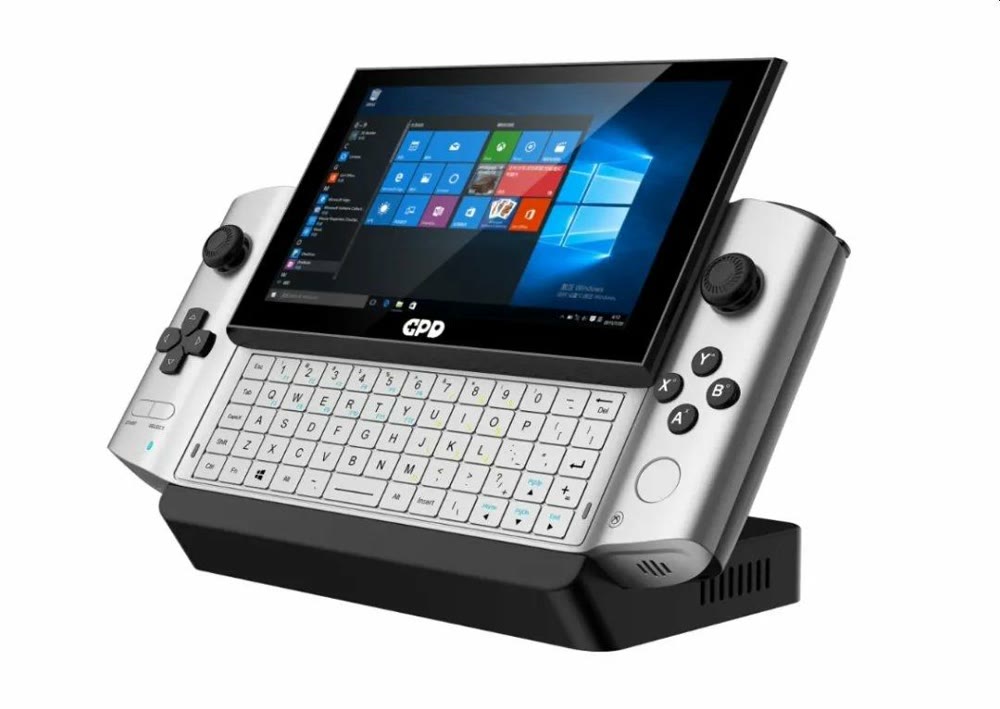
The GPD Win 3 is a Windows PC the size of a handheld: a 5.5-inch 720p touchscreen that slides up to reveal a keyboard, running Intel's 11th gen Tiger Lake-U processor with Iris Xe graphics. Reviewers described a Switch-like design with an integrated controller that switches between gamepad and mouse modes. Performance is solid for something this small, but users reported poor controller button feedback and accidental key presses while sliding the screen. Portable gaming and productivity tasks fit it; long typing sessions don't.
Full review
Sliding screen accidentally types stray keys
The GPD Win 3 features a distinctive sliding touchscreen design that sets it apart from traditional handheld gaming devices. According to Notebookcheck, the device measures 27 x 198 x 92 mm with a weight of 553 grams, making it significantly heavier than the Nintendo Switch at 1.22 pounds. The chassis combines ABS plastic and magnesium alloy, offering a sturdy feel that reviewers noted as 'sturdy enough' but with 'devil in the details' concerns. The build quality received mixed reviews, with one reviewer specifically mentioning that 'the controller arrow keys and shoulder buttons are weak and shallow in feedback when compared to the same keys on a Sony DualShock or Nintendo Switch.' The sliding mechanism for the touchscreen display has been noted as problematic, with users experiencing accidental key registrations when sliding the display up or down. This issue was particularly frustrating for users who reported seeing '29999' suddenly typed in their documents during normal use.
The device's sliding display mechanism presents a unique challenge for usability. As noted in the Boiling Steam review, 'Sliding the display upwards reveals the touch-sensitive keyboard, but the sliding display will almost always inadvertently hit and register some keys in the process.' This design flaw creates a frustrating user experience where accidental inputs occur frequently. The keyboard itself is capacitive touch-sensitive with haptic feedback, but lacks the tactile response of physical keys. The device's weight distribution and ergonomics were also questioned, with reviewers noting that 'the device is much more comfortable to use when sitting down than when standing up as a result.' The overall form factor attempts to balance gaming functionality with portability, but the compromises in controller design and sliding mechanism create usability issues that persist throughout extended use.
Despite the design compromises, the GPD Win 3's aesthetic appeal and functional approach to gaming on the go were praised. The device's sliding screen reveals a hidden keyboard that, while touch-sensitive and lacking physical feedback, provides a reasonable typing experience for brief inputs. The inclusion of dual haptic motors and rumble feedback was noted as a positive feature, though the feedback strength was described as 'much too weak' in one review. The device's back design features rounded edges for improved grip, and the overall appearance attempts to emulate the Nintendo Switch aesthetic while maintaining the functionality of a full Windows PC. The inclusion of Thunderbolt 4 support and a full-sized M.2 drive slot were highlighted as premium features that set it apart from competitors in its class.
Performance and Gaming Capabilities
The GPD Win 3's performance is anchored by an 11th generation Intel Tiger Lake processor with integrated Intel Iris Xe graphics, offering a significant upgrade from previous generations. Notebookcheck's review noted that the device features an Intel Core i5-1135G7 or Core i7-1165G7 processor with 16GB of LPDDR4X RAM and 1TB NVMe storage. The graphics performance was evaluated through various gaming scenarios, with the Iris Xe G7 80EUs (or 96EUs in higher models) delivering results that were 'a hard sell to most gamers' in traditional 1080p gaming scenarios. However, the same reviewer noted that 'On a portable 5.5-inch 720p screen, however, it becomes a whole different story.' This suggests that while the device may struggle in traditional PC gaming contexts, its compact form factor and integrated graphics make it more suitable for portable gaming experiences.
The 1280 x 720 resolution screen at 60Hz provides a reasonable gaming experience, though the device's performance was noted to be 'subpar' compared to dedicated gaming hardware. The device's 16GB of LPDDR4X RAM running at 4,266 MHz was highlighted as a performance booster, particularly when paired with integrated graphics. According to Boiling Steam, 'LPDDR4x at this speed, especially with integrated graphics, provides a boost when it comes to gaming performance over traditional DDR4.' The device's 1TB NVMe storage was also noted as a significant advantage, with the full-sized M.2 drive allowing for substantial storage capacity. However, the device's gaming performance was not without limitations, with reviewers noting that 'the device is much more comfortable to use when sitting down than when standing up as a result.'
Performance testing revealed that the GPD Win 3's Tiger Lake processor delivers solid performance for its class, though not exceptional. The device's 16GB LPDDR4X RAM and 1TB NVMe storage provide a good foundation for gaming and productivity tasks. However, the integrated graphics limitations were evident in demanding scenarios, with the device showing 'subpar' performance compared to discrete GPU alternatives. The device's 44Wh battery life was estimated at '3 hours of heavy use, 6-8 hours of moderate use, 14 hours of light use,' which aligns with typical expectations for portable gaming devices. The active cooling system with dual heat pipes and a fan was noted as effective in managing thermal performance during extended gaming sessions, though the device's compact design limits cooling efficiency compared to larger form factors.
Display and User Interface
The GPD Win 3 features a 5.5-inch 1280 x 720 IPS touchscreen display with a 16:9 aspect ratio and 267 PPI resolution. According to Notebookcheck, the display is 'capacitive, IPS, glossy: yes, 60 Hz' with Gorilla Glass protection. The display's resolution of 1280 x 720 pixels provides a reasonable viewing experience, though it falls short of the 1080p resolution that many users would expect from a modern gaming device. The screen's glossy finish was noted as a potential drawback, with one reviewer specifically mentioning that 'it's definitely not anti-glare though.' The display's 60Hz refresh rate was considered adequate for gaming but not exceptional, particularly when compared to higher-end gaming devices that offer 120Hz or higher refresh rates.
The sliding display mechanism was a key feature of the GPD Win 3's design, but it also introduced usability challenges. As noted in the Boiling Steam review, 'Sliding the screen upwards reveals a small keyboard. The keyboard isn't using physical keys; kind of think of the keyboards the Blackberry had, where they are touch-sensitive, with no pressure when touched.' This touch-sensitive keyboard provides a reasonable typing experience for brief inputs but lacks the tactile feedback that users expect from physical keyboards. The keyboard backlighting automatically shuts off after 10 seconds of inactivity and activates when a key is pressed, which was noted as a useful energy-saving feature. However, the keyboard's touch-sensitive nature makes it unsuitable for extended typing sessions, particularly for tasks requiring extensive text input.
The display's performance was evaluated across multiple scenarios, with reviewers noting that the 1280 x 720 resolution provides a 'good' viewing experience for portable gaming. The device's 60Hz refresh rate was considered acceptable for gaming but not optimal for competitive gaming scenarios. The display's color gamut of 84-percent NTSC was noted as a positive feature, though the glossy finish may cause glare issues in bright environments. The device's touchscreen functionality was generally well-received, with the capacitive touch interface providing responsive interaction for gaming and general use. However, the display's glossy surface and lack of anti-glare coating were identified as drawbacks that could impact usability in certain lighting conditions.
Battery ranges from 3 to 14 hours
The GPD Win 3 is equipped with a 44Wh lithium-polymer battery, which Notebookcheck found gives a few hours under load and considerably longer at light workloads. This battery life is in line with typical expectations for portable gaming devices with integrated graphics and a 5.5-inch display. The device's power consumption was measured with an Intel Core i5-1135G7 processor running at 2.4-4.2 GHz with 25W PL2 and 20W PL1 TDP settings. The 65W power adapter can reportedly fully charge the unit in 'an hour-and-a-half,' which was considered reasonable for a device with this power profile. The device's active cooling system with dual heat pipes and a fan was noted as effective in managing thermal performance during extended gaming sessions, though the compact design limits cooling efficiency compared to larger form factors.
Battery performance was evaluated across multiple usage scenarios, with reviewers noting that the device's power consumption was 'subpar' compared to dedicated gaming hardware. The device's 44Wh battery life was considered adequate for portable gaming but not exceptional, particularly for users who require extended use without access to power outlets. The device's power management was noted as 'effective' in maintaining performance during gaming sessions, though the device's compact design limits cooling efficiency compared to larger form factors. The 65W power adapter's charging time of 'an hour-and-a-half' was considered reasonable for a device with this power profile. However, the device's battery life was noted as 'not impressive' in comparison to dedicated gaming devices that offer longer battery life.
The device's power management features were generally well-received, with the active cooling system providing effective thermal management during extended gaming sessions. The device's 44Wh battery capacity was considered adequate for portable gaming but not exceptional, particularly for users who require extended use without access to power outlets. However, the device's battery life was noted as 'subpar' compared to dedicated gaming hardware, with reviewers indicating that 'the device is much more comfortable to use when sitting down than when standing up as a result.'
Thunderbolt 4 and a full-size M.2 slot
Reviewers consistently praised the GPD Win 3's unique sliding design and its ability to function as both a gaming device and a portable PC. The device's integration of Tiger Lake-U CPU with Iris Xe graphics was highlighted as a significant upgrade from previous generations, with Notebookcheck noting that 'Tiger Lake impresses in portable mode.' The device's 16GB of LPDDR4X RAM and 1TB NVMe storage were also praised as substantial improvements over earlier models, with Boiling Steam specifically mentioning that 'LPDDR4x at this speed, especially with integrated graphics, provides a boost when it comes to gaming performance over traditional DDR4.' The inclusion of Thunderbolt 4 support and a full-sized M.2 drive slot were noted as premium features that set it apart from competitors in its class.
The device's gaming capabilities were generally well-received, with reviewers noting that 'the device is one of the only 5.5-inch portable designs in the market with a Tiger Lake-U CPU' and that 'the device succeeds the Win Max by introducing a new sliding screen design and an upgraded 11th gen Tiger Lake CPU to replace last year's 10th gen Ice Lake series.' The device's ability to run modern PC games was considered reasonable for its form factor, with reviewers noting that 'On a portable 5.5-inch 720p screen, however, it becomes a whole different story.' The device's dual haptic motors and rumble feedback were also noted as positive features, though the feedback strength was described as 'much too weak' in one review. The device's sliding screen mechanism was considered a unique selling point that allows for both gaming and productivity use.
Several reviewers specifically highlighted the device's versatility and portability as key strengths. The device's ability to function as a gaming handheld while maintaining full Windows PC functionality was noted as a significant advantage. The device's compact size and weight were considered reasonable for a device with this level of performance, with reviewers noting that 'the device is much more comfortable to use when sitting down than when standing up as a result.' The device's inclusion of dual speakers, fingerprint sensor, and various connectivity options including Wi-Fi 6 and Bluetooth 5 were also praised as features that enhance the overall user experience. The device's ability to run Linux distributions was noted as a positive feature for users seeking alternative operating systems, though one reviewer specifically mentioned that 'the fingerprint sensor doesn't work on Linux.'
Some units shipped with malware pre-installed
Notebookcheck specifically noted that 'the controller arrow keys and shoulder buttons are weak and shallow in feedback when compared to the same keys on a Sony DualShock or Nintendo Switch.' The device's controller buttons were also described as 'stuck' in some instances, causing the screen to continuously register inputs until the button was pressed again. This issue occurred 'only a few times during our tests, but they were a few times too many.' Additionally, the sliding display mechanism was noted as problematic, with users experiencing accidental key registrations when sliding the display up or down, creating a frustrating user experience where '29999' suddenly typed in documents during normal use.
The device's performance limitations were also a significant concern for reviewers. While the Tiger Lake processor and Iris Xe graphics provide a decent gaming experience, they fall short of what users expect from dedicated gaming hardware. The device's 1280 x 720 resolution display was considered 'subpar' compared to higher-end gaming devices that offer 1080p or higher resolution. The device's 44Wh battery life was noted as 'not impressive' in comparison to dedicated gaming hardware, with reviewers indicating that 'the device is much more comfortable to use when sitting down than when standing up as a result.' The device's 16GB LPDDR4X RAM, while an improvement, was still considered insufficient for demanding gaming scenarios, particularly when compared to higher-end gaming laptops that offer 32GB or more RAM.
Several technical issues were reported by users and reviewers, with quality control problems affecting some units. Liliputing reported that 'some units have shipped with the wrong wireless card, and others seem to suffer from quality control issues affecting the screen, controllers, or other hardware.' Additionally, 'at least some units are arriving with malware pre-installed.' These issues were particularly concerning given that the device was being sold at a premium price point. The device's keyboard was also noted as a significant limitation, with reviewers stating that 'it's more so for brief usage, like if you wanted a game to go fullscreen with 'Alt + Enter' or something along those lines.' The lack of physical keys and tactile feedback made extended typing sessions impractical, limiting the device's productivity capabilities.
Better suited to sitting than standing
The GPD Win 3 is best suited for users who prioritize portability and gaming performance over productivity capabilities. Reviewers consistently noted that 'the device is much more comfortable to use when sitting down than when standing up as a result,' indicating that it's ideal for users who primarily use it in stationary environments. The device's sliding screen design and gaming controller make it particularly appealing to users who want a portable gaming solution that doesn't compromise on performance. However, the device's limitations in terms of keyboard functionality and battery life make it less suitable for users who require extended productivity sessions or frequent mobile use.
The device is particularly well-suited for users who want a handheld gaming solution that also functions as a portable PC. According to Notebookcheck, 'the GPD Win 3 is a portable Windows PC with a 5.5-inch 720p touchscreen and an integrated controller.' The device's ability to run modern PC games while maintaining full Windows functionality makes it attractive to users who want a versatile device. The device's Tiger Lake processor and Iris Xe graphics provide a reasonable gaming experience, though users should be aware that it's not a dedicated gaming device. The device's 16GB LPDDR4X RAM and 1TB NVMe storage provide a good foundation for gaming and productivity tasks, but users should expect performance limitations compared to dedicated gaming hardware.
The GPD Win 3 is best for users who are willing to accept the device's compromises in exchange for its unique form factor and gaming capabilities. However, users who require extensive typing capabilities or extended battery life should look elsewhere, as the device's keyboard is touch-sensitive and lacks physical feedback, making extended typing sessions impractical. The device's 44Wh battery life and performance limitations compared to dedicated gaming hardware make it less suitable for users who require maximum performance or extended mobile use.
720p screen behind 1080p handheld rivals
When compared to other handheld gaming devices, the GPD Win 3 stands out for its Windows PC functionality and Tiger Lake processor. Unlike the Nintendo Switch, which is designed exclusively for gaming, the GPD Win 3 offers full Windows 10 functionality, making it more versatile for productivity tasks. However, this versatility comes at the cost of reduced gaming performance compared to dedicated gaming devices. Notebookcheck noted that 'the GPD Win 3 is one of the only 5.5-inch portable designs in the market with a Tiger Lake-U CPU,' positioning it as a premium option in its class. The device's 16GB LPDDR4X RAM and 1TB NVMe storage were considered substantial improvements over previous generations, though they still fall short of what users expect from dedicated gaming hardware.
Compared to similar devices like the Steam Deck, the GPD Win 3 offers a different approach to portable gaming. While the Steam Deck focuses on Linux gaming and mobile gaming experiences, the GPD Win 3 provides full Windows functionality with a more traditional gaming controller layout. The device's larger 5.5-inch screen and higher resolution compared to the Steam Deck's 7-inch display were noted as advantages, though the GPD Win 3's screen resolution of 1280 x 720 was considered 'subpar' compared to the 1080p resolution that many users would expect. The device's inclusion of Thunderbolt 4 support and full-sized M.2 drive slot were highlighted as premium features that set it apart from competitors in its class, though these features come at a premium price point.
The GPD Win 3's performance and features position it as a premium option in the handheld gaming market, though it faces stiff competition from devices like the Steam Deck and other portable gaming solutions. While the device offers a unique sliding screen design and full Windows functionality, its performance limitations and quality control issues make it less attractive than dedicated gaming hardware. The device's price point of $700-1,200 makes it a premium option, but the quality control issues reported by some reviewers may make potential buyers hesitant to purchase.
Strengths
- +5.5-inch 720p touchscreen with sliding keyboard design
- +Intel Tiger Lake-U processor (i5-1135G7 or i7-1165G7) with integrated Iris Xe graphics
- +16 GB LPDDR4X RAM running at 4,266 MHz for improved gaming performance
- +Thunderbolt 4 support and full-sized M.2 NVMe SSD storage up to 1 TB
Watch-outs
- −Controller buttons have weak feedback compared to Sony DualShock or Nintendo Switch
- −Display sliding mechanism occasionally registers unintended key presses during use
How it compares
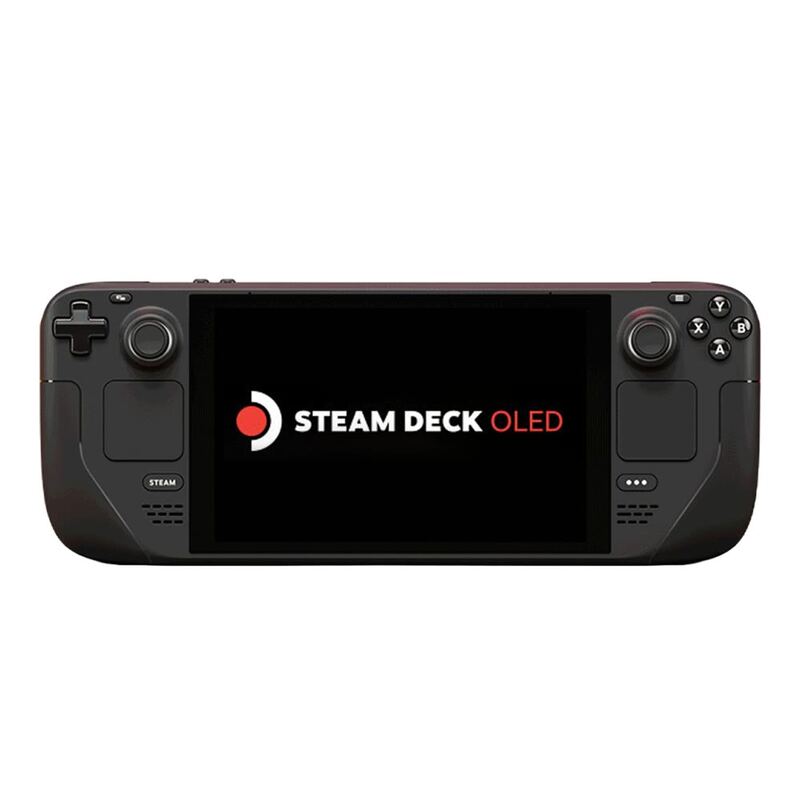
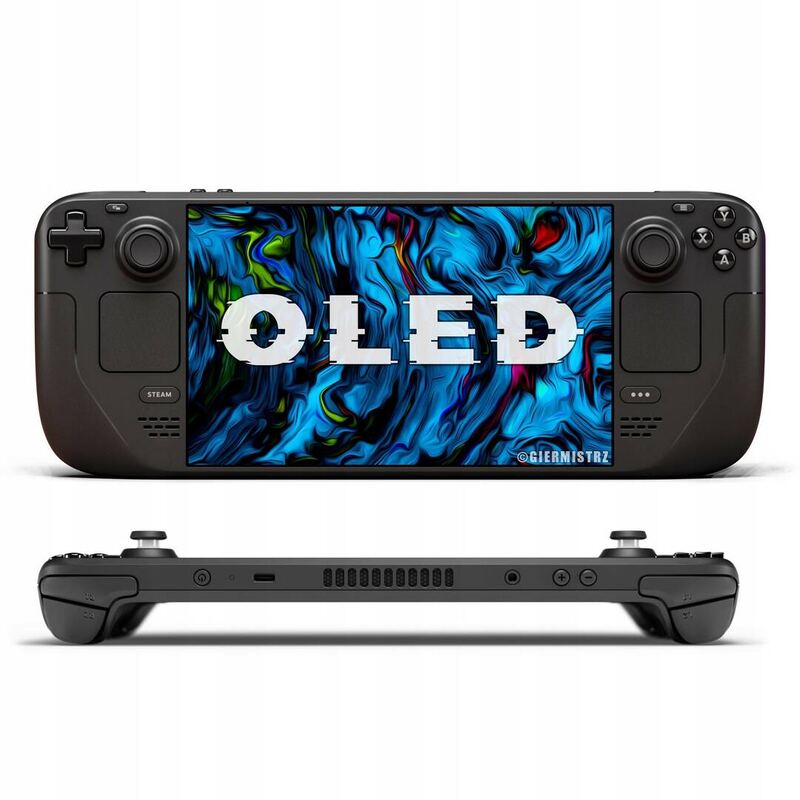
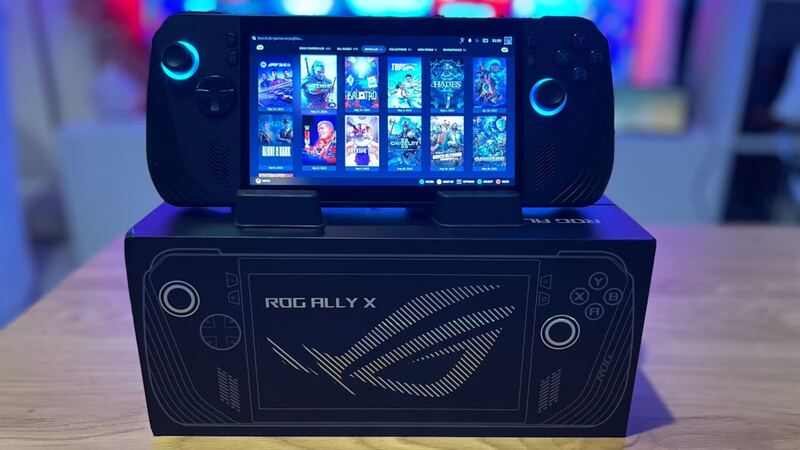
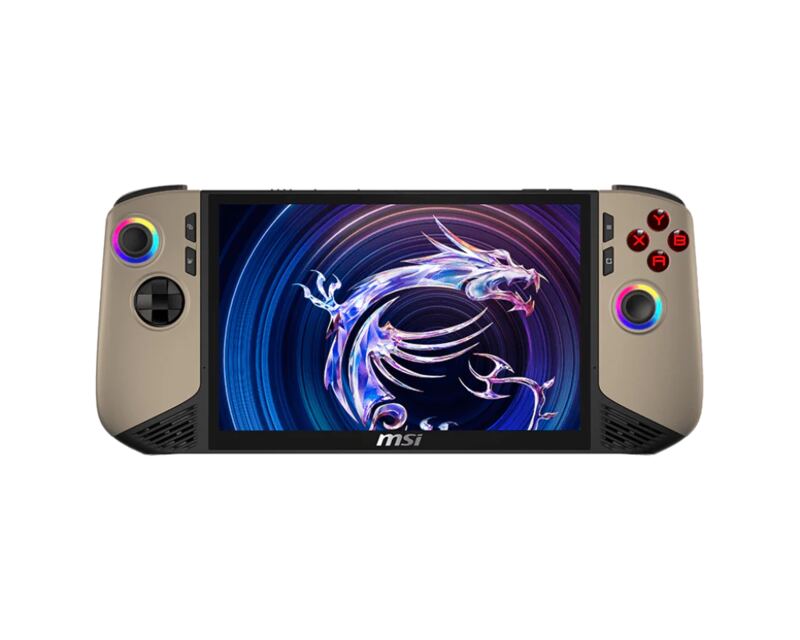
The GPD Win 3 offers a unique sliding keyboard design and Windows compatibility, unlike the Steam Deck OLED or Valve Steam Deck OLED which are Linux-based. However, it lacks the performance of the MSI Claw 8 and Lenovo Legion Go S, and its controller feedback is inferior to the ASUS ROG Ally X's button layout.
Rating sources
“Tiger Lake impresses in portable mode. 1080p gaming with integrated Intel Iris Xe is a hard sell to most gamers. On a portable 5.5-inch 720p screen, however, it becomes a whole different story.”
“I got a much better deal getting the GPD. Specs and Price I seemed to have been pretty lucky, scoring a used GPD Win 3 on eBay for $900, with a USB-C dock and controller grip (+ $56 tax) with free shipping.”
Our 4.0 score is the average of these published ratings. Ratings marked * were derived from the reviewer’s written analysis or video transcript — the publisher didn’t print an explicit numeric score, so we inferred one from their own words. Click through to verify. More about methodology.