Verdict
Head-to-head · Best Handheld Gaming PCs

GPD Win 3 vs Valve Steam Deck OLED

Which is the better buy? Side-by-side on rating, price, strengths, and watch-outs — with the published ratings we averaged to get there.

The short answer

Valve Steam Deck OLED comes out ahead by a narrow margin (4.3 vs 4.4). The gap is mostly about SteamOS users prioritizing battery life — read the strengths below before deciding.

GPD Win 3
Ranked #4 in Best Handheld Gaming PCs
GPD Win 3
$798.95as of Jul 6

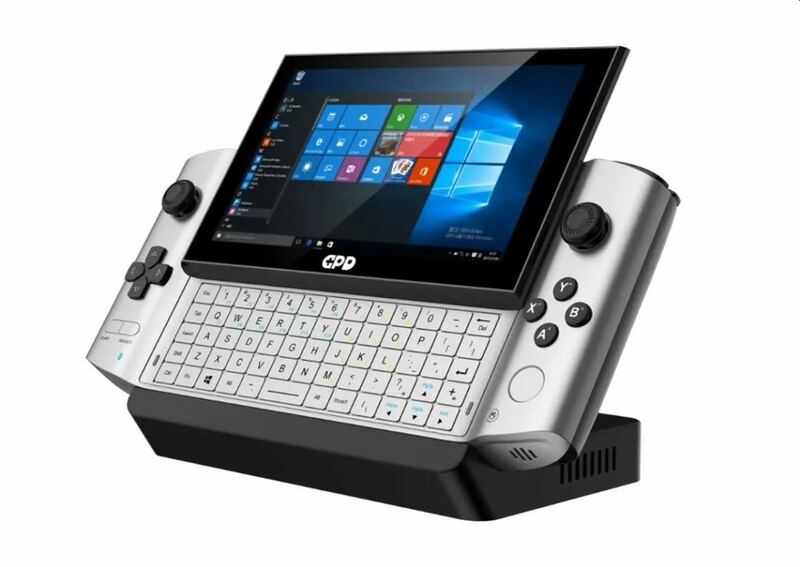
The GPD Win 3 is a portable Windows PC featuring a 5.5-inch 720p touchscreen with sliding keyboard, powered by Intel's 11th gen Tiger Lake-U processor and Iris Xe graphics. Reviewers noted its Switch-like design with integrated controller and dual-mode operation (gamepad/mouse). The device offers solid performance for its form factor, though some users reported issues with controller button feedback and accidental key presses during screen sliding. It's best suited for portable gaming and productivity tasks rather than extended typing sessions.

Strengths
  • 5.5-inch 720p touchscreen with sliding keyboard design
  • Intel Tiger Lake-U processor (i5-1135G7 or i7-1165G7) with integrated Iris Xe graphics
  • 16 GB LPDDR4X RAM running at 4,266 MHz for improved gaming performance
Watch-outs
  • Controller buttons have weak feedback compared to Sony DualShock or Nintendo Switch
  • Display sliding mechanism occasionally registers unintended key presses during use
Valve Steam Deck OLED
Higher ratedRanked #2 in Best Handheld Gaming PCs
Valve Steam Deck OLED
$924.98as of Jul 6

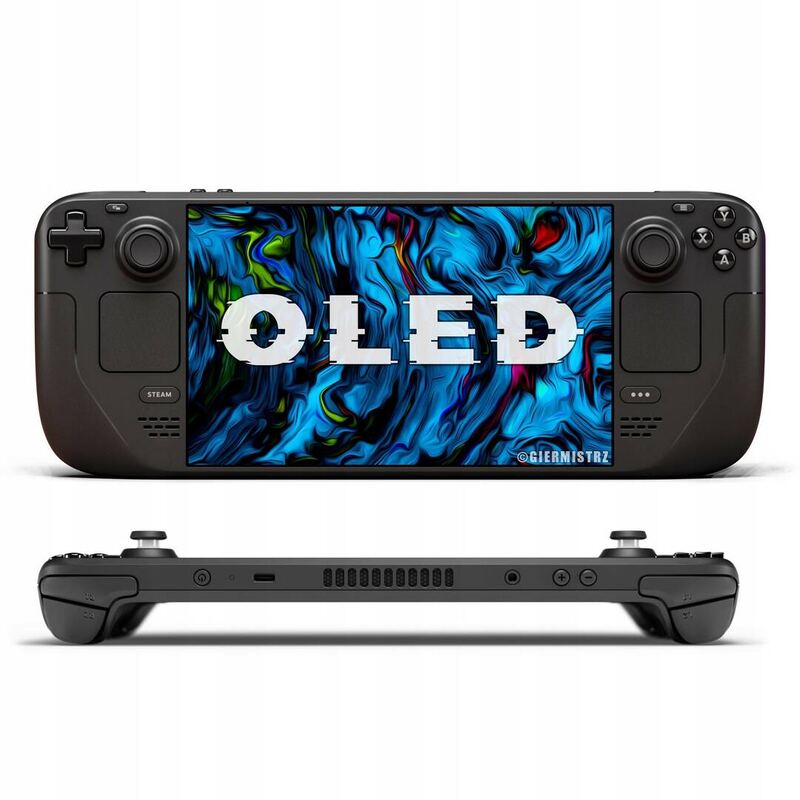
The Valve Steam Deck OLED represents a significant visual upgrade over its predecessor, with an OLED display that delivers vibrant HDR images and 1,000 nits peak brightness. Reviewers noted that the OLED screen alone makes the device feel notably better, with excellent color reproduction and 90Hz refresh rate. The device also features improved battery life, quieter fans, and Wi-Fi 6E support. While the AMD APU hardware shows its age with some newer games, the Steam Deck remains capable of delivering immersive gaming experiences with titles like Diablo 4 and God of War Ragnarök. This is a solid upgrade for users seeking better display quality and performance improvements.

Strengths
  • OLED display delivers vibrant HDR image with 1,000 nits peak brightness and 110% P3 color gamut
  • Improved battery life with 50Whr battery and 6nm AMD APU for better efficiency
  • Quieter fans compared to original Steam Deck model
Watch-outs
  • AMD APU hardware shows age with some recent big-budget games
  • Still uses sub-1080p resolution of 1280 x 800 pixels which may seem like a downgrade

How they stack up

GPD Win 3

The GPD Win 3 offers a unique sliding keyboard design and Windows compatibility, unlike the Steam Deck OLED or Valve Steam Deck OLED which are Linux-based. However, it lacks the performance of the MSI Claw 8 and Lenovo Legion Go S, and its controller feedback is inferior to the ASUS ROG Ally X's button layout.

Valve Steam Deck OLED

The Valve Steam Deck OLED improves upon the original Steam Deck OLED with better battery life and quieter fans, but lags behind the MSI Claw 8 in terms of hardware performance and battery capacity. It also doesn't match the Lenovo Legion Go S's Z1 Extreme chipset or the ASUS ROG Ally X's Xbox UI integration.

Specs side-by-side

SpecGPD Win 3Valve Steam Deck OLED
ProcessorIntel Core i5-1135G7 or i7-1165G7Zen 2 4c/8t, 2.4-3.5GHz
Display5.5-inch 1280 x 7207.4" OLED, 1280 x 800
Memory16 GB LPDDR4X16 GB LPDDR5
Storage1 TB NVMe SSD1TB NVMe SSD
GraphicsIntel Iris Xe Graphics G78 RDNA 2 CUs, 1.6GHz
Refresh Rate60 HzUp to 90Hz
Battery44 Wh50Whr battery
← See the full ranking of best handheld gaming pcs