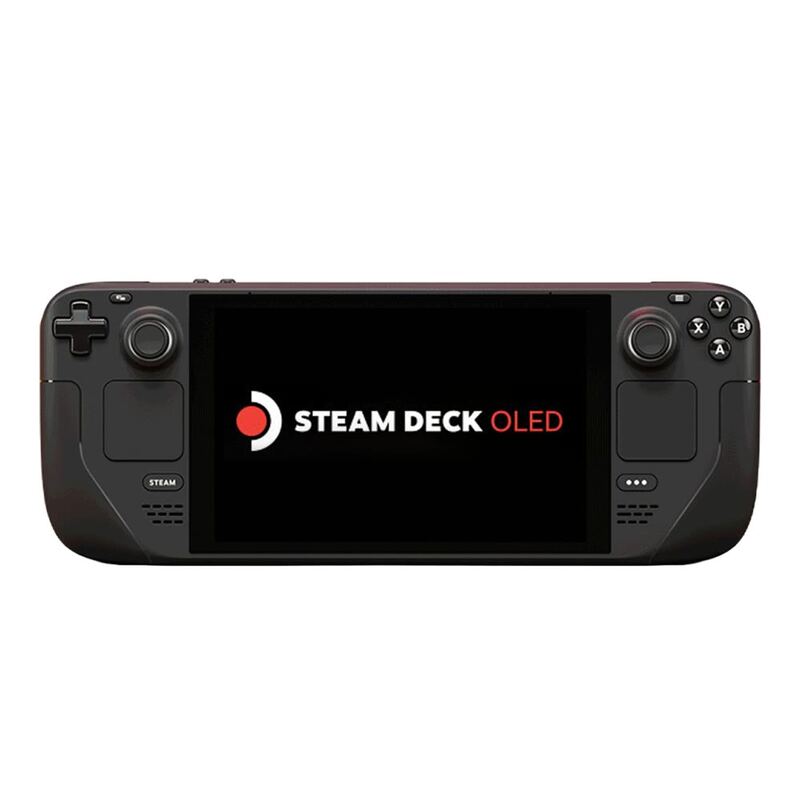
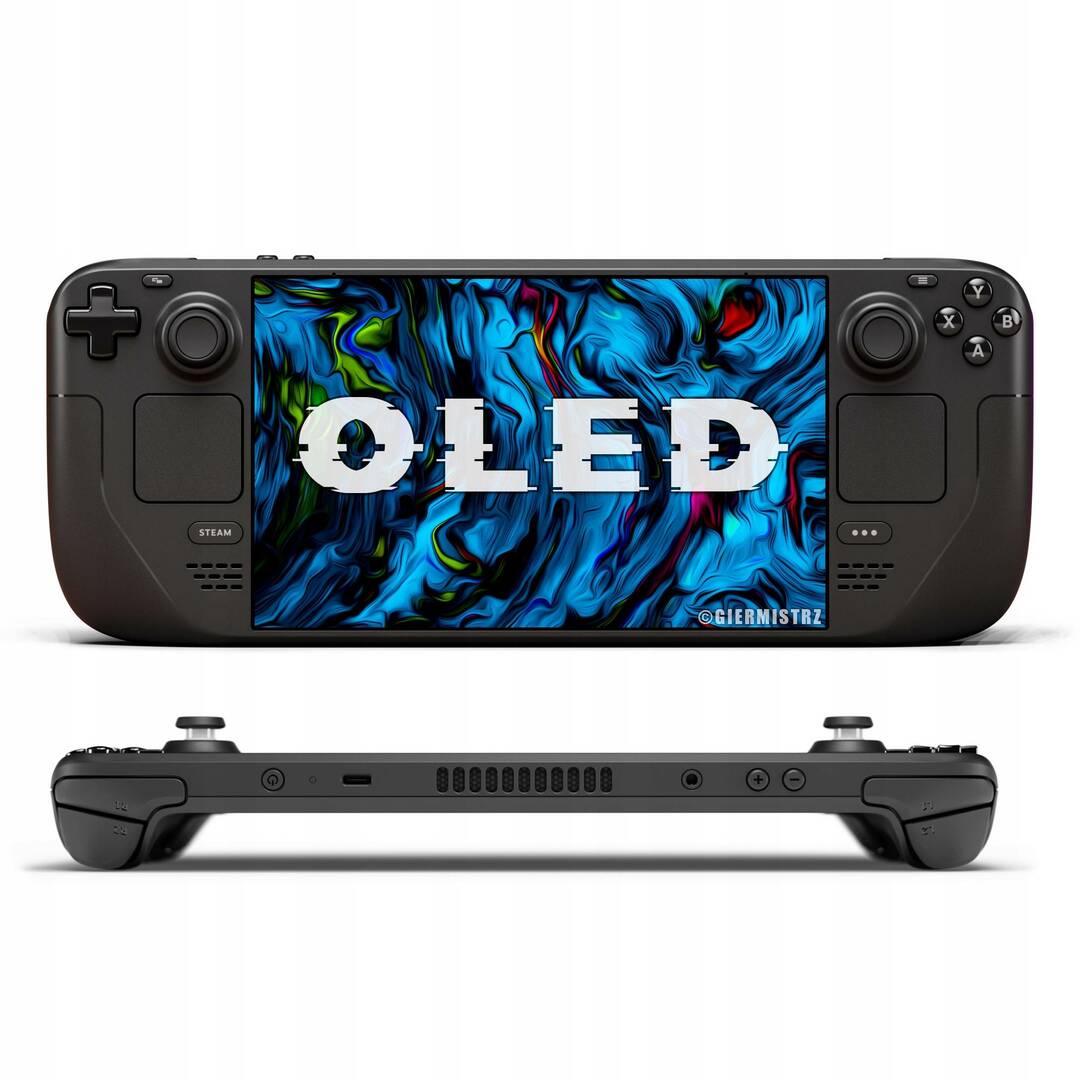
The Valve Steam Deck OLED's big change over the original is the display: vibrant HDR images and 1,000 nits peak brightness. Reviewers said the screen on its own makes the handheld feel notably better, with excellent color reproduction and a 90Hz refresh rate. Battery life improves, the fans run quieter, and Wi-Fi 6E is supported. The AMD APU hardware is showing its age on some newer games, though titles like Diablo 4 and God of War Ragnarök still pull off immersive play. For anyone who wants a better screen and a performance bump, it's a solid upgrade.
Full review
Display Excellence
The Steam Deck OLED's 7.4-inch OLED screen represents a substantial leap over the original LCD model, delivering a display that's both visually striking and functionally superior. Digital Foundry's Richard Leadbetter noted that the OLED screen hits 1000 nits peak brightness in HDR mode, compared to the original's 400 nits, with a 110% P3 wide color gamut and a million-to-one contrast ratio. This upgrade transforms the handheld's visual experience, making games like Ori and the Will of the Wisps look 'class-leading HDR' with home cinema display fidelity. The screen's 90Hz refresh rate, combined with enhanced SteamOS frame-rate limiting capabilities, allows for smoother gameplay and better input latency. Birchtree.me reviewer emphasized that the OLED screen is 'absolutely the star of the show,' calling it 'spectacular compared to any screen in this class.' The display's improved color reproduction, HDR support, and brightness make it a standout feature that significantly elevates the overall user experience.
Performance and Efficiency
Valve's Steam Deck OLED features a revised 6nm AMD APU with the same 15W TDP as the original, but with improved efficiency and performance. Digital Foundry measured a 2-9% performance increase over the original model, depending on the content tested, while also noting better memory bandwidth with 6400MT/s LPDDR5 RAM versus the original's 5500MT/s. The new processor's efficiency reduces heat and fan noise, making the OLED model significantly quieter than its predecessor. The 50Whr battery, an upgrade from the 40Whr in the original, combined with the more efficient 6nm process and larger screen, provides noticeably better battery life. While the performance gains aren't dramatic, they're meaningful enough to make a difference in gameplay, particularly for older or lower-intensity games that can now run at 90fps instead of 60fps.
Larger 7.4-inch screen, smaller bezels
The Steam Deck OLED maintains the familiar form factor of the original while incorporating several refinements that improve the overall user experience. The device is slightly lighter at 639g compared to the original's 669g, yet feels more substantial in hand. The OLED screen is larger at 7.4 inches versus the original's 7-inch display, resulting in smaller bezels and a more immersive viewing experience. The build quality remains consistent with Valve's attention to detail, featuring the same robust plastic construction that has made the Steam Deck popular among users. The device includes a 3.5mm headphone jack, dual analog sticks with touch capabilities, two trackpads with haptic feedback, and a comprehensive array of buttons and controls. The addition of Wi-Fi 6E support, Bluetooth 5.3, and a larger battery capacity all contribute to a more refined and capable handheld gaming system that maintains the original's ergonomic design while improving upon it.
HDR toggles on with no fuss
SteamOS 3, the Linux-based operating system that powers the Steam Deck, continues to provide an intuitive and streamlined gaming experience. The system's integration with Steam's library management makes it easy to access and play games without the need for extensive configuration or optimization. As noted by 3rd-phase-boss.com, the Steam Deck feels more like a console than a PC, with SteamOS making it simple to identify and play Steam Deck Verified games that work seamlessly out of the box. Digital Foundry highlighted that HDR support works 'very simply' on the Steam Deck, with games either booting automatically in HDR mode or requiring only a simple toggle in the game's settings menu. The system's frame-rate limiting capabilities have been enhanced to work with the 90Hz display, allowing users to set frame-rate caps that are then properly handled by the display's refresh rate. The software's ability to handle HDR content without requiring complex setup or configuration makes the Steam Deck OLED a more accessible and user-friendly device for casual and experienced gamers alike.
A claimed 25 percent battery gain
The Steam Deck OLED's battery life represents a significant improvement over the original model, with Valve citing a 25% increase in battery life due to the larger 50Whr battery capacity, more efficient 6nm processor, and the energy-saving properties of the OLED display. The increased efficiency of the 6nm APU, combined with the larger battery, results in more consistent performance throughout extended gaming sessions. Digital Foundry noted that the OLED screen is actually more efficient than its LCD predecessor, contributing to better overall power consumption. However, the battery life improvement isn't game-changing, and users should still expect to recharge the device during longer gaming sessions. The combination of improved efficiency and larger capacity provides a more reliable and consistent power experience compared to the original model.
OLED screen called the standout feature
Reviewers consistently praised the OLED screen as the standout feature of the Steam Deck OLED, with Digital Foundry calling it 'beautiful' and 'stunning' in comparison to the original LCD model. The display's brightness, color accuracy, and HDR support were all highlighted as major improvements that significantly enhance the gaming experience. Birchtree.me reviewer noted that the OLED screen is 'absolutely the star of the show' and 'spectacular compared to any screen in this class,' while 3rd-phase-boss.com emphasized that the OLED upgrade makes the device feel like 'a game changer' in its own right. The quieter fans, improved Wi-Fi 6E connectivity, and overall refinement of the system were also widely appreciated. The SteamOS integration and the ability to play games without extensive configuration were consistently mentioned as key strengths that make the Steam Deck OLED an appealing choice for portable gaming.
Still capped at 1280x800 resolution
Despite its many strengths, the Steam Deck OLED isn't without its drawbacks. The device remains locked into the Steam ecosystem, which may be limiting for users who prefer more flexibility or want to use non-Steam games. Pickr.com.au reviewer noted that 'not every game works' on the system, which could be a significant limitation for users seeking broader compatibility. The device's performance, while improved, still lags behind newer handheld gaming systems like the ASUS ROG Ally X, with the original AMD APU architecture showing its age with some recent big-budget titles. Additionally, while the OLED screen is a major upgrade, it's still limited to a 1280x800 resolution, which some reviewers felt was a missed opportunity for a more substantial display improvement. The device's price point, starting at $899, may also be prohibitive for some users, especially when compared to alternatives that offer better performance or more features.
Made for people already living in Steam
The Steam Deck OLED is best suited for users who prioritize portability, ease of use, and Steam library integration over raw performance or system flexibility. Gamers who primarily use Steam and want a console-like experience without the complexity of PC gaming will find the device particularly appealing. The OLED screen's improved brightness and color accuracy make it ideal for users who value visual quality in their handheld gaming experience. Those who enjoy retro gaming or want to play older titles that benefit from the 90Hz refresh rate will also appreciate the improvements. However, users seeking maximum performance, broad game compatibility, or non-Steam gaming options should look elsewhere. The device is also ideal for users who value the convenience of a single device that can handle both casual and more intensive gaming sessions, though they should be aware that the performance may not match dedicated gaming handhelds or high-end laptops.
Strengths
- +OLED display delivers vibrant HDR image with 1,000 nits peak brightness and 110% P3 color gamut
- +Improved battery life with 50Whr battery and 6nm AMD APU for better efficiency
- +Quieter fans compared to original Steam Deck model
- +Wi-Fi 6E support provides faster downloads and improved online gaming latency
Watch-outs
- −AMD APU hardware shows age with some recent big-budget games
- −Still uses sub-1080p resolution of 1280 x 800 pixels which may seem like a downgrade
How it compares
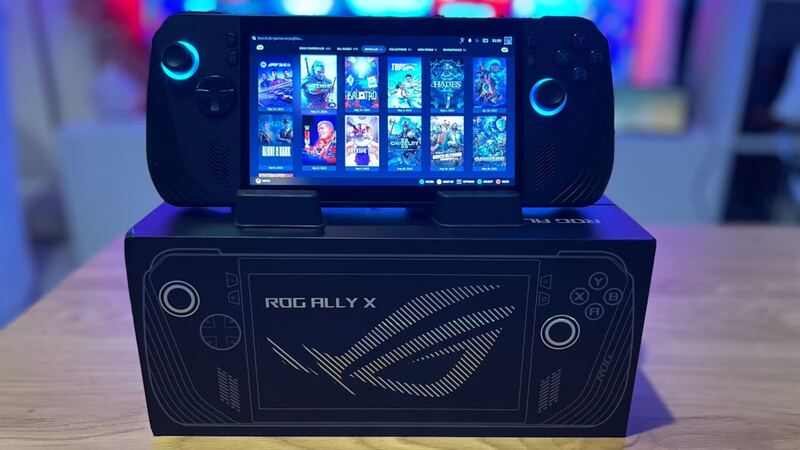
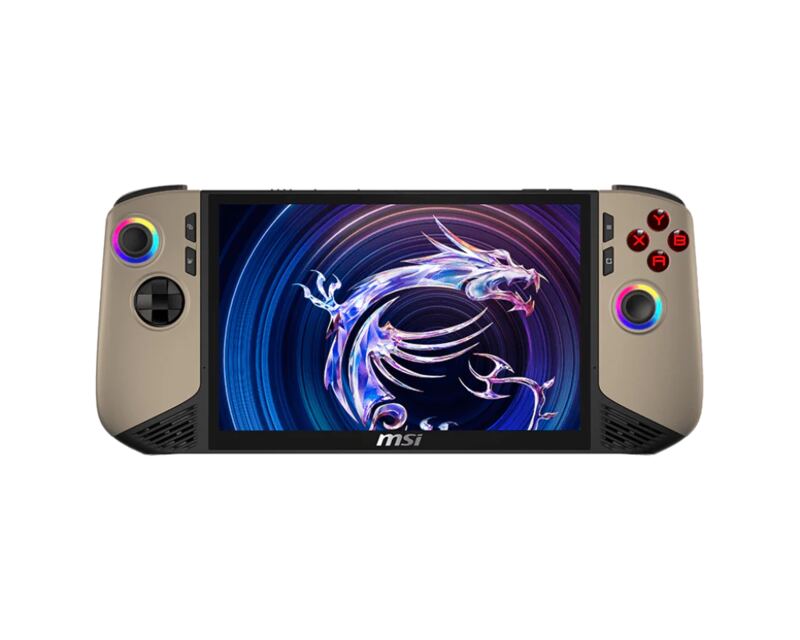
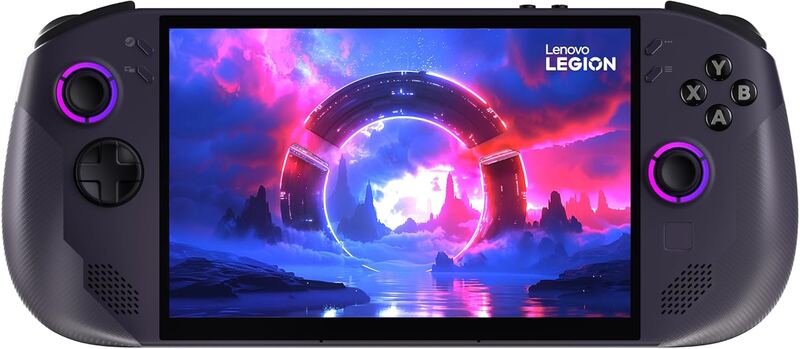
The Valve Steam Deck OLED improves upon the original Steam Deck OLED with better battery life and quieter fans, but lags behind the MSI Claw 8 in terms of hardware performance and battery capacity. It also doesn't match the Lenovo Legion Go S's Z1 Extreme chipset or the ASUS ROG Ally X's Xbox UI integration.
Rating sources
“The Steam Deck has made it to Australia, and after a solid month of gaming on the 1TB OLED model we're ready to present our verdict. Does it hold up as we head into 2025?”
“The OLED screen is legit True to its name, the OLED screen is absolutely the star of the show in this upgrade.”
“In terms of peak brightness with HDR highlights, the display hits 1000 nits - a huge improvement over the lacklustre 400 nits in the original LCD.”
Our 4.4 score is the average of the 4 scored reviews above; 1 more reviewed it without printing a score and is not in the average. Ratings marked * were derived from the reviewer’s written analysis or video transcript — the publisher didn’t print an explicit numeric score, so we inferred one from their own words. Click through to verify. More about methodology.