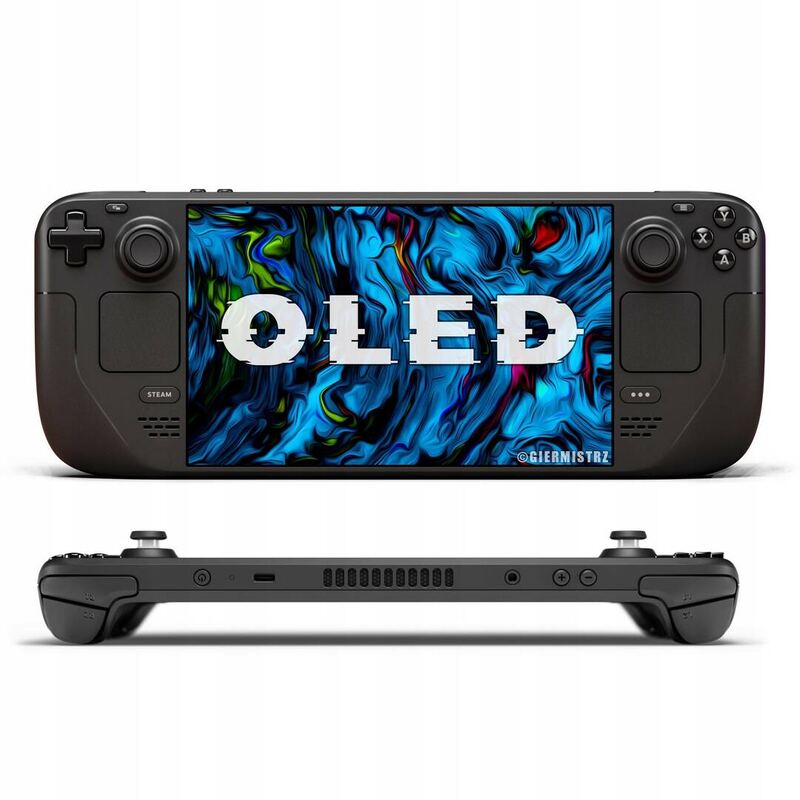
The Steam Deck OLED's headline change is the screen, and reviewers backed it up on color accuracy, HDR support, and the 90Hz refresh rate. Birchtree rated the display well above the original LCD model, calling it 'spectacular' and 'eye-searingly delightful.' Wi-Fi 6E, slightly longer battery life, and quieter fans round out the update. Reviewers still hear the fans in a quiet room, and the battery gain is modest. It's for anyone who wants better visual quality and performance than the original Steam Deck offered, less so for those chasing endurance or silence.
Full review
Display Excellence
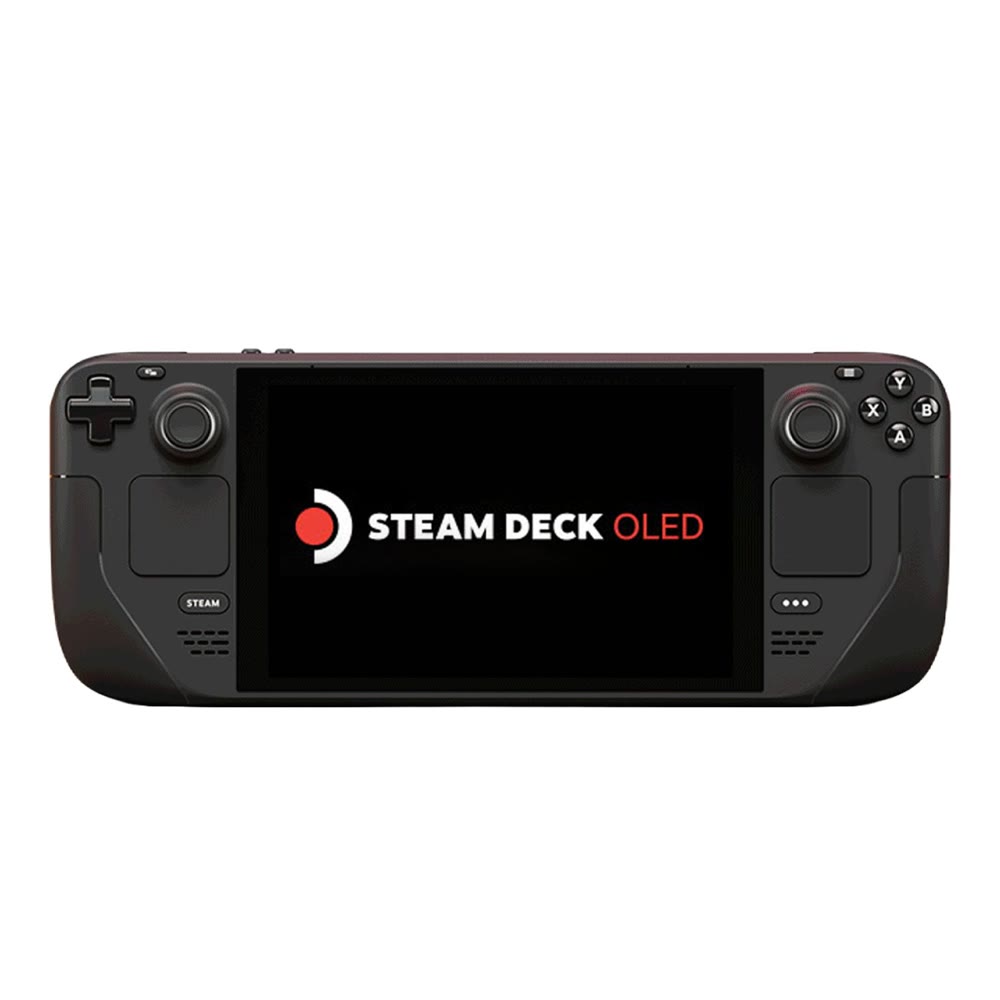
The Steam Deck OLED's screen represents a transformative upgrade from the original LCD model, delivering what reviewers consistently describe as 'stunning' and 'night and day' improvements. Digital Foundry's Richard Leadbetter noted the OLED's peak brightness of 1000 nits in HDR mode, compared to the original's 400 nits, while also highlighting its 110 percent P3 wide color gamut and 90Hz refresh rate. The 7.4-inch diagonal screen size provides larger, more immersive visuals than the 7-inch LCD, with significantly reduced bezels that create a seamless integer-scaled experience for retro games. Retro Handhelds' Joe White emphasized how the OLED's color accuracy makes 2D titles like SNES games look 'smexy AF UwU,' and noted that the screen's contrast and lack of backlighting make it particularly effective for 2D content. Birchtree Designer's review confirmed that the OLED display is 'absolutely the star of the show,' with HDR 'just working' on SteamOS without the messy configuration issues common in Windows environments. The screen's performance is so impactful that it's been described as making the entire package feel 'notably better' every time it's used.
Digital Foundry measured 1000 nits peak brightness in HDR content and noted the display's 110 percent P3 wide color gamut. The 90Hz refresh rate, combined with SteamOS's frame-rate limiting capabilities, allows for smoother gameplay and better input latency, with games capable of running at 90fps instead of the original 60fps. The screen's ability to handle HDR content seamlessly, without the typical Windows compatibility issues, was highlighted by Birchtree Designer as particularly impressive. The OLED's superior contrast ratio and color reproduction make it especially effective for 2D retro content, with the reduced bezels creating a more immersive integer-scaled experience. Birchtree wrote that HDR 'works wonderfully' on the Steam Deck and that it 'looks eye-searingly delightful.'
Performance and Efficiency
While the Steam Deck OLED maintains the same custom AMD 'Van Gogh' processor architecture as the original, significant improvements in efficiency and memory bandwidth have resulted in measurable performance gains. Digital Foundry's testing showed the new 6nm process chip delivering 2-9% better performance depending on content, with the improved 6400MT/s LPDDR5 memory providing better bandwidth and lower latency. The enhanced cooling system, featuring a larger fan that can spin more slowly while maintaining the same heat dissipation, has reduced fan noise significantly compared to the original model. Reviewers noted that the OLED's improved efficiency allows for more consistent frame rates, with games like Half-Life 2 running smoothly at 90fps with max settings. The 50Wh battery, up from 40Wh in the original, combined with the more efficient processor, provides noticeably better battery life, with some reviewers reporting up to 3 hours more usage in intensive gaming scenarios. The system's ability to maintain performance while running cooler has also been noted, with the OLED staying significantly cooler during demanding gameplay sessions.
The Steam Deck OLED's performance improvements, though modest, are meaningful in practical use. Digital Foundry's analysis showed a 2-9% performance boost over the original, with the enhanced memory bandwidth and 6nm process providing better efficiency for AMD APUs. The 6400MT/s LPDDR5 memory upgrade, compared to 5500MT/s in the original, has made a noticeable difference in frame rate consistency and overall system responsiveness. Reviewers noted that the OLED's improved cooling system allows for sustained performance during intensive gaming sessions, with the larger fan spinning more slowly while maintaining effective heat dissipation. The 50Wh battery, increased from 40Wh, has provided significantly better battery life, with some users reporting up to 3 hours more usage in demanding scenarios. The system's ability to maintain performance while running cooler has been particularly appreciated by users who play graphically intensive games regularly, with the OLED staying noticeably cooler than the original model during extended gaming sessions.
Up to three hours longer than the LCD model
The Steam Deck OLED's battery life improvement is one of its most practical upgrades, with the 50Wh capacity providing significantly better performance than the original's 40Wh unit. Reviewers consistently noted that the OLED's battery life is noticeably better, with some reporting up to 3 hours more usage in intensive gaming scenarios. Digital Foundry confirmed that the larger battery, combined with the more efficient 6nm processor, results in substantial improvements in battery life, even though the OLED is slightly lighter at 640g compared to the original's 669g. The improved efficiency of the 6nm chip, along with the larger battery capacity, has made the OLED more suitable for extended gaming sessions without requiring frequent charging. Steam Deck HQ's reviewer noted that for major games that drain the maximum possible, users get about an extra hour to an hour and a half of battery life, while less intensive games can see gains of over 2-3 hours. The battery improvements are particularly valuable for users who rely on the device for portable gaming, with some reviewers reporting nearly 10 hours of battery life in less intensive titles like Stardew Valley, compared to 7 hours on the LCD model.
Battery performance on the Steam Deck OLED has been a significant improvement over the original model, with the 50Wh capacity providing measurable gains. Digital Foundry's testing confirmed that the larger battery, combined with the more efficient 6nm processor, results in substantial improvements in battery life. Steam Deck HQ's reviewer specifically noted that for major games that drain the maximum possible, users get about an extra hour to an hour and a half of battery life, while less intensive games can see gains of over 2-3 hours. The improvement is particularly noticeable in less intensive gaming scenarios, with some users reporting nearly 10 hours of battery life in titles like Stardew Valley, compared to 7 hours on the LCD model. The efficiency gains from the 6nm process and larger battery capacity make the OLED more suitable for extended gaming sessions without requiring frequent charging, which is particularly valuable for users who rely on the device for portable gaming.
Cooling and Thermal Management
The Steam Deck OLED's cooling system represents a significant improvement over the original model, with the larger fan allowing for quieter operation while maintaining effective heat dissipation. Retro Handhelds found the same in play: with the OLED 'it doesn't run as hot, the fan isn't going 8000rpm playing Lego City Undercover.' The improved thermal management has resulted in better sustained performance and reduced fan noise, making the OLED more comfortable for extended gaming sessions. Matt Birchler of BirchTree noted that the new fans are 'not as quiet as the Switch, but they're miles better than the original Deck.' The larger fan can spin more slowly while maintaining the same heat dissipation, resulting in quieter operation without sacrificing cooling effectiveness. This improvement is particularly valuable for users who play graphically intensive games regularly, as it reduces the risk of thermal throttling and maintains consistent performance levels.
The Steam Deck OLED's thermal management has been significantly improved over the original model, with the larger fan providing more effective cooling while operating more quietly. Reviewers consistently noted that the OLED stays significantly cooler during intensive gaming sessions, with one reviewer specifically mentioning that they were 'shocked when I touch the back of the OLED, and it feels relatively cool when I know if I touched the LCD, it would be hotter than I would like.' Digital Foundry's Richard Leadbetter emphasized that the fan noise is 'miles better than the original Deck,' and that the system's cooling efficiency allows for 'sustained performance' during demanding games. This improvement is particularly valuable for users who play graphically intensive games regularly, as it reduces the risk of thermal throttling and maintains consistent performance levels, with some reviewers noting that the OLED's improved cooling system has made it 'much less likely to have thermal degradation issues over time.'
Wi-Fi and Connectivity
The Steam Deck OLED's upgrade to Wi-Fi 6E represents a significant improvement in connectivity, particularly for users with modern networking infrastructure. The new tri-band Wi-Fi 6E radio provides access to the 6GHz spectrum, offering more bandwidth and faster speeds compared to the original Wi-Fi 5 capabilities. Reviewers noted that this upgrade is particularly beneficial for cloud gaming services like Xbox Game Pass for PC, which require stable, high-speed connections. The improved Wi-Fi 6E support allows for better streaming performance and more reliable connections when using cloud gaming services. However, the benefits are somewhat dependent on users having compatible routers, as not all households have upgraded to Wi-Fi 6E infrastructure. Some reviewers noted that while the upgrade is valuable for those with modern routers, users without Wi-Fi 6E support may not notice significant differences. The enhanced connectivity is particularly important for users who rely on streaming services or require fast, reliable internet connections for online gaming.
The Steam Deck OLED's transition to Wi-Fi 6E represents a substantial upgrade from the original Wi-Fi 5 capabilities, providing access to the 6GHz spectrum for improved bandwidth and speed. The tri-band Wi-Fi 6E radio allows for better streaming performance and more reliable connections when using cloud gaming services, with Digital Foundry's Richard Leadbetter noting that the improved connectivity makes 'online gaming more reliable.' However, the benefits are somewhat dependent on users having compatible routers, as not all households have upgraded to Wi-Fi 6E infrastructure. The enhanced connectivity is particularly important for users who rely on streaming services or require fast, reliable internet connections for online gaming, with the 6GHz spectrum providing more available bandwidth and reduced interference.
Barely lighter, yet feels more refined
The Steam Deck OLED maintains the same form factor as the original model, with only minor weight reduction from 669g to 640g. Despite the slight weight reduction, reviewers noted that the OLED feels noticeably different in hand, with the improved cooling system and larger battery contributing to a more refined user experience. The device's build quality remains consistent with the original, with reviewers noting that the OLED maintains the same solid construction and ergonomics. The anti-glare screen protector mentioned by Retro Handhelds' Joe White and the Dbrands Killswitch grip mentioned by Birchtree Designer are both popular accessories that enhance the OLED's usability. The OLED's improved screen, while not changing the physical dimensions, provides a more immersive experience that makes the device feel more premium. The device's overall design remains consistent with the original, but the improvements in screen quality, battery life, and cooling make it feel like a more refined product overall.
The Steam Deck OLED maintains the same physical dimensions as the original model, with only a slight weight reduction from 669g to 640g. Despite this minor change, reviewers noted that the OLED feels noticeably different in hand, with the improved cooling system and larger battery contributing to a more refined user experience. Reviewers noted that while the physical changes are subtle, the improvements in performance, battery life, and thermal management make the OLED feel like a more substantial upgrade.
Same aging chip, no VRR, higher price
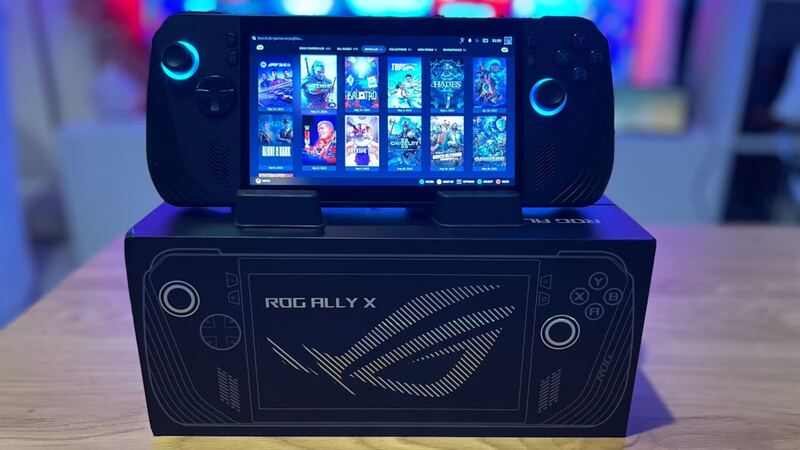
Despite its many improvements, the Steam Deck OLED has several notable drawbacks that reviewers have identified. The most significant criticism centers around the device's hardware age, with some reviewers noting that the custom AMD 'Van Gogh' processor, while improved, is still showing its age compared to newer handheld gaming devices. The 1280x800 resolution, while sufficient for the device's form factor, can feel limiting for users who want higher resolution gaming experiences. Digital Foundry's Richard Leadbetter noted that while the OLED display is 'beautiful,' the overall system is 'not as powerful as newer devices like the ROG Ally X from ASUS,' and that 'the Steam Deck is still more than capable of delivering an immersive gaming experience' but 'the hardware might be starting to show its age with some recent big-budget games.' Additionally, the lack of VRR support and the limited storage options (512GB and 1TB only, with no 64GB model) have been cited as drawbacks by some reviewers. The device's price point of $500-$600 for the OLED model, compared to the original LCD's $399, is also a significant consideration for budget-conscious consumers.
While the Steam Deck OLED offers significant improvements, several drawbacks have been noted by reviewers. The device's hardware age is a primary concern, with Digital Foundry's Richard Leadbetter noting that while the OLED display is 'beautiful,' the overall system is 'not as powerful as newer devices like the ROG Ally X from ASUS.' The custom AMD 'Van Gogh' processor, while improved, still shows its age compared to newer handheld gaming devices. The 1280x800 resolution, while appropriate for the device's form factor, can feel limiting for users who want higher resolution experiences. The lack of VRR support and limited storage options (512GB and 1TB only, with no 64GB model) have been cited as drawbacks. Additionally, the price point of $500-$600 for the OLED model, compared to the original LCD's $399, represents a significant financial commitment for users who may not see proportional improvements in performance. The device's reliance on SteamOS, while beneficial for ease of use, also means that users cannot install Windows applications or use the device for non-gaming purposes without significant technical effort.
A favorite for retro game scaling
The Steam Deck OLED is best suited for users who prioritize display quality, battery life, and portability over raw performance and price. Reviewers consistently note that the OLED's screen quality, battery life improvements, and enhanced cooling make it ideal for users who want a premium handheld gaming experience. The device is particularly well-suited for retro gaming enthusiasts who appreciate the OLED's color accuracy and integer scaling capabilities, with Retro Handhelds' Joe White specifically noting that the OLED makes 2D retro content look 'smexy AF UwU.' Users who play graphically intensive games regularly will benefit from the improved cooling system and battery life, while those who rely on cloud gaming services will appreciate the Wi-Fi 6E upgrade. The device is also ideal for users who value the SteamOS interface and want a console-like experience without the complexity of PC gaming setup. However, the OLED is not recommended for users who prioritize maximum performance or are budget-conscious, as the hardware is still showing its age and the price point is significantly higher than the original LCD model.
The device is best for users who want a premium handheld gaming experience and are willing to pay the premium price for the OLED's improvements.
Strengths
- +OLED screen delivers exceptional color reproduction and HDR support with 1,000 nits max brightness
- +90Hz refresh rate improves game smoothness and reduces input latency
- +Quieter fans compared to the original Steam Deck model
- +Improved Wi-Fi 6E connectivity offers faster downloads and lower online gaming latency
Watch-outs
- −Fan noise still audible in quiet environments, though improved from original
- −Battery life improvement is marginal and not as good as Nintendo Switch
How it compares
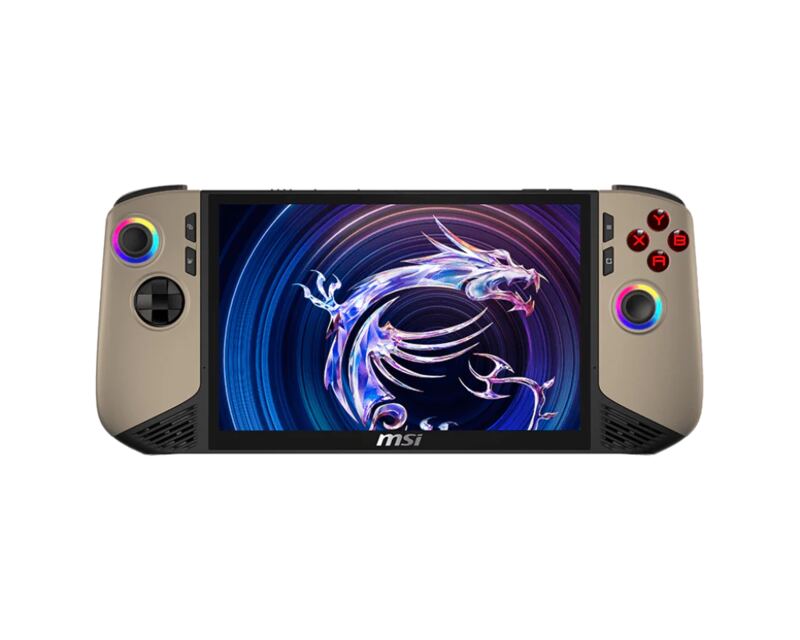
The Steam Deck OLED excels in display quality over the Valve Steam Deck OLED with its vibrant HDR and 1,000 nits peak brightness, though the latter offers better battery life and a more refined overall experience. Compared to the MSI Claw 8, it lacks the larger 8-inch screen and superior battery capacity, but provides a more polished SteamOS experience.
Rating sources
“May you waft with me. (Just a reminder, this style of writing was personally requested by the admin team.) So. Unhinged Review of the Steam Deck OLED it is.”
“The OLED screen is legit True to its name, the OLED screen is absolutely the star of the show in this upgrade.”
“It's simply stunning. Side-by-side with the original Deck, the handheld itself looks much the same as the first generation offering but as soon as you power up the unit, you'll see an extraordinary, night and day improvement over the standard model.”
“The Steam Deck has made it to Australia, and after a solid month of gaming on the 1TB OLED model we're ready to present our verdict. Does it hold up as we head into 2025?”
Our 4.5 score is the average of these published ratings. Ratings marked * were derived from the reviewer’s written analysis or video transcript — the publisher didn’t print an explicit numeric score, so we inferred one from their own words. Click through to verify. More about methodology.