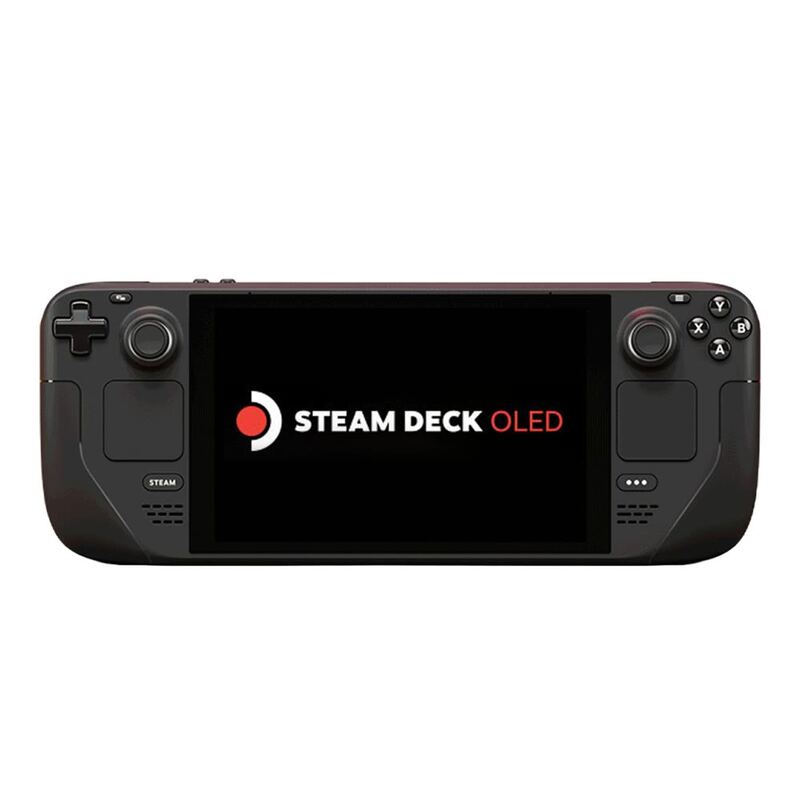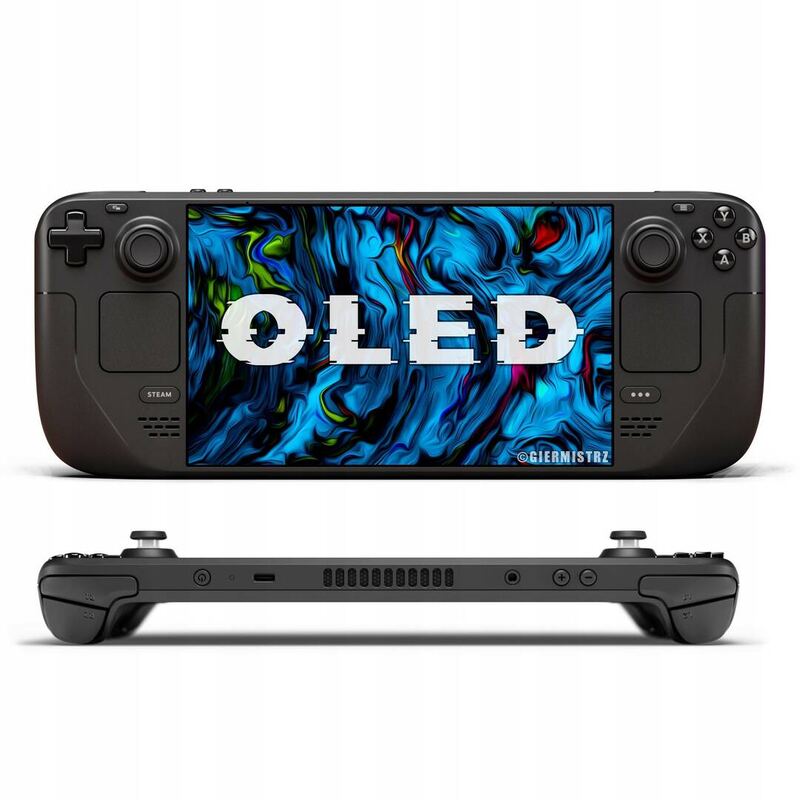
The Valve Steam Deck OLED's big change over the original is the display: vibrant HDR images and 1,000 nits peak brightness. Reviewers said the screen on its own makes the handheld feel notably better, with excellent color reproduction and a 90Hz refresh rate. Battery life improves, the fans run quieter, and Wi-Fi 6E is supported. The AMD APU hardware is showing its age on some newer games, though titles like Diablo 4 and God of War Ragnarök still pull off immersive play. For anyone who wants a better screen and a performance bump, it's a solid upgrade.
- — OLED display delivers vibrant HDR image with 1,000 nits peak brightness and 110% P3 color gamut
- — Improved battery life with 50Whr battery and 6nm AMD APU for better efficiency
- — AMD APU hardware shows age with some recent big-budget games
- — Still uses sub-1080p resolution of 1280 x 800 pixels which may seem like a downgrade
▾Why it's ranked here
The Valve Steam Deck OLED's big change over the original is the display: vibrant HDR images and 1,000 nits peak brightness. Reviewers said the screen on its own makes the handheld feel notably better, with excellent color reproduction and a 90Hz refresh rate. Battery life improves, the fans run quieter, and Wi-Fi 6E is supported. The AMD APU hardware is showing its age on some newer games, though titles like Diablo 4 and God of War Ragnarök still pull off immersive play. For anyone who wants a better screen and a performance bump, it's a solid upgrade.
- — OLED display delivers vibrant HDR image with 1,000 nits peak brightness and 110% P3 color gamut
- — Improved battery life with 50Whr battery and 6nm AMD APU for better efficiency
- — AMD APU hardware shows age with some recent big-budget games
- — Still uses sub-1080p resolution of 1280 x 800 pixels which may seem like a downgrade