The Ricoh GR IV refines the compact camera series with a 25.74MP backside-illuminated APS-C sensor and an upgraded 18.3mm F2.8 lens that resolves more detail. DPReview praised its 5-axis stabilization system and faster lens startup time. The $1499 MSRP is a significant jump from previous models. The control layout returns to GR II design elements while keeping GR III firmware features like Snap Distance Priority mode. Image quality and portability are the strengths; the increased price and limited internal storage may deter some users.
Full review
Design Evolution and Build Quality
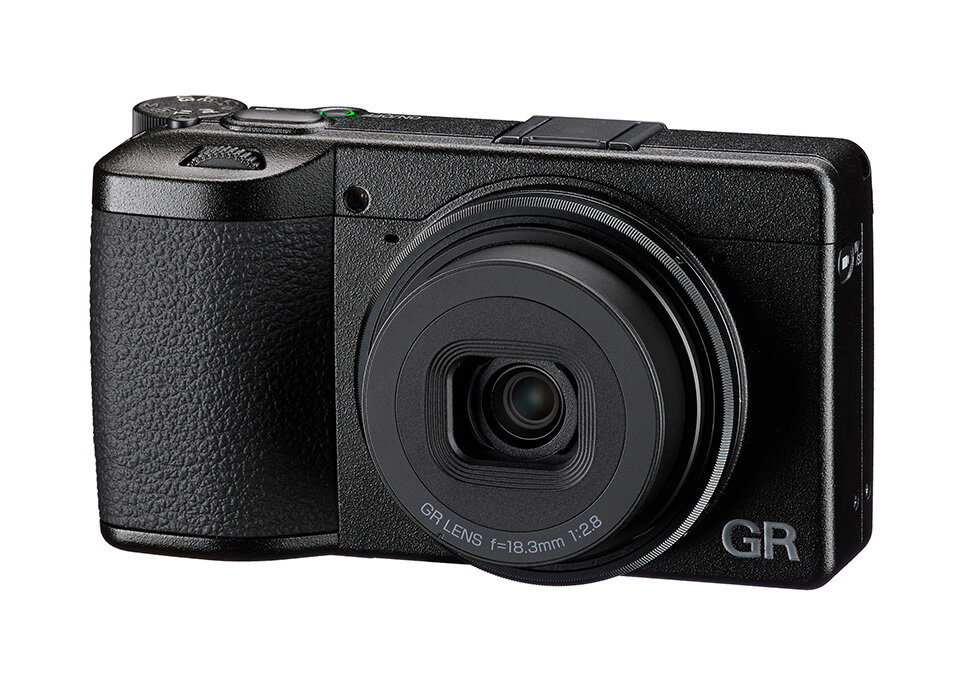
The Ricoh GR IV represents a refined evolution of the compact camera series, maintaining the iconic form factor while incorporating subtle but meaningful improvements. At 109 x 61 x 33mm and weighing 262g with battery and memory card, it remains truly pocketable, though Ricoh has achieved a thinner profile than previous models. The magnesium alloy construction feels solid and premium, with rounded edges and soft-touch faux leather that provides a comfortable grip. Unlike the GR III's more modern control layout, the GR IV returns to a more traditional design with the rear jog lever replaced by a clickable command dial and the multi-directional controller restoring the +/– rocker switch. This change addresses user feedback from the GR III, where many found the new control scheme less intuitive for everyday use.
Professional reviewers like those at dpreview.com noted that Ricoh has focused on improving dust resistance through an anti-fouling coating on the UV/IR cut filter and better sealing around the lens barrel. These improvements directly address long-standing complaints about sensor contamination in earlier models. The redesigned lens barrel is thinner, contributing to a 0.2-second faster startup time—representing a 25% improvement over the GR III. The camera's internal storage has been significantly expanded to 53GB, which, while not replacing the need for a memory card, provides a substantial safety net for users who might forget their card. The 3.0-inch LCD screen with 1.04 million dots remains fixed and non-tilt, a design choice that some reviewers found limiting, particularly in bright sunlight.
Keith Wee from keithwee.com emphasized the tactile improvements in button quality, noting that the GR IV's buttons are now 'firm and much more tactile' compared to the mushy feel of the GR III. The dual command dial system allows for quick exposure adjustments, with one dial controlling categories and the other adjusting settings within those categories. This design supports both beginners and experienced users, making the camera accessible without sacrificing control. The camera's ergonomics are designed for single-handed use, and the placement of controls ensures that photographers can make adjustments quickly while maintaining their shooting position. The return of the exposure compensation buttons is a welcome addition for those who prefer manual control over automatic settings.
Sensor and Image Quality Performance
The Ricoh GR IV features a 25.74MP backside-illuminated APS-C sensor, an upgrade from the 24MP frontside-illuminated sensor in the GR III. According to dpreview.com, the sensor is likely the same one used in Sony's a6700 and Pentax K-3 III, which suggests Ricoh is leveraging proven imaging technology. The sensor delivers excellent image quality with clean files and good dynamic range, particularly in well-lit conditions. In low-light scenarios, the camera performs adequately up to ISO 6400, though noise becomes more apparent at higher ISO values. The image quality is sharp, especially in the center, with corner softness becoming noticeable when shooting wide open at f/2.8. The lens design has been updated with an additional aspherical element, improving detail and sharpness in the corners, which is a significant improvement over previous models.
The GR IV's image processing engine has been upgraded to provide more sophisticated noise reduction and accurate color reproduction in out-of-camera JPEGs. The camera's JPEGs are praised for their punchy travel color, particularly when using Ricoh's Positive Film recipe, which many users find suitable for immediate sharing. The lens's performance at f/2.8 is impressive, offering excellent sharpness and contrast, though the corner sharpness improves when stopped down slightly. The camera's ability to maintain image quality across different lighting conditions makes it suitable for a wide range of shooting scenarios, from street photography to travel documentation.
According to The Cotswold Photographer, the GR III's image quality was already excellent, and the GR IV builds upon this foundation. The camera's ability to produce clean files with good dynamic range and color depth makes it ideal for both JPEG and RAW workflows. The lens's optical formula, which includes an additional aspherical element, results in sharper images with better edge definition, especially in the corners. The camera's performance in low-light situations is adequate, though not exceptional, with ISO 6400 being the upper limit for acceptable image quality. The sensor's performance is further enhanced by the camera's 5-axis image stabilization system, which provides better stability in handheld shooting situations.
Autofocus and Performance
The Ricoh GR IV's autofocus system has been upgraded with new algorithms, resulting in improved focusing speed and accuracy, particularly in challenging lighting conditions. According to dpreview.com, Ricoh claims the new autofocus system offers better performance in difficult scenarios, though it still lags behind modern systems in terms of subject tracking. The camera's hybrid autofocus system combines phase detection and contrast detection, which provides a good balance between speed and accuracy. However, the autofocus can still struggle in low-light conditions, where it may hunt for focus, particularly when shooting handheld. The camera's ability to maintain focus in static scenes is commendable, but for fast-moving subjects, manual focus or single-point selection is recommended.
The GR IV's autofocus performance is further enhanced by the improved 5-axis image stabilization system, which has been upgraded from a 3-axis to a 5-axis design, providing a 6EV stabilization rating. This improvement is particularly beneficial for handheld shooting in low-light conditions, where the camera's ability to reduce camera shake is crucial. The camera's startup time has been improved by 0.2 seconds, a 25% reduction from the GR III, which contributes to a more responsive user experience. The camera's ability to quickly lock focus and capture images makes it suitable for candid moments, though users should be aware that the autofocus system is not as advanced as some competitors.
Reviewers like those at The Cotswold Photographer noted that while the autofocus is adequate for static scenes, it can be slow in low-light conditions. The camera's Snap Focus feature, which allows for instant firing at a preset distance, is a significant advantage for street photography. This feature, combined with the camera's ability to quickly adjust exposure settings, makes it easier to capture fleeting moments without missing shots. The camera's autofocus system is particularly effective when using the Snap Distance Priority mode, which allows users to select a specific distance for focus, making it easier to maintain consistent focus in various shooting scenarios.
Real-World Performance and User Experience
The Ricoh GR IV proves its value as a pocketable camera that delivers consistent performance across a variety of shooting conditions. The camera's ability to disappear in the palm and capture candid moments without drawing attention is a significant advantage for street photographers. The GR IV's handling and controls are designed for single-handed use, making it easy to operate while on the move. The camera's exposure compensation buttons and dual command dials allow for quick adjustments without interrupting the flow of shooting. The camera's ability to quickly adjust exposure settings and maintain focus makes it suitable for both beginners and experienced photographers.
The camera's 53GB internal storage provides a substantial safety net for users who might forget their memory card, though it's not a replacement for a dedicated SD card. The camera's battery life has been improved with a 6.9Wh DB-120 battery, which provides approximately 40% more capacity than the DB-110 used in the GR III. This improvement is particularly beneficial for extended shooting sessions, though users should still carry spare batteries for longer outings. The camera's ability to quickly start up and capture images makes it ideal for spontaneous moments, and the camera's compact size ensures that it remains easily accessible in a pocket or bag.
Users like those from The Cotswold Photographer have found the GR IV's performance to be reliable in everyday use, with the camera's ability to quickly adjust settings and maintain focus making it suitable for both casual and serious photography. The camera's ability to produce high-quality images with good dynamic range and color depth makes it ideal for both JPEG and RAW workflows. The camera's ability to maintain image quality across different lighting conditions makes it suitable for a wide range of shooting scenarios.
1080p/60p video capped at 25-minute clips
Despite its many strengths, the Ricoh GR IV has several notable shortcomings that potential buyers should consider. The lack of weather sealing is a significant drawback, as users have reported issues with dust getting into the camera and onto the sensor, particularly in dusty or sandy environments. This problem has been a long-standing complaint with the GR series, and Ricoh's decision not to implement weather sealing in the GR IV is a missed opportunity. The camera's autofocus system, while improved, still lags behind modern competitors in terms of subject tracking and speed, particularly in low-light conditions where it may hunt for focus.
The fixed LCD screen, while functional, lacks the flexibility of a tilting or flip-up display, which can be limiting in certain shooting scenarios, especially in bright sunlight where the screen may be difficult to see. The camera's battery life, though improved, is still modest and may not be sufficient for extended shooting sessions without carrying spare batteries. The camera's video capabilities are basic, with only 1080p/60p recording and a 25-minute clip limit, which may not meet the needs of users who require more advanced video features. Additionally, the lack of a viewfinder means that users must rely on the LCD screen for composition, which can be challenging in bright conditions.
The camera's menu system, while fully navigable by touch, can be cumbersome for users who prefer physical buttons and controls. The camera's lack of advanced features such as a built-in flash or more sophisticated image stabilization systems means that users may need to rely on external accessories or third-party solutions to achieve their desired results.
Snap Focus suits street shooters who can't wait for AF
The Ricoh GR IV is ideal for photographers who prioritize stealth, portability, and fast, point-and-shoot functionality over advanced features and weather resistance. It's particularly well-suited for street photographers, travel enthusiasts, and everyday carry shooters who want a camera that disappears in the palm and captures candid moments without drawing attention. The camera's 28mm equivalent lens provides an immersive perspective that's perfect for urban environments and intimate scenes. Users who value the ability to quickly adjust exposure settings and maintain focus without interrupting their shooting flow will appreciate the camera's intuitive controls and Snap Focus feature.
The GR IV is also suitable for photographers who want to capture high-quality images without the complexity of a full-featured camera. Its ability to produce clean, detailed images with good dynamic range and color depth makes it ideal for both JPEG and RAW workflows. The camera's compact size and lightweight design make it easy to carry in a pocket or bag, ensuring that users are always ready to capture spontaneous moments. The camera's ability to quickly start up and capture images makes it ideal for users who want to capture fleeting moments without missing shots.
However, the GR IV is not ideal for users who require weather sealing, advanced video capabilities, or sophisticated image stabilization systems. Those who need a viewfinder or a tilting screen for composition will find the camera's fixed LCD screen limiting. The camera's autofocus system, while improved, still lags behind modern competitors in terms of subject tracking and speed, making it less suitable for fast-moving subjects. Users who require more advanced features such as a built-in flash or more sophisticated menu navigation may need to consider alternative options.
A more affordable alternative to the Leica Q2
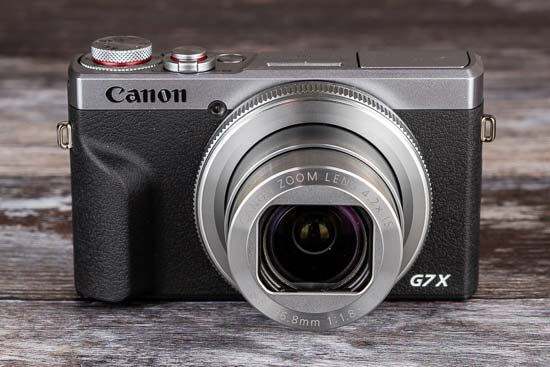
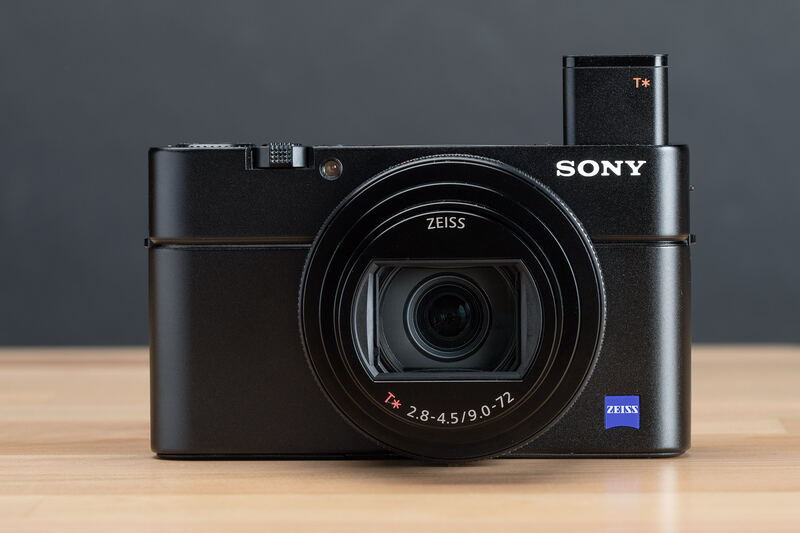
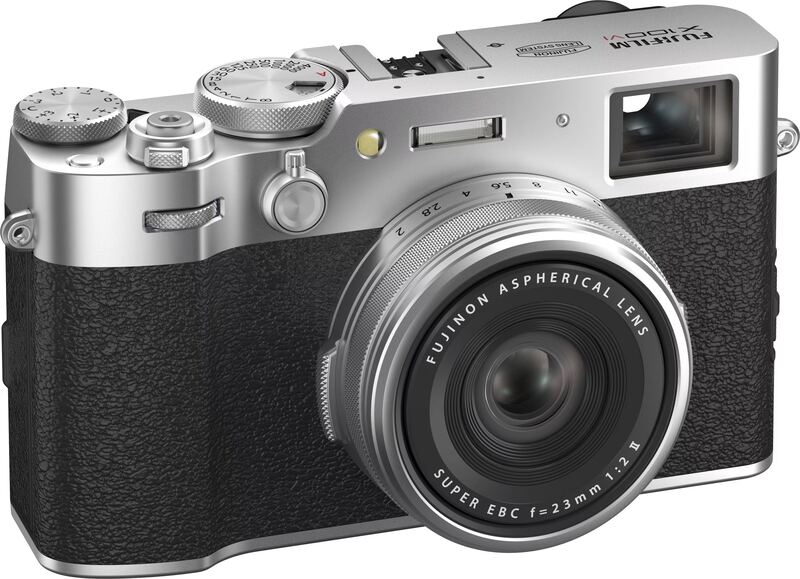
The Ricoh GR IV competes with other compact cameras such as the Fujifilm X100V and the Leica Q2, though it offers a unique combination of portability and image quality that sets it apart. Unlike the X100V, which has a more modern control layout and better video capabilities, the GR IV maintains a more traditional design that appeals to users who prefer a classic camera experience. The camera's ability to quickly adjust exposure settings and maintain focus makes it more suitable for street photography than the X100V, which can be more cumbersome to operate in fast-paced environments. The GR IV's 28mm equivalent lens provides an immersive perspective that's perfect for urban environments and intimate scenes, while the camera's compact size ensures that it remains easily accessible in a pocket or bag.
Compared to the Leica Q2, the GR IV offers a more affordable alternative with a similar lens and sensor size, though it lacks the advanced features and build quality of the Leica. The GR IV's ability to quickly adjust exposure settings and maintain focus makes it more suitable for street photography than the Leica Q2, which is better suited for more controlled environments. The GR IV's ability to quickly start up and capture images makes it ideal for users who want to capture fleeting moments without missing shots.
In contrast to the Sony a6700 and Pentax K-3 III, which are more advanced mirrorless cameras with interchangeable lenses, the GR IV offers a more specialized approach to compact photography. The camera's fixed lens and compact size make it ideal for users who want a camera that disappears in the palm and captures candid moments without drawing attention. The camera's ability to quickly adjust exposure settings and maintain focus makes it more suitable for street photography than these more advanced cameras, which require more setup and configuration.
$1499, a $600 jump from the GR III's launch price
At its MSRP of $1499, the Ricoh GR IV represents a significant price increase from the GR III's $899 launch price, though it's less of a jump from the former market rate for special editions of that camera, which go for around $1100. The price reflects the substantial improvements made to the camera, including the new 25.74MP sensor, redesigned lens, 5-axis image stabilization, and expanded internal storage. However, the camera's lack of weather sealing and basic video capabilities may not justify the premium for some users. The camera's value proposition lies in its ability to deliver high-quality images in a compact, pocketable package, making it a strong choice for users who prioritize portability and discretion over advanced features.
The GR IV's price point is competitive with other compact cameras in the market, though it's positioned more as a specialized tool for street and travel photography rather than a general-purpose camera. The camera's ability to quickly adjust exposure settings and maintain focus makes it more suitable for street photography than many of its competitors, which can be more cumbersome to operate in fast-paced environments.
While the camera's price may seem steep for some users, the GR IV's combination of image quality, portability, and ease of use makes it a compelling choice for photographers who value these features. The camera's ability to produce clean, detailed images with good dynamic range and color depth makes it ideal for both JPEG and RAW workflows.
Strengths
- +25.74MP backside-illuminated APS-C sensor delivers improved image quality
- +5-axis image stabilization with 6EV rating provides better shake reduction
- +Redesigned 18.3mm F2.8 lens with aspherical element improves sharpness and corner detail
- +Faster lens startup time with 0.2-second improvement (25% faster) due to thinner barrel design
Watch-outs
- −MSRP of $1499 is a substantial increase from previous GR models
- −Internal storage of 53GB may not be sufficient for all users despite being larger than GR III's 2GB
Rating sources
“The Ricoh GR IV is a photographer's compact built around a 26MP APS-C sensor with a fixed 28mm equiv. F2.8 lens.”
“The Ricoh GR extinguished my crisis, how no other camera could. How? Let's find out:”
“In short, the Ricoh GR IV is for photographers who prize stealth, speed and a transparent tool over bells and whistles; if you live at 28 mm and shoot from the hip, this is the most refined GR to date.”
Our 4.2 score is the average of these published ratings. Ratings marked * were derived from the reviewer’s written analysis or video transcript — the publisher didn’t print an explicit numeric score, so we inferred one from their own words. Click through to verify. More about methodology.