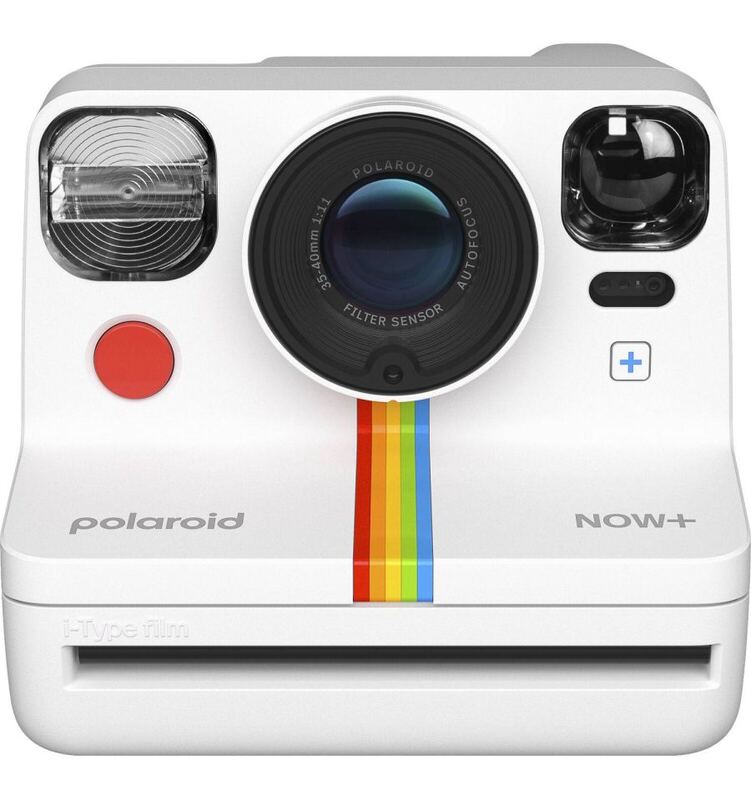
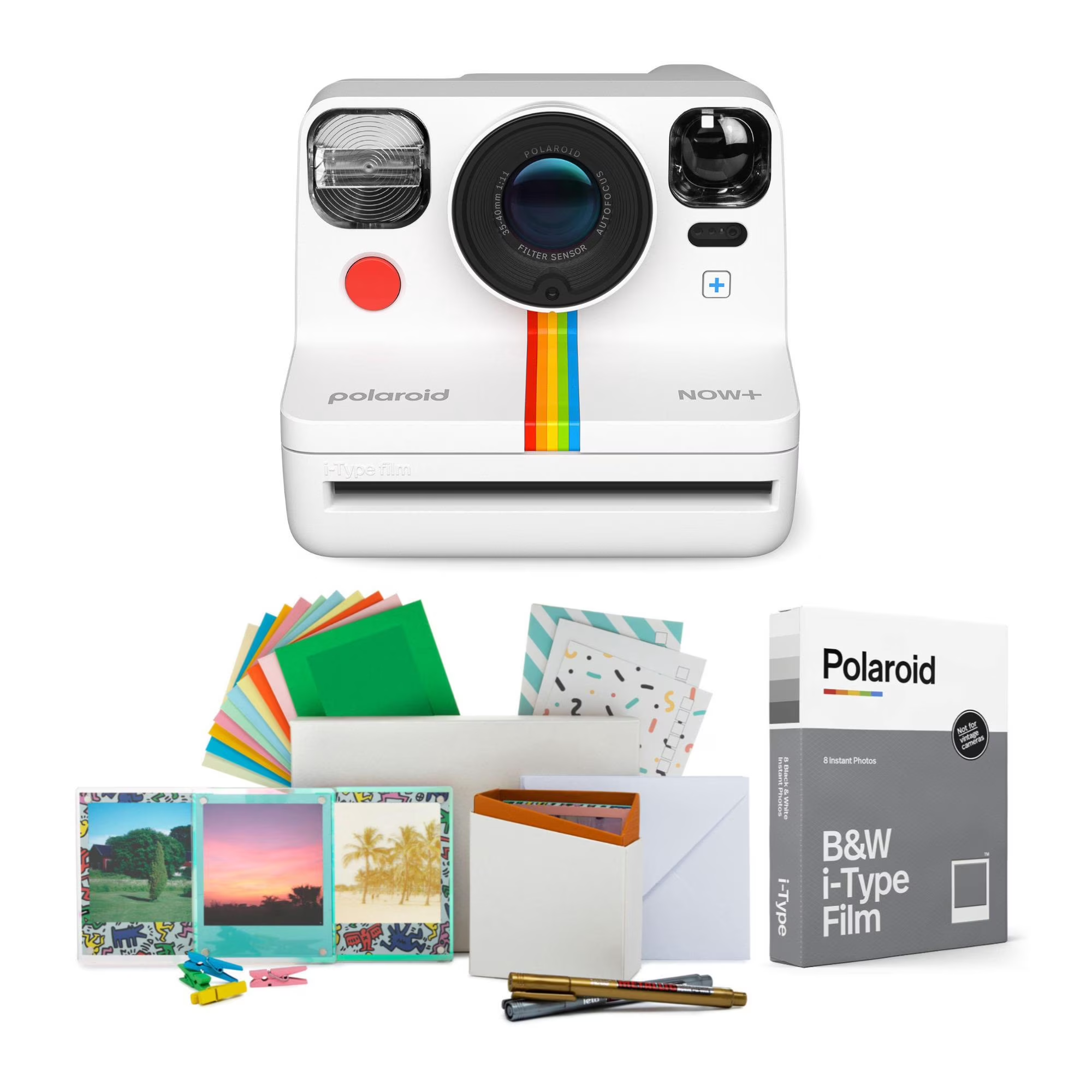
The Polaroid Now+ Generation 3 pairs nostalgic design with simple operation and app-based creative controls, but the autofocus is unreliable and I-Type film runs expensive and unpredictable. PCMag's Jim Fisher writes that the classic Polaroid look and one-button simplicity hold up, while the basic autofocus misses too often for the price. It charges over USB-C and takes both I-Type and 600 film, the latter bought separately. Casual users who want easy operation should look at the Fujifilm Instax Mini 99, and artsy photographers set on Polaroid film may prefer the $200 Flip model.
Full review
No tripod socket, but dual autofocus zones
The Polaroid Now+ maintains the distinctive trapezoidal silhouette that defines Polaroid's I-Type film cameras, with a design that evokes the brand's classic '90s aesthetic. Measuring 3.8 by 4.4 by 5.9 inches (HWD) and weighing 15.9 ounces, the camera feels substantial in hand while remaining manageable for casual use. The white finish of the reviewed model presents a clean, modern look that contrasts with the more colorful options like Arctic Blue, Black, and Coral. The build quality reflects Polaroid's attempt to blend nostalgic appeal with contemporary functionality, though some reviewers noted the lack of a tripod socket as a significant omission. The camera's internal components include a prime lens with dual autofocus zones—offering a 35mm equivalent wide angle for distant subjects and a slightly narrower 40mm angle for close-ups. While the lens system is designed for snapshot-style photography, the autofocus mechanism has been a persistent point of criticism among reviewers.
Autofocus and Focus Reliability
The autofocus system on the Polaroid Now+ operates by switching between two lenses—one for close-ups and another for distant subjects—similar to previous generations. However, reviewers have consistently noted that this system remains unreliable. According to Dan Finnen's review on danfinnen.com, users often must half-press the shutter multiple times to achieve proper focus, with the camera failing to detect subjects on first attempt. This issue is particularly problematic given that I-Type film is expensive, with each pack costing $16.99, and users are limited to eight frames per pack. The lack of visual feedback or manual focus controls on the camera itself compounds the frustration. Keith Wee from keithwee.com noted that while the camera can be manually controlled through the app, this requires a tripod setup, which defeats the purpose of handheld shooting. The autofocus system's unreliability has been a persistent issue across generations, with the Gen 3 offering only marginal improvements over earlier versions.
App Integration and Exposure Control
The Polaroid Now+ distinguishes itself from its predecessor, the Now, through Bluetooth connectivity that enables smartphone app integration. This feature allows users to manually control exposure settings, aperture, shutter speed, and access creative modes such as Double Exposure, Light Painting, and Portrait mode. The app provides full manual control, including EV compensation and a range of creative modes, which significantly enhances the camera's versatility. However, the app's effectiveness varies—Jennifer Stamps from shootitwithfilm.com reported issues with Portrait Mode, which she found consistently failed to work properly, often indicating 'Too Dark for Portrait Mode' even in bright conditions. The app also allows users to adjust exposure settings directly on the camera via the flash button, but many users find this method cumbersome. Despite these drawbacks, the app's inclusion of remote shutter and self-timer functions makes it a valuable addition for users who want more creative control.
Image Quality and Film Performance
The image quality produced by the Polaroid Now+ is generally acceptable when the camera focuses correctly, with sharpness that is slightly better than older fixed-focus models like the Polaroid OneStep Closeup. However, exposure issues have been a consistent complaint across multiple reviews. Aidan Bell from casualphotophile.com noted that despite favorable lighting conditions, his photos were consistently underexposed, which he attributed to the camera's metering system. Dan Finnen observed that the camera struggles with exposure accuracy, particularly when subjects are positioned against bright backgrounds or in low-light environments. The camera's flash, while adequate, is reportedly weaker than vintage Polaroid models, resulting in slower shutter speeds and potential blur. The I-Type film used in the Now+ costs $16.99 per pack, which is less than the $19.99 for 600 film, but still represents a significant expense per photo. The film's development time is approximately 5-10 minutes, faster than the 15+ minutes required for 600 film, which is a notable improvement.
Creative Features and Accessories
One of the most significant upgrades in the Polaroid Now+ is the inclusion of creative filters, which were absent in earlier generations. Keith Wee reported that the camera comes with six filters, including a lens cap, which can be used to add color casts or soft focus effects to images. These filters are especially useful with black-and-white film and provide additional creative options for users. The app also introduces several creative modes such as Double Exposure, Light Painting, and Portrait mode, which expand the camera's functionality beyond basic snapshotting. However, Jennifer Stamps noted that while Double Exposure is a standout feature, Portrait Mode often fails to function properly. Despite these enhancements, some users still find the camera's interface and controls lacking in intuitive design.
Same autofocus complaints as earlier Now models
Despite its aesthetic appeal and improved features, the Polaroid Now+ suffers from several persistent issues that detract from its overall value. The most significant problem is the unreliable autofocus system, which has plagued the Now series across multiple generations. Reviewers like Dan Finnen and Jennifer Stamps have highlighted how this issue leads to frequent out-of-focus images, particularly when users don't manually intervene. The camera's exposure meter is also problematic, often resulting in underexposed or overexposed images, especially in challenging lighting conditions. Additionally, the lack of on-body exposure controls and the need for a smartphone app to access full manual settings limits its usability for users who prefer a more hands-on approach. The camera's flash strength is insufficient compared to vintage models, leading to slower shutter speeds and potential blur. Furthermore, the app's inconsistent performance, particularly with Portrait Mode, has frustrated many users. These shortcomings make the Now+ less appealing than alternatives like the Fujifilm Instax Mini 99 or the newer Polaroid Flip, which address many of these issues.
Struggles to focus at arm's length for selfies
The Polaroid Now+ is best suited for users who value the nostalgic charm and aesthetic appeal of instant photography but are willing to accept its limitations. It appeals to casual users who enjoy taking quick snapshots and appreciate the creative features enabled by the app, such as Double Exposure and Light Painting. The camera is also ideal for those who already own or have access to vintage Polaroid filters and wish to experiment with different visual effects. However, it is not recommended for users who prioritize reliability and consistent image quality, as the autofocus and exposure issues can be frustrating. Those seeking a more robust solution for serious instant photography should consider alternatives like the Fujifilm Instax Mini 99 or the Polaroid Flip, which offer better autofocus, exposure accuracy, and overall performance. The Now+ is also not ideal for users who prefer handheld selfies, as the camera struggles to focus at arm's length. For users who are comfortable with the camera's quirks and enjoy the creative possibilities offered by the app, the Now+ remains a viable option.
Strengths
- +Iconic trapezoidal design with classic Polaroid silhouette
- +Simple one-button operation with optical viewfinder
- +USB-C charging capability with built-in battery rated for 15 packs of film
- +App-enabled manual exposure control and creative modes including Double Exposure and Light Painting
Watch-outs
- −Basic autofocus misses too often to justify cost per use
- −Expensive I-Type film that is unpredictable and must be shielded from light during development
How it compares
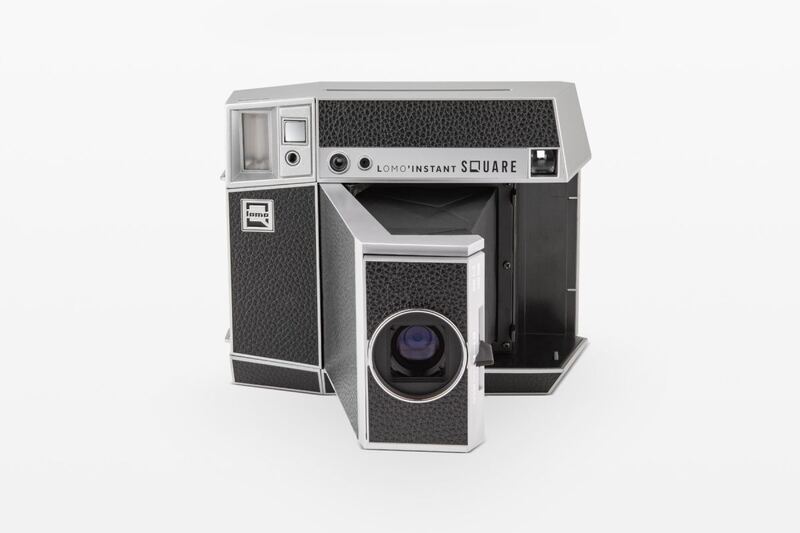
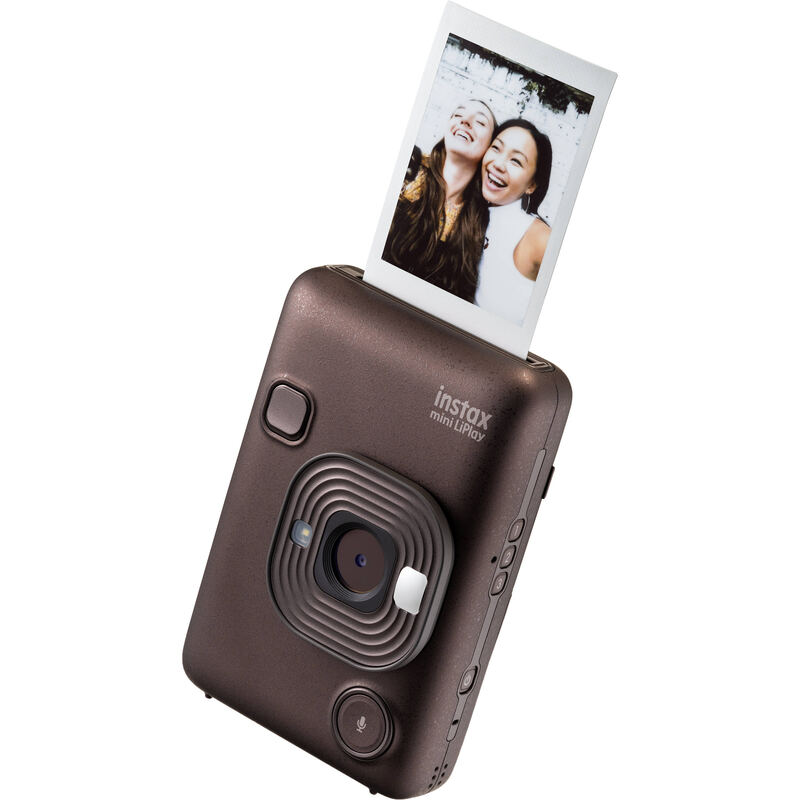
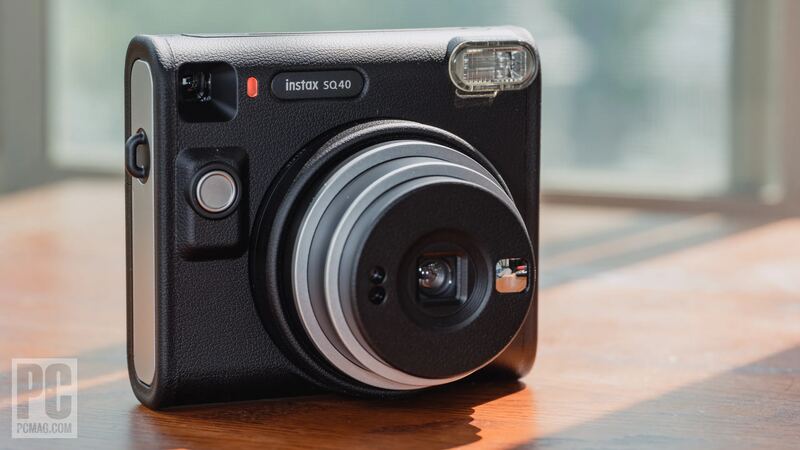
The Polaroid Now+ Instant Camera (White) offers app-based controls and creative modes that the Mini 12 lacks, but it's less reliable in autofocus and more expensive than the SQ6. Compared to the Evo, it's more analog and lacks digital connectivity, though it's more affordable than the LiPlay Hybrid. Unlike the SQ1, it's less practical and more expensive for similar features.
Rating sources
“After three generations can I safely recommend the Polaroid Now+ now? Probably. Maybe. Sort of?”
“The new capabilities of the Polaroid Now+ has in fact moved Polaroid cameras from the point-and-shoot category into cameras to now, a legitimate photography tool for the creative.”
Our 3.3 score is the average of these published ratings. Ratings marked * were derived from the reviewer’s written analysis or video transcript — the publisher didn’t print an explicit numeric score, so we inferred one from their own words. Click through to verify. More about methodology.