The Lomo Instant Square is a dual-format analog camera that takes both Instax Square and Instax Mini film, which nothing else on the instant market does. Reviewers praised the creative options: multiple exposure modes, bulb (long-exposure) capability, and several focusing choices. Accessories in the box include a splitzer for double exposures and a front filter for close-ups. Some reviewers called out the bulky body and the hassle of tracking down CR2 batteries. Photographers who want creative control over instant film are the audience.
Full review
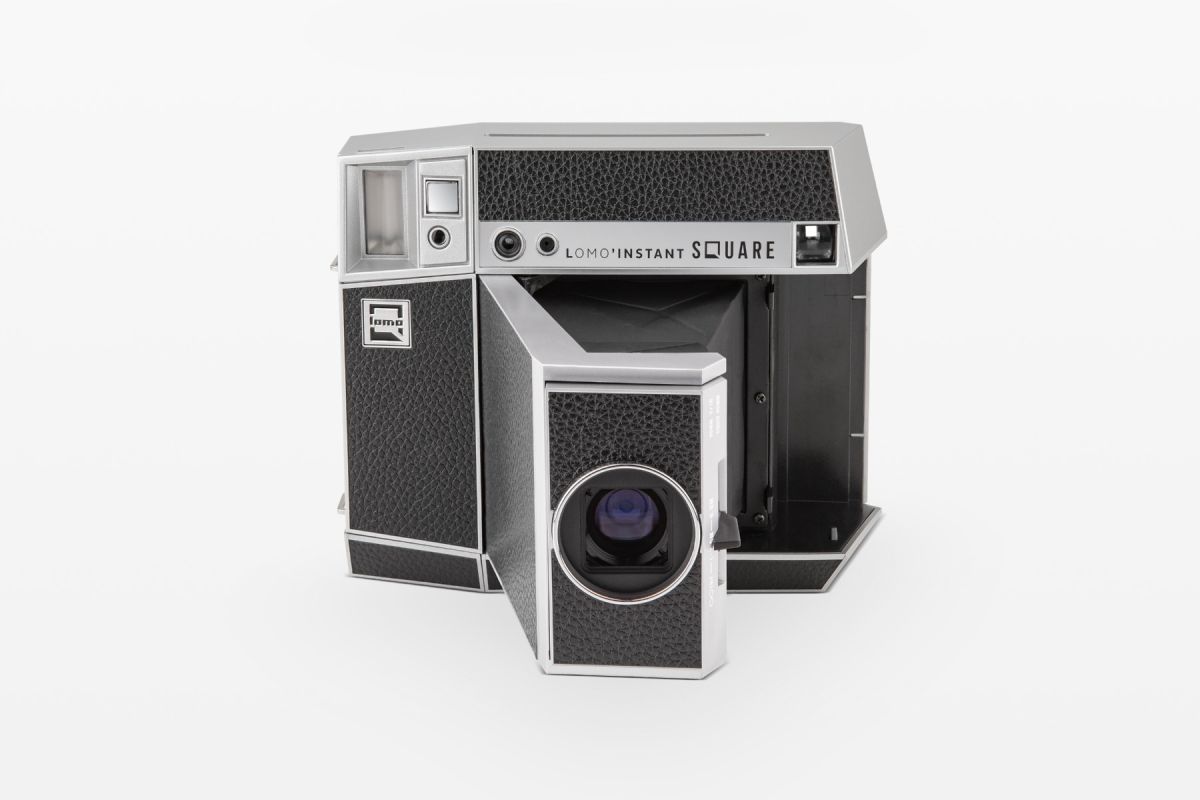
Bellows front pulls out and clicks into place
The Lomo Instant Square stands out with its distinctive, angular design that draws inspiration from classic instant cameras while incorporating modern engineering. According to Photography Blog, the camera features a bellows-type design that requires pulling the front assembly outward to deploy, which then clicks into place with a satisfying snap. The build quality, as noted by The Phoblographer, feels solid compared to Lomo's earlier models, with the camera's construction being notably robust, especially when compared to the Lomo Instant Glass. However, Rob Miles from robmiles.com expressed concerns about the bellows system's durability, particularly given its electronic components and the potential for damage from impacts. The camera's body is constructed with a mix of plastic and faux-leather materials, with the black review copy noted by Casual Photophile as having an appealing spartan aesthetic. The camera's dimensions when folded are 14x12x4cm, making it relatively compact for its functionality, though it's not pocketable due to its internal film housing.
Ease of Use and Controls
Photography Blog noted that the camera accepts two CR2 batteries, which are slightly stubby AA batteries, and the film loading process is simple, involving aligning yellow marks on the camera and film pack. The camera's controls are positioned intuitively on the rear panel, with buttons for flash on/off, multiple exposure, exposure compensation, mode selection, and self-timer, all placed for easy thumb access. The shutter release button, shaped like the Lomo logo, is positioned to rest naturally under the index finger. However, The Phoblographer and Rob Miles both criticized the focusing system, with the former noting that focusing can be difficult and the latter describing the viewfinder as 'horrible' and hard to see through. The camera's automatic functions are generally reliable, but users must remember to remove the lens cap and set the focus distance manually, which can be challenging for beginners.
Image Quality and Performance
The camera's glass lens, as noted by Amateur Photographer and Casual Photophile, delivers crisp images with punchy contrast and vibrant tones, surpassing the typical plastic lenses found on other Lomo cameras. Photography Blog emphasized that the camera's 95mm f/10 lens, equivalent to 45mm in 35mm terms, produces sharp images with excellent detail. The camera's performance in automatic mode is commendable, with The Phoblographer stating that shooting in automatic mode without additional input will result in great photos most of the time. However, Rob Miles found the exposure system to be 'wayward,' noting that the built-in flash has a short range that can blow out foregrounds and leave backgrounds dark. The camera also handles multiple exposures, with the capability for unlimited exposures and a bulb mode for long exposures up to 30 seconds. The camera's metering system is described as doing a 'fantastic job' in most lighting conditions, according to Casual Photophile.
Multi-Format Capability
One of the Lomo Instant Square's standout features is its ability to use two different film formats, a capability that sets it apart from other instant cameras. Photography Blog and Casual Photophile both emphasized that the camera can use both Instax Square and Instax Mini film by simply swapping the film back. The process of switching between formats is described as relatively easy but somewhat fiddly, requiring the removal of a small black pin that holds the back in place. The camera includes both the square and mini backs in the standard package, as noted by Photography Blog. This dual-format capability allows photographers to experiment with different image sizes and compositions, though it's important to note that you cannot switch between formats for each individual shot. The camera's ability to accommodate both film formats makes it a versatile option for photographers who want to explore different instant film sizes without purchasing multiple cameras.
Viewfinder has no parallax correction or frame lines
Despite its many strengths, the Lomo Instant Square has several notable drawbacks that reviewers have pointed out. Rob Miles from robmiles.com criticized the camera's viewfinder, describing it as 'horrible' and difficult to see through, with no parallax correction or frame lines to aid composition. The camera's bellows system, while functional, raised durability concerns for Rob Miles, who worried about its long-term reliability given the electronic components and potential for damage. The Phoblographer also noted that while the camera is analog, it lacks an all-manual version, which some enthusiasts might desire. Additionally, the camera's price point of £199, as noted by Photography Blog, is relatively high compared to other instant cameras, and the cost of Instax film adds to the overall expense of using the camera. The camera's automatic functions, while generally reliable, can be unpredictable, requiring users to develop a feel for the camera's behavior through practice.
Built for multi-format shooters, not predictable results
The Lomo Instant Square is best suited for photographers who appreciate analog photography and want a versatile, high-quality instant camera that can handle multiple film formats. Casual Photophile and Amateur Photographer both recommend it for instant photography aficionados who value the lo-fi charm of instant film and want a camera that produces sharp, colorful results. The camera's glass lens and automatic features make it particularly appealing to those who want to experiment with creative photography techniques, such as multiple exposures and long exposures. However, it may not be ideal for beginners or those who want a simple, no-fuss camera, as the focusing system and exposure behavior require some learning. The camera's price point and ongoing film costs make it less suitable for casual users or those on a tight budget. Rob Miles noted that while the camera can produce 'fantastic results' on a good day, it's not for those who want predictable, consistent outcomes, as the camera's behavior can be somewhat unpredictable and requires user input to achieve desired results.
First fully analog camera in Instax Square format
The Lomo Instant Square's main competitor is Fuji's SQ10 digital hybrid camera, which Casual Photophile notes as 'pretty unbeatable in the realm of sheer features.' However, Lomo's camera stands out as the first fully analog camera to use the Instax Square format, as emphasized by Photography Blog. The camera's unique combination of a glass lens, automatic functions, and dual-format capability sets it apart from other instant cameras in the market. The Phoblographer noted that while the Fujifilm SQ10 is a digital camera that prints film, the Lomo Instant Square is a true analog camera, which appeals to those who want the authentic analog experience. The camera's build quality and design are also praised as being superior to other Lomo instant cameras, with The Phoblographer noting that it's 'probably the most solid feeling' of their Instant series. However, the camera's price point and the expense of Instax film make it less accessible than some alternatives, and its automatic functions may not appeal to users who prefer manual control.
Instax film runs about 90 pence a shot
At £199, the Lomo Instant Square is positioned as a premium instant camera, and reviewers have noted that its value proposition depends on the user's priorities. Photography Blog emphasized that the camera's price is justified by its unique features, including the glass lens and dual-format capability. However, Rob Miles from robmiles.com noted that the cost of Instax film, which can reach 90p per shot, makes the camera expensive to use in the long term. The camera's ability to produce sharp, colorful images with the glass lens and automatic functions is seen as a strong value proposition by Casual Photophile and Amateur Photographer, who both recommend it for those who value the lo-fi charm of instant photography. The camera's build quality and durability, while noted as solid by The Phoblographer, may not justify the premium price for users who prioritize cost-effectiveness. The inclusion of multiple accessories in the combo package, such as the square and mini backs, close-up lens, and image splitter, adds to the overall value, though the camera's price point remains high compared to other instant cameras on the market.
Strengths
- +Dual-format capability allowing use of both Instax Square and Instax Mini film
- +Includes multiple focusing options (0.8m, 1-2.5m, infinity) and portrait lens for close-up shots
- +Features multiple exposure and bulb (long-exposure) modes for creative photography
- +Comes with accessories like gel filters, splitzer for double exposures, and front filter for 0.5m focus distance
Watch-outs
- −Bulky design that's not pocket-friendly despite flat form factor
- −Uses non-standard CR2 lithium batteries that may be hard to find
How it compares
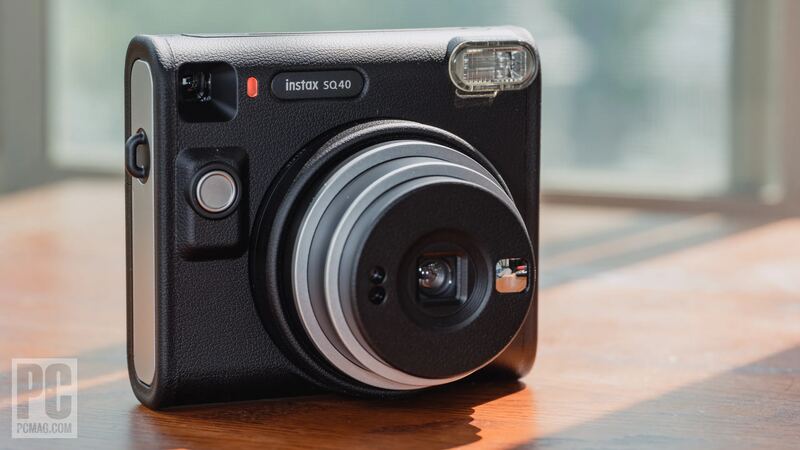
The Lomo Instant Square's dual-format capability and creative exposure modes distinguish it from the Fujifilm Instax Mini Film Twin Pack which lacks creative features. Unlike the Polaroid I-2, it doesn't offer advanced manual controls but provides more creative flexibility. Compared to the Fujifilm Instax Square SQ40, it supports both Instax Square and Instax Mini film, making it more versatile for different film types.
Rating sources
“Its here now, weve used it, and it's quite good. And though the field of competition is tiny, it's easy to argue that the Instant Square is the best Instax Square film camera available today.”
Our 4.1 score is the average of these published ratings. Ratings marked * were derived from the reviewer’s written analysis or video transcript — the publisher didn’t print an explicit numeric score, so we inferred one from their own words. Click through to verify. More about methodology.