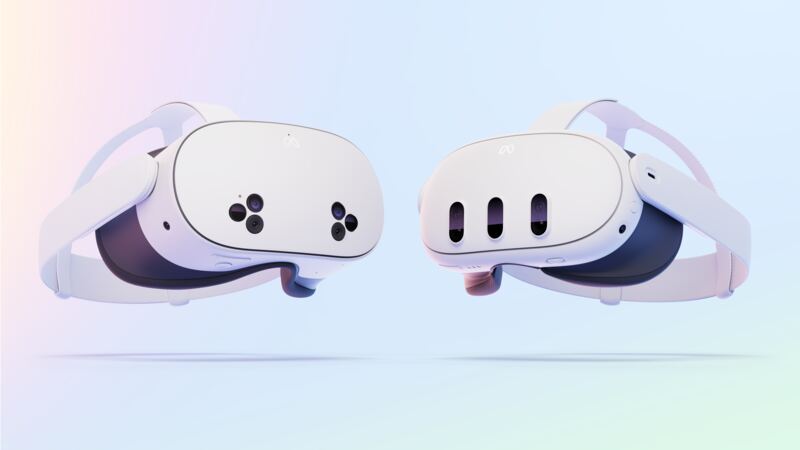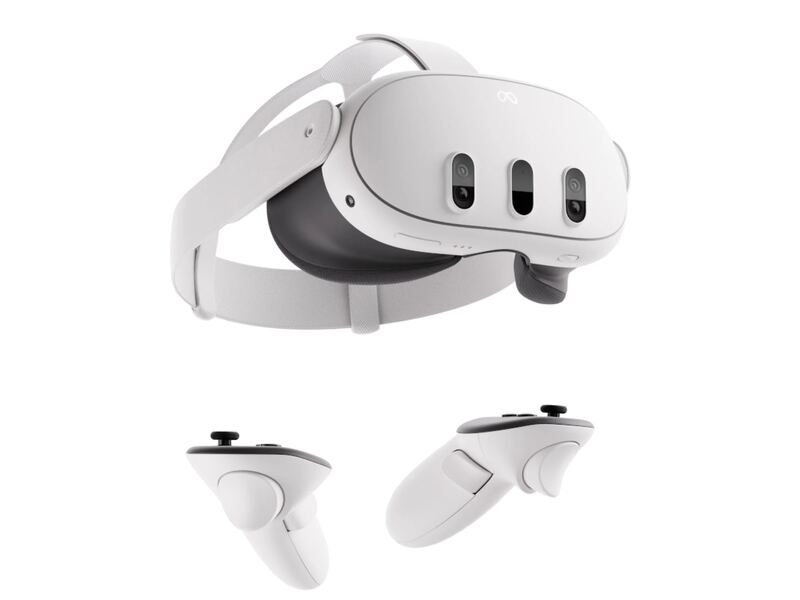
The Meta Quest 3 delivers high-resolution full-color passthrough and powerful standalone performance via the Snapdragon XR2 Gen 2 processor. WIRED found that this mixed-reality capability allows users to interact with digital objects layered over physical surroundings, while IGN recorded that the hardware upgrade supports complex games without a tethered PC. The redesigned Touch Plus controllers offer improved ergonomics and haptic feedback, though the stock facial interface and strap are often uncomfortable for extended sessions. WIRED noted that the software library still lacks fully integrated spatial computing applications despite the advanced hardware. The significant price increase over the Quest 2 targets mainstream buyers willing to pay for premium features, while budget-conscious users may find the cost prohibitive.
- — Delivers high-resolution full-color passthrough that enables genuine mixed-reality experiences by blending virtual objects with the real world.
- — Powered by the Qualcomm Snapdragon XR2 Gen 2 processor for improved graphics performance in standalone mode.
- — Includes an intuitive controller design that combines ergonomic improvements with self-tracking capabilities.
- — Stock facial interface and strap are often described as uncomfortable, prompting many users to purchase third-party upgrades like the Elite Strap.
- — The $499 starting price represents a significant increase over the previous Quest 2 model.