The HTC Vive Pro 2 delivers a sharp 5K-class image across dual LCD panels and a 'true' 120-degree field of view, which Pocket-lint.com found creates a wider sweet spot with minimal screen-door effect. Thevirtualreviewer noted that SteamVR Tracking 2.0 base stations provide rock-solid precision superior to inside-out systems, though this requires an expensive setup involving external hardware and a high-end PC. However, the headset suffers from HTC winding down active development, meaning official support is tapering off with no new features expected. This product fits simulation enthusiasts seeking maximum visual fidelity and tracking accuracy, but casual users or those wanting standalone convenience should look elsewhere due to the high cost and complex installation.
Full review
Visual fidelity and lens geometry trade-offs
The HTC Vive Pro 2 delivers a display resolution of 2448 x 2448 pixels per eye, totaling 4896 x 2448 visible pixels across its dual LCD panels. This high pixel density ensures that distant details in flight sims or racing games remain crisp rather than turning into mush, providing a visual clarity that is central to the headset's appeal for simulation enthusiasts.
Pocket-lint.com highlighted HTC's use of dual-stack lenses with an RGB subpixel design to achieve what the company claims is a 'true' 120-degree field of view. This optical setup creates a wider sweet spot and offers a more realistic peripheral view than earlier models. The virtual reviewer confirmed that the combination of this wide field of view, high refresh rate, and sharp image brings home users closer to the wraparound presence found in operator-grade arcade rigs.
Despite the visual superiority, Pocket-lint.com identified a specific geometric flaw: HTC changed the lens shape from rounded edges to flat top and bottom profiles. This alteration renders prescription lens adapters for previous Vive headsets incompatible with the new model. Furthermore, reviewers noted that this design change makes the physical edges of the lenses more visible during gameplay, creating a distraction that some users find intrusive despite the overall high image quality.
SteamVR Tracking 2.0 precision advantages
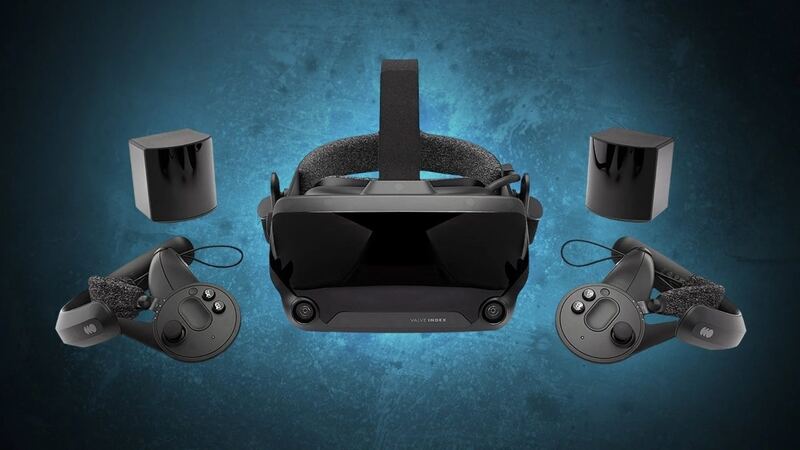
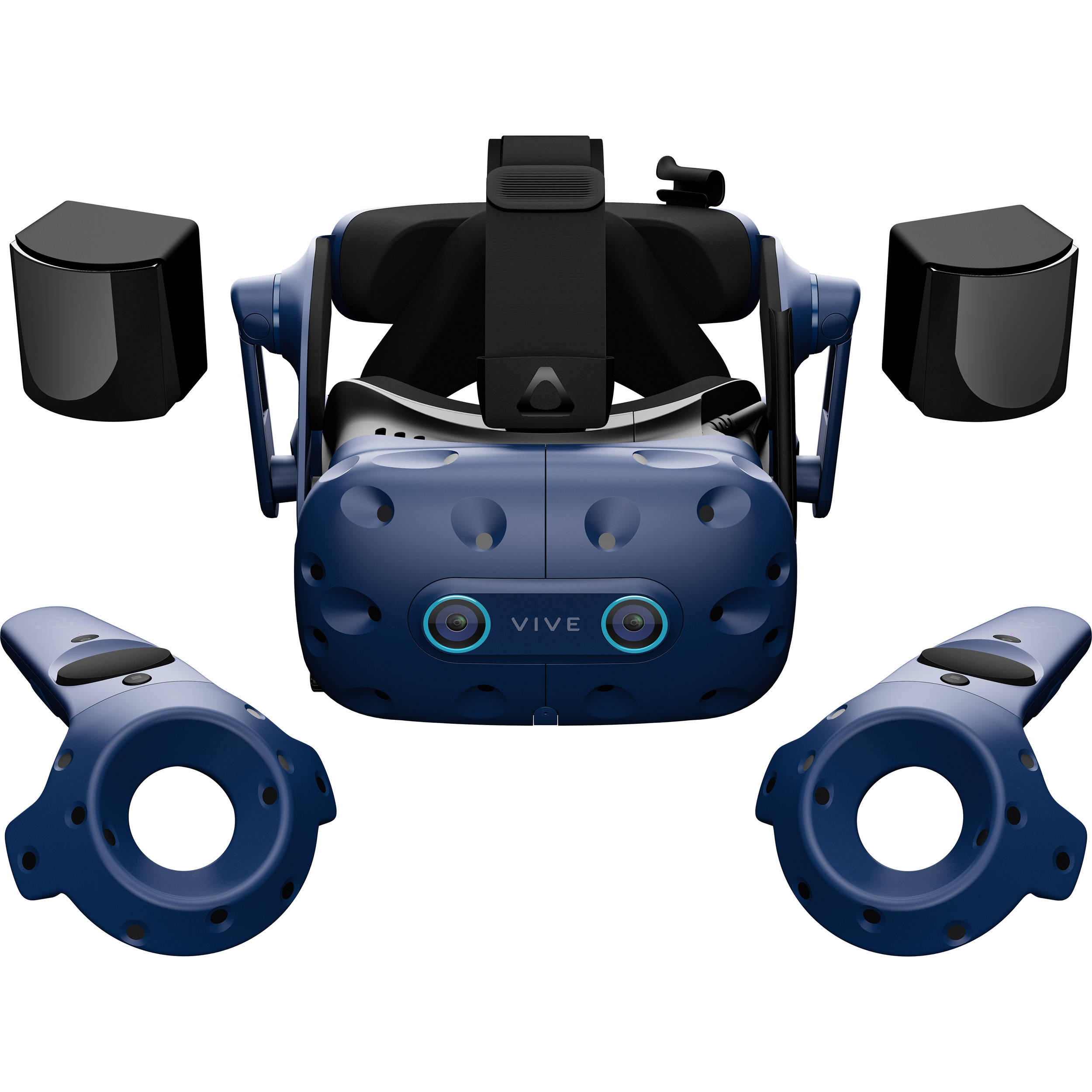
The Vive Pro 2 relies on SteamVR Tracking 2.0, which utilizes external Lighthouse base stations mounted in the corners of a room rather than internal cameras. Thevirtualreviewer described this tracking method as rock-solid and established it as the gold standard for precision in consumer VR. This system ensures that hand positions remain exactly where expected by the software, even during fast overhead movements or when objects are positioned behind the user's back.
This external tracking architecture provides a level of accuracy that inside-out camera systems on standalone headsets struggle to match consistently. The virtual reviewer emphasized that for users who have experienced location-based VR in free-roam arenas or with haptic vests, the precision of base station tracking is one of the primary factors that replicate operator-grade arcade experiences at home.
The reliance on external hardware means the headset requires a dedicated setup process involving two Lighthouse 2.0 base stations. While this adds complexity compared to plug-and-play alternatives, Thevirtualreviewer argued that the trade-off is justified for enthusiasts who prioritize tracking fidelity and spatial awareness over convenience.
Hardware requirements and performance demands
Operating a headset with 2448 x 2448 resolution per eye at up to 120Hz places immense strain on a gaming PC. Thevirtualreviewer pointed out that pushing this 5K-class image requires a capable graphics card doing all the heavy lifting, as the Vive Pro 2 is a tethered device with no internal processing power. Users without an existing high-end machine must factor in the significant cost of upgrading their computer before they can even use the headset.
The hardware demands are particularly relevant for simulation genres. The virtual reviewer noted that flight simmers and racers benefit most from this setup because the sharpness is essential for reading cockpit instruments and seeing distant track details. However, running these demanding titles at high refresh rates requires a PC configuration that exceeds typical mid-range gaming specifications.
Pocket-lint.com observed that despite the heavy hardware requirements, the resulting experience justifies the investment for those seeking the best available VR visuals. The reviewer found that the screen-door effect is essentially eliminated, allowing users to become fully immersed in the environment without visual distractions breaking the illusion of presence.
Comfort mechanics and facial interface
Pocket-lint.com praised the Vive Pro 2 for its superb comfort, noting that it delivers a high-end VR experience with satisfying audio integration. The headset's design allows users to engage in extended gaming sessions without the discomfort often associated with heavy virtual reality equipment. This ergonomic improvement marks a return to form for HTC after what they described as underwhelming efforts with previous models like the Vive Cosmos.
The comfort is supported by an interpupillary distance (IPD) adjustment range of 57mm to 70mm, allowing users to fine-tune the lens spacing to their specific eye width. This mechanical adjustment helps ensure that the visual sweet spot aligns correctly with the user's eyes, further reducing strain and improving clarity during long periods of use.
However, Pocket-lint.com also noted a potential downside regarding facial interface: some users reported that the headset can 'bake' their face, suggesting that heat buildup or pressure distribution might be an issue for certain individuals. This physical feedback indicates that while the general comfort is rated highly, individual fit and thermal management during intense sessions remain variables to consider.
Financial barriers and ecosystem costs
Thevirtualreviewer highlighted that this gap surprises many first-time buyers because the base version does not include controllers or the necessary Lighthouse 2.0 base stations. This pricing structure creates a high initial financial barrier compared to standalone alternatives.
While the reviewer acknowledged that HTC delivers best-in-class visuals, tracking, and comfort, they begrudged the hassle and expense required to set up a complete system compared to more affordable options.
The financial commitment extends beyond the initial purchase. Thevirtualreviewer noted that because HTC has wound down active development on the Vive Pro 2, official support is tapering off with no new features expected. This means that replacement parts, controllers, and base stations are increasingly becoming used-market items rather than retail purchases, adding a layer of uncertainty for buyers considering the ecosystem's longevity.
Suitability for simulation versus casual play
The Vive Pro 2 is best suited for PC VR enthusiasts who prioritize image clarity and tracking precision above all else. Thevirtualreviewer identified sim racers, flight fans, and users seeking an operator-grade experience as the ideal target audience. For these shoppers, the sharp 5K image and rock-solid base station tracking provide a level of immersion that standalone headsets cannot match.
Conversely, the headset is ill-suited for families or casual users who want easy, grab-and-go fun. The virtual reviewer contrasted the Vive Pro 2 with devices like the Meta Quest 3, noting that the latter offers standalone convenience without the need for a powerful PC or external base stations. For users who value portability and simplicity over maximum visual fidelity, the Vive Pro 2 represents an unnecessary complication.
The headset also cannot replicate the physical aspects of location-based VR venues like Sandbox VR or EVA Esports arenas. While it provides the closest home approximation to those experiences in terms of tracking and visuals, Thevirtualreviewer clarified that users should not expect free-roam movement across warehouse-sized spaces or haptic feedback vests. It is a clarity and precision answer rather than a full-body recreation of an arcade environment.
Strengths
- +Pocket-lint found the display offers a 'true' 120-degree field of view with dual-stack lenses that provide a wider sweet spot.
- +Thevirtualreviewer noted the dual LCD panels deliver a sharp 5K-class image (4896 x 2448 combined) that minimizes screen-door effect.
- +Thevirtualreviewer highlighted SteamVR Tracking 2.0 base stations as providing rock-solid precision superior to inside-out tracking systems.
Watch-outs
- −Thevirtualreviewer pointed out that HTC has wound down active development, meaning official support is tapering off with no new features expected.
- −High cost and expensive setup
Rating sources
Counts as 4.63/5 in our score — this publisher's 4 scores on the site average 3.88, so its scores are adjusted up to compare fairly with other publishers.
Counts as 4.18/5 in our score — this publisher's 95 scores on the site average 3.98, so its scores are adjusted up to compare fairly with other publishers.
Counts as 4.16/5 in our score — this publisher's 181 scores on the site average 4.00, so its scores are adjusted up to compare fairly with other publishers.
Our 4.3 score is the average of the 3 scored reviews above, each adjusted for how strictly its publisher scores; 1 more reviewed it without printing a score and is not in the average. More about methodology.