The Fujifilm Instax Mini 40 looks good and does little new, which reviewers summed up as familiar features in an attractive package. They liked the ease of use and automatic exposure control but criticized the absence of any real advancement and the cheap plastic construction. It works fine for basic instant photography, though reviewers point buyers toward competitors like Lomography and MiNT for better value or features. Aesthetics over innovation is the trade being made here.
Full review
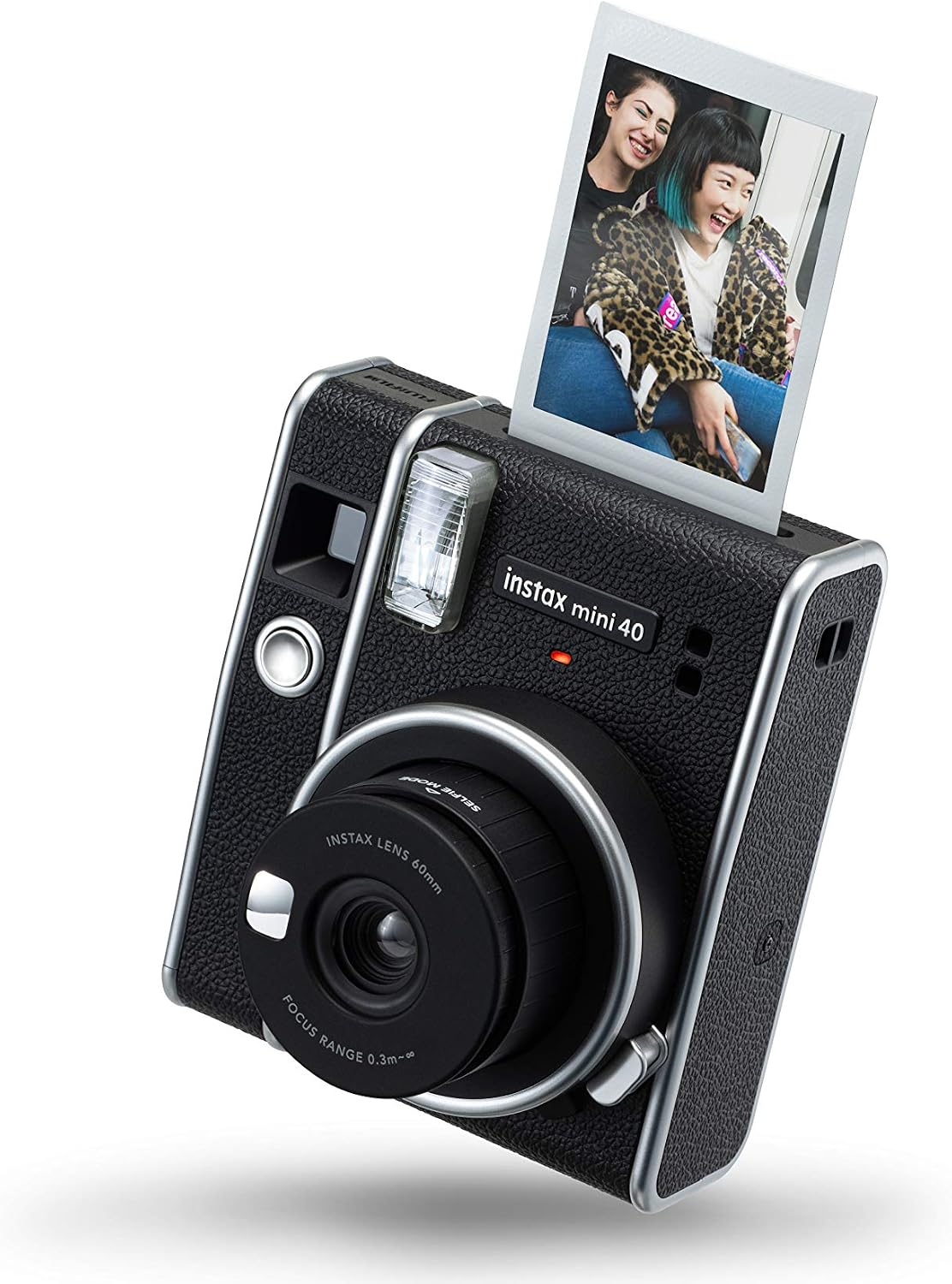
Design and Aesthetic Appeal
The Fujifilm Instax Mini 40 presents a striking visual identity that bridges the gap between vintage aesthetics and modern simplicity. According to The Phoblographer's review, the camera 'looks very nice' and 'feels like a stylish package' around the same basic functionality that has defined the Instax line for years. The design elements include a black textured finish with silver accents that echo the more premium Instax models like the Mini 70 and 90, but at a significantly lower price point of $99.99. Digital Camera World's Lauren Scott noted that the camera's 'chunky' appearance and 'knockabout charm' make it suitable for social settings, while the leatherette finish on the film ejection area adds a premium touch that's rare in this price segment. However, the build quality remains distinctly plastic, as The Phoblographer pointed out, with the camera feeling 'not solid at all' and potentially fragile compared to higher-end models from MiNT, which are noted for their better construction quality.
Functionality and User Experience
The Instax Mini 40 operates with the same straightforward approach as its predecessors, emphasizing ease of use over creative control. Cameralabs reviewer Gordon Laing described it as 'simply a Mini 11 in a different coat' with identical feature sets and controls, which means users get automatic exposure, full-time auto flash, and no manual adjustments. The camera's operation involves loading film through a large door with a color-coded system, turning it on by extending the lens barrel, and ejecting the safety sheet before taking shots. Amateur Photographer's Geoff Harris noted that while the camera is easy to use, the viewfinder window is 'quite titchy' and the shutter button placement isn't ideal for landscape-format shots. The selfie mode requires manually pulling the lens barrel out completely, which can be confusing at first, though the mechanism loosens with use. Digital Camera World's Lauren Scott highlighted that the camera's 'lack of features is absolutely appealing' and that it allows users to 'wander aimlessly around a city' without worrying about complex settings or menu navigation.
Image Quality and Performance
Image quality from the Fujifilm Instax Mini 40 is consistent with the rest of the Instax Mini line, with results that are largely dependent on the film used rather than the camera's capabilities. The camera features a 60mm f/12.7 lens with two components and elements, and can focus from about 30cm to infinity, with a dedicated selfie mode for close-ups. According to The Phoblographer, the camera produces 'well-exposed' images automatically, though the reviewer noted that 'the tones are nice and pleasing' and that 'youll be satisfied with the photos'—a sentiment echoed by Amateur Photographer's Geoff Harris who found the 'tones are attractively pale and retro, without looking contrived.' However, the camera's automatic exposure system can over-expose images in bright sunlight, as noted by Cameralabs' Gordon Laing, who stated that 'the Mini 40 will over-expose on bright sunny days and is most comfortable shooting people from close range.' The prints take approximately 90 seconds to develop, with the actual picture measuring 62mm x 46mm, leaving space for notes or captions on the side.
Same plastic build as the Mini 11 underneath
Despite its attractive appearance, the Fujifilm Instax Mini 40's build quality remains typical of the Instax line, with a plastic construction that feels 'not solid at all' according to The Phoblographer. Cameralabs' Gordon Laing emphasized that the camera is 'basically a Mini 11 in hipster drag' and that it 'shares the exact same quality and features' as its predecessor, including the same plastic construction. The camera's plastic body, while visually appealing with its textured finish, is described as potentially fragile and not as robust as models from competitors like MiNT, which are noted for better construction. The Phoblographer specifically criticized the build quality as 'plastic-y' and 'not solid at all,' while Digital Camera World's Lauren Scott calls it a 'clunky point-and-shoot with a knockabout charm' rather than a precision instrument. The wrist strap provided is described as 'chintzy,' raising concerns about the camera's durability during handling, and the overall impression is that the camera is more of a disposable or occasional-use device rather than a robust photography tool.
Auto flash that can't be switched off
The Fujifilm Instax Mini 40's primary shortcomings lie in its lack of innovation and limited functionality compared to higher-end Instax models. The Phoblographer criticized the camera for being 'the same camera that weve gotten for years over and over again' and noted that 'Fujifilm continues to do little to innovate or make their Instax Mini cameras better.' The camera lacks manual controls, extended exposure range, self-timer, mode screen, longer battery life, and tripod threads—features found in more premium models like the Mini 90 NEO Classic. As Cameralabs' Gordon Laing pointed out, 'the Mini 40 is simply a repackaged Mini 11, sharing the exact same feature-set, controls and quality,' which means it suffers from the same limitations as its predecessor, including over-exposure issues in bright sunlight and the same basic optical viewfinder. Additionally, the camera's auto flash cannot be turned off, which may be problematic for users who want more control over lighting conditions, as noted by Amateur Photographer's Geoff Harris. The lack of creative options and the simple operation that makes it easy to use also means it's not suitable for photographers seeking more advanced features or artistic control.
A party piece, not a serious camera
The Fujifilm Instax Mini 40 is best suited for users seeking an affordable, easy-to-use instant camera with a retro aesthetic that doesn't require extensive photography knowledge or creative control. According to Digital Camera World's Lauren Scott, the camera is ideal for 'a party piece or a wedding reception' and is particularly appealing to those who want 'to loosen up our snobby attitudes to camera tech once in a while.' The camera's simple operation and automatic features make it perfect for casual users, travelers, or those who simply want to enjoy the immediate gratification of instant prints without worrying about complex settings. However, it's not recommended for serious photographers or those who need creative control, as noted by The Phoblographer who stated that 'using the Fujifilm Instax Mini 40 felt like eating durian with ice cream on top'—a metaphor suggesting that while it's visually appealing, it lacks substance. The camera is also not ideal for users who want to avoid the higher costs associated with Instax film, which can cost around $10 per pack of 10 prints, as mentioned by Amateur Photographer's Geoff Harris. For those who want more value or control, alternatives like Lomography's LomoInstant series or MiNT cameras are recommended.
Cheaper than the Mini 70, styled to match it
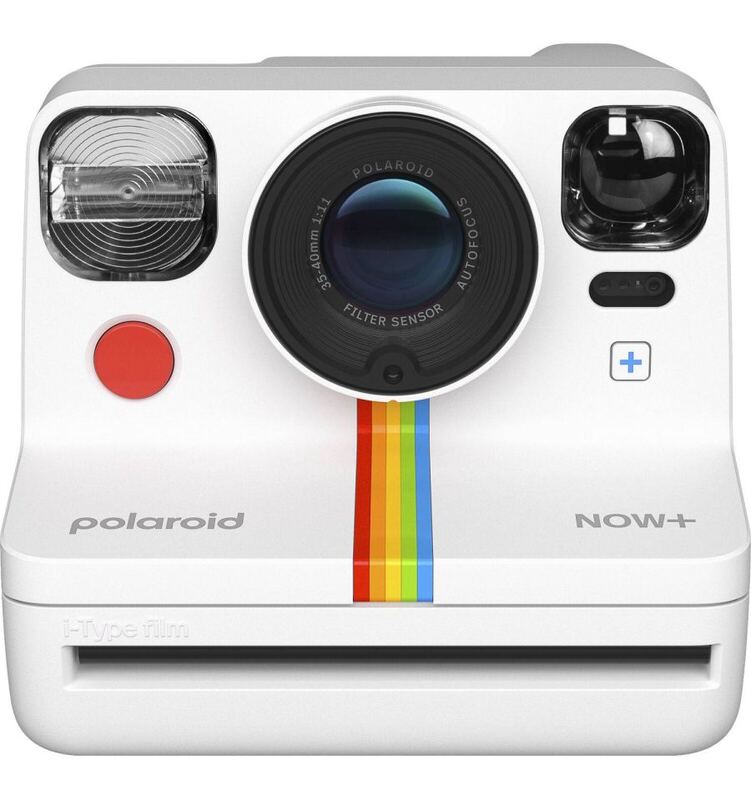
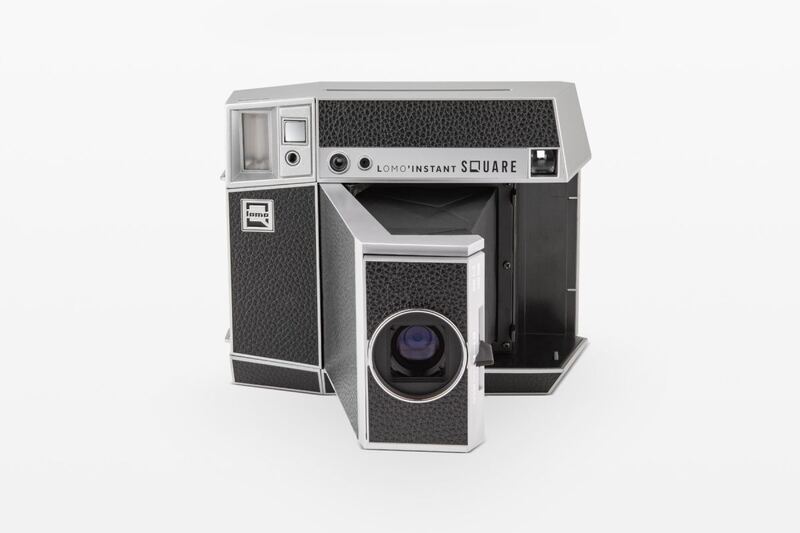
When compared to other Instax models, the Fujifilm Instax Mini 40 sits between the more affordable Mini 11 and the premium Mini 70/90, offering a balance of price and aesthetics but lacking the advanced features of its higher-end counterparts. Cameralabs' Gordon Laing explicitly stated that 'the Mini 40 is basically a Mini 11 in hipster drag' and that 'both models share the exact same quality and features,' which means it suffers from the same limitations as the Mini 11, including over-exposure issues and lack of manual controls. However, the Mini 40's design is closer to the vintage style of the Mini 70 and 90, making it more appealing to those who prefer a 'serious' look over the 'cuter' appearance of the Mini 11. The camera's price point of $99.99 makes it more affordable than the Mini 70 and 90, but it lacks their extended feature sets, including broader exposure range, self-timer, mode screen, and tripod threads. According to The Phoblographer, 'the Lomography LomoInstant is a far better series and sometimes even more affordable,' suggesting that users seeking more value or creative options should look elsewhere. Additionally, the camera's lack of a dedicated app or digital connectivity sets it apart from newer models like the Instax Mini 41, which offers more advanced features and better integration with smartphone apps.
3 out of 5 stars at $99.99
The Fujifilm Instax Mini 40 offers value in terms of its aesthetic appeal and ease of use, but its price point of $99.99 may not justify its lack of innovation or advanced features compared to alternatives. The Phoblographer gave the camera a 3 out of 5 stars, noting that while it's 'very nice looking' and 'pretty camera,' it 'spits out the same images every other Instax camera does' and that 'Fujifilm found a way to repackage the same thing theyve been doing for years.' Digital Camera World's Lauren Scott emphasized that 'the chunky Instax Mini 40 is simple and fun to use' and that 'it reminds me why I fell in love with photography in the first place,' but also noted that it 'isn't a proper camera' and that 'youd never use it to take photos on a professional shoot.' The camera's value is primarily in its nostalgic design and ease of use, rather than its technical capabilities or creative features. The cost of Instax film, which ranges from $10 to $15 per pack of 10 prints, adds to the overall expense, making it less economical for frequent users. However, for those seeking a retro-style instant camera that doesn't require extensive photography knowledge, the Mini 40 provides a compelling option at its price point, though it's not necessarily the best value when compared to more affordable alternatives like Lomography's series or MiNT models.
Strengths
- +Very nice looking design with a leatherette finish
- +Easy to use with simple film loading and operation
- +Automatic exposure control that produces well-exposed images
- +Includes a selfie mirror for front-facing shots
Watch-outs
- −No significant innovations compared to previous Instax models
- −Plastic build quality that feels cheap and fragile
How it compares
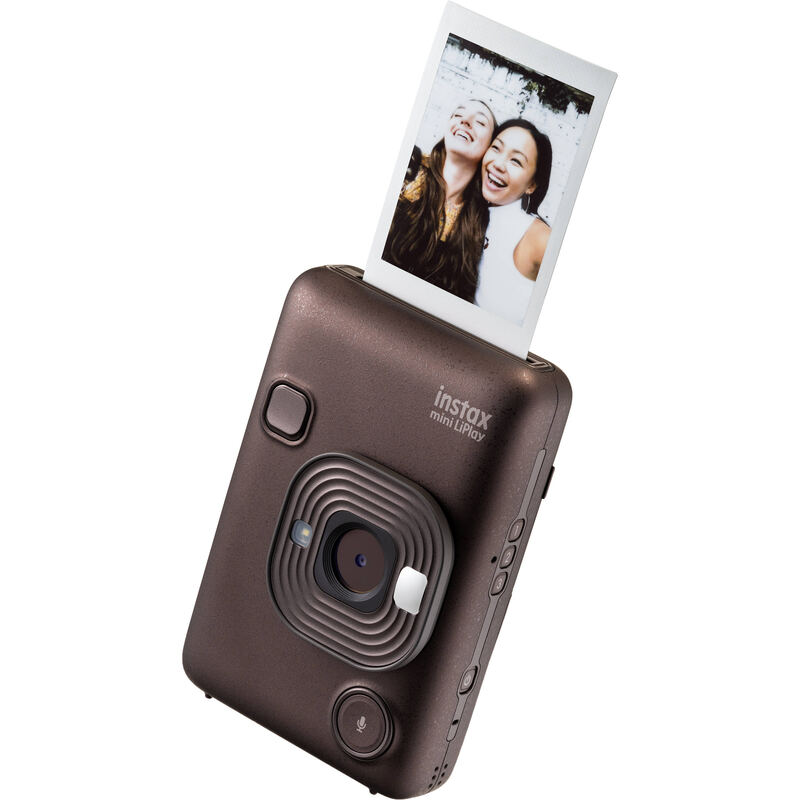
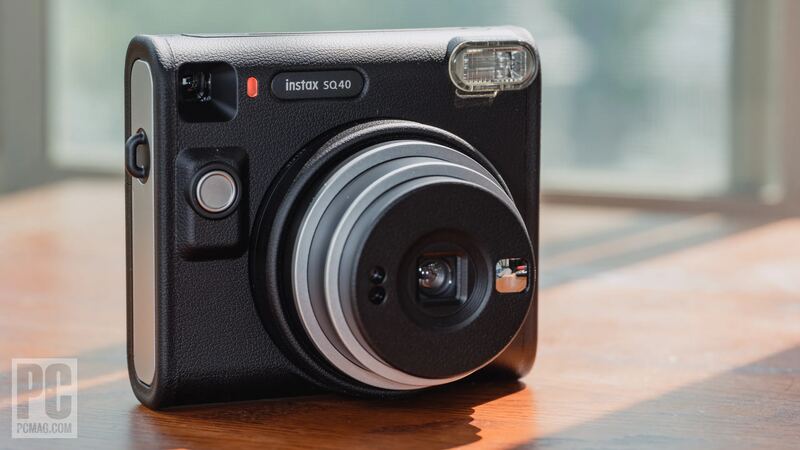
The Fujifilm Instax Mini 40 offers a more stylish design than the Mini 12 but lacks innovation, making it less compelling than the Evo which provides digital features and smartphone connectivity. While it's more visually appealing than the SQ6, it doesn't match the SQ6's analog simplicity and better build quality. Compared to the SQ1, it's more expensive and less practical despite its attractive finish.
Rating sources
“Once you get over the fact the Mini 40 is basically a Mini 11 in hipster drag though, it remains equally fun to use.”
Our 3.8 score is the average of the 4 scored reviews above; 2 more reviewed it without printing a score and are not in the average. More about methodology.