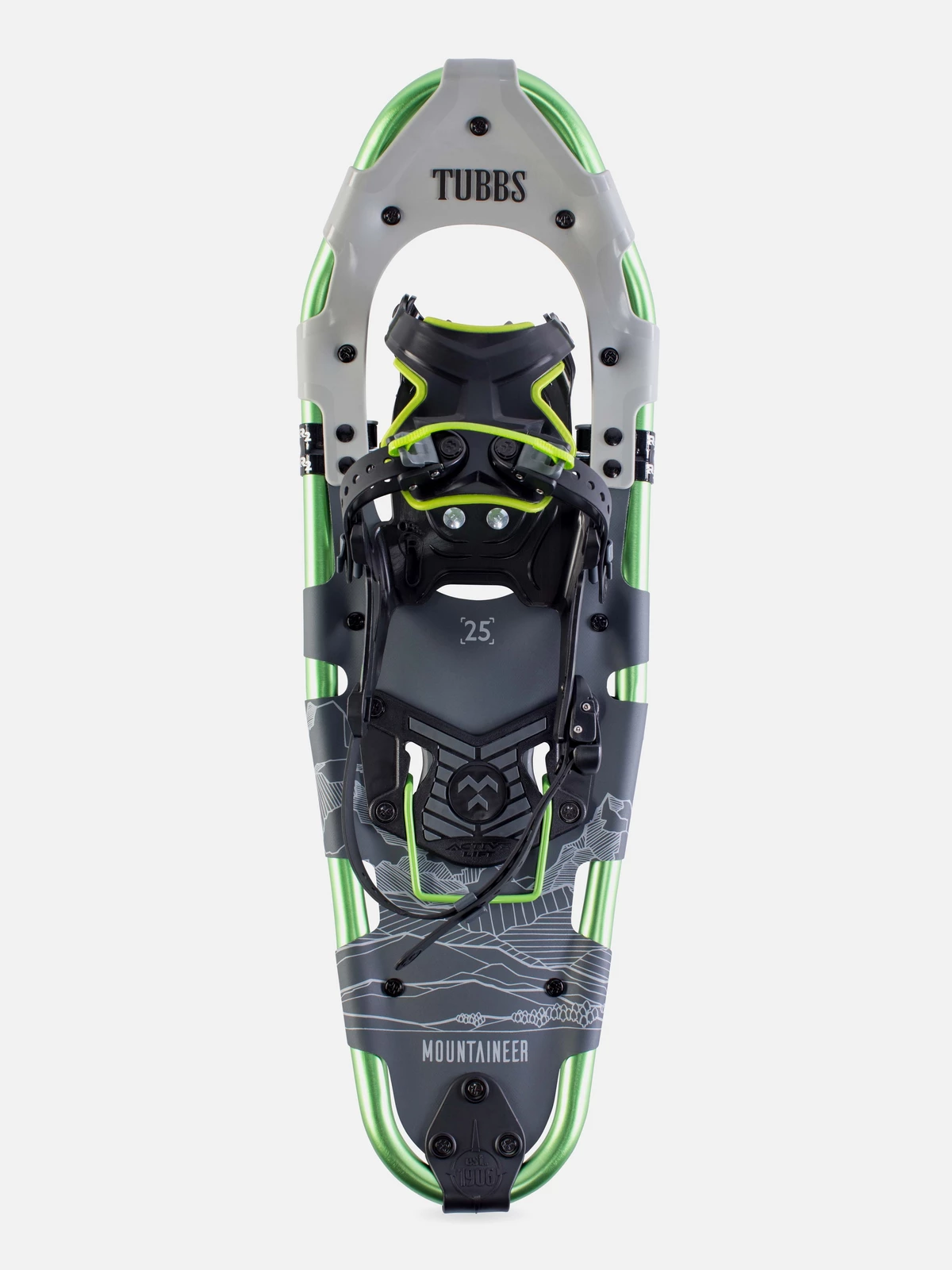
The Tubbs Mountaineer delivers excellent flotation in deep powder and unconsolidated snow thanks to its wide rigid aluminum frame, though it is heavier than minimalist trail-focused options. Gearjunkie found that this buoyancy allows hikers to traverse soft terrain without sinking deeply, while OutdoorGearLab measured the 25-inch size as providing sufficient surface area for good performance in spring conditions. Aggressive Anaconda toe crampons and Python heel crampons provide strong uphill traction on steep slopes, yet Catskillmountaineer found significant frustration with the rear strap adjustment mechanism during setup. The product fits off-trail hikers prioritizing flotation over speed.
Full review
Flotation performance in deep unconsolidated snow
The wide, rigid tubular aluminum frame of the Tubbs Mountaineer keeps hikers riding high on top of soft snowpacks where lighter models sink. Gearjunkie recorded that this flotation capability allows a guide to haul a heavy camera pack across rolling terrain in Yellowstone without sinking more than a few inches into bottomless powder. The 25-inch men's size provides 197 square inches of surface area, which OutdoorGearLab measured as sufficient for good flotation in deep powder and soft spring snow conditions.
The upturned tail design helps the snowshoe release cleanly from deep drifts with each step, though it does taper slightly at the rear. This tapered shape reduces total flotation compared to a fully rectangular deck but improves overall stride comfort by preventing the toe from catching on the heel of the opposite shoe. The rigid frame maximizes the utility of this surface area, making the Mountaineer a dependable specialist for off-trail routes where staying above the snowline is critical.
Traction limits in steep alpine terrain
Aggressive traction is provided on two fronts by the eight teeth of the Anaconda toe crampon backed up by enhanced downhill braking from the Python heel crampon. Mtnweekly noted that these steel claws dig into buried crust and provide stability when conditions shift from powder to firm surfaces, allowing hikers to edge across side slopes with a full load in steep terrain like the Tetons. Outsideonline highlighted this stainless-steel claw system as Tubbs's most aggressive traction setup at the time of their review.
Despite these beefy teeth, the Mountaineer trades all-out grip for better flotation and comfort in softer snow. OutdoorGearLab rated its traction lower than competitors, noting that tubular frames inherently offer less bite on hardpack compared to other designs. Gearjunkie found that while the traction is more than enough for most backcountry routes mixing soft snow with occasional firm layers, models like the MSR Lightning Ascent still hold an edge in icy or very steep alpine terrain due to their serrated frame and more aggressive bite.
ActiveFit binding comfort versus rear strap adjustments
The ActiveFit bindings are designed for quick entry and exit, even when wearing bulky winter gloves. Gearjunkie reported that the straps cinch evenly across the foot without creating pressure points, and the hybrid hinged system allows the snowshoe to pivot naturally underfoot as you walk rather than staying rigidly fixed. The single-handed EZ heel buckle provides instant exits, a feature praised by Outsideonline for its convenience when stopping frequently on long outings.
However, Catskillmountaineer found significant frustration with the rear strap adjustment mechanism, stating that it is difficult to get the toe into the front of the bindings and even harder to tighten them down properly. They noted that everyone struggles with adjusting the rear strap to fit through the hole in the webbing correctly. While Mtnweekly described their experience as easy to use with a solid cinch strap tightening mechanism, the consensus from Catskillmountaineer suggests that users may spend considerable time fiddling with the rear tension during setup.
Heel lift bar utility on steep ascents
A 19-degree heel lift bar is included to reduce fatigue when walking uphill, allowing hikers to stand more naturally and stretch their calves rather than forcing them into a flat position. Catskillmountaineer confirmed that this lift bar works well for easing the strain on ACLs during steep climbs, making long ascents significantly less exhausting. This feature transforms the snowshoe from a simple flotation device into a tool capable of handling sustained vertical gain in backcountry environments.
Sizes for men and women
Tubbs lists the men's Mountaineer in 25, 30 and 36 inch lengths and the women's in 21, 25 and 30 inches. Catskillmountaineer's older review complained that the women's range stopped at 25 inches and that women needing more flotation had to buy the men's version; Tubbs has since added a 30-inch women's size.
Durability of polyurethane canvas decking
The latest models feature polyurethane canvas tops that Catskillmountaineer described as the most durable solution on the market, likely outlasting both the frames and bindings. Previous iterations used plastic coverings that were prone to splitting and breakage over time, but this new material has been proven effective for decades in snowshoe construction. The strong aluminum frame further ensures longevity, making the Mountaineer a robust choice for rough terrain where deck damage is common.
Weight trade-offs against minimalist trail models
Gearjunkie noted that it is not the lightest or most compact snowshoe available, a necessary trade-off for its wide platform and rigid frame construction. OutdoorGearLab measured the weight at 4.9 lbs per pair, confirming that users prioritizing lightweight efficiency for flat or rolling terrain may find these models too bulky compared to specialized trail-focused alternatives.
Strengths
- +Excellent flotation in deep powder and unconsolidated snow due to wide rigid frame
- +Aggressive Anaconda toe crampons and Python heel crampons provide strong uphill traction
- +ActiveFit bindings allow for quick entry, secure fit, and easy one-handed release
Watch-outs
- −Bindings can be difficult to adjust the rear strap properly for some users
- −Binding does not tighten at the toe of the boot, leaving the pressure across the bridge of the foot (Cleverhiker)
- −Heavier than minimalist trail-focused snowshoe options
How it compares
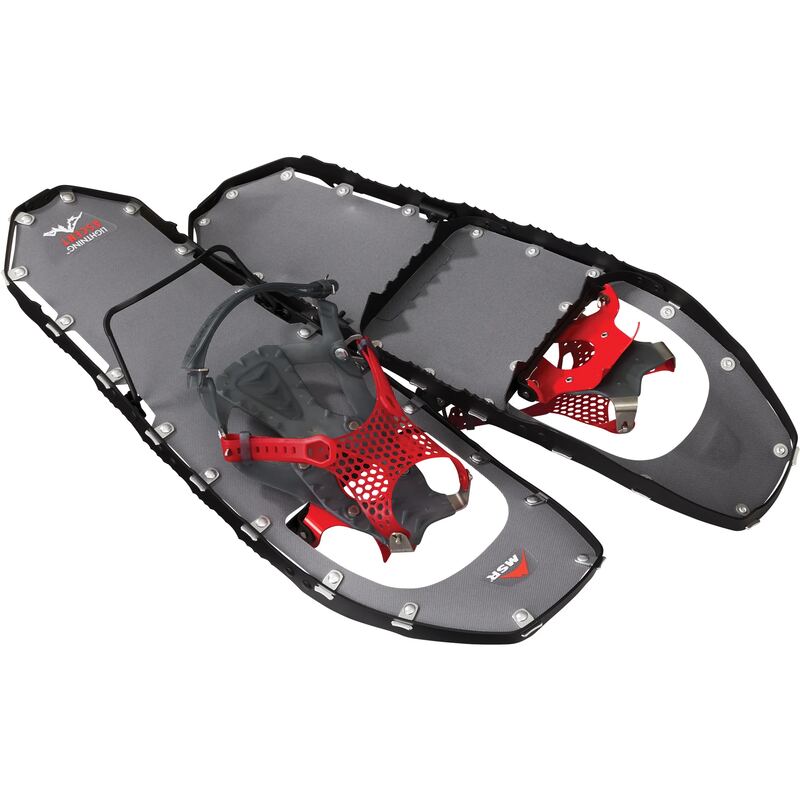
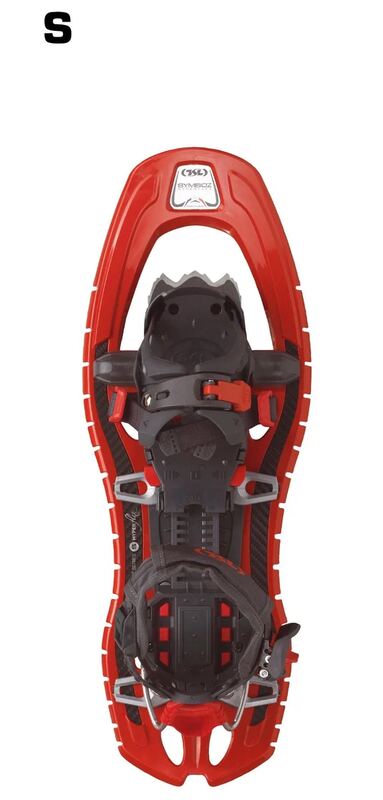
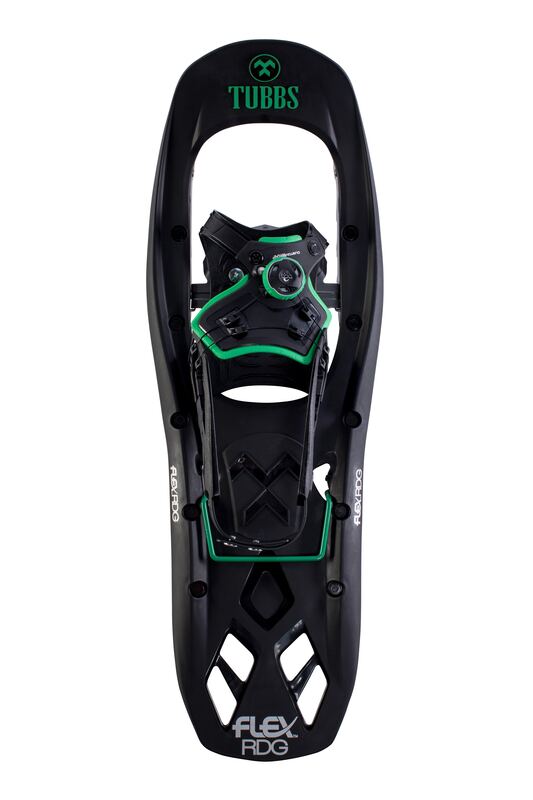
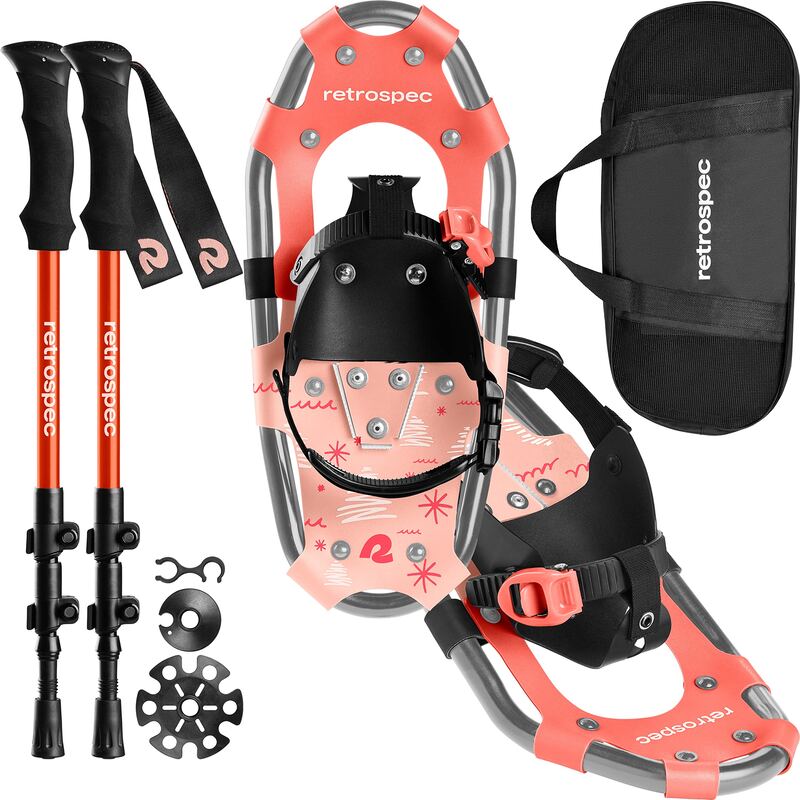
The Tubbs Mountaineer provides superior flotation in deep powder compared to the compact TSL Symbioz Hyperflex Elite and Tubbs Flex RDG, making it better for off-trail travel. However, its rigid aluminum frame is heavier than the minimalist Retrospec Drifter Snowshoes and lacks the flexible articulation of the Flex RDG's Torsion Deck technology.
Rating sources
Counts as 3.90/5 in our score — this publisher's 60 scores on the site average 4.49, so its scores are adjusted down to compare fairly with other publishers.
Counts as 4.12/5 in our score — this publisher's 45 scores on the site average 4.03, so its scores are adjusted up to compare fairly with other publishers.
Counts as 3.56/5 in our score — this publisher's 149 scores on the site average 3.69, so its scores are adjusted up to compare fairly with other publishers.
“Most hikers really like these snowshoes. They are very functional and durable.”
Our 3.9 score is the average of the 3 scored reviews above, each adjusted for how strictly its publisher scores; 4 more reviewed it without printing a score and are not in the average. More about methodology.