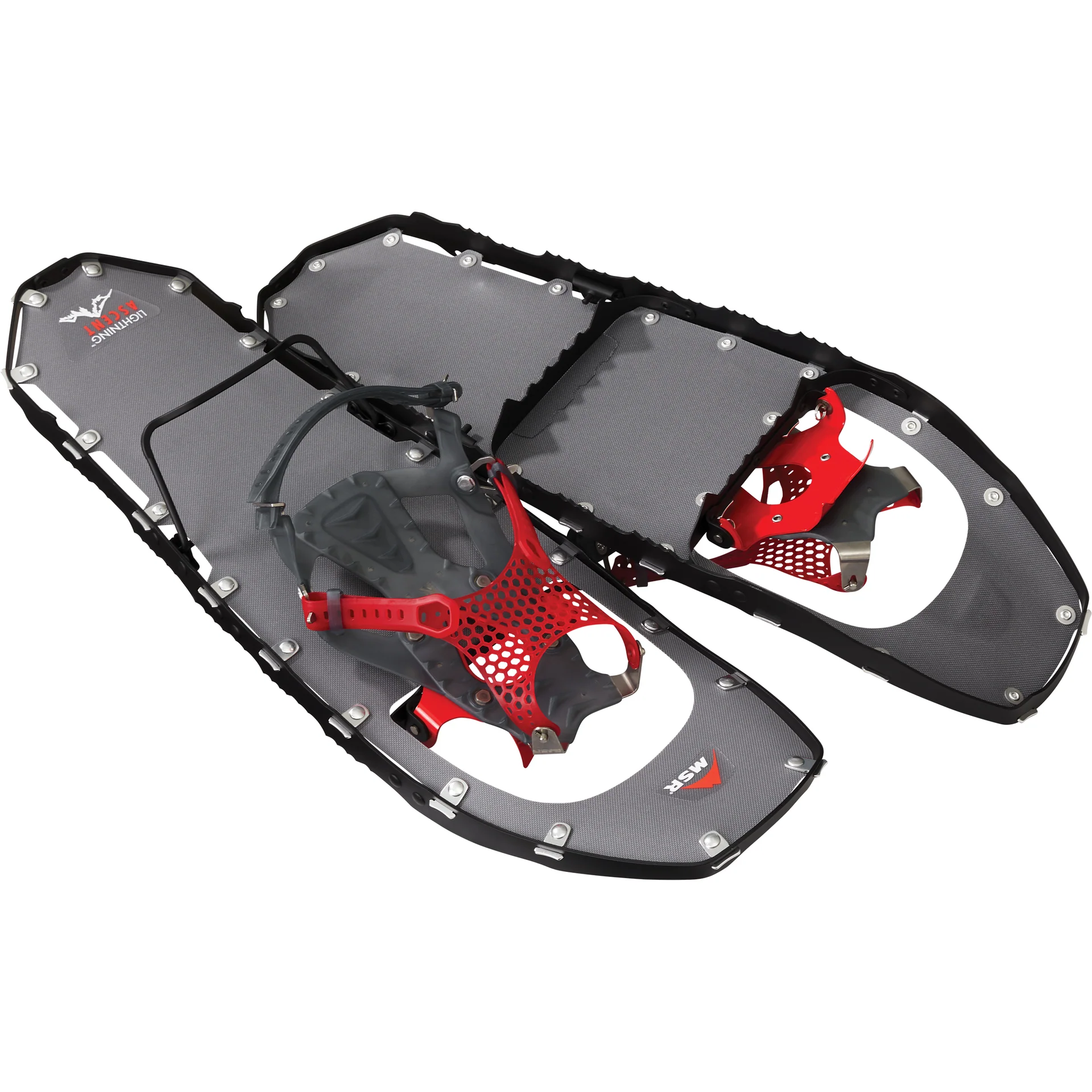
The MSR Lightning Ascent delivers class-leading traction on icy slopes through its serrated aluminum frame and aggressive steel crampons that prevent snowballing, a finding credited to Switchbacktravel. The Paragon binding system distributes pressure evenly across the foot via an elastic mesh net, ensuring comfort during long hikes even in freezing conditions. Ergo Televator heel lift bars reduce calf fatigue by keeping the foot horizontal on steep ascents, though Alpinist notes some users may find the elevation uncomfortable. At $390 and with optional flotation tails adding cost, this 4 lb 5 oz pair is overkill for casual flat-trail outings and better suited for technical backcountry travel.
Full review
Aggressive Traction on Icy Slopes
The defining characteristic of the MSR Lightning Ascent is its comprehensive traction system, which Switchbacktravel describes as class-leading for steep and icy terrain. The snowshoe utilizes a serrated aluminum frame that wraps around the entire perimeter, providing grip not just underfoot but also when side-hilling across slopes.
Under the ball of the foot, a robust steel crampon digs into steep inclines, while additional horizontal steel bars run across the base. Thegoodride highlights that this multi-directional grip is essential for slackcountry access, allowing snowboarders to ascend safely before riding down. Thetrek found that these serrated edges and crossmembers kept them firmly planted on 25 percent grade slopes in Maine, proving effective even when navigating mixed terrain of ice and dense snow.
The traction extends beyond the crampons; Thegreatoutdoorsmag points out that the aggressive teeth around the frame edge often provided sufficient grip on their own. This combination ensures stability regardless of how the user is oriented to the slope. Hikinglady emphasizes that this extreme grip is particularly valuable for avoiding slips on icy patches, noting that her calves and overall balance benefited significantly from the secure footing during steep ascents.
Paragon Binding Comfort and Adjustability
The Paragon binding system replaces traditional straps with a flexible elastic mesh net, which distributes pressure evenly across the top of the boot. This design eliminates hot spots that often develop during long winter hikes. Thetrek confirms that this even distribution is crucial when strapped tightly to the foot on rugged terrain, ensuring comfort without sacrificing security. The binding layout features front corner posts that prevent boots from sliding too far forward, keeping the ball of the foot perfectly aligned with the crampon.
Adjusting these bindings is straightforward and can be done quickly, even while wearing thick winter gloves. The heel strap utilizes a secure clip mechanism that keeps it closed reliably, addressing an issue with older models where the strap would frequently pop open during vigorous use.
The mesh material performs exceptionally well in freezing conditions without becoming brittle or stiff. Thetrek tested the bindings in single-digit Fahrenheit temperatures and found them to remain functional despite being covered in snow and ice. The ergonomic design allows for a natural stride, particularly on the women's specific models which Hikinglady notes are narrower than unisex versions, allowing feet to walk comfortably without forcing an overly wide stance.
Televator Heel Lifts Reduce Calf Fatigue
Ascending steep slopes is significantly easier with the Ergo Televator heel lift bars. Hikinglady highlights that these wire loops prop the heel up, keeping the foot in a horizontal position similar to walking on flat ground. This mechanical advantage drastically reduces strain on the calf muscles during long climbs.
The mechanism is designed for frequent use on variable terrain. Users can strike their trekking pole handles against the bars to fold them back down flush with the decking when switching to flat ground or descending. Thetrek found these lifts incredibly useful, trusting their full weight and pack load on them without any collapse issues. The ease of flipping them up and down saves considerable time and effort compared to older heel lift designs.
Despite the mechanical benefits, some users find the elevation uncomfortable. Alpinist tested an earlier version in Alaska and found the Televator uncomfortably high on steep terrain, preferring to keep it deployed flat even during ascents. While newer iterations have adjusted the height slightly, the sensation of walking in high heels remains a polarizing feature for those unaccustomed to aggressive uphill climbing mechanics.
Lightweight Aluminum Frame Construction
Thetrek emphasizes that saving weight on the feet translates to massive energy savings over long distances, noting that a pound on the feet is worth five pounds on the back in terms of exertion. Alpinist found these aluminum-framed shoes surprisingly light once strapped on, making them ideal for approach hikes where carrying heavy loads up glaciers is necessary.
The frame itself is constructed from lightweight aluminum, which resists rust and provides a stiff yet resilient base. The aluminum rails support a tough urethane deck made of TPU-coated nylon. This decking material is not only durable but also significantly quieter on hard snow than the plastic decks found on more affordable MSR models. Switchbacktravel confirms this acoustic advantage, noting the quiet operation during their Colorado mountain testing.
The combination of materials results in a shoe that feels nimble despite its aggressive features. Thegoodride appreciates the lightweight nature for slackcountry use, where speed and efficiency matter when transitioning from hiking to riding. However, carrying them on the trail remains an issue due to their physical bulk rather than just their weight.
Flotation Versatility via Modular Tails
The snowshoe is available in 22-inch, 25-inch, and 30-inch lengths to accommodate different user weights and snow conditions. Switchbacktravel recommends the 22-inch for light to moderate snowfall, while the 25-inch offers excellent all-around performance in powder. The 30-inch model provides maximum flotation for deep snow or heavy expedition packs. Hikinglady used the 25-inch version around the sequoias of Mariposa Grove and calls that size best for all-around conditions.
A unique feature is the availability of modular flotation tails that add five inches to the length. Thetrek notes this option offers immense versatility, allowing backpackers to adapt to changing snow conditions without carrying multiple pairs of shoes. Adding these tails increases surface area significantly, ensuring users stay on top of fluffy powder even when pushing past standard weight limits.
While modular tails are highly effective, they add considerable cost and complexity to an already premium product. Switchbacktravel warns that the base price is high, and purchasing the optional tails makes the setup overkill for casual outings or flat trails. Users who primarily hike on packed snow or groomed paths will find the added length unnecessary and potentially cumbersome.
High Price Point Limits Casual Appeal
Switchbacktravel explicitly states that this premium pricing makes the snowshoe overkill for casual outings and flat trails. The cost is justified by the advanced materials like TPU decking and complex binding systems, but recreational users may find better value in simpler plastic models.
Thegoodride argues that while the shoe is excellent for technical uphill travel, it represents too much work for average riders who just want to access backcountry terrain before a mountain opens. They found that alternative gear like splitboards or drift boards offered significantly better efficiency for their specific use case, rendering the snowshoe's high cost unjustified in those scenarios.
Thegreatoutdoorsmag acknowledges the bulk and weight as cons, noting that the pair, which it puts at under 2kg, was awkward to carry lashed to a pack for around 80 miles. While the shoe performs brilliantly when worn, the financial investment combined with the logistical burden of transport makes it a specialized tool rather than a general-purpose winter accessory.
Durability and Decking Resilience
The TPU-coated nylon deck appears flimsy at first glance but proves remarkably tough in practice. Thetrek tested the decking by navigating over sharp rocks and sticks, finding it resistant to punctures despite aggressive poking. The material holds strong against abrasion and maintains its structural integrity even after extended use on rugged terrain.
The aluminum frame is corrosion-resistant, a critical feature for winter gear exposed to moisture and salt. However, Thetrek warns that the steel crampons are susceptible to rust if not dried thoroughly before storage. Proper maintenance is required to prevent degradation of the traction components over time.
Strengths
- +Class-leading traction from a full perimeter serrated aluminum frame and aggressive steel crampons that prevent snowballing on icy terrain (Switchbacktravel)
- +Paragon binding system features an elastic mesh net that distributes pressure evenly across the foot for high comfort and quick adjustment with gloves (Thetrek)
- +Televator heel lift bars reduce calf fatigue by keeping the foot horizontal during steep uphill climbs (Hikinglady)
- +Lightweight aluminum frame construction makes them among the lightest technical snowshoes available at approximately 4 lbs per pair (Thetrek, Alpinist)
Watch-outs
- −High price point of $390 and optional flotation tails make it overkill for casual flat-trail outings (Switchbacktravel)
- −Feels clunky on packed trails (Cleverhiker)
How it compares
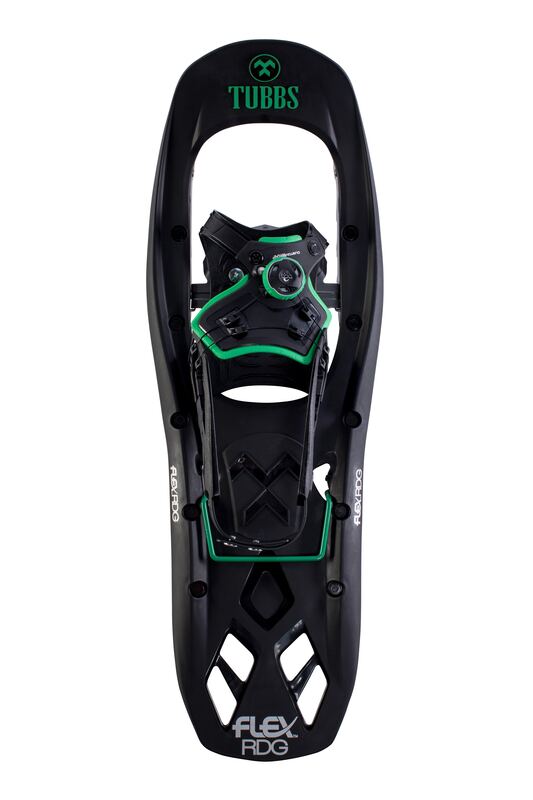
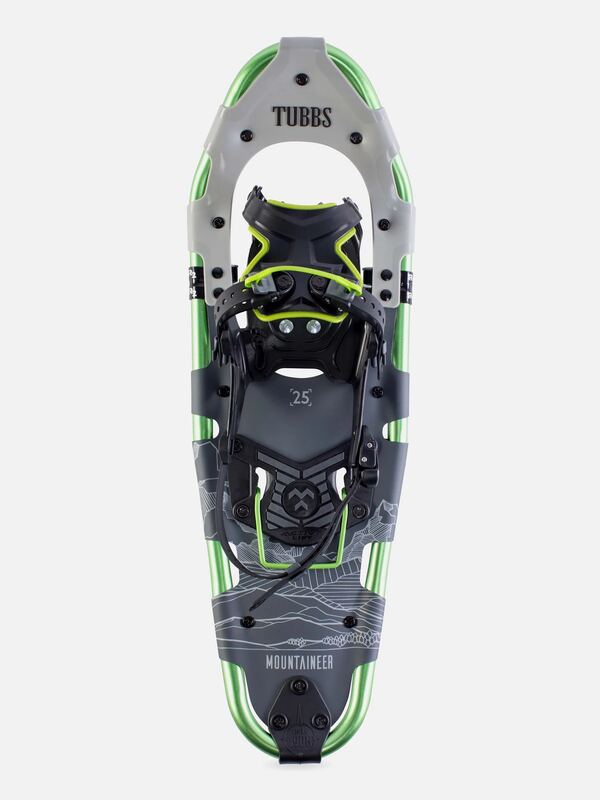
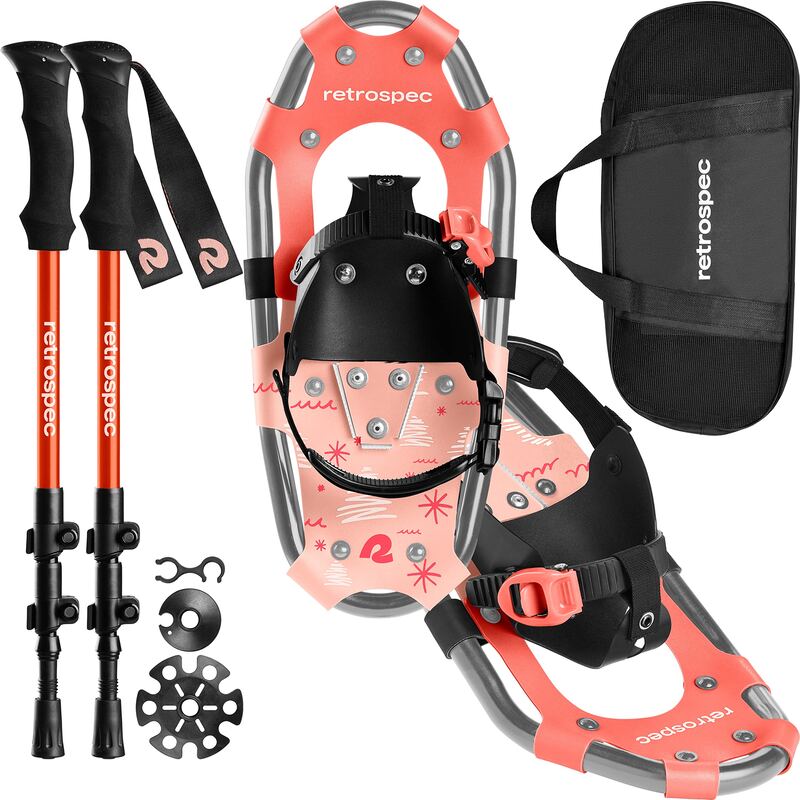
The MSR Lightning Ascent pairs a serrated aluminum frame with steel crampons for steep, icy terrain, where the Retrospec Drifter Snowshoes are an entry-level pick for casual hiking on established trails. Its Paragon binding holds the boot with an elastic mesh net, a different approach from the Boa dial on the Tubbs Flex RDG and the ActiveFit 2.0 binding on the Tubbs Mountaineer.
Rating sources
Counts as 4.50/5 in our score — this publisher's 60 scores on the site average 4.49, so its scores are adjusted down to compare fairly with other publishers.
“If you’re looking for bells and whistles, this pair has it.”
“MSR’s Lightning Ascent Snowshoes are best-of-breed snowshoes that are ideal for winter hiking and backpacking in mountainous terrain.”
Counts as 4.36/5 in our score — this publisher's 149 scores on the site average 3.69, so its scores are adjusted up to compare fairly with other publishers.
Our 4.4 score is the average of the 2 scored reviews above, each adjusted for how strictly its publisher scores; 7 more reviewed it without printing a score and are not in the average. More about methodology.