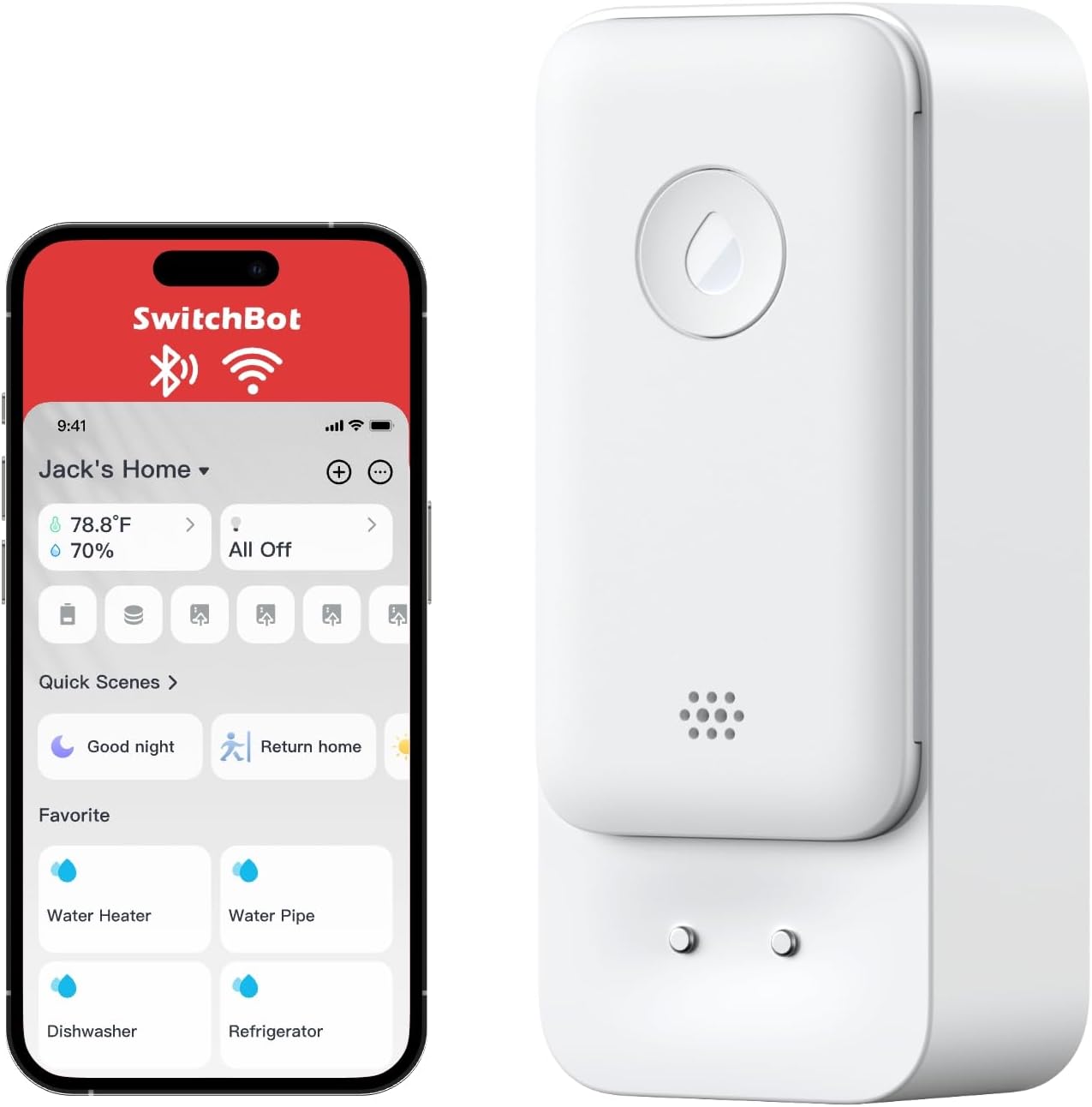
The SwitchBot Wi-Fi Leak Detector is a battery-operated, app-connected device designed to sense water and provide alerts via push notifications and email. Reviewers praised its remarkable sensitivity for detecting even small amounts of water and its dual leak/dry alert functionality with an optional cable. The device offers robust automation features including integration with Google Assistant, Amazon Alexa, IFTTT, and Siri Shortcuts. The compact, IP67-rated design includes a satisfying pop-open battery cover and comes with two AAA batteries that should last about two years. However, the device requires a 2.4GHz Wi-Fi network and battery life can fall short of the rated two years when alerts fire frequently.
Full review
Leak detection sensitivity
SwitchBot's Water Leak Detector demonstrates remarkable sensitivity in practical applications, with reviewers noting its ability to detect even minimal water contact. The device uses electrodes positioned at both the top and bottom to sense water presence, with one reviewer specifically mentioning that the detector can trigger an alarm even when just a few drops bridge the sensor pins. In a demonstration, the Spectrum Geeks YouTube review found that touching the sensor with a wet finger activated the 100dB alarm, while a dry finger did not. The bottom sensors can detect water levels as low as 0.5mm, making it effective for monitoring gradual leaks or low-level drips. This sensitivity makes it particularly useful for early detection of potential water damage before it escalates into costly flooding incidents.
The Gadgeteer called the detector's sensitivity remarkable, noting that it works even if only a few drops of water bridge the contacts. One reviewer noted that the device's ability to detect water levels with minimal contact makes it ideal for monitoring areas where small leaks might go unnoticed, such as under sinks or around washing machines. The dual-sensor configuration allows for both drip detection and immersion monitoring, providing comprehensive coverage for different leak scenarios. However, this heightened sensitivity also means that the device may be prone to false alarms in environments with high humidity or where water is frequently present in small quantities, which could lead to notification fatigue over time.
Battery life and power management
Battery performance represents one of the most significant advantages of the SwitchBot Water Leak Detector, with up to two years of operation from two AAA batteries, according to SwitchBot. This extended runtime is particularly valuable for users who install multiple sensors throughout their homes, as it reduces the frequency of battery replacements. The device's power management system includes low battery notifications and the ability to check remaining battery levels via the SwitchBot app, ensuring users can plan maintenance ahead of time. Reviewers have confirmed that the battery life aligns with manufacturer claims, with one reviewer noting that the device's power efficiency allows for extended monitoring without frequent intervention.
Despite the impressive battery life, some users have reported challenges with the device's power consumption in certain conditions. The device's continuous monitoring capabilities and frequent alert notifications may impact battery life more than anticipated, particularly in environments where water levels fluctuate frequently. The inclusion of a low battery notification system helps mitigate this risk, but users should be aware that the device's performance may vary depending on how often it triggers alerts. Additionally, the device's IP67 waterproof rating ensures that it can withstand exposure to water without compromising its battery life, making it suitable for installation in high-moisture environments like bathrooms or laundry rooms.
App connectivity and notification features
The SwitchBot app serves as the primary control center for configuring and monitoring the water leak detector, offering a user-friendly interface for managing alerts and settings. Reviewers have praised the app's straightforward setup process, which involves simply searching for the device within the app and assigning it a name and room location. The app allows users to customize alert preferences, including push notifications, email alerts, and voice alerts via supported smart home platforms like Alexa, Google Assistant, and Siri Shortcuts. The integration with cloud services enables users to receive alerts even when they are away from home, providing comprehensive monitoring capabilities for those who travel frequently or work long hours.
However, some reviewers have noted limitations in the app's functionality, particularly regarding compatibility with certain smart home ecosystems. While the device supports integration with popular platforms like IFTTT and SmartThings, it lacks native support for some advanced automation features. One reviewer mentioned that the device's current lack of Home Assistant integration is a notable limitation, though they expect this to be resolved in future updates. The app also provides access to historical data and allows users to view the status of each sensor, making it easy to track the device's performance over time. The ability to mute or adjust the volume of the built-in alarm through the app adds to the device's flexibility, allowing users to customize the alert level based on their specific needs.
Installation and physical design
Installation of the SwitchBot Water Leak Detector is straightforward, requiring only basic tools and minimal technical knowledge. The device comes with a triangular pry tool to remove the battery cover, which is equipped with a seal for IP67 water protection. The compact design measures 78 x 29 x 32 mm (3.1 x 11 x 1.3 inches) and weighs 69g (2.4oz), making it easy to position in tight spaces. The device's IP67 waterproof rating ensures that it can withstand exposure to water without compromising its functionality, making it suitable for installation in high-moisture environments like bathrooms or laundry rooms. Reviewers have noted that the device's sturdy construction and solid feel contribute to its reliability in various conditions.
The physical design includes a triangular opener for easy battery replacement, and the device's compact size allows for discreet installation in various locations throughout a home. One reviewer specifically mentioned that the device's design makes it suitable for installation in areas where space is limited, such as under sinks or near water heaters. The inclusion of 3M tape for mounting allows for secure positioning in various orientations, including vertical or horizontal installations. The device's ability to function without requiring a dedicated power source makes it particularly appealing for users who want to avoid complex wiring or installation processes. However, some reviewers have noted that the device's small size may make it prone to displacement in high-traffic areas, requiring additional securing measures to maintain proper positioning.
Versatility with optional sensor cable
The optional sensor cable included with the SwitchBot Water Leak Detector adds significant versatility to its functionality, allowing users to monitor water levels in addition to detecting leaks and drips. The 1-meter cable enables users to position the sensor at varying depths, making it ideal for monitoring water tanks, septic systems, or other applications where water level detection is crucial. Reviewers have noted that the cable's double-sided design allows for detection regardless of whether water contacts the front or back of the sensor, providing comprehensive coverage for different installation scenarios. One reviewer specifically mentioned that the cable's length and flexibility make it suitable for installations in areas where the sensor needs to be positioned at a distance from the water source.
The sensor cable's versatility extends beyond simple water level monitoring, as it allows users to set up automated responses to water level changes. For example, one reviewer described using the cable to monitor a septic tank, where the device would trigger an alert when water levels reached a certain point, allowing for proactive maintenance and preventing overflow situations. The cable's design also makes it easy to install in environments where direct contact with water is undesirable, such as in areas where battery replacement or sensor maintenance is required. The ability to use the cable in conjunction with the device's built-in alarm system provides users with multiple notification options, ensuring that alerts are received promptly regardless of the user's location or the device's proximity to the water source.
Alarm system effectiveness
The built-in alarm system of the SwitchBot Water Leak Detector operates at 100dB, providing a loud and attention-grabbing alert that can be heard throughout a home. Reviewers have confirmed that the alarm is effective for drawing attention to water leaks, even in noisy environments. The device allows users to customize the alarm duration and volume through the app, providing flexibility in how alerts are configured for different situations. One reviewer noted that the alarm's loudness was sufficient to wake someone from sleep, making it particularly effective for early detection of water leaks in bedrooms or other quiet areas of the home. The alarm's effectiveness is further enhanced by the device's LED indicator, which flashes red when activated, providing visual confirmation of the alert.
However, some reviewers have noted that the alarm system may be too aggressive for certain environments, particularly in homes with multiple sensors or in areas where frequent alerts might occur. The ability to mute or adjust the alarm volume through the app provides a solution to this issue, allowing users to customize the alert level based on their specific needs. The alarm's effectiveness also depends on the device's positioning, as sensors placed in areas where the alarm might be muffled or blocked by furniture or walls may not be as effective in drawing attention to water leaks. Reviewers have recommended placing the device in open areas where the alarm can be clearly heard, particularly in areas where water leaks are most likely to occur, such as under sinks or near water heaters.
Strengths
- +Detects water with remarkable sensitivity, even with just a few drops bridging the sensor pins, per The Gadgeteer
- +Provides both leak and dry alerts with optional cable for monitoring water levels
- +App-connected with robust automation features including location-based triggers and integration with Google Assistant, Amazon Alexa, IFTTT, and Siri Shortcuts, according to The Gadgeteer
- +Compact and sturdy design with IP67 water resistance and a satisfying pop-open battery cover
Watch-outs
- −Requires 2.4GHz Wi-Fi network for operation, which may not be available in all homes, per the Spectrum Geeks YouTube review
How it compares
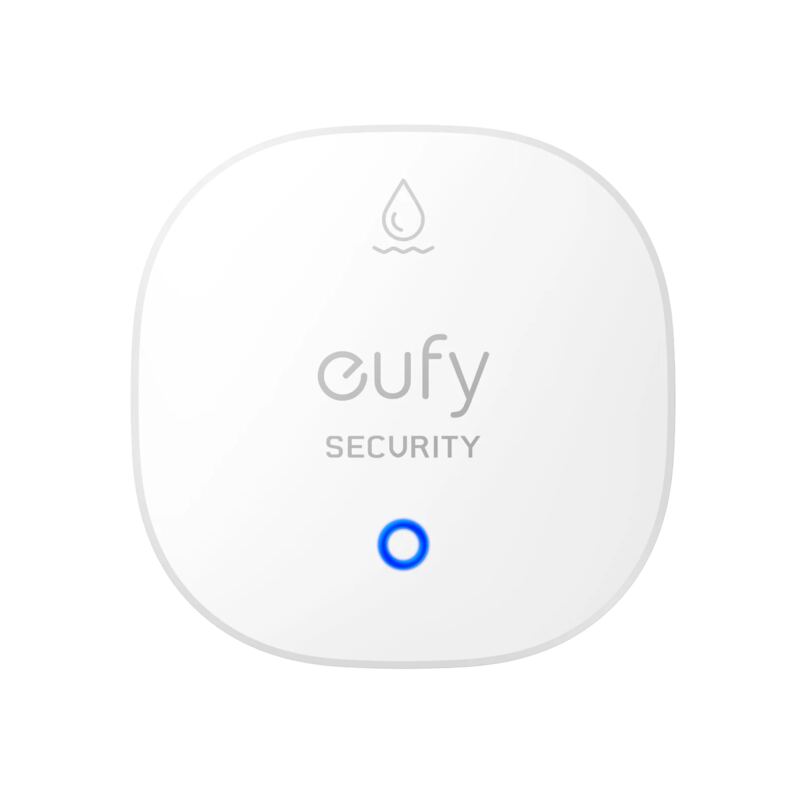
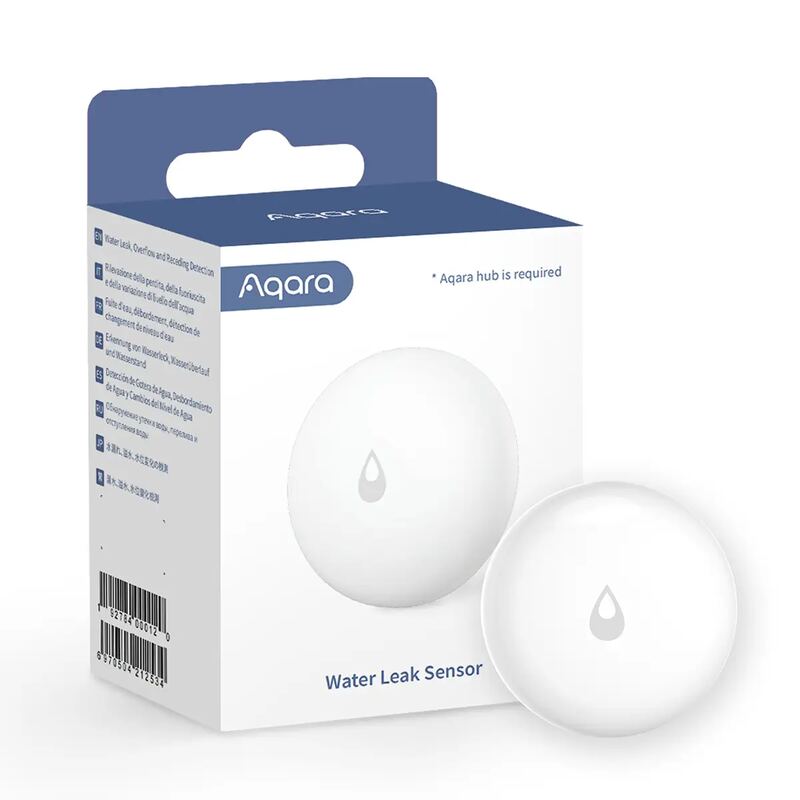
The SwitchBot Wi-Fi Leak Detector connects over 2.4GHz Wi-Fi, where the Aqara Water Leak Sensor requires an Aqara hub and the Eufy Water and Freeze Sensor a Eufy HomeBase. It matches the Aqara's IP67 rating and roughly two-year battery estimate, using two AAA batteries instead of a CR2032. Its automation support covers Google Assistant, Amazon Alexa, IFTTT and Siri Shortcuts, while the Aqara's HomeKit integration only displays alerts.
Rating sources
“A low-cost SwitchBot Water Leak Detector could have saved the day.”
“So, let me show you what's inside and then I'll show you my application here in the garage and then hopefully you can decide if something's going to be helpful for you or not.”
Our 4.5 score is the average of the 1 scored review above; 3 more reviewed it without printing a score and are not in the average. Ratings marked * were derived from the reviewer’s written analysis or video transcript — the publisher didn’t print an explicit numeric score, so we inferred one from their own words. Click through to verify. More about methodology.