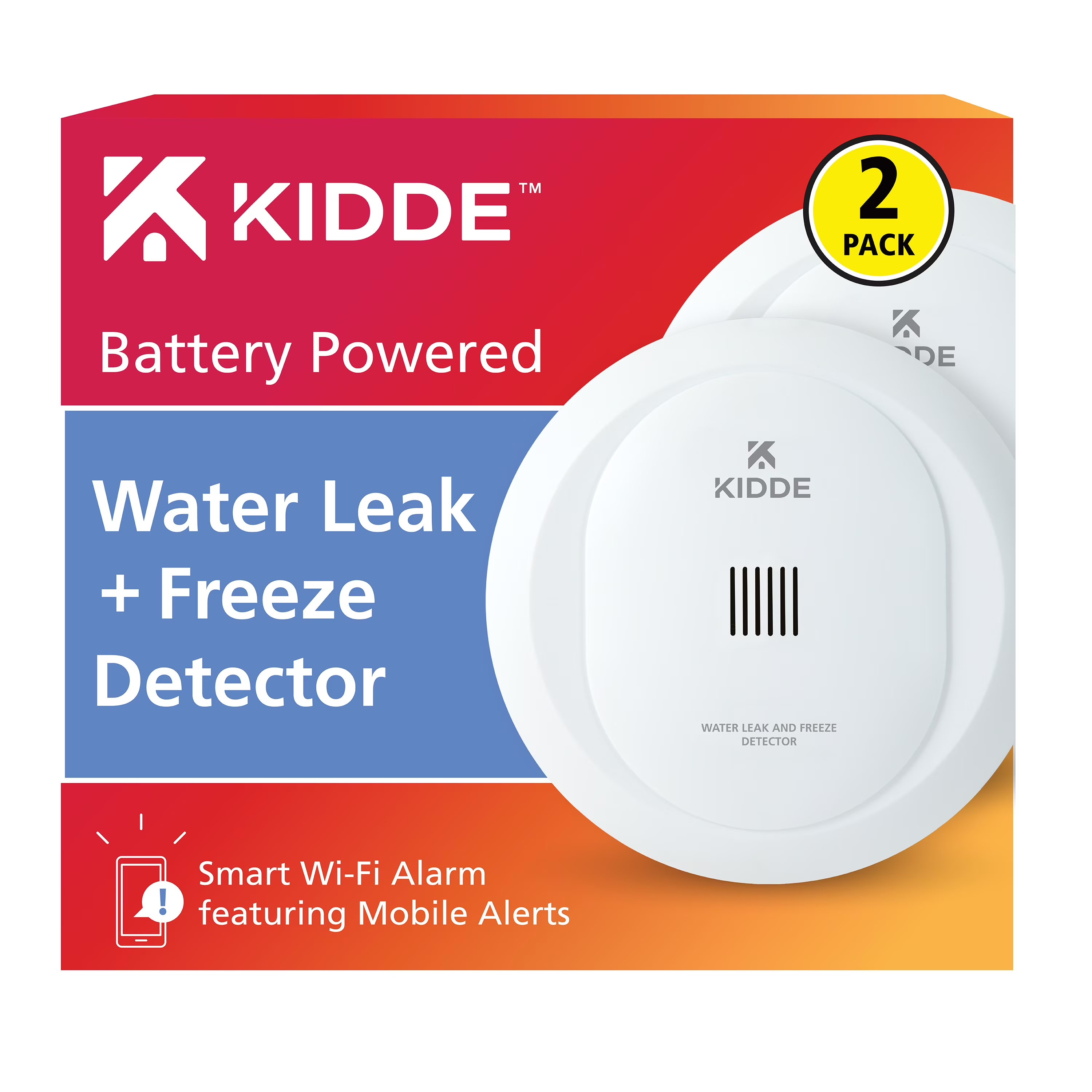
The Kidde Water Leak + Freeze Detector is a budget-friendly option that offers reliable water and freeze detection with a loud 95dB alarm. According to Bob Vila's review, it's easy to set up and works standalone or via Wi-Fi, making it suitable for areas like basements or near plumbing fixtures. However, reviewers noted that its sensor spacing may delay leak detection compared to competitors. The New York Times' Wirecutter ranks it as a budget pick, emphasizing its simplicity and fast performance, though it lacks advanced smart-home features found in pricier models.

Full review
Simple Setup and Deployment
The Kidde Water Leak + Freeze Detector stands out for its remarkably straightforward installation process, which requires no tools or complex wiring. Reviewers from both TechHive and Bob Vila confirmed that users can simply remove the device from its packaging, insert two AA batteries, and place it in any desired location. The device connects to Wi-Fi via a QR code scan, as detailed in the manufacturer's documentation on kidde.com, making setup as simple as installing a smoke alarm. According to the TechHive review, the device connects quickly after scanning the QR code, bridging to 2.4GHz networks without requiring a hub, which is a significant advantage over competitors like Phyn or Flo that demand additional components for extension cables or smart shutoff valves. This ease of deployment was particularly noted by Nathan Vaughn in his blog post, who emphasized that despite initial WiFi connection issues, the setup process itself was uncomplicated once the device was physically positioned.
Bob Vila's hands-on testing confirmed that the Kidde detector can be deployed in various locations without any mounting hardware, and the included AA batteries last approximately a year under normal operating conditions. The device's simplicity was further validated by RTINGS, which noted in their testing that the setup process was "relatively straightforward" and that the device required no additional configuration beyond the initial placement and app connection. The manufacturer's website at shopkidde.com explicitly states that the detector is "small enough to fit in the palm of your hand," emphasizing its portability. The app interface, while basic, allows users to assign the unit to a room and receive real-time updates on water detection or temperature changes, as demonstrated in the TechHive review where the device successfully transmitted alerts within a reasonable timeframe.
Detection Performance and Sensitivity
The Kidde Water Leak + Freeze Detector employs two small metal contacts on its underside to detect water, creating a circuit when water touches both points. This method proved effective in detecting leaks, with TechHive's Christopher Null noting that the device's two ball-shaped pins almost instantaneously detect the presence of water where it shouldn't be. In testing, the device responded quickly to water exposure, though the TechHive reviewer noted that electronic notifications were slightly slower than expected, particularly when the unit was removed from water contact before the alert could be generated. The manufacturer's specifications indicate that the device emits a 95dB alarm, which was confirmed by Bob Vila's measurements, making it comparable to fire alarm volumes. However, the distance between the sensor contacts—half an inch farther apart than other models tested—was noted as a potential limitation by TechHive, suggesting it might take longer to trigger detection of a small leak compared to competitors with closer sensor spacing.
The freeze detection feature, which alerts users when temperatures drop below 37 degrees Fahrenheit, was also tested by Bob Vila and found to be functional. The device's internal thermometer monitors ambient temperature and triggers an alarm when freezing conditions approach. According to the manufacturer's website, the device can be placed in areas such as crawl spaces, basements, or near pipes to monitor for both leaks and freezing temperatures. While the device's performance in detecting water was consistent, the lack of extension cables or smart shutoff valve integration, as noted by TechHive, limits its versatility compared to premium models like the Phyn or Flo. The Kidde detector's reliance on direct contact with water rather than cable-based detection may be a disadvantage in areas where water might pool or drip without reaching the sensor directly, as highlighted in the TechHive review.
Smart Home Integration and Alerts
Smart home integration with the Kidde Water Leak + Freeze Detector is achieved through the Kidde app, which connects to the device via Wi-Fi. The device supports notifications through push alerts, SMS, and email, as outlined in the manufacturer's documentation on shopkidde.com. The app allows users to assign the unit to a specific room and provides real-time updates on water detection or temperature changes. However, the integration is limited compared to more advanced systems, as noted by TechHive's reviewer who described the app as "simple, perhaps to a fault" and criticized its strict list of room types, requiring users to manually name each device if multiple sensors are placed in the same room. The Smart Hush® feature, which temporarily silences nuisance alarms when connected to the same Wi-Fi network, was noted as a helpful addition, though it's only available when users are home and connected to the same network, as stated in the manufacturer's documentation.
While the device works with Google Home and Amazon Alexa, as mentioned in the NYTimes review, the integration is basic and lacks the advanced automation features found in competing products. The Kidde app, according to RTINGS, allows users to receive notifications when hazards are detected, know when the device needs replacement, and test alarms, but lacks the sophisticated room mapping or multi-device coordination found in premium smart home systems. The manufacturer's website emphasizes that the device sends notifications to friends, neighbors, and family members, which could be useful for households with multiple residents or elderly individuals who might benefit from additional alert systems. However, the lack of smart shutoff valve compatibility, as noted by TechHive, means that the device cannot automatically turn off water supply in case of a leak, limiting its proactive capabilities compared to models like Flo or Phyn.
Battery Life and Power Management
The Kidde Water Leak + Freeze Detector is powered by two AA batteries, which are included with the device, as specified in the manufacturer's documentation and confirmed by Bob Vila's testing. According to the product specifications, these batteries are expected to last approximately one year under normal operating conditions, making it a low-maintenance solution for homeowners. The device's battery life was validated by TechHive's reviewer, who noted that the device would last about a year under "normal" operating conditions, though he also pointed out that the device's power management could be improved, as it doesn't provide battery level indicators or alerts when replacement is needed. The manufacturer's website at shopkidde.com indicates that the device is battery-powered and includes two AA batteries, which is a key advantage for users who want a plug-in-free solution. The device's power efficiency was further emphasized by RTINGS, which noted that the detector's battery life was sufficient for most users, though they recommended monitoring the device's status through the app to ensure timely battery replacement.
The battery-powered design also means that the device remains functional during power outages, as noted by Bob Vila in his review, making it a reliable option for areas prone to power disruptions. However, the lack of a battery indicator or low-battery alert, as mentioned by TechHive, could be a drawback for users who might miss the need for battery replacement. The manufacturer's website confirms that the device is designed to be "simple to deploy just about anywhere," which includes locations where battery replacement might be inconvenient, such as crawl spaces or behind toilets. The device's ability to function without a power source was particularly highlighted by RTINGS, who noted that the detector's battery life was "sufficient for most users" and that it "remains functional during power outages," making it a valuable addition to homes where power reliability is a concern.
WiFi Compatibility and Connectivity Issues
Despite the manufacturer's claim that the Kidde Water Leak + Freeze Detector supports 2.4GHz Wi-Fi networks, some users have encountered connectivity issues, particularly with modern WiFi routers that utilize WPA3-SAE authentication or dual-band WiFi 6 networks. Nathan Vaughn's blog post detailed his experience with the device failing to connect to his TP-Link Omada WiFi 6 access points, which required WPA2-PSK/WPA3-SAE authentication. The device reportedly failed to connect to his dual-band SSID, showing a loading screen for about two minutes before giving up without providing specific error information. This issue was resolved by creating a separate SSID dedicated to the Kidde device and disabling WiFi 6, which allowed the device to connect successfully. The manufacturer's documentation at kidde.com and shopkidde.com explicitly states that 2.4GHz networks are required, but the lack of clear error messaging or compatibility warnings in the app may lead to user frustration. RTINGS confirmed that while the device connects quickly after scanning the QR code, some users may experience difficulties with newer WiFi networks, particularly those using WPA3 or dual-band configurations.
The device's inability to connect to modern WiFi networks was also noted by TechHive's reviewer, who observed that while the device works with older routers, it may struggle with newer ones that support WPA3 or dual-band capabilities. The manufacturer's support team responded to error reports submitted by users, as demonstrated by Nathan Vaughn's experience, where he received a follow-up email from a real employee the following business day. This level of customer support was appreciated by users who encountered connectivity issues, though it did not resolve the underlying compatibility problem. The device's limited WiFi compatibility was also highlighted in the NYTimes review, which noted that while the Kidde detector is a budget pick, its performance is fast for a Wi-Fi-based detector, but connectivity issues with newer routers may limit its appeal for users with modern home networks.
Where It Falls Short
The Kidde Water Leak + Freeze Detector's main limitations stem from its lack of advanced features and compatibility with modern smart home ecosystems. Unlike premium models such as Phyn or Flo, the Kidde detector lacks extension cables, which limits its reach and makes it less suitable for monitoring larger areas or installations where water might pool away from the sensor. Additionally, the device cannot integrate with smart water shutoff valves, meaning it cannot automatically turn off the water supply in case of a leak, a feature that significantly enhances its proactive capabilities. As noted by TechHive's reviewer, this lack of integration with smart shutoff systems is a major drawback, particularly for users who want to prevent catastrophic water damage. The device's basic smart home integration also falls short of competitors, with the app offering only basic room assignment and notification options, lacking the sophisticated automation and multi-device coordination found in more advanced systems.
Another significant shortcoming is the device's limited WiFi compatibility, as demonstrated by user experiences with modern routers that utilize WPA3-SAE authentication or dual-band WiFi 6 networks. While the manufacturer's documentation specifies that 2.4GHz networks are required, many users have encountered connection issues with newer routers, leading to frustration and potential misconfigurations. The lack of clear error messaging or compatibility warnings in the app exacerbates this problem, as users may not understand why their device fails to connect. Additionally, the device's reliance on direct contact with water rather than cable-based detection limits its effectiveness in areas where water might pool or drip without reaching the sensor directly. The absence of battery level indicators or low-battery alerts also makes it difficult for users to know when battery replacement is needed, potentially leading to missed alerts during critical situations.
Who It's Best For
The Kidde Water Leak + Freeze Detector is ideal for budget-conscious homeowners seeking a simple, plug-and-play solution for basic water leak and freeze detection. It's particularly suited for users who want a straightforward device that requires minimal setup and can be placed in various locations without complex installation. The device is best for individuals who are comfortable with basic smart home integration and don't require advanced features like extension cables or smart shutoff valve compatibility. According to the NYTimes review, it's a good budget pick for those who want a simple and loud detector that can be set up in seconds and provides quick alerts when water or freezing temperatures are detected. The device's loud 95dB alarm and simple app interface make it accessible to users who may not be tech-savvy, as noted by Bob Vila's testing, where the device was easy to set up and use without requiring extensive technical knowledge. The battery-powered design also makes it suitable for users who want a plug-in-free solution, particularly in areas where power outages are common or where installation of electrical outlets is difficult.
However, the Kidde detector is not recommended for users who require advanced smart home integration or want to automate their home's response to water leaks. The device's limited compatibility with modern WiFi networks and lack of smart shutoff valve integration make it less appealing for users who want comprehensive protection. It's also not ideal for users who need to monitor large areas or want the flexibility of extension cables, as the device's design relies on direct contact with water rather than cable-based detection. The manufacturer's documentation and RTINGS' testing both confirm that while the device is easy to set up and effective for basic detection, it lacks the advanced features and compatibility needed for users who want a more sophisticated smart home solution. For those who want a simple, reliable device that works well in basic scenarios, the Kidde detector is a solid choice, but for users seeking comprehensive protection, more advanced systems may be necessary.
Value at This Price
The NYTimes review ranked it as the budget pick among water leak detectors, noting that while it has the fewest features, its performance is fast for a Wi-Fi-based detector and its alarm hits fire-alarm-like volume levels. The device's simple setup and loud alarm make it a cost-effective solution for users who want to protect their homes without investing in more expensive systems. RTINGS confirmed that the device's price point is reasonable for its basic functionality, especially when compared to more advanced models that offer extension cables, smart shutoff valve integration, and enhanced WiFi compatibility. The manufacturer's website at shopkidde.com emphasizes that the device is "small enough to fit in the palm of your hand," making it easy to deploy in multiple locations without additional cost, which adds to its value proposition for users with multiple areas of concern.
However, the device's value proposition is somewhat diminished by its lack of advanced features and compatibility issues with modern WiFi networks. The NYTimes review noted that while the Kidde detector is a good budget option, it doesn't offer the comprehensive features of more expensive models like the D-Link or YoLink, which provide better smart home support and more extensive coverage. The device's limited WiFi compatibility, as highlighted by Nathan Vaughn's experience with WiFi 6 routers, means that users with modern home networks may face connectivity issues, potentially requiring additional configuration or even replacement of their router. Despite these drawbacks, the Kidde detector's simplicity, loud alarm, and basic functionality make it a solid value proposition for users who prioritize ease of use over advanced features, particularly in scenarios where a simple, reliable solution is more important than cutting-edge technology.
Strengths
- +Easy to set up using the Kidde app and QR code on the device
- +Emits a 95dB alert when water or freezing temperatures are detected
- +Works with or without Wi-Fi, so power outages are not a concern
- +Can detect both water leaks and freezing temperatures
Watch-outs
- −Sensors are farther apart than those of other detectors, potentially delaying leak detection
- −Limited smart-home support with only basic Wi-Fi integration
How it compares
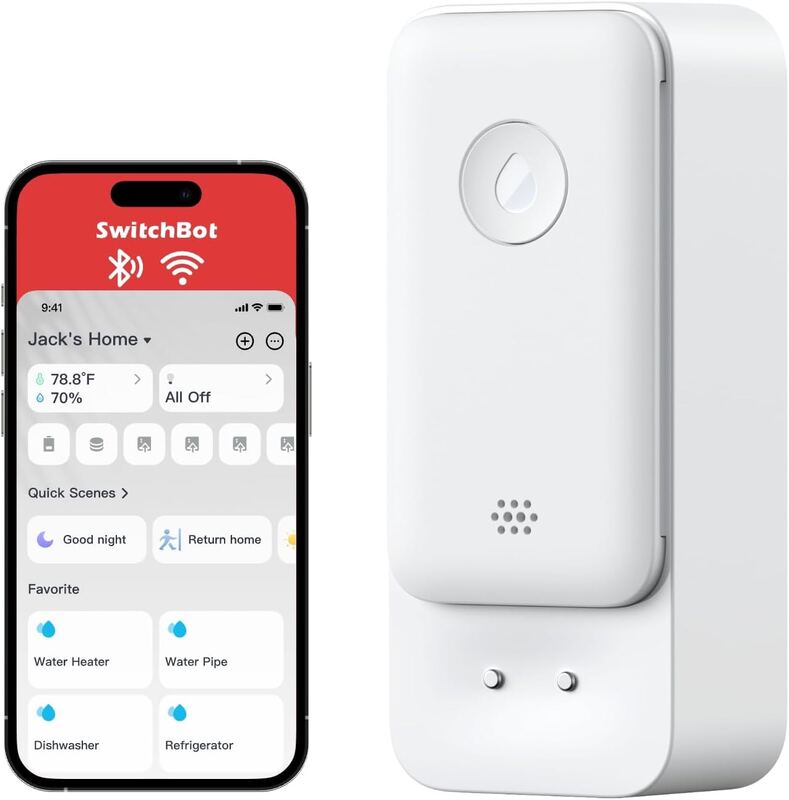
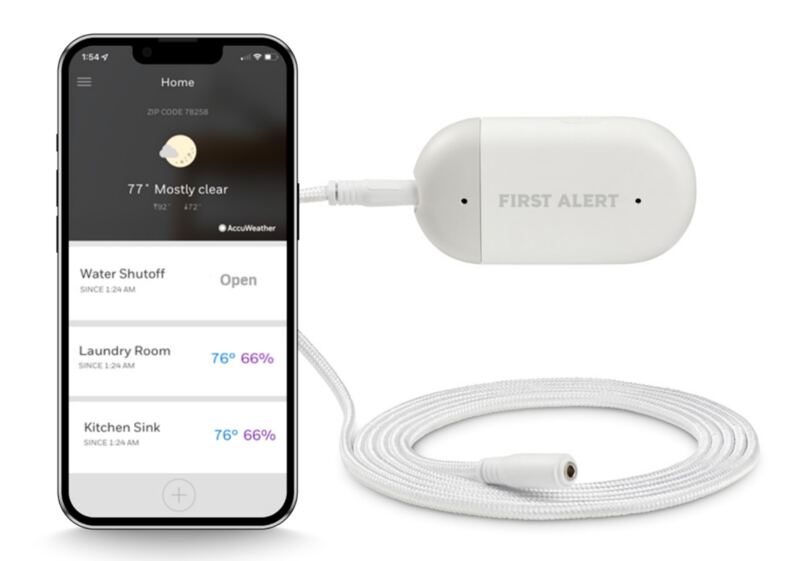
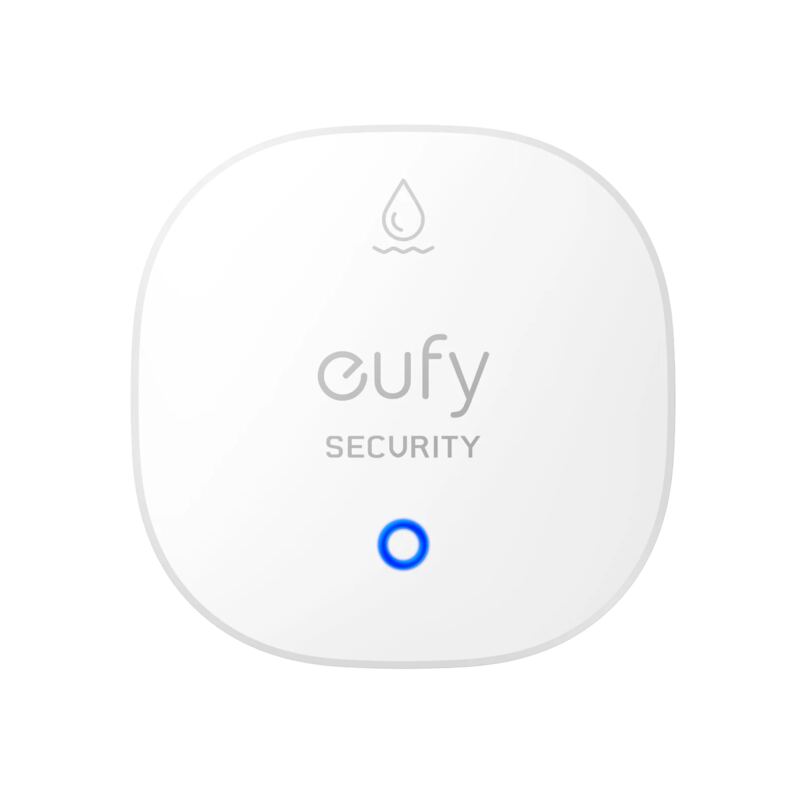
The Kidde is the most budget-friendly and works without Wi-Fi, unlike the D-Link SW-A11KT and First Alert L1, which require network connectivity. However, it has wider sensor spacing than the D-Link, potentially delaying leak detection. While it’s easy to set up and provides a loud 95dB alert, it lacks the smart-home integration and multi-sensor support of the Eufy and SwitchBot models.
Who this is for
At a glance: users wanting a no-network, low-cost solution.
Why you’d buy the Kidde Water Leak + Freeze Detector
- Easy to set up using the Kidde app and QR code on the device.
- Emits a 95dB alert when water or freezing temperatures are detected.
- Works with or without Wi-Fi, so power outages are not a concern.
Why you’d skip it
- Sensors are farther apart than those of other detectors, potentially delaying leak detection.
- Limited smart-home support with only basic Wi-Fi integration.
Rating sources
“The Kidde Water Leak + Freeze Detector is the budget pick. This model has the fewest features. But setup takes just seconds, its performance is fast (for a Wi-Fi–based detector), and it sports an alarm that hits fire-alarm-like volume levels.”
Our 4.0 score is the average of these published ratings. Ratings marked * were derived from the reviewer’s written analysis or video transcript — the publisher didn’t print an explicit numeric score, so we inferred one from their own words. Click through to verify. More about methodology.