The First Alert L1 Wi-Fi Water Leak and Freeze Detector offers dual functionality for monitoring water leaks and freezing conditions in homes. PCMag reviewers noted its straightforward setup process and effective app integration, allowing users to monitor devices remotely. While the device is praised for its ease of installation and battery-powered operation, some reviewers expressed concern over unspecified battery longevity. This product is ideal for homeowners seeking smart home monitoring but may not suit those requiring standalone alert systems.
Full review
Battery-powered operation with limited smart home support
The L1's battery life is a critical factor for its performance. While the device is designed to be battery-powered, PCMag's review did not specify exact battery life figures. However, the inclusion of a battery compartment cover and the ability to use AA batteries suggests that the device is intended for extended use without frequent replacements. The device's status LED provides visual feedback on its operational state, flashing orange during alerts and solid blue when issues are resolved. The absence of a rechargeable battery option means users must plan for periodic battery changes, which could be inconvenient in hard-to-reach locations. The device's ability to function without a constant power source is both a strength and a potential limitation, depending on user expectations and installation scenarios.
Sensor cable extension capabilities and detection range
In comparison to similar products, the L1's cable extension capabilities are more generous than those of the Flo by Moen Smart Water Detector, which supports up to 18 feet of detection using six-foot sensor cables that cost $19.99 each. This suggests that the L1 offers better value for users who require extensive coverage. However, the cost of extending the cable can add up quickly, especially for larger installations. The L1's sensor cable is designed to be flexible and durable, but users should consider the potential for wear and tear in high-traffic areas. The device's ability to detect water along the entire length of the cable is a significant advantage, but it also means that any damage to the cable could result in false alarms or missed detections.
Temperature and humidity monitoring with alert thresholds
The temperature monitoring feature is especially valuable for preventing frozen pipes during cold weather. The L1 can detect when temperatures drop below a certain threshold, alerting users to take preventive action such as turning on heating or insulating pipes. The device's ability to monitor both temperature and humidity levels provides a comprehensive view of environmental conditions, which is crucial for maintaining a safe and healthy home environment. However, the lack of integration with smart home platforms means that users cannot automate responses based on temperature or humidity readings. For example, they cannot set the device to automatically turn on a heater when temperatures drop below a certain point, which limits its functionality in automated home systems.
App functionality and user interface design
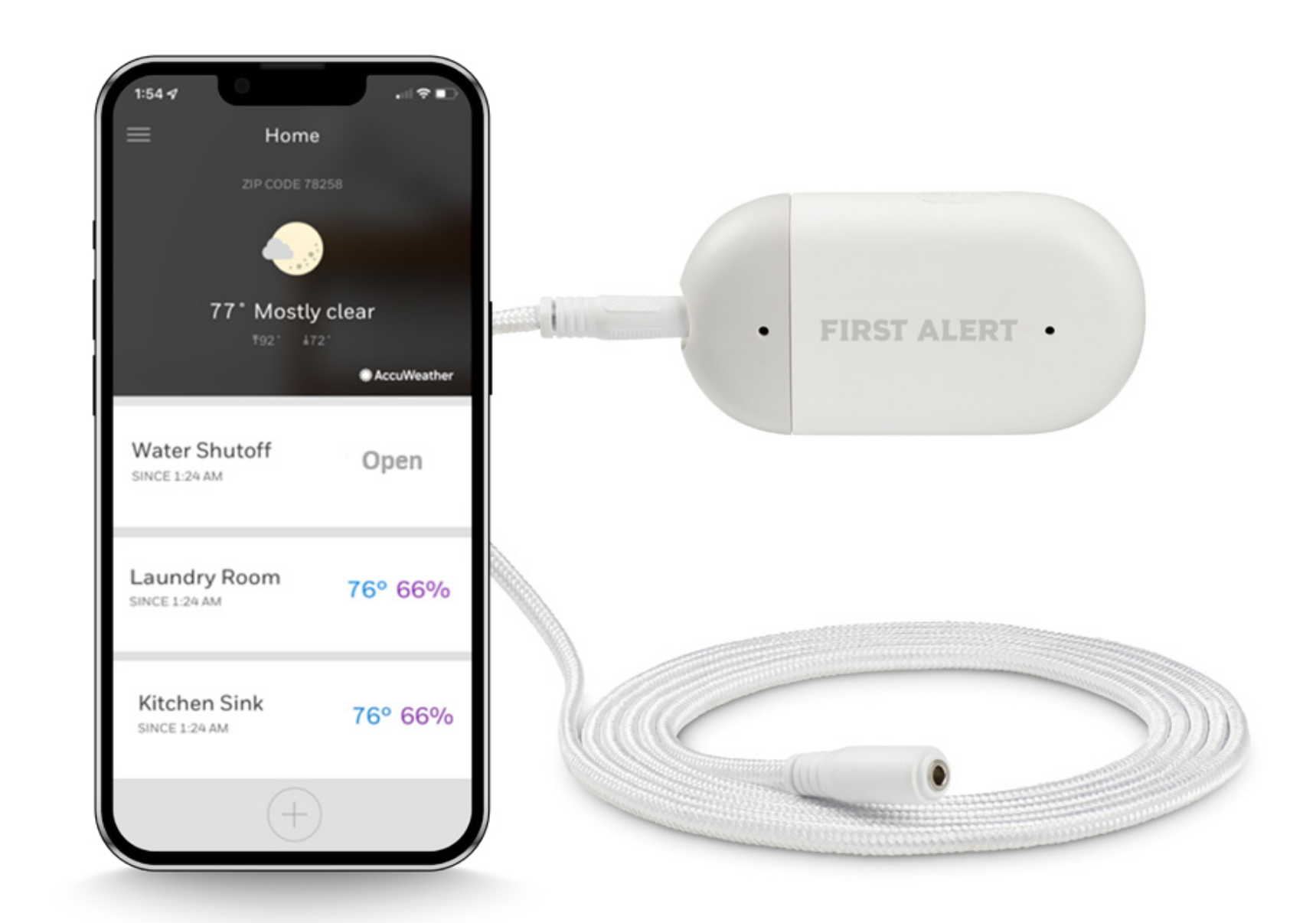
The app's performance in real-world scenarios was not extensively tested in the reviews, but PCMag's John R. Delaney noted that the device appears on the dashboard screen in a panel that displays the name of the sensor and the time of the last alert. The app's ability to display historical data and timelines is valuable for users who want to understand how environmental conditions have changed over time. The battery meter and settings button provide quick access to essential information and controls. While the app is functional and user-friendly, its limited integration with smart home platforms may be a drawback for users who expect more advanced features and automation capabilities.
Installation and setup process
The L1's installation process is comparable to other smart home devices, but it lacks the advanced features that some competitors offer. For example, the Flo by Moen Smart Water Detector requires more complex setup procedures involving multiple cables and connections. However, the L1's simplicity makes it accessible to users who may not be technically inclined. The device's ability to be mounted on walls or placed on flat surfaces provides flexibility in installation options. The inclusion of a screw and a five-foot sensor cable in the box ensures that users have everything they need to get started. The device's straightforward setup process is a significant advantage for users who want to avoid complex installation procedures and get their device up and running quickly.
Integration with Resideo water shutoff valve
The integration with the Resideo L5 valve is a key selling point for users who want to protect their homes from water damage. The automatic shut-off feature can prevent minor leaks from becoming major disasters, saving users hundreds or thousands of dollars in repair costs. The L5 valve's professional installation requirement means that users must factor in additional costs and time for setup, but the potential savings from preventing water damage make it a worthwhile investment. The L1's compatibility with the Resideo ecosystem also allows users to take advantage of other Resideo smart home products, creating a more cohesive and integrated smart home experience. This integration is particularly valuable for users who have already invested in Resideo products and want to expand their smart home capabilities.
Performance in real-world scenarios
The L1's performance in detecting temperature and humidity changes is particularly useful for preventing frozen pipes and mold growth. The device's ability to monitor these conditions and send alerts allows users to take preventive action before issues become serious. The device's 100dB siren provides an audible alert for on-site detection, which is crucial for immediate response to potential issues. The L1's battery-powered operation means that it can function even during power outages, providing continuous monitoring and protection. However, the device's reliance on AA batteries means that users must plan for periodic replacements, which could be inconvenient in hard-to-reach locations. The L1's performance in real-world scenarios is expected to be reliable, but users should consider the potential for false alarms or missed detections due to cable damage or environmental factors.
Strengths
- +Detects both water leaks and freezing conditions
- +Wi-Fi connectivity enables remote monitoring via smartphone app
- +Easy setup process with clear app instructions
- +Battery-powered design allows for flexible placement
Watch-outs
- −No battery-life figure in the cited reviews
How it compares
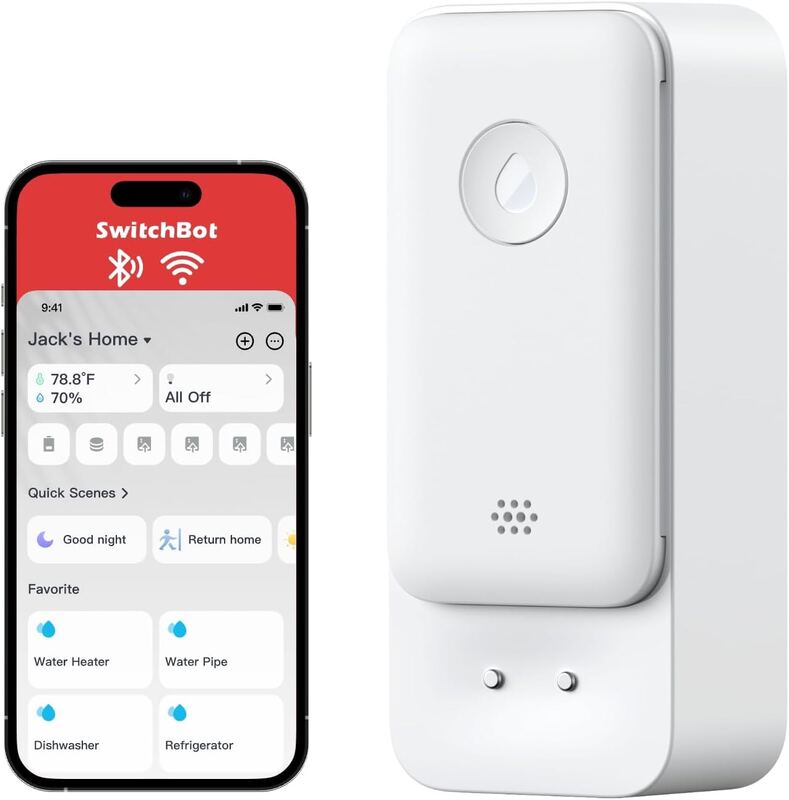
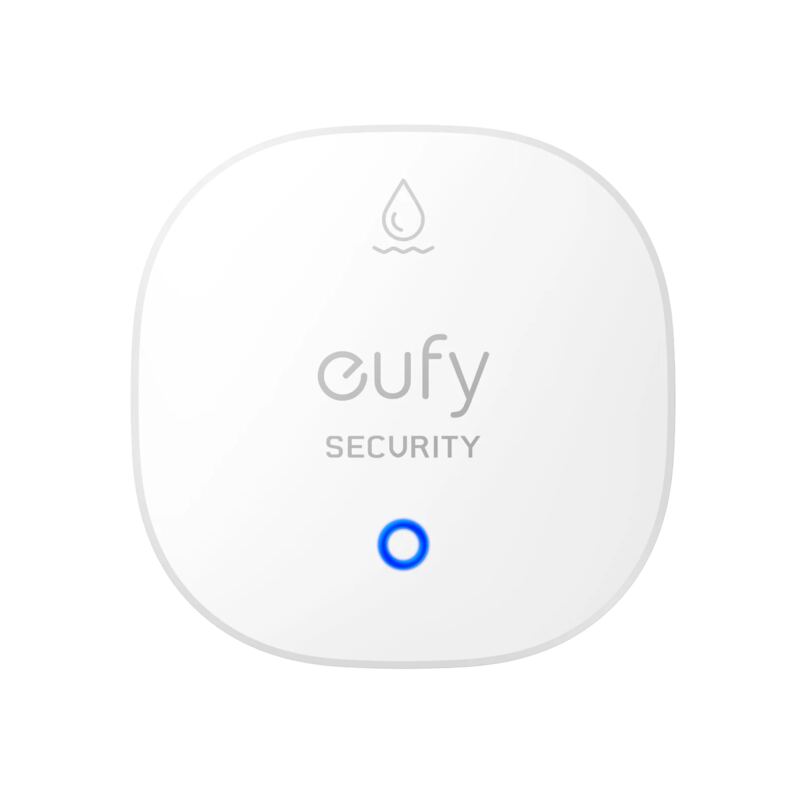
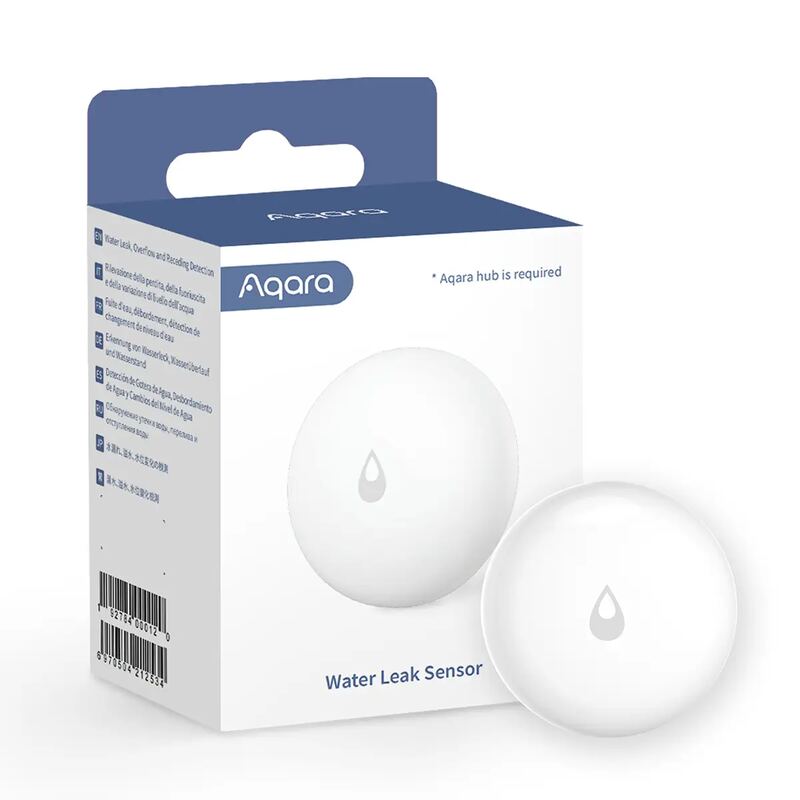
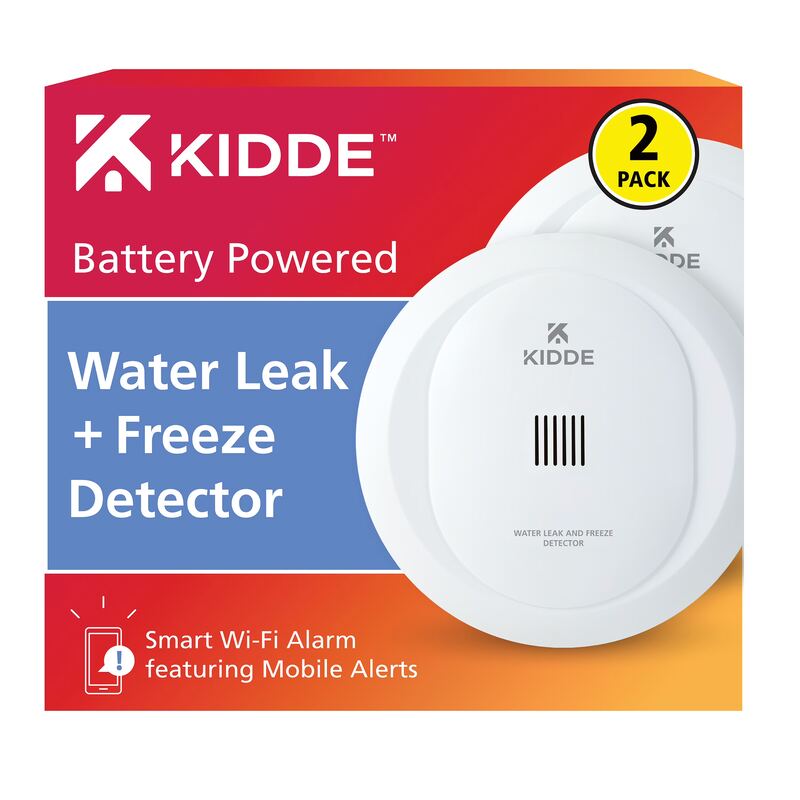
Unlike the Eufy Water and Freeze Sensor, which requires a hub, the First Alert L1 operates independently without needing additional hardware. It also has a built-in alarm for on-site warnings, per GearBrain, as does the Kidde Water Leak + Freeze Detector, which features a loud, fire-alarm-like volume. The First Alert L1's Wi-Fi connectivity is its main strength, but it doesn't match the battery longevity of the Aqara sensor or the sensitivity of the SwitchBot.
Rating sources
Counts as 4.16/5 in our score — this publisher's 181 scores on the site average 4.00, so its scores are adjusted up to compare fairly with other publishers.
Counts as 3.98/5 in our score — this publisher's 1 scores on the site average 4.30, so its scores are adjusted down to compare fairly with other publishers.
“A smart water leak detector may not be the most exciting smart home device, but it is one of the most essential.”
Our 4.1 score is the average of the 2 scored reviews above, each adjusted for how strictly its publisher scores; 1 more reviewed it without printing a score and is not in the average. More about methodology.