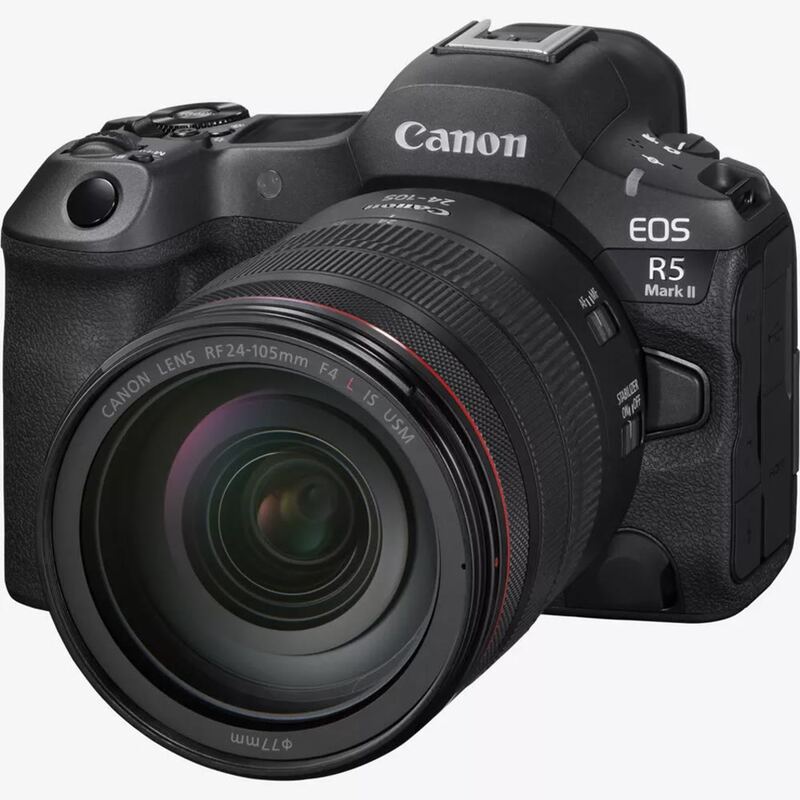
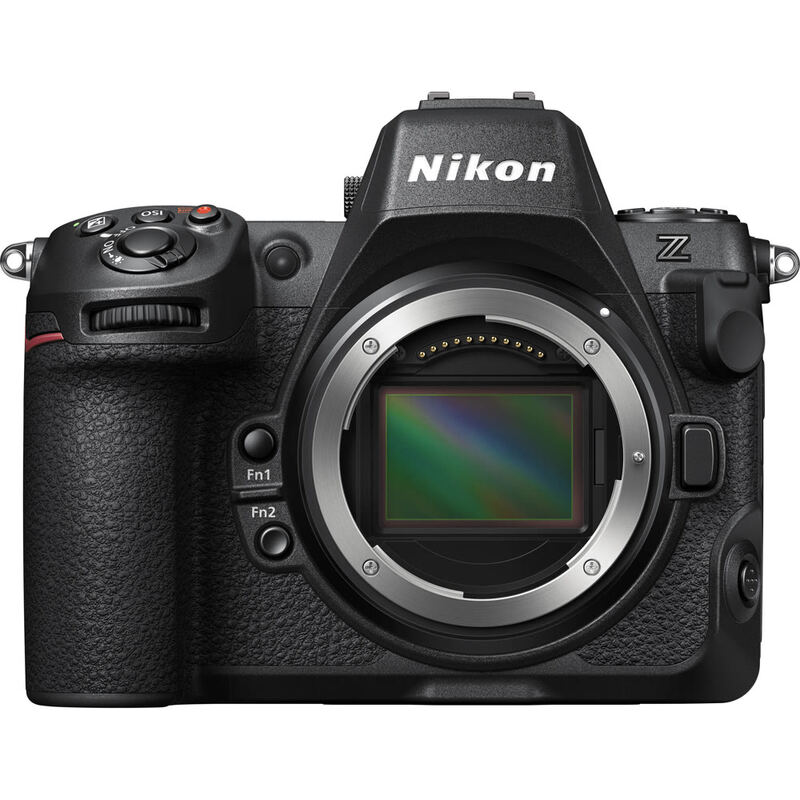
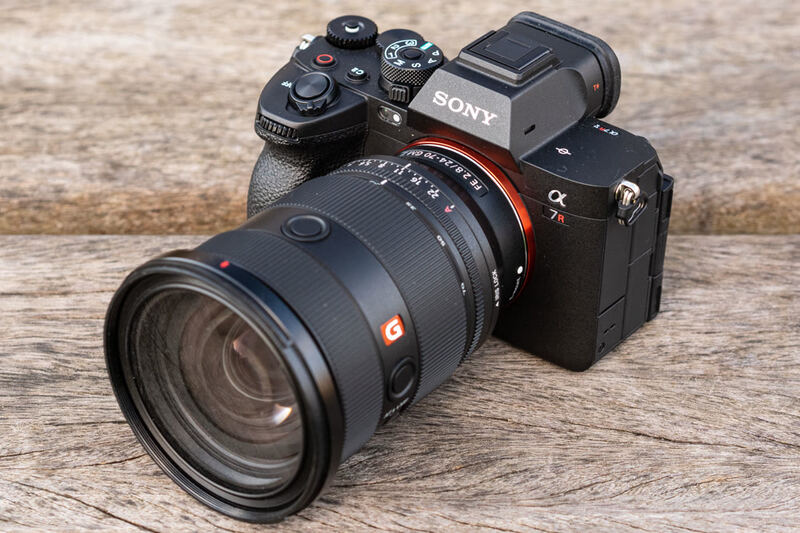
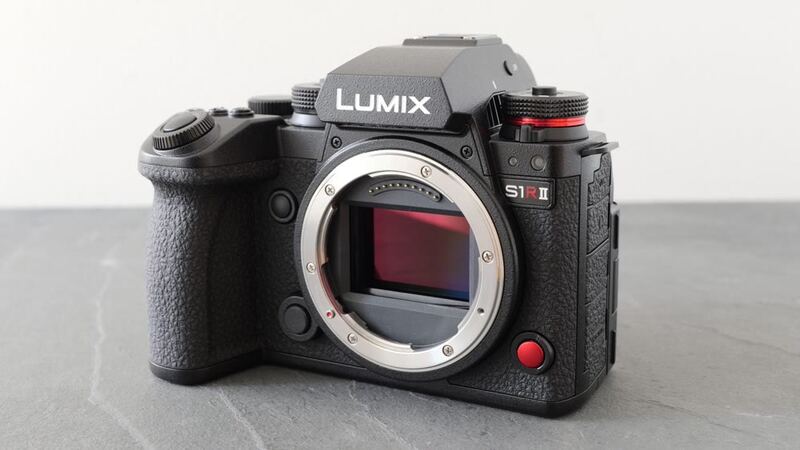
The Sony A1 II is the flagship for sports and wildlife professionals — Tom's Guide 4.5/5, PCMag 4/5. The stacked sensor plus 30 fps burst plus AI subject detection is the fastest autofocus + capture combination on the market. The price is the reason this isn't the default recommendation — at $6,500 you need to be shooting professional sports or wildlife for the extra $2,200 over the Canon R5 II or Nikon Z8 to pay off.
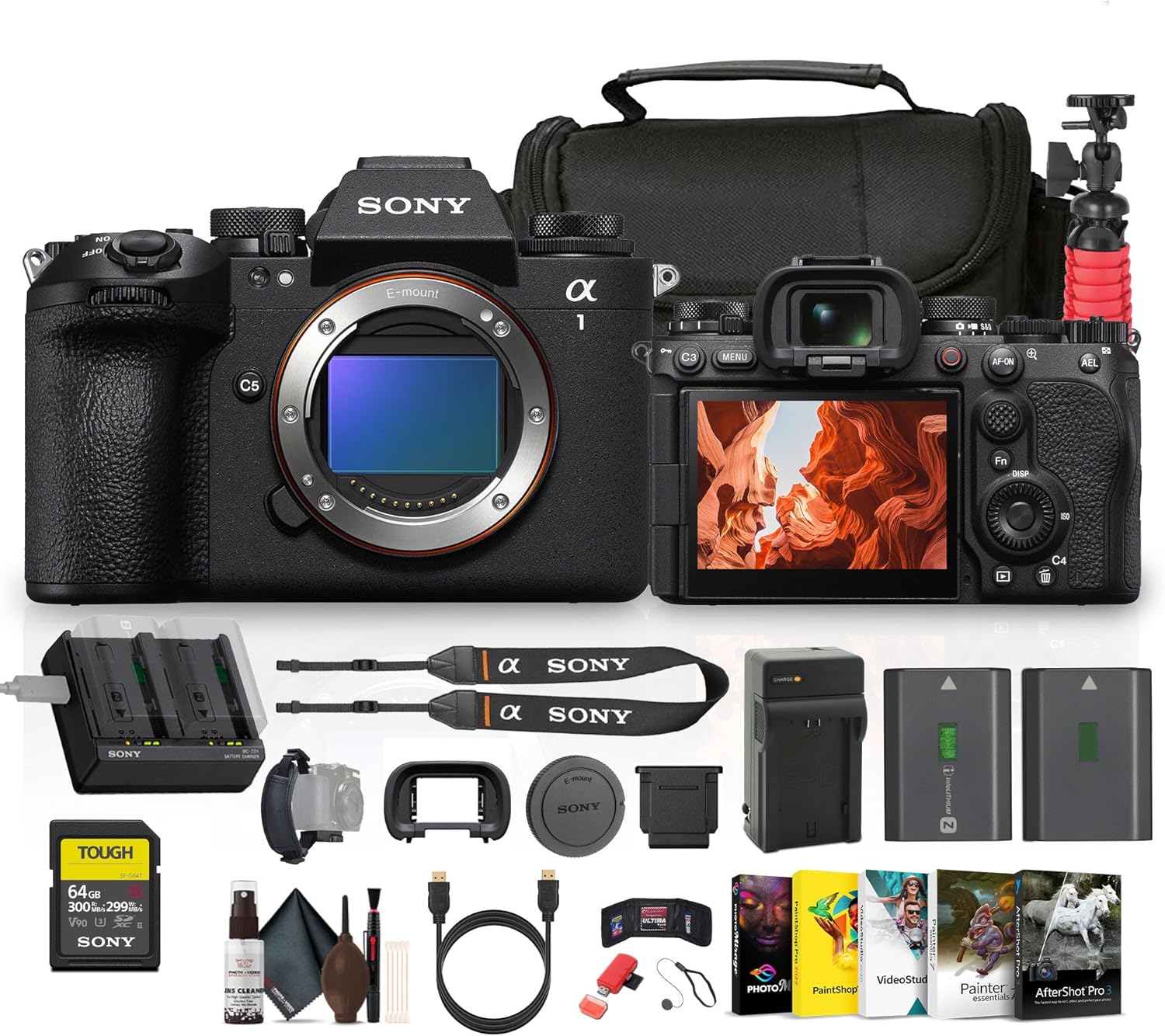
Full review
Autofocus Intelligence and Subject Recognition
The most significant upgrade in the Sony A1 II is the integration of a dedicated AI processing unit, which fundamentally changes how the camera handles subject recognition. According to DPReview, this new chip allows the autofocus system to recognize seven distinct subject types, including humans, animals, birds, insects, cars, trains, and airplanes. Crucially, Sony has merged the animal and bird modes, eliminating the need to switch settings when shooting mixed wildlife scenes. The review notes that human and animal eye recognition is approximately 30% better than the original A1, while bird eye recognition sees a 50% improvement. This AI-driven approach also enables an 'Auto' subject detection mode, where the camera automatically determines the subject type, though DPReview warns this convenience comes with a slight speed penalty compared to manually selecting a specific category.
Real-World Performance and Burst Shooting
In practical testing scenarios, the A1 II delivers on its promise of high-speed performance, offering continuous shooting at up to 30fps with full autofocus tracking. Photography Blog highlights the inclusion of a 'Continuous Shooting Speed Boost' mode, allowing users to toggle to 30fps instantly without navigating menus. The camera also introduces a pre-capture feature that records up to 30 frames before the shutter is fully pressed, with a configurable window ranging from 0.03 to 1 second. However, users must note that shooting above 20fps with pre-capture enabled limits the file format to lossy compressed RAWs rather than lossless. Reddit users in r/SonyAlpha, particularly sports photographers transitioning from the A9 II, report that while the tracking is incredible in ideal conditions, it can struggle in chaotic scenes with multiple overlapping subjects, such as a crowded penalty box in soccer, suggesting that manual spot AF adjustments are still necessary for complex compositions.
Image Quality and Sensor Capabilities
The Sony A1 II retains the same 50.1-megapixel stacked CMOS sensor as its predecessor, but Sony claims improved image quality at mid-to-high ISOs due to an upgraded image processing engine. DPReview suggests these improvements are primarily visible in JPEG outputs, while RAW files remain largely consistent with the original A1. The camera supports a native ISO range of 100-32,000, expandable to 50-102,400. Photography Blog notes the addition of a new Noise Reduction pixel shift mode, which produces super low-noise composite images by combining multiple shots. Additionally, the camera offers a Composite RAW shooting mode that takes up to 32 images to reduce noise via Sony's Imaging Edge software. While the resolution is high, the lack of a global shutter means rolling shutter effects can still be a concern in fast-moving scenarios, a limitation not present in the newer A9 III.
Video Features and Stabilization
For videographers, the A1 II offers robust capabilities, including 8K 30p video downsampled from 8.6K oversampling and 4K 120fps with a 1.13x crop. DPReview points out that the 4K footage is not derived from the 8K sensor readout, meaning users do not benefit from the extra detail of 2x oversampling. A notable addition is the ability to import up to 16 custom LUTs for previewing Log footage, with the option to embed these LUTs directly into the files for easier color grading collaboration. The camera also features an Auto Framing feature, which automatically crops and tracks the subject to keep them centered, a tool borrowed from Sony's vlogging cameras. In-body image stabilization has been significantly improved, now rated at up to 8.5 stops in the center of the frame and 7 stops on the periphery, a substantial increase from the 5.5-stop rating of the original A1.
Build Quality and Ergonomics
The physical design of the A1 II is largely similar to the original, but with a few key ergonomic updates. Ken Rockwell notes the camera weighs 26.2 ounces with a battery and one SD card, maintaining a professional feel. A significant change is the fully-articulated rear screen on a tilt-out cradle, replacing the fixed screen of the previous model. DPReview highlights that this new screen design is more durable and versatile for various shooting angles. The viewfinder remains a high-spec 9.44M dot EVF with a refresh rate up to 240fps, though the resolution drops at higher frame rates. Sony also includes a 'deep' viewfinder eyecup in the box, alongside the standard one, to improve comfort during extended use. The camera retains dust and moisture resistance, making it suitable for challenging outdoor environments.
Where It Falls Short
Despite its flagship status, the Sony A1 II has notable drawbacks that reviewers and users have highlighted. Digital Camera World describes the camera as a 'predictable yet solid sequel' with mostly minor updates, suggesting that the improvements may not justify the steep price tag for all users. The lack of a global shutter is a significant omission for sports and wildlife photographers who need to eliminate rolling shutter distortion. Additionally, the 4K video does not benefit from oversampling from the 8K sensor, which is a disappointment given the camera's high resolution. Reddit users have also pointed out that the autofocus, while advanced, can be inconsistent in complex scenes with multiple subjects, requiring manual intervention. The price of $6,499.99 is also a barrier, especially when compared to the A9 III, which offers a global shutter and higher burst rates for a similar price point.
How It Compares to Alternatives
When compared to its predecessor, the original Sony A1, the A1 II offers significant improvements in autofocus intelligence and stabilization, but retains the same sensor and resolution. The A9 III, on the other hand, offers a global shutter and 120fps RAW shooting, making it a more compelling choice for pure sports photography. The Nikon Z8, as noted by a user in r/Nikon, offers similar high-resolution capabilities and robust autofocus, but with a different lens ecosystem and menu system. The Sony A7R V, with its 61-megapixel sensor, is a better choice for landscape photographers who prioritize resolution over speed. Ultimately, the A1 II sits in a unique position as a hybrid camera that excels in both stills and video, but its value proposition depends heavily on the user's specific needs and existing lens investments.
Who It's Best For
The Sony A1 II is best suited for professional photographers and videographers who require a versatile, high-performance camera for both stills and video. Its advanced autofocus system, high-resolution sensor, and robust video capabilities make it an ideal choice for hybrid shooters who need to switch between photography and videography seamlessly. Sports and wildlife photographers will benefit from the improved subject recognition and high burst rates, although they may need to adjust their techniques for complex scenes. However, users who prioritize global shutter performance or maximum video oversampling may find the A9 III or other specialized cameras more suitable. The camera's high price point also means it is best reserved for professionals who can justify the investment through their work, rather than hobbyists or casual users.
Strengths
- +50 MP stacked BSI CMOS sensor with the fastest readout of any camera here — essentially zero rolling shutter
- +30 fps RAW burst with full AF/AE tracking plus pre-capture
- +8.6K/30p and 4K 120p 10-bit video with AI-driven subject recognition including birds in flight
- +Redesigned grip with the A9 III control layout — the best handling Sony has shipped
- +Dual CFexpress Type A + SD slots; rated to IP-grade dust/moisture sealing for field work
Watch-outs
- −$6,500 MSRP — by far the most expensive camera on this list, nearly 2× the Panasonic S1R II
- −Incremental upgrade from the original A1 — reviewers noted it's more 'refinement' than 'revolution'
- −Heavy at 743g — the A7R V at 723g or the Nikon Z8's similar weight make that less of a differentiator
How it compares
The do-everything flagship — 50MP at 30fps — but by far the most expensive here.
Who this is for
At a glance: sports and wildlife professionals needing both speed and resolution.
Why you’d buy the Sony A1 II
- 50 MP stacked BSI CMOS sensor with the fastest readout of any camera here — essentially zero rolling shutter.
- 30 fps RAW burst with full AF/AE tracking plus pre-capture.
- 8.6K/30p and 4K 120p 10-bit video with AI-driven subject recognition including birds in flight.
Why you’d skip it
- $6,500 MSRP — by far the most expensive camera on this list, nearly 2× the Panasonic S1R II.
- Incremental upgrade from the original A1 — reviewers noted it's more 'refinement' than 'revolution'.
- Heavy at 743g — the A7R V at 723g or the Nikon Z8's similar weight make that less of a differentiator.
Rating sources
Our 4.3 score is the average of these published ratings. More about methodology.