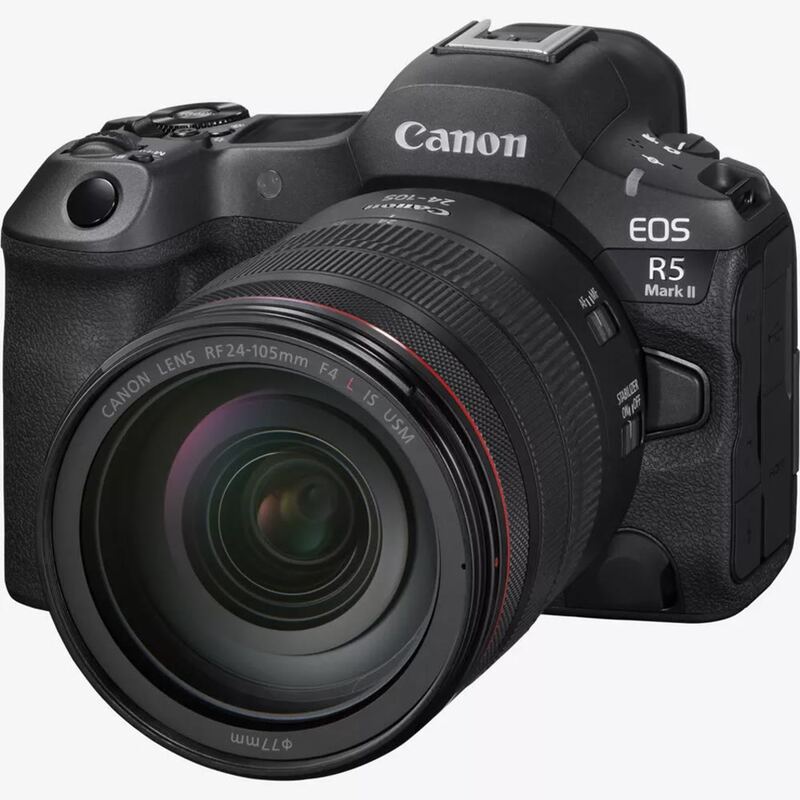
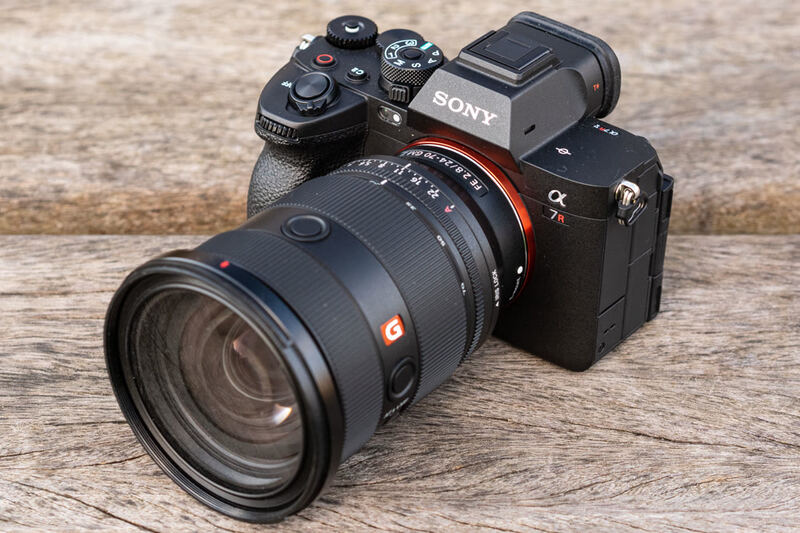
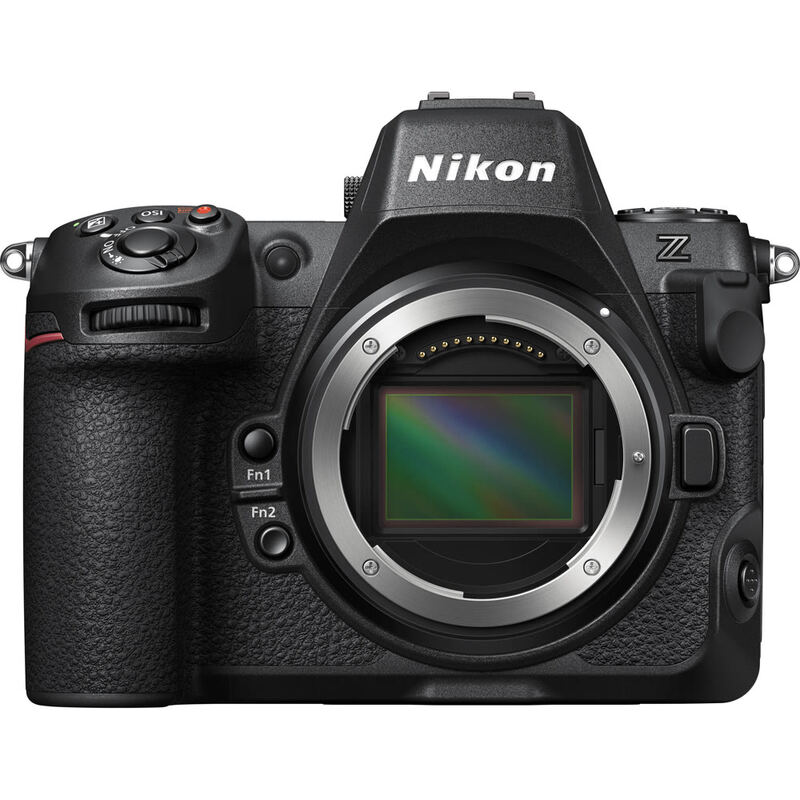
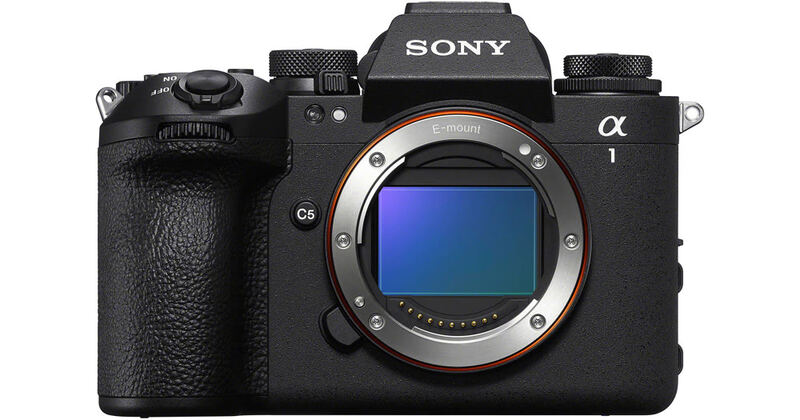
The Panasonic Lumix S1R II is the value flagship here. PhotographyBlog gave it 5/5 and TechRadar 4.5/5, while PCMag was more reserved at 3.5/5, citing the AF gap. You get 44 MP, 8.1K ProRes RAW, and pro video features for roughly $1,000 less than the Canon R5 II or Nikon Z8. The L-mount lens ecosystem and slightly trailing AF are the reasons to pay up for Nikon or Canon if the budget allows.

Full review
A Radical Shift in Form Factor
The Panasonic Lumix S1R II represents a dramatic departure from the brand's previous flagship strategy, effectively shrinking the chassis to match the more affordable S5 II while retaining top-tier specifications. Photography Blog notes that the new body measures just 134.3 x 102.3 x 91.8mm and weighs 712 grams, a significant reduction from the original S1R which weighed 898 grams and was notably bulkier. This design choice allows the S1R II to be roughly the same size as the Micro Four Thirds GH6, making it one of the smallest full-frame mirrorless cameras on the market. The magnesium alloy construction remains robust, featuring dust and splash-proof sealing that is rated down to -10 degrees Celsius, an improvement over the S5 II which only handles down to 0 degrees. Users upgrading from the S5 II will find the control layout nearly identical, ensuring a seamless transition, though the removal of the top status LCD is a notable concession to the smaller form factor.
High-Resolution Sensor and Image Quality
At the heart of the S1R II is a newly developed 45.9-megapixel full-frame sensor that delivers 44.3 effective megapixels, providing a substantial resolution boost for photographers requiring high detail. The camera utilizes the latest Venus image processing engine and supports an expanded ISO range from 40 to 102,400. A standout feature is the High Resolution mode, which captures eight separate images and combines them into a single 177-megapixel equivalent file, offering extreme detail for studio or landscape work. The electronic viewfinder remains a highlight, retaining the 5.76-million-dot OLED unit from the original S1R with 100% field of view and 0.78x magnification. It operates at a native 120fps with less than 0.005 seconds of lag, ensuring a flicker-free experience that reviewers consistently praise as one of the best in the industry. The rear LCD has been updated to a 3.0-inch, 1.84-million-dot vari-angle touchscreen, sacrificing some resolution for greater versatility in shooting angles.
Video Capabilities and Dynamic Range
The S1R II is positioned as a serious hybrid tool, introducing 8K 30p video recording with an impressive 14 stops of dynamic range, a first for the Lumix full-frame lineup. It also supports 4K 120p recording with a minimal 1.1x crop, allowing for smooth slow-motion footage without significant field-of-view loss. For professional workflows, the camera offers internal 5.8K Apple ProRes RAW HQ and ProRes RAW recording to CFexpress Type B cards, a feature previously absent in full-frame Lumix models. The Open Gate format has been enhanced to support 6.4K shooting, with firmware updates promising support for up to 8.1K and 7.2K resolutions. Reddit users in r/Lumix have expressed excitement over the increased dynamic range and the potential for future S1H II iterations, noting that the S1R II’s video specs now conquer much of the competition. The inclusion of timecode sync via Bluetooth and SSD backup functionality further cements its appeal to professional videographers.
Autofocus Performance and Stabilization
A critical upgrade in the S1R II is the implementation of Hybrid Phase Detection Auto-Focus, replacing the inferior contrast-based system used in earlier Lumix full-frame cameras. This new AF system, shared with the S5 II and S9, provides significantly faster and more reliable tracking, addressing a long-standing pain point for Panasonic users. The camera supports continuous shooting at 10fps with the mechanical shutter and up to 40fps with the electronic shutter, making it capable of capturing fast-moving subjects. Additionally, the S1R II features an 8-stop Dual Image Stabilizer, combining in-body and lens-based stabilization to ensure sharp handheld shots and smooth video footage. Digital Camera World highlights the much-improved autofocus performance as a key factor in the camera’s appeal, noting that it finally meets the expectations of flagship users who previously struggled with the older AF systems. The thumb-controlled AF joystick on the rear further enhances usability, allowing for quick and precise focus point adjustments.
Smaller chassis meant losing the top LCD
Despite its impressive specifications, the S1R II is not without compromises. The most notable omission is the removal of the top status LCD, which was a useful feature on the original S1R for quickly checking key settings without looking through the viewfinder. This change is a direct result of the smaller chassis, but it may frustrate users accustomed to the previous model’s interface. Additionally, while the camera supports high-resolution video, some professional videographers are still waiting for a dedicated S1H II model with even more robust video features, such as enhanced cooling and higher bitrates. Reddit discussions reveal that while the S1R II is highly capable, it may not fully satisfy users who require the absolute pinnacle of video performance. The price point, while competitive, is still high at $3,499 for the body only, which may be a barrier for some enthusiasts. Furthermore, the reliance on firmware updates for certain Open Gate resolutions means that some features are not immediately available out of the box.
Undercuts the Z8, R5 II, and A1 II on price
The Panasonic Lumix S1R II is priced at $3,499 in the USA, €3,599 in Europe, and £2,999 in the UK for the body only, which is significantly lower than its main rivals such as the Nikon Z8, Canon EOS R5 Mark II, and Sony A1 II. Digital Camera World describes the price as astonishing, making other flagships look overinflated by comparison. This aggressive pricing strategy positions the S1R II as a strong value proposition for photographers and videographers seeking high-end features without the premium cost. The inclusion of 8K video, 44-megapixel resolution, and advanced autofocus at this price point is rare in the current market. However, shoppers should consider the total cost of ownership, including the need for CFexpress Type B cards for ProRes RAW recording and the potential investment in high-quality L-mount lenses. For those upgrading from the S5 II, the S1R II offers a compelling step up in resolution and video capabilities, while new users will find a feature-rich camera that undercuts competitors on price without sacrificing performance.
44-megapixel sensor with 14 stops of range
The Panasonic Lumix S1R II is ideally suited for hybrid creators who require both high-resolution stills and professional-grade video capabilities in a compact form factor. Photographers who need the 44-megapixel sensor for detailed landscape, studio, or commercial work will find the High Resolution mode particularly valuable. Videographers will appreciate the 8K recording, 14 stops of dynamic range, and internal ProRes RAW support, making it a strong choice for content creators and indie filmmakers. The improved autofocus and 8-stop stabilization make it a reliable tool for run-and-gun shooting, while the weather-sealed body ensures durability in challenging environments. However, users who prioritize the top status LCD or require the absolute highest video specifications may need to look elsewhere. Shoppers who need a versatile, high-performance camera at a competitive price will find the S1R II a strong fit, while those who care more about specialized video features or larger bodies should consider alternatives like the S1H or competitors' flagships.
Strengths
- +44 MP partially-stacked BSI sensor — surprisingly close to stacked performance at a lower price than the Nikon Z8 or Canon R5 II
- +8.1K/30p Apple ProRes RAW internal + V-Log for pro video colorists — video-first flagship among this list
- +In-body stabilization rated to 8 stops; Dual IS 2 with compatible lenses hits ~9.5
- +Phase-Detection AF (finally — Panasonic moved off contrast-only DFD with this generation)
- +Priced aggressively at $3,300 — significantly below every other flagship on this list
Watch-outs
- −L-mount lens ecosystem is smaller than Sony E, Canon RF, or Nikon Z — fewer native lens options, especially primes
- −Battery life trails competitors at 350 shots CIPA
- −PCMag's 3.5/5 score reflects softer consensus — some reviewers feel the AF still trails the big three even with phase detect
How it compares
44MP with class-leading video specs at the lowest entry of the high-res group; smaller lens ecosystem than Canon/Sony/Nikon.
Rating sources
“Perhaps the most astonishing number though is the price, which makes other flagships look overinflated.”
Our 4.4 score is the average of these published ratings. More about methodology.