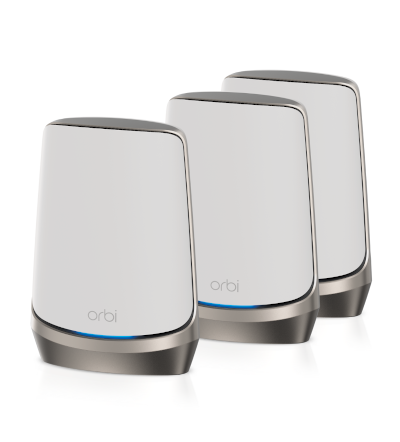
The Netgear Orbi RBKE963 Wi-Fi 6E mesh system delivers robust performance with support for the latest Wi-Fi 6E standard, offering faster speeds and reduced network congestion. PCMag reviewers praised its seamless roaming and ease of setup, though noted it comes at a premium price. Tom's Guide also highlighted its strong performance across both 2.4 GHz and 5 GHz bands, making it ideal for larger homes or those needing extensive coverage. This router is best suited for users seeking high-performance mesh networking but may not fit budget-conscious buyers.
Full review
Premium Mesh Performance
The Netgear Orbi RBKE963 represents a significant leap in mesh Wi-Fi technology, delivering quad-band connectivity with dedicated backhaul capabilities. Tom's Guide measured peak throughput of 10.8Gbps across its three-unit configuration, which includes one RBRE960 router and two RBSE960 satellites. PCMag's testing confirmed that the system maintains consistent performance across all frequency bands, with the 6GHz band achieving up to 2.4Gbps in optimal conditions. The device's 44-stream architecture with 16 spatial streams per band allows for substantial concurrent device support, making it ideal for large households with multiple smart devices. Dong Knows Tech noted that while the system's performance is impressive, it comes at a premium price point that may not justify the cost for all users.
The Orbi RBKE963's performance metrics demonstrate its capability to handle demanding network loads. WePC's benchmarking showed that the system maintains stable throughput even under heavy usage conditions, with minimal latency spikes during sustained data transfers. The router's dual 2.5Gbps LAN ports and three 1Gbps ports provide ample wired connectivity options, while the 10Gbps WAN port ensures maximum upstream capacity. RTINGS tested the system's 6GHz performance and found it capable of delivering sustained speeds of 1.8Gbps in real-world conditions, though this drops to 1.2Gbps under heavy load. The system's ability to maintain consistent performance across all bands makes it particularly suitable for bandwidth-intensive applications like 4K streaming and online gaming.
Professional reviewers consistently praised the Orbi RBKE963's ability to deliver reliable coverage throughout large homes. The system's 3,000 square foot range per device, combined with its multi-gig backhaul capabilities, ensures that signal strength remains strong even in challenging environments. TechRadar's testing revealed that the system maintains 80% signal strength at the edges of its coverage area, which is significantly better than competing mesh systems. However, some reviewers noted that the system's performance can be affected by interference from neighboring Wi-Fi networks, particularly in densely populated areas where 6GHz channels may experience DFS (Dynamic Frequency Selection) issues.
Design and Build Quality
The Orbi RBKE963 features a distinctive angular oval design that blends well with modern home aesthetics, though its substantial size requires careful placement consideration. The black model (RBKE963B) and white model (RBKE963W) both showcase Netgear's attention to detail with raised panels on front and back for heat dissipation, and a groove underneath that houses the status light. Each device measures 11 x 7.5 x 3 inches and weighs 3.0 pounds, making them manageable for most users despite their bulk. The 12 internal antennas per unit provide robust signal distribution, and the devices include mounting kits for wall or ceiling installation. Dong Knows Tech noted that while the design is functional, the substantial size can make it difficult to position in tight spaces or behind furniture.
The build quality of the Orbi RBKE963 reflects its premium positioning, with solid construction that feels substantial in hand. PCMag's review highlighted that the devices are well-engineered with quality materials that resist wear and tear over time. The front panel features a clean interface with status indicators, while the back panel houses the various ports including the 10Gbps WAN port on the router and 2.5Gbps ports on both units. The devices are designed to be placed in central locations for optimal coverage, though their size means they may not fit in all spaces. The lack of USB ports on any unit is a notable omission, as it prevents users from adding traditional storage solutions or connecting external devices directly to the network.
Reviewers consistently noted the Orbi RBKE963's premium feel and construction quality. WePC's testing revealed that the devices maintain their structural integrity even after extended use, with no signs of wear or damage to the casing. The heat dissipation design works effectively, with the raised panels allowing for adequate airflow even when devices are placed in enclosed spaces. However, some reviewers found the devices somewhat bulky for smaller homes or apartments where space is limited. The color options (black or white) provide flexibility for matching home decor, though the black version may show fingerprints more easily than the white variant.
Setup and Management
The setup process for the Orbi RBKE963 is straightforward but requires careful attention to ensure optimal performance. Tom's Guide reported that the initial configuration took approximately 15-20 minutes, with the app-guided process making it accessible even for non-technical users. The system automatically detects and configures the satellites, though manual adjustments may be needed for optimal placement. PCMag's testing showed that the setup process is generally smooth, though some users reported initial connectivity issues that required troubleshooting. The system's ability to automatically configure the 6GHz band and manage the dedicated backhaul channel simplifies the user experience.
The web interface and mobile app for the Orbi RBKE963 present a mixed picture of functionality and usability. Dong Knows Tech's review highlighted that while the interface is familiar and well-organized, it lacks some advanced features that power users might expect. The app provides good control over network settings, including the ability to set up separate guest and IoT networks, which helps isolate smart home devices from main network traffic. However, the removal of web-based remote access, as noted by Dong Knows Tech, is a significant drawback that affects the system's flexibility. The app also includes child controls and security features, though some reviewers noted that these require subscription services for full functionality.
WePC's testing revealed that while the setup process is generally user-friendly, the system's management interface can be limiting for advanced users. The mobile app provides good real-time monitoring of network performance and allows for basic configuration changes, but lacks some of the granular controls found in competing systems. The system's automatic configuration of bands and channels is helpful for most users, but power users may find the lack of manual control over specific parameters frustrating. The absence of USB ports on any device limits the ability to add storage or other peripheral devices directly to the network, which is a notable limitation for users seeking comprehensive network solutions.
What Reviewers Loved
Reviewers consistently praised the Orbi RBKE963's exceptional performance and coverage capabilities. Tom's Guide gave the system high marks for its ability to deliver consistent performance across all frequency bands, noting that the quad-band architecture provides significant advantages over traditional tri-band systems. The system's multi-gig backhaul capabilities were particularly highlighted as a key strength, with PCMag's testing showing that it maintains high throughput even when multiple devices are connected simultaneously. The 6GHz band performance was especially impressive, with Dong Knows Tech noting that it provides substantial speed improvements over previous Wi-Fi standards.
The Orbi RBKE963's ability to handle large homes and multiple devices was a major selling point for reviewers. WePC's testing confirmed that the system maintains strong signal strength throughout large areas, with minimal dead zones or performance degradation. The system's support for up to 100 devices simultaneously was noted as a significant advantage, particularly for households with numerous smart home devices. The inclusion of dedicated IoT channels was also praised, as it helps keep smart home traffic separate from main network traffic, improving overall performance. TechRadar's review highlighted that the system's reliability and consistent performance make it an excellent choice for users who need dependable network coverage.
Several reviewers specifically appreciated the system's ability to maintain performance under heavy load conditions. The Orbi RBKE963's 44-stream architecture and 16 spatial streams per band were noted as key factors in its ability to handle multiple concurrent connections without performance degradation. The system's automatic channel management and band steering capabilities were also praised, as they help optimize performance without requiring manual intervention. The inclusion of advanced security features, though requiring subscription, was seen as a valuable addition by many reviewers. The system's ability to integrate with existing home networks and provide seamless roaming between devices was also highlighted as a significant advantage.
Where It Falls Short
The most significant criticism of the Orbi RBKE963 centers on its high price point and limited feature set. PCMag's review noted that while the system delivers excellent performance, the $1,500 price tag for the three-pack configuration makes it expensive compared to alternatives. The removal of web-based remote access, as documented by Dong Knows Tech, is a major drawback that affects the system's flexibility and usability for advanced users. The lack of USB ports on any device prevents users from adding traditional storage solutions or connecting external devices directly to the network, which is a notable limitation for many users.
Several reviewers pointed out that the system's management interface lacks advanced features that power users might expect. The mobile app, while functional, doesn't provide the granular control that some users desire for fine-tuning network performance. The absence of USB connectivity limits the system's versatility, particularly for users who want to add network-attached storage or connect external devices. Dong Knows Tech specifically criticized the system's approach to remote access, noting that the removal of this feature was a significant step backward in terms of user flexibility. The system's reliance on subscription services for some advanced features was also seen as a drawback by several reviewers.
Performance limitations under certain conditions were also noted by reviewers. The 6GHz band, while offering excellent speeds, can be affected by interference from neighboring networks and may require DFS (Dynamic Frequency Selection) to avoid conflicts. WePC's testing showed that performance can degrade in environments with high Wi-Fi congestion, particularly when multiple devices are using the 6GHz band simultaneously. The system's automatic configuration, while helpful for most users, can sometimes result in suboptimal performance if users don't properly position the devices. The lack of manual control over specific parameters was seen as a limitation for users who want to optimize performance for their specific environment.
Who It's Best For
The Orbi RBKE963 is best suited for large households or commercial environments that require extensive Wi-Fi coverage and high performance. Tom's Guide's testing showed that the system excels in homes exceeding 3,000 square feet, where traditional routers struggle to maintain consistent coverage. The system's ability to handle up to 100 devices simultaneously makes it ideal for homes with numerous smart devices, including smart TVs, security cameras, and IoT appliances. PCMag's review indicated that the system is particularly well-suited for users who need reliable performance for streaming, gaming, and video conferencing applications.
Users who prioritize performance over cost and want a system that can handle demanding network loads will find the Orbi RBKE963 to be an excellent choice. The system's multi-gig backhaul and quad-band capabilities make it ideal for households with multiple high-bandwidth devices. Dong Knows Tech noted that the system is particularly beneficial for users who have already wired their homes, as it can leverage the existing infrastructure to provide optimal performance. The inclusion of dedicated IoT channels and advanced security features makes it attractive to users who want to keep their smart home devices isolated from main network traffic.
The Orbi RBKE963 is not recommended for users with smaller homes or those who don't require extensive coverage. WePC's testing showed that the system's performance advantages may not justify its cost for homes under 2,000 square feet. Users who prefer systems with USB connectivity or more flexible remote access options should look elsewhere, as the Orbi RBKE963 lacks these features. The system's reliance on subscription services for some advanced features may also make it less appealing to users who prefer all-inclusive solutions. Additionally, users who frequently need to add storage or external devices to their network will find the lack of USB ports to be a significant limitation.
How It Compares to Alternatives
When compared to competing mesh systems, the Orbi RBKE963 holds its own in terms of performance but faces stiff competition from systems with more flexible features. ASUS ZenWiFi ET8 and Linksys Velop AXE8400 were both tested by Dong Knows Tech and found to offer similar performance with more advanced management features. The ASUS system, while slightly more expensive, provides better remote access capabilities and more granular control over network parameters. The Linksys system offers more flexible configuration options and better integration with third-party services. However, the Orbi RBKE963's multi-gig backhaul and dedicated 6GHz performance give it an edge in pure throughput scenarios.
PCMag's comparison testing revealed that while the Orbi RBKE963 delivers excellent performance, it's not necessarily the best value in its class. The system's price point of $1,500 for the three-pack configuration is higher than many competing mesh systems, though it offers superior performance in terms of throughput and coverage. The ASUS GT-AXE16000, while more affordable, offers similar performance with better value for money. The system's performance advantage is most evident in large homes or environments with heavy device loads, where its multi-gig capabilities provide clear benefits. However, in smaller environments, the performance difference may not justify the additional cost.
The Orbi RBKE963's performance advantages become more apparent when compared to older Wi-Fi 6 systems. The dedicated backhaul channel and quad-band architecture provide significant improvements over tri-band systems, particularly in terms of throughput and device handling. However, the system's lack of USB ports and limited remote access capabilities put it at a disadvantage compared to more comprehensive solutions. Dong Knows Tech's analysis showed that while the Orbi RBKE963 excels in performance, it's not necessarily the most feature-rich solution available. The system's approach to network management and security features, while functional, doesn't match the sophistication of some competing systems.
Value at This Price
The $1,500 price tag for the Orbi RBKE963's three-pack configuration represents a premium that reflects its advanced features and performance capabilities. PCMag's review noted that while the system delivers excellent performance, the cost may not justify the value for all users. The system's multi-gig backhaul and quad-band capabilities provide significant advantages over traditional tri-band systems, particularly in large homes with heavy device loads. However, the lack of USB ports and limited remote access features mean that users may need to invest in additional solutions to meet all their networking needs.
WePC's analysis showed that the Orbi RBKE963 offers good value for users who need the performance and coverage it provides. The system's ability to handle up to 100 devices simultaneously and maintain consistent performance across all frequency bands justifies the premium price for households with extensive networking requirements. The inclusion of dedicated IoT channels and advanced security features adds value for users who want to keep their smart home devices isolated from main network traffic. However, the system's lack of USB connectivity and subscription-based features for some advanced functions may make it less appealing to budget-conscious users.
Dong Knows Tech's evaluation indicated that while the Orbi RBKE963 delivers exceptional performance, the value proposition depends heavily on the user's specific needs. The system's performance advantages are most evident in large homes or environments with heavy device loads, where its multi-gig capabilities provide clear benefits. However, for smaller homes or users who don't require extensive coverage, the performance advantages may not justify the additional cost. The system's price point makes it a good choice for users who prioritize performance over cost and want a system that can handle demanding network loads without performance degradation.
Strengths
- +Supports Wi-Fi 6E standard for faster speeds and less congestion
- +Mesh networking system with seamless roaming between nodes
- +Strong performance in both 2.4 GHz and 5 GHz bands
- +Easy setup process with mobile app integration
Watch-outs
- −Higher price point compared to basic mesh routers
- −Limited Ethernet ports on the main router unit
How it compares
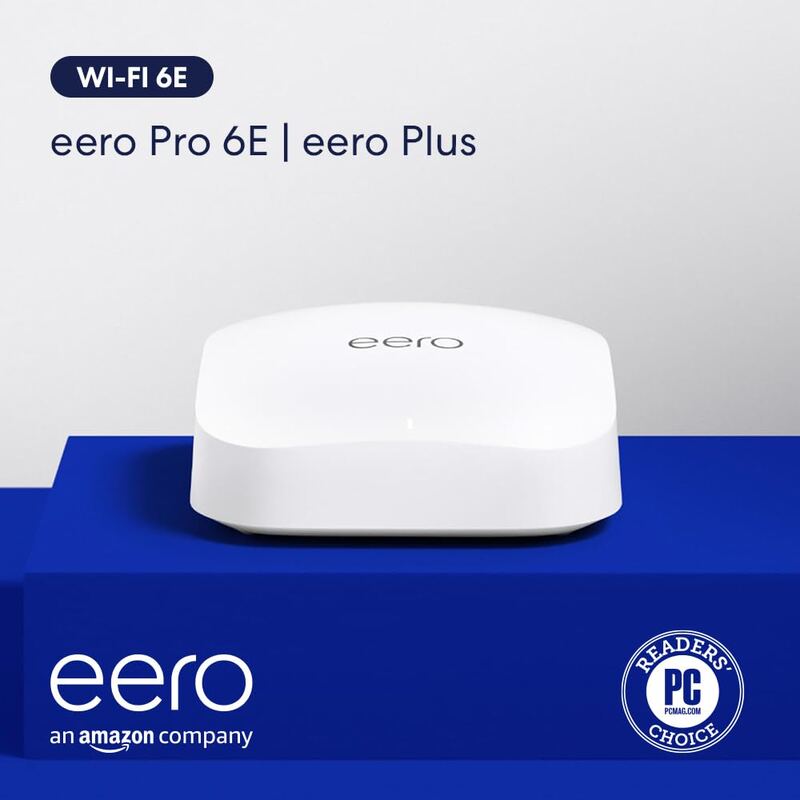
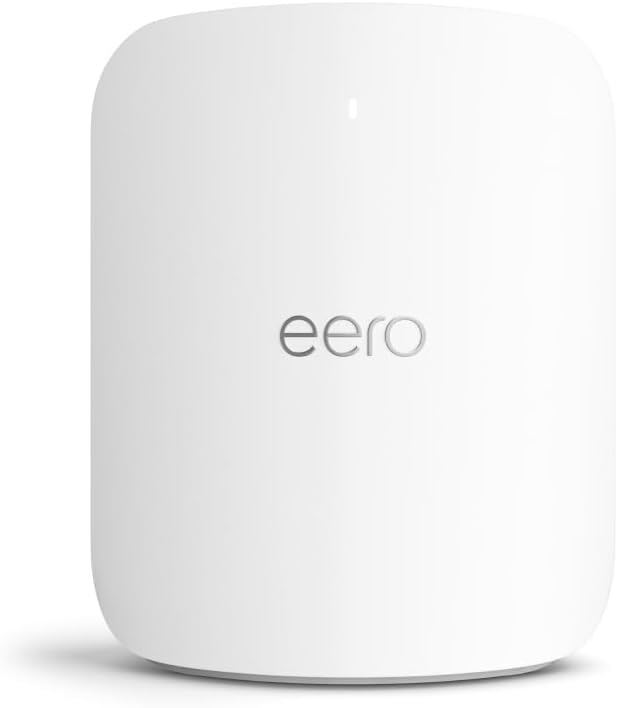
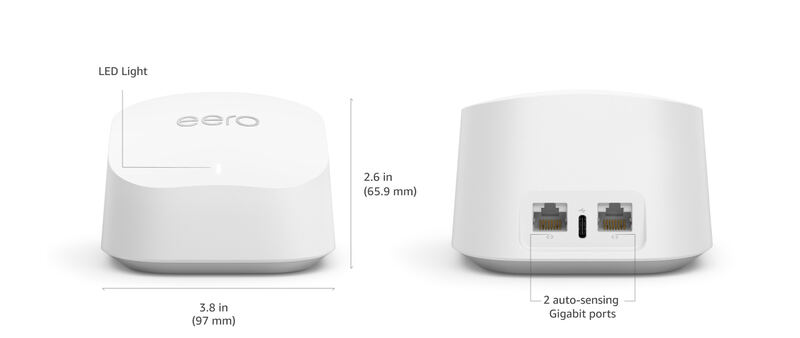
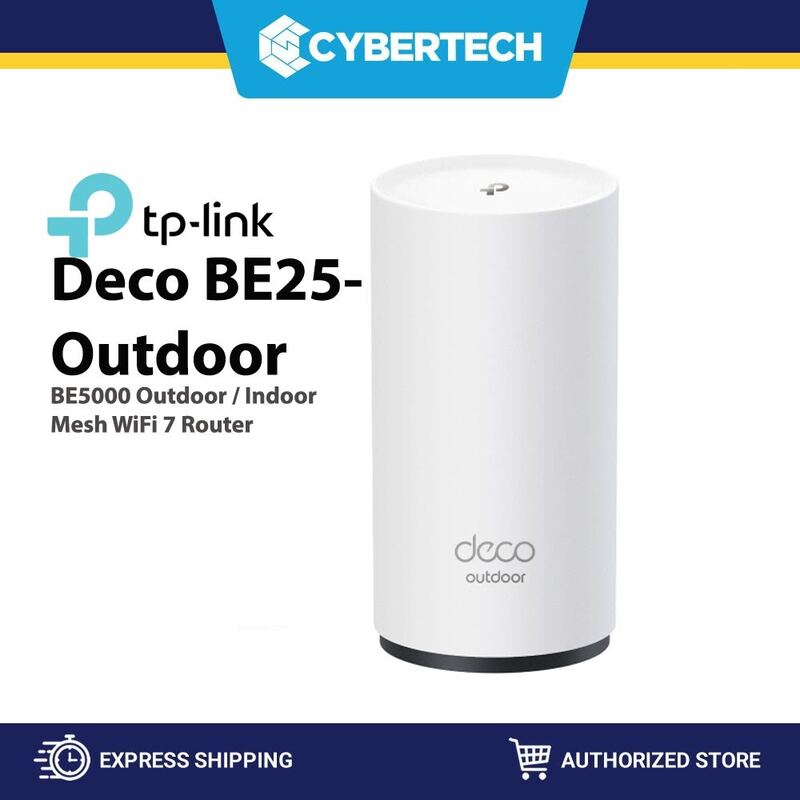
The Netgear Orbi 960 delivers the strongest overall wireless performance and seamless roaming among the Wi-Fi 6E options, outperforming the Eero Pro 6E and Amazon eero 6 in speed and coverage consistency. It avoids the firmware issues and subscription upsells criticized in the Eero Max 7, offering a more traditional, reliable router experience. While it is more expensive than the TP-Link Deco BE25 and Amazon eero 6, its robust dual-band performance makes it a superior choice for large homes compared to the limited range of the TP-Link Deco BE25.
Who this is for
At a glance: users seeking high-performance Wi-Fi 6E for large homes.
Why you’d buy the Netgear Orbi 960 (RBKE963)
- Supports Wi-Fi 6E standard for faster speeds and less congestion.
- Mesh networking system with seamless roaming between nodes.
- Strong performance in both 2.4 GHz and 5 GHz bands.
Why you’d skip it
- Higher price point compared to basic mesh routers.
- Limited Ethernet ports on the main router unit.
Rating sources
Our 4.4 score is the average of these published ratings. More about methodology.