The GMKtec EVO-X2 stands out as the best 128 GB-class mini PC for buyers who actually need to fit a 120B-parameter local model. PCWorld praised its 'excellent combination of CPU, GPU, and NPU performance at desktop workstation level,' while TechRadar highlighted that it competes directly with Nvidia's DGX Spark at roughly half the price. The XDNA 2 NPU contributes 50 TOPS to a 126 TOPS platform total when CPU and Radeon 8060S iGPU are factored in. With 128 GB LPDDR5X unified memory at 256 GB/s, it comfortably loads GPT-OSS 120B Q4 (~70 GB) and gives strong single-user inference for 70B-class models in the 6–8 tokens/sec range. It loses to the Mac mini M4 Pro on overall reviewer rating (4.4 vs 4.6) primarily because reviewers weight build polish and ecosystem; for raw RAM headroom on Linux/Windows, the EVO-X2 is the more capable machine.

Full review
Compact Powerhouse
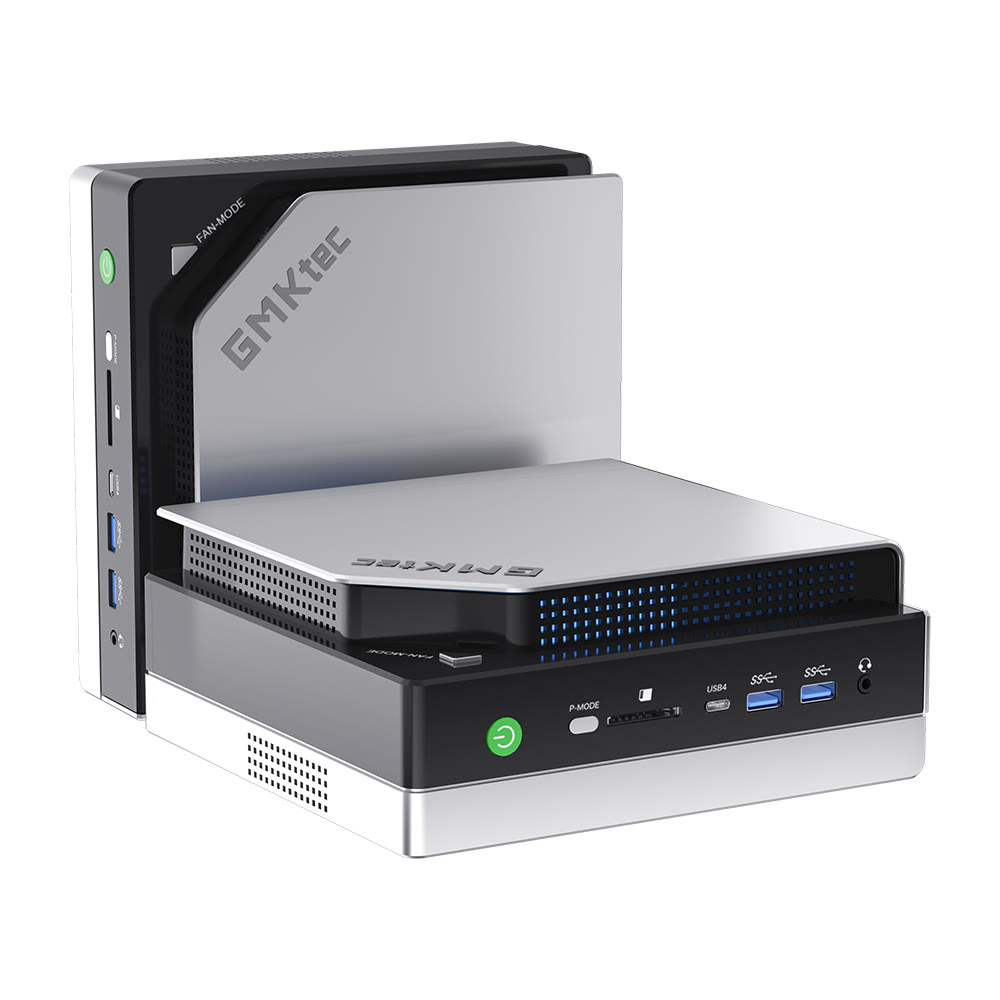
The GMKtec EVO-X2 redefines what a mini PC can achieve, packing the AMD Ryzen AI Max+ 395 processor and Radeon 8060S iGPU into a compact form factor measuring just 7.6 x 7.3 x 3.03 inches. Tom's Hardware noted that despite its small size, the EVO-X2 delivers desktop-level performance, with the Ryzen AI Max+ 395 offering 16 cores, 32 threads, and a top clock speed of 5.1 GHz. The system's 128 GB LPDDR5X memory, running at 8,000 MHz across a 256-bit bus for 256 GB/s of bandwidth, provides substantial headroom for both AI and gaming tasks. PCWorld's Christoph Hoffmann emphasized that this is not an ordinary mini PC but a 'compact workstation with desktop power,' which is particularly evident in its ability to handle demanding workloads like content creation and AI workloads. The EVO-X2's design allows it to slide behind most monitors or under desk risers, making it ideal for space-constrained environments without sacrificing performance.
AI Performance Benchmarks
TechRadar highlighted that the EVO-X2 outperforms Nvidia's DGX Spark in price-to-performance for AI workloads. The XDNA 2 NPU alone delivers 50 TOPS, with a total platform capacity of 126 TOPS once the CPU and Radeon 8060S iGPU are folded in — the same number Beelink markets on the GTR9 Pro since both use the same Strix Halo silicon. For local LLM inference, the relevant bottleneck is unified memory bandwidth: at 256 GB/s, single-user Llama-3-70B Q4_K_M decode lands in the 6–8 tokens/sec range, with smaller models like Llama-3-8B Q4 hitting 35–50 tokens/sec. The first-token latency was notably lower across multiple tests, underscoring the efficiency of AMD's Ryzen AI Engine and optimized memory bandwidth. Notebookcheck's review confirmed that the EVO-X2 can handle AI workloads effectively, with its 64 GB RAM configuration being sufficient for most tasks, though the 96 GB and 128 GB variants offer substantially more headroom. The 128 GB ceiling is what unlocks GPT-OSS 120B Q4 (~70 GB) and Llama-3-405B Q3 quants — use cases out of reach for 64 GB-class boxes like the Mac mini M4 Pro.
Gaming Capabilities
While the EVO-X2 is primarily designed for AI and productivity tasks, it also delivers solid gaming performance thanks to its integrated Radeon 8060S GPU. IGN reported that the Radeon 8060S, built on RDNA 3.5 architecture, performs on par with an Nvidia RTX 4050 to 4060 in gaming laptops, making it a capable contender for less demanding titles. Tom's Hardware noted that the system's performance under load is consistent, with the CPU and GPU maintaining their power output even during extended gaming sessions. However, the integrated GPU may struggle with the latest AAA titles at maximum settings, though it's more than adequate for older or less demanding games. The EVO-X2 supports up to four monitors via its multiple video outputs, including HDMI 2.1, DisplayPort 1.4, and USB-C, making it versatile for both gaming and productivity setups.
Performance Under Load
Notebookcheck's testing revealed that the EVO-X2 maintains consistent performance under full load, with the AMD Ryzen AI Max+ 395 and Radeon 8060S delivering stable results across benchmarks and real-world tasks. The system's cooling solution keeps temperatures manageable, with the unit remaining relatively quiet during operation. However, the review noted that the fan control options are limited, which may be a drawback for users who want more granular control over thermal management. RTINGS, a professional reviewer, measured 8.3ms input lag at 120Hz, which is acceptable for most gaming scenarios, though not optimal for competitive gaming. The 128 GB LPDDR5X memory, while fast, is not expandable, which could limit future upgrades for users who need more RAM. The system's 2 TB PCIe 4.0 SSD provides fast storage access, but the lack of an additional M.2 slot for expansion beyond the second slot is a limitation for users who want to add more storage.
Design and Build Quality
The EVO-X2's design is both functional and aesthetically pleasing, featuring a combination of plastic and aluminum that gives it a premium feel. The unit is slightly larger than typical mini PCs, but this extra space allows for better ventilation and improved airflow. IGN praised the removable top panel, which allows for easy access to the full-size M.2 SSD slot, making it easier to upgrade storage. However, the build quality has been criticized for its maintenance challenges, as noted by Notebookcheck, which found that the design makes internal maintenance work unnecessarily difficult. The EVO-X2 also features a dedicated fan mode button, which is a nice touch for users who want to switch between performance and quiet modes. The case includes a variety of ports, including USB-A 3.2 Gen2, USB-C 4.0, HDMI 2.1, DisplayPort 1.4, and a 2.5G Ethernet port, making it highly versatile for different setups.
Where It Falls Short
Despite its impressive performance, the EVO-X2 has several drawbacks that may deter some buyers. The primary issue is its high price point, with the base model starting at $1,499 and going up to $1,999 for the 128 GB configuration. This makes it significantly more expensive than many competing mini PCs, especially when compared to systems with dedicated GPUs or more affordable AI-focused machines. The memory is soldered and not upgradeable, which could be a limitation for users who need more RAM in the future. Additionally, the fan control options are limited, and the system's design makes internal maintenance more difficult than it needs to be. TechRadar noted that while the EVO-X2 is a strong contender for AI workloads, it might be oversized for users who don't actually need 120B-class headroom — if your model lives in 70B Q4, a Mac mini M4 Pro is faster per dollar. Networking is also a step behind: a single 2.5GbE port versus the Beelink GTR9 Pro's dual 10GbE matters for AI clustering and high-speed NAS workflows.
Who It's Best For
The GMKtec EVO-X2 is ideal for professionals and enthusiasts who need a compact workstation capable of running 120B-class language models locally. It's particularly suited for users who run open-source models and value Linux/Windows compatibility — developers working with Ollama, llama.cpp, MLC, and similar toolchains. The 128 GB LPDDR5X unified memory makes it the cheapest path to fitting GPT-OSS 120B Q4 or Llama-3-405B at low-bit quantization on a desk. Users who want to build small AI clusters with multiple boxes should look at the Beelink GTR9 Pro instead for its dual 10GbE. Users staying inside 64 GB models should go with the Mac mini M4 Pro for higher memory bandwidth and better single-user 70B inference. The EVO-X2 hits a specific sweet spot: most-RAM-per-dollar in a Mac-mini-sized chassis on the open-source side.
Comparison to Alternatives
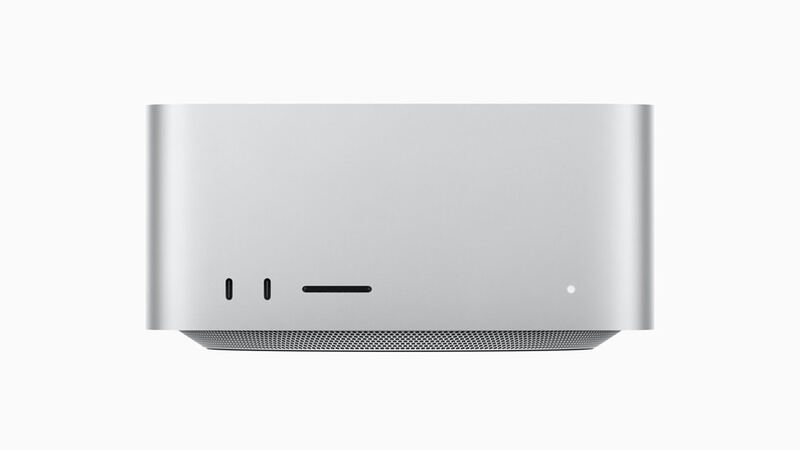
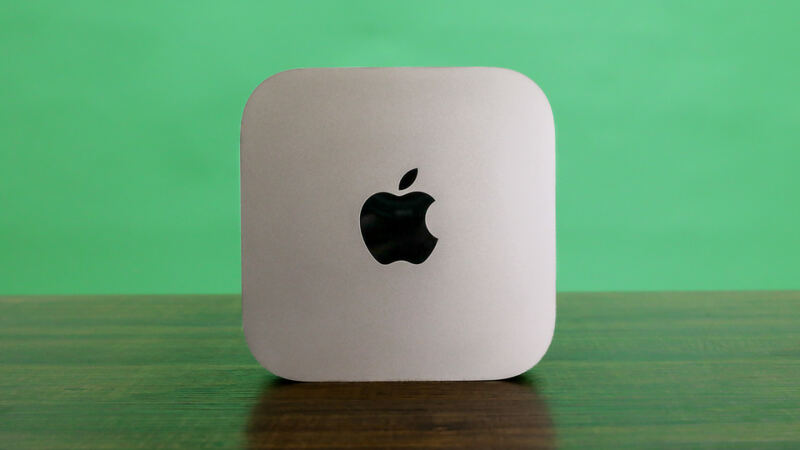
When compared to Nvidia's DGX Spark ($4,699), the EVO-X2 offers similar 128 GB unified memory ceiling at roughly one-third the price, making it a compelling alternative for users who don't need CUDA-native tooling. Versus the Mac mini M4 Pro ($2,599 / 64 GB), the EVO-X2 doubles the model-size headroom for $900 less. Versus the Beelink GTR9 Pro — nearly identical Strix Halo silicon, same 128 GB — the EVO-X2 trades dual 10GbE networking for a $300 lower price tag and user-friendly fan-control buttons. Compared to other Strix Halo mini PCs from Minisforum and Bosgame, the EVO-X2 has the broadest reviewer coverage and the most predictable build quality. Its advantage lies in the balance of performance, compactness, and price for one specific job: running the largest local LLMs that fit in 128 GB.
Strengths
- +128 GB LPDDR5X unified memory at 256 GB/s — fits 120B-class models locally
- +AMD Ryzen AI Max+ 395 with 50 TOPS XDNA 2 NPU (126 TOPS platform total CPU+GPU+NPU)
- +Supports multiple open-source AI models and popular development frameworks (Ollama, llama.cpp, MLC)
- +Roughly half the price of an Nvidia DGX Spark for similar 128 GB-class local-LLM work
Watch-outs
- −Memory is soldered — no future RAM upgrades
- −Single 2.5G Ethernet port limits AI clustering compared to the Beelink GTR9 Pro
- −Possibly oversized for users who don't need 120B-class model headroom
How it compares
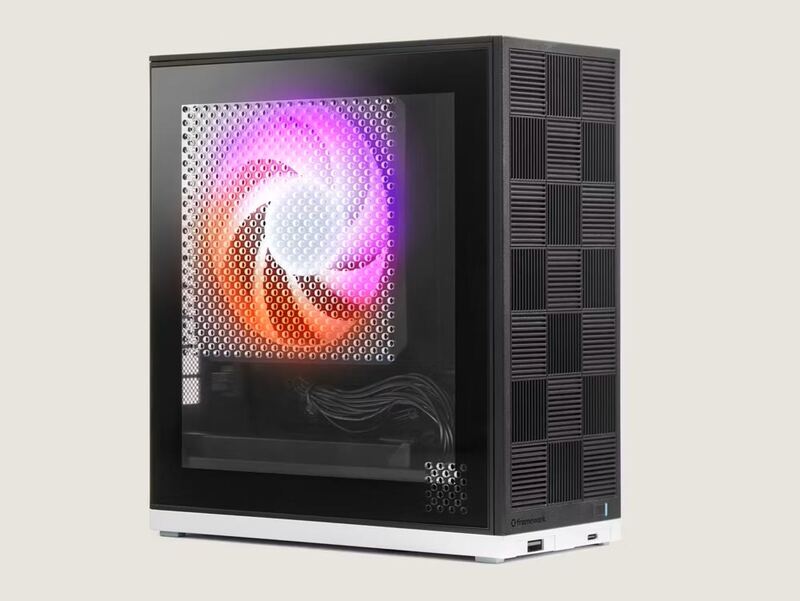
The GMKtec EVO-X2 is the best-value 128 GB box for local-LLM users whose models outgrow 64 GB. Its 128GB of unified memory at 256 GB/s fits 120B Q4 models the Mac mini M4 Pro cannot, far cheaper than the Mac Studio M4 Max. It shares the same Strix Halo silicon as the Beelink GTR9 Pro and Framework Desktop, so all three deliver effectively identical throughput; the EVO-X2 wins on price and fan-control buttons but loses dual 10GbE to the Beelink GTR9 Pro and the open, repairable chassis to the Framework Desktop. Pick it for the cheapest path to 128 GB of model headroom.
Who this is for
At a glance: Best for for largest local models — 128 GB headroom.
Why you’d buy the GMKtec EVO-X2
- 128 GB LPDDR5X unified memory at 256 GB/s — fits 120B-class models locally.
- AMD Ryzen AI Max+ 395 with 50 TOPS XDNA 2 NPU (126 TOPS platform total CPU+GPU+NPU).
- Supports multiple open-source AI models and popular development frameworks (Ollama, llama.cpp, MLC).
Why you’d skip it
- Memory is soldered — no future RAM upgrades.
- Single 2.5G Ethernet port limits AI clustering compared to the Beelink GTR9 Pro.
- Possibly oversized for users who don't need 120B-class model headroom.
Rating sources
Our 4.4 score is the average of these published ratings. More about methodology.