The Audio-Technica AT2020 features a durable all-metal construction and includes a metal swivel-mount with adapter, as Tape Op found in its physical assessment. It delivers a flat 20Hz-20kHz frequency response that captures clear vocals without boomy lows, while Soundref noted its high 144dB SPL rating handles loud sources like drums effectively. However, the mic is sensitive to handling noise and its swivel mount lacks vibration isolation, requiring users to avoid touching the mic or purchase external damping solutions. Additionally, it requires an XLR interface with +48V phantom power and does not ship with a pop filter or windscreen, which are necessary for optimal vocal recording. This microphone suits home studio musicians and voiceover artists seeking professional sound in treated spaces, but is unsuitable for live performances or users needing plug-and-play USB convenience.
Full review
Metal construction and heavy swivel mount
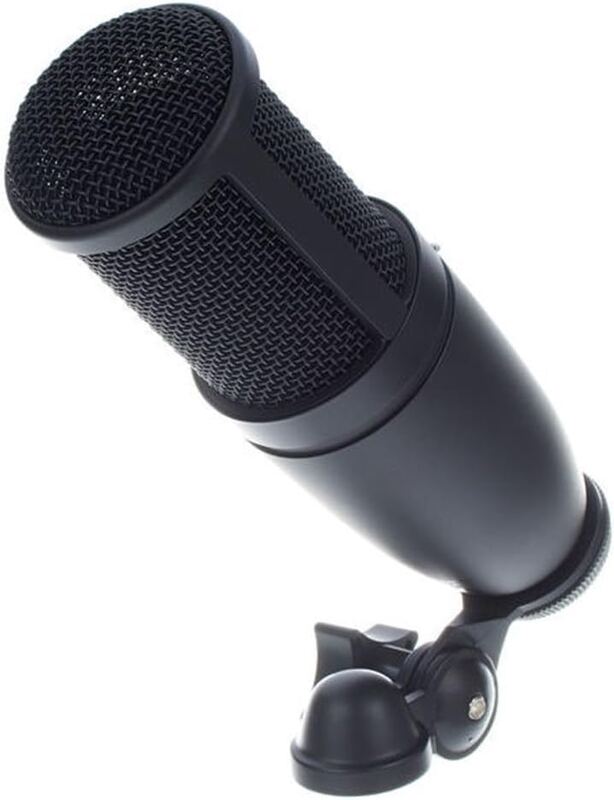
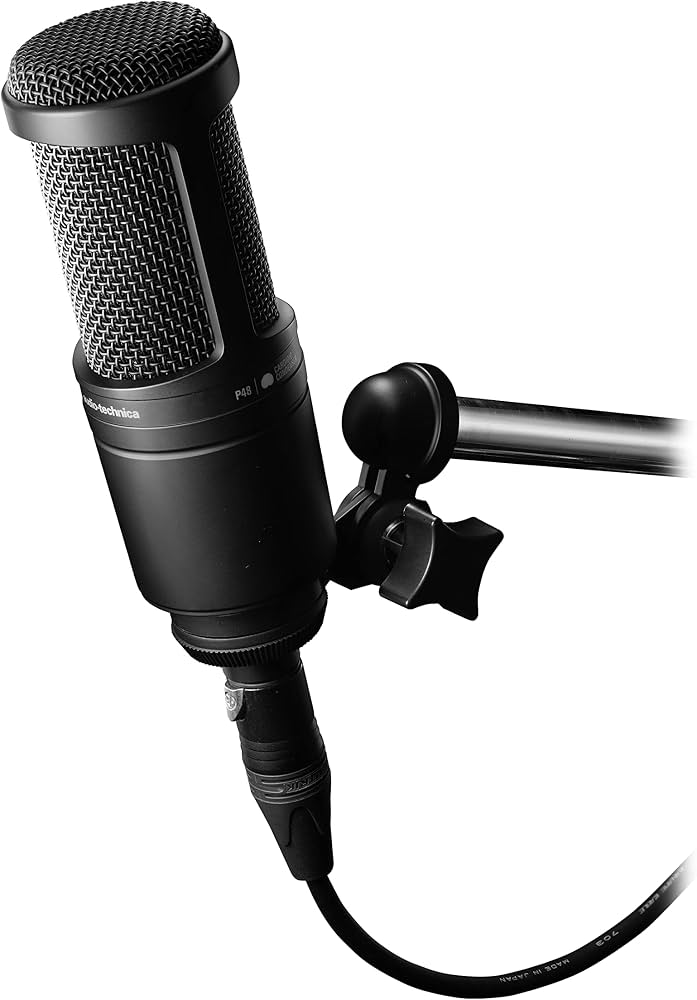
The Audio-Technica AT2020 defies the typical expectations for a budget microphone through its substantial physical build. Tape Op recorded the unit weighing in at 12.1 ounces, noting that it features an all-metal body and metal grill rather than lightweight plastic construction. This solid weight provides a reassuring durability that prevents the internal components from being easily damaged by minor bumps or drops during transport.
The included accessories reinforce this robust approach to entry-level recording gear. Tape Op highlighted the inclusion of a sturdy metal swivel-mount, which offers flexibility for positioning without the bulk of a suspended shockmount. This mount screws directly into the microphone body and comes with a 5/8 to 3/8 inch threaded adapter, allowing it to attach securely to standard mic stands while providing a reliable connection point.
Soundref pointed out that this metal cage effectively absorbs damage that would otherwise reach the internal electronics, making it suitable for clumsy users or those new to recording. The microphone also ships with a well-padded soft travel pouch, ensuring that the unit remains protected when moved between home studios and on-location shoots.
Flat 20Hz-20kHz response avoids boomy lows
The frequency response of the AT2020 spans from 20Hz to 20kHz, delivering a remarkably flat and uncolored sound profile across its entire range. Podcastage noted that this full spectrum captures every audible frequency without introducing an overly boomy low end, which is a common pitfall for inexpensive condenser microphones. This controlled bass response ensures that the microphone remains clean even when capturing deep vocal tones or lower-register instruments.
Garrett Haines at Tape Op observed that the AT2020 possesses a slightly more developed bottom end compared to similar budget options like the AKG C 1000S. In blind listening tests, he found this fuller sonic picture particularly desirable for sparsely arranged ballads where acoustic guitar needs to sound complete and resonant rather than thin or accent-like.
The GarageBand Guide added that this flat response provides a lovely mid-range warmth that suits vocal recordings exceptionally well. The microphone captures balanced, true sounds without producing the scratchy or jagged high-end artifacts that plague other budget models, making it highly effective for close-miking acoustic instruments and clear spoken word.
High 144dB SPL handles loud sources
With a maximum sound pressure level (SPL) rating of 144dB, the AT2020 can capture extremely loud audio sources without distorting. Soundref emphasized that this high threshold allows users to mic drums, horns, and powerful vocalists safely within its dynamic range. This specification is notably impressive for a condenser microphone at this price point, as most budget condensers struggle with high SPLs.
This high SPL capability makes the AT2020 a versatile tool for project studios. It can serve as a dedicated instrument mic for loud sources like guitar cabinets or snare drums while simultaneously functioning as an excellent vocal microphone, eliminating the need to purchase separate specialized mics for different volume levels.
Cardioid pattern rejects rear room noise
The fixed cardioid polar pattern of the AT2020 focuses its pickup area in a heart-shaped zone directly in front of the microphone, effectively rejecting sound from the rear and sides. Soundref explained that this directional characteristic is highly beneficial for home studios lacking acoustic treatment, as it minimizes the capture of room reflections and external noise like computer fans or traffic.
During distance tests, Podcastage observed a noticeable drop-off in volume as the speaker moved away from the mic, though not as drastic as dynamic microphones. The cardioid pattern successfully isolated the primary voice source while significantly reducing background keyboard clicking when tested with audio playing behind the unit, proving its utility for untreated recording spaces.
However, this directional reliance means the microphone must be positioned precisely to capture the desired sound. Users cannot rely on ambient room acoustics to fill out their recordings; instead, they must utilize the proximity effect by staying close to the capsule to achieve a full, warm tone without capturing excessive background noise.
Requires +48V phantom power interface
As an XLR condenser microphone, the AT2020 strictly requires 48-volt phantom power to operate and cannot function when plugged directly into a computer via USB. Podcastage explicitly warned that users must invest in a proper audio interface or mixer with phantom power capabilities for this microphone to produce any sound at all.
This requirement immediately disqualifies the AT2020 from being used by casual gamers or beginners who only have basic USB headsets or simple plug-and-play setups. Users seeking high-quality audio must budget for an external interface, which adds to the initial cost of entry despite the microphone's affordable price tag.
Sensitive to handling noise and plosives
The sensitivity of the AT2020 makes it highly vulnerable to handling noise, requiring users to avoid touching the microphone while recording. Soundref advised that placing the stand on a flat, sturdy surface is essential to prevent vibrations from transferring into the audio signal, and recommended purchasing an external shock mount to further reduce floor-borne noise.
The lack of included accessories exacerbates this issue, as the microphone does not ship with a pop filter or windscreen. Soundref noted that these items are necessary for optimal vocal recording to mitigate plosive sounds caused by sharp consonants like 'P' and 'B'. Users must purchase these separately to achieve professional results.
Garrett Haines at Tape Op found the included metal swivel-mount less intrusive than bulky shockmounts, but acknowledged that it does not provide the same level of vibration isolation. This means users recording in environments with heavy foot traffic or on unstable desks will experience noticeable handling artifacts without additional damping solutions.
Harsh 7-8kHz peak challenges loud vocals
While generally praised for its smooth high end, the AT2020 exhibits a specific frequency response quirk that affects louder vocal performances: a harsh peak around 7-8kHz.
This peak creates an unpleasant, piercing quality in the audio that requires manual equalization work during post-production to remove. This harshness also accentuates certain guitar tones, forcing users to either move closer to the microphone to utilize the proximity effect for a richer low-mid response or apply corrective EQ.
Tape Op had previously described the highs as smooth and restrained compared to hyped budget microphones, but real-world vocal tests reveal that this control breaks down under high volume. This makes the AT2020 an excellent choice for gentle singing, spoken word, and acoustic instruments, but a challenging tool for powerful rock or pop vocals without careful mixing.
Ideal for home studios and voiceovers
The AT2020 is best suited for musicians, podcasters, and voiceover artists who operate within a controlled home studio environment. Its combination of durable metal construction, flat frequency response, and high SPL handling makes it an exceptional starter microphone for those serious about upgrading from USB mics to professional XLR setups.
Users recording acoustic guitar, soft vocals, or spoken word will find the microphone's warmth and clarity highly rewarding. The fixed cardioid pattern effectively isolates these sources in untreated rooms, provided the user maintains a consistent distance and avoids handling the mic during takes.
Conversely, the AT2020 is not recommended for live stage performances due to its sensitivity to feedback and handling noise. It also falls short for users who need plug-and-play convenience without an interface or those recording extremely loud sources in highly reflective spaces where its inherent self-noise might become apparent.
Strengths
- +Metal construction and body provide a durable, substantial feel rather than lightweight plastic.
- +Includes a metal swivel-mount with a 5/8 to 3/8 inch adapter and a padded travel pouch in the box.
- +Flat frequency response from 20Hz-20kHz delivers clear vocals and controlled low-end without being boomy.
- +High maximum SPL of 144dB allows it to capture loud sources like drums or horns without distortion.
Watch-outs
- −Requires an external audio interface with +48V phantom power, making it incompatible with direct USB connection.
- −Lacks a shock mount: the included swivel mount gives little vibration isolation, so the mic is sensitive to handling noise.
- −Does not ship with a pop filter or windscreen, which are necessary for optimal vocal recording.
How it compares
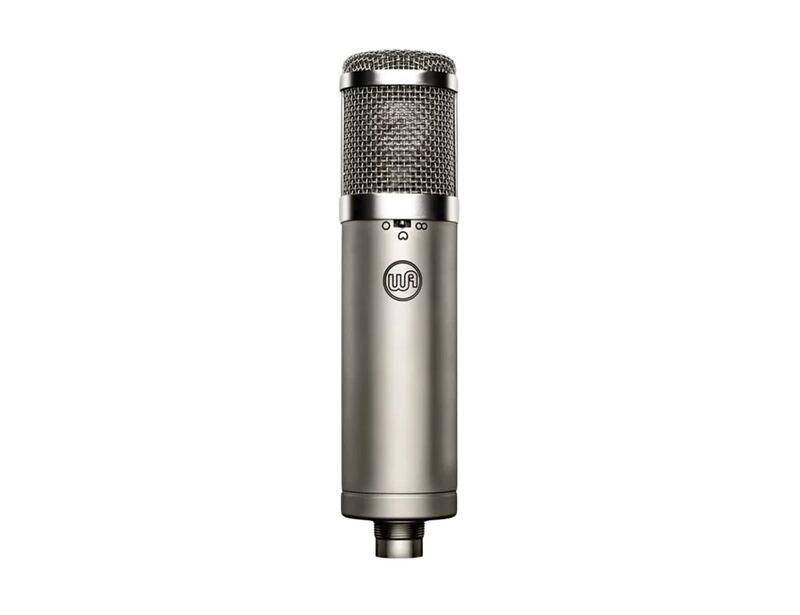
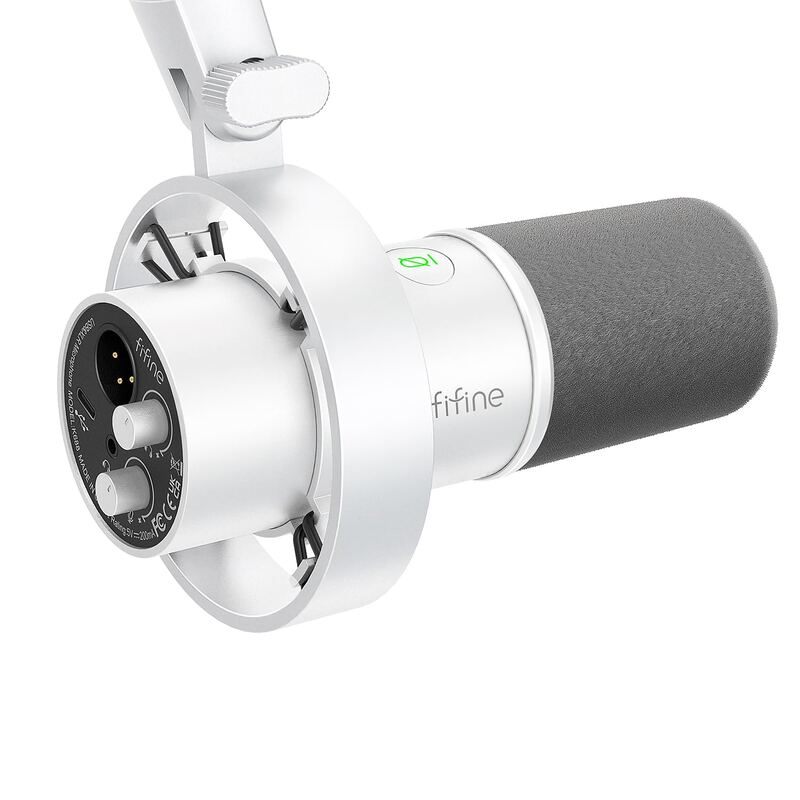
The Audio Technica AT2020 offers a flat frequency response from 20Hz-20kHz, whereas the AKG Pro Audio P120 rolls off low frequencies starting at approximately 300 Hz due to its aggressive high-pass filter. It also lacks the onboard controls found on the FIFINE AmpliTank K688W and does not provide the dual connectivity options that allow for easier ecosystem upgrades.
Rating sources
Counts as 4.23/5 in our score — this publisher's 2 scores on the site average 4.40, so its scores are adjusted down to compare fairly with other publishers.
“Because the AT2020 is anything but "another cheap mic." The AT2020 provides pleasant surprises in several areas.”
Not in the average — we derived this score from the review's words, and a publisher printed a score for this product, so the printed number counts instead.
Our 4.2 score is the average of 1 of the scored reviews above, each adjusted for how strictly its publisher scores; 4 more reviewed it without printing a score and are not in the average. 1 derived score above is not in the average because a publisher printed a score for this product. Ratings marked * were derived from the reviewer’s written analysis or video transcript — the publisher didn’t print an explicit numeric score, so we inferred one from their own words. Click through to verify. More about methodology.