Verdict
Head-to-head · Best Xlr Studio Microphones

Audio Technica AT2020 vs FIFINE AmpliTank K688W Studio XLR Dynamic Microphone, USB PC Podcast Mic

Which is the better buy? Side-by-side on rating, price, strengths, and watch-outs — with the published ratings we averaged to get there.

Verdict is reader-supported. As an Amazon Associate we earn from qualifying purchases. Some links on this page are affiliate links — if you click through and buy, we may earn a small commission at no extra cost to you. Our ratings are sourced from independent publications, not sponsors.
The short answer

Audio Technica AT2020 comes out ahead by a clear margin (4.2 vs 3.6). Audio Technica AT2020 is best for: Home studio musicians recording in treated spaces. Read the strengths below before deciding.

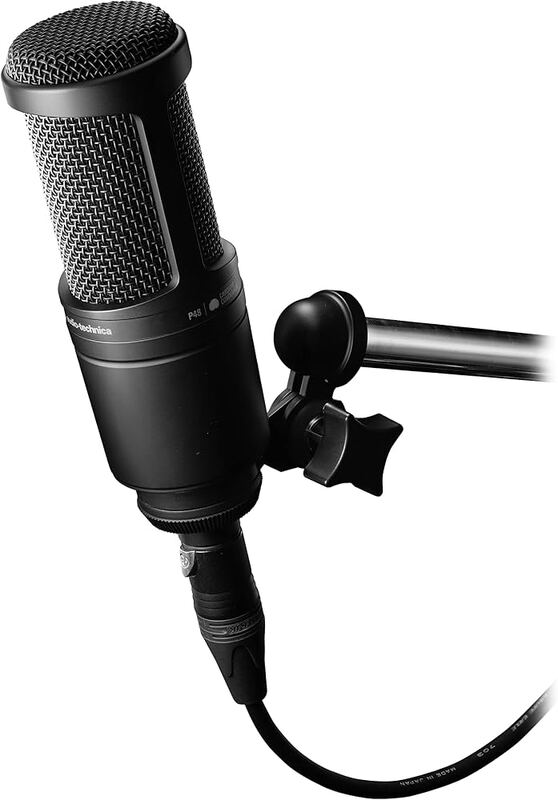
Audio Technica AT2020
Higher ratedRanked #2 in Best Xlr Studio Microphones
Audio Technica AT2020
1 source$119as of Oct 5

The Audio-Technica AT2020 features a durable all-metal construction and includes a metal swivel-mount with adapter, as Tape Op found in its physical assessment. It delivers a flat 20Hz-20kHz frequency response that captures clear vocals without boomy lows, while Soundref noted its high 144dB SPL rating handles loud sources like drums effectively. However, the mic is sensitive to handling noise and its swivel mount lacks vibration isolation, requiring users to avoid touching the mic or purchase external damping solutions. Additionally, it requires an XLR interface with +48V phantom power and does not ship with a pop filter or windscreen, which are necessary for optimal vocal recording. This microphone suits home studio musicians and voiceover artists seeking professional sound in treated spaces, but is unsuitable for live performances or users needing plug-and-play USB convenience.
Strengths
  • — Metal construction and body provide a durable, substantial feel rather than lightweight plastic.
  • — Includes a metal swivel-mount with a 5/8 to 3/8 inch adapter and a padded travel pouch in the box.
  • — Flat frequency response from 20Hz-20kHz delivers clear vocals and controlled low-end without being boomy.
Watch-outs
  • — Requires an external audio interface with +48V phantom power, making it incompatible with direct USB connection.
  • — Lacks a shock mount: the included swivel mount gives little vibration isolation, so the mic is sensitive to handling noise.
  • — Does not ship with a pop filter or windscreen, which are necessary for optimal vocal recording.
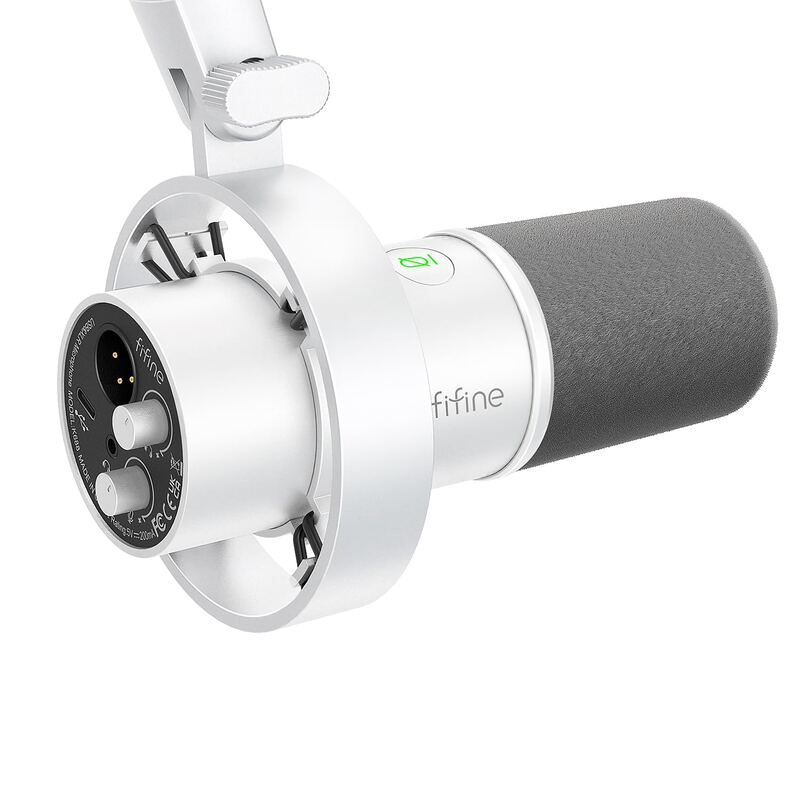
FIFINE AmpliTank K688W Studio XLR Dynamic Microphone, USB PC Podcast Mic
Ranked #4 in Best Xlr Studio Microphones
FIFINE AmpliTank K688W Studio XLR Dynamic Microphone, USB PC Podcast Mic
1 sourceall derived$69.99as of Oct 5

The FIFINE AmpliTank K688W offers dual USB and XLR connectivity, allowing creators to start with plug-and-play simplicity before upgrading to an audio interface later. However, Albert Kim points out that all onboard controls become inaccessible when connected via XLR, forcing reliance on software or mixer settings for adjustments. Additionally, the included windscreen is thin and fails to fully eliminate plosives, often requiring an aftermarket pop filter for clean vocal capture. This microphone fits podcasters and streamers seeking a versatile upgrade path who can manage level control through their interface, but it may frustrate those needing immediate tactile hardware access or pristine out-of-the-box audio clarity.

Strengths
  • — Dual USB and XLR connectivity allows users to start with plug-and-play simplicity and upgrade to an audio interface later without replacing the microphone.
  • — Onboard controls including a tap-to-mute button, gain knob, and 3.5mm headphone monitoring jack offer practical workflow adjustments directly on the device.
  • — Dynamic cardioid pickup pattern effectively rejects background noise from computer fans and hard drives while focusing on close-range voice capture.
Watch-outs
  • — The included windscreen is thin and does not fully eliminate plosives, often requiring users to purchase a thicker aftermarket pop filter.
  • — All onboard controls such as mute and gain adjustment are USB-only; they become inaccessible when the microphone is connected via XLR.

Derived means the reviewer published no score, so one was inferred from their written verdict. Everything else is a number the publisher printed. How we rank.

How they stack up

Audio Technica AT2020

The Audio Technica AT2020 offers a flat frequency response from 20Hz-20kHz, whereas the AKG Pro Audio P120 rolls off low frequencies starting at approximately 300 Hz due to its aggressive high-pass filter. It also lacks the onboard controls found on the FIFINE AmpliTank K688W and does not provide the dual connectivity options that allow for easier ecosystem upgrades.

FIFINE AmpliTank K688W Studio XLR Dynamic Microphone, USB PC Podcast Mic

The FIFINE AmpliTank K688W offers dual USB and XLR connectivity, allowing users to start with plug-and-play simplicity before upgrading, a flexibility not available in the purely XLR-based Audio Technica AT2020. However, its onboard controls become inaccessible when connected via XLR, unlike the AKG Pro Audio P120 which maintains physical switch functionality regardless of connection type.

Specs side-by-side

SpecAudio Technica AT2020FIFINE AmpliTank K688W Studio XLR Dynamic Microphone, USB PC Podcast Mic
Microphone Typecardioid condenser microphoneDynamic
Polar PatternCardioidCardioid
Frequency Response20Hz-20kHz70 Hz - 15 kHz
Max SPL144dB—
Self Noise20 dB SPL—
Connection TypeXLRUSB-C and XLR
Impedance100 ohms—
Element TypeFixed-charge back plate permanently polarized condenser—
← See the full ranking of best xlr studio microphones