The Zoleo Satellite Communicator offers seamless two-way messaging across Wi-Fi, cellular, and satellite networks without manual switching, a feature OutdoorGearLab praised for its usability. The companion app mimics standard smartphone interfaces and delivers weather forecasts, which Girlonahike found useful for trip planning in rugged terrain. However, the device lacks an onboard screen or keyboard, making it entirely dependent on a paired smartphone for all custom messaging; Mylifeoutdoors highlighted this as a critical vulnerability if the phone is lost or its battery dies. Additionally, 4wdadventurer.com reported an internal battery failure after about three years of use, noting that the non-replaceable cell raises long-term durability concerns. ZOLEO now sells the ZL1500 revision, which Hikingguy describes as basically the same as the original apart from USB-C charging and Bluetooth LE 5.2; the scored reviews cited here tested the original model. This product fits users who prioritize easy integration with their mobile devices and SOS coordination through Global Rescue but should be avoided by those needing standalone communication capabilities.
Full review
Smartphone dependency limits standalone use
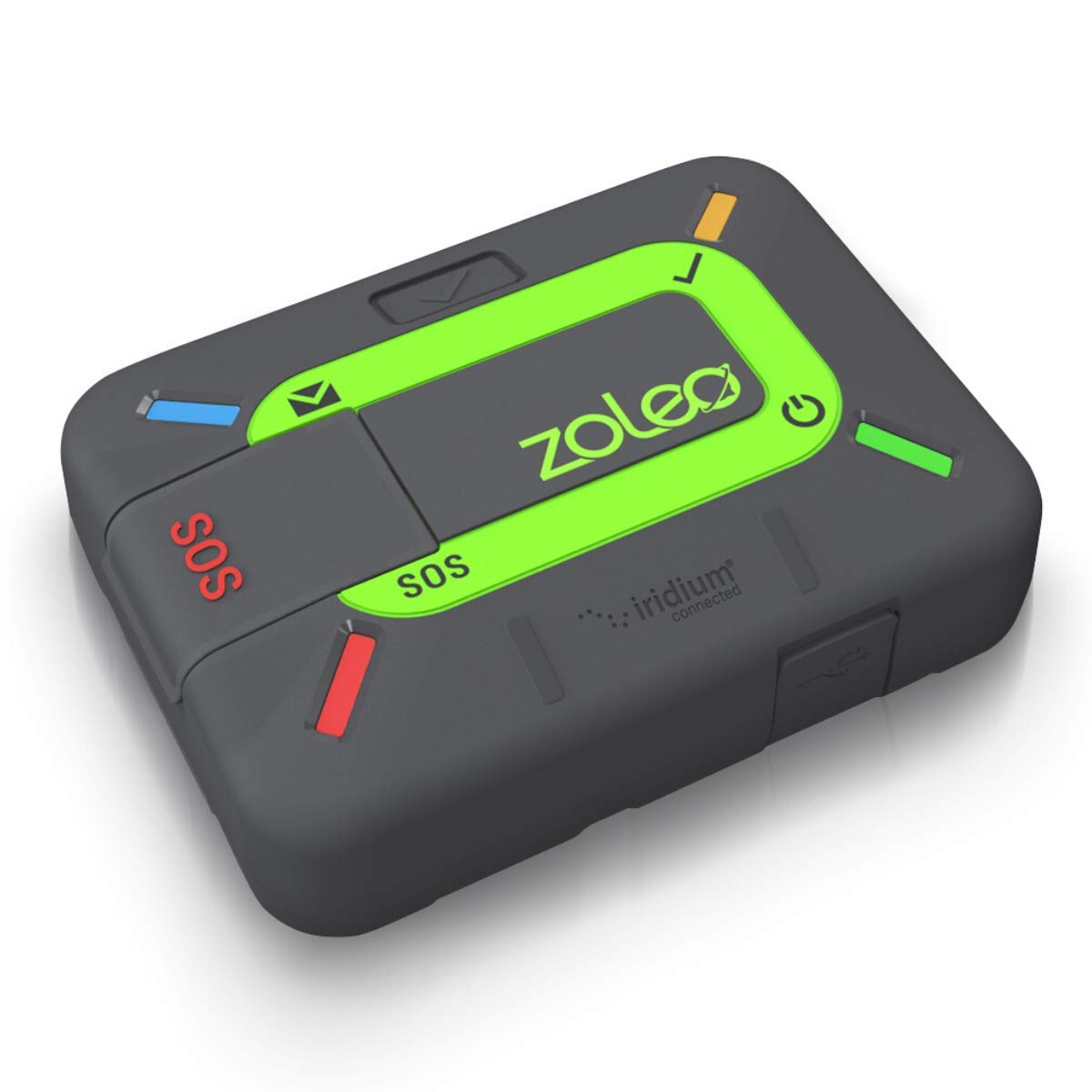
The ZOLEO device lacks an onboard screen or keyboard, making it entirely dependent on a paired smartphone for all two-way messaging and custom message composition. OutdoorGearLab noted that this design choice means users cannot view or compose customized messages directly from the hardware unit itself. While routine use via the companion app is seamless, this dependency creates a critical vulnerability if the phone is lost, damaged, or runs out of battery in the backcountry.
Mylifeoutdoors highlighted this weakness during a kayaking incident on the Buffalo River where the device was secured to a life jacket while the smartphone remained inside a floating dry bag. The reviewer realized that without immediate access to the phone, they could not send check-in messages or coordinate with contacts despite having a working satellite unit. This scenario underscores that the ZOLEO cannot function as an independent communication tool for non-emergency tasks.
Mylifeoutdoors further observed that while other devices like Garmin and SPOT offer options to send custom messages without a phone, the ZOLEO requires the smartphone app for these functions. Consequently, users must carry extra battery banks or accept that they lose significant functionality if their primary mobile device fails. The dedicated SOS button remains functional independently, but routine communication vanishes when the phone is inaccessible.
In-app weather forecasts aid trip planning
The companion application integrates Dark Sky weather service to deliver hyper-local daily and hourly forecasts directly within the backcountry environment. Girlonahike reported using this feature extensively during a five-night, six-day trip on the Alice Toxaway Loop, checking conditions daily to plan hiking routes. The forecast data includes current temperatures with daily highs and lows, sunrise and sunset times, precipitation percentages in millimeters, and expected types of weather.
Girlonahike found that the app allows users to search for weather along a planned route or at specific coordinates even when cellular service is unavailable, provided an offline map has been downloaded beforehand. The system updates location-specific data within approximately one minute once a satellite connection is established. This capability serves as a vital planning tool for avoiding sudden storms in rugged terrain where local meteorological changes can happen rapidly. These reviews date from when the app used Dark Sky; the ZOLEO product page now lists Xweather forecasts.
Mylifeoutdoors noted that while the Dark Sky integration is a favorite feature, it occasionally exhibits software bugs such as displaying incorrect time elapsed since the last update. Despite these minor glitches, the service remains reliable enough to be considered a standout utility. The ability to receive detailed precipitation chances helps users make informed decisions about whether to summit peaks or seek shelter before weather conditions deteriorate.
SOS button connects to 24/7 emergency coordination
The hardware features a dedicated SOS button protected by a physical plastic cover to prevent accidental activation during transport. Fallobsession confirmed that pressing and holding this button for five seconds sends a distress signal containing GPS coordinates to the GEOS monitoring partner, which operates 24/7 globally. OutdoorGearLab names Global Rescue as the dispatch organization that receives ZOLEO SOS messages. Once the alert is received, users can engage in real-time text messaging with search and rescue teams to provide medical details or status updates.
Girlonahike described the SOS interaction process where responders first confirm the user's precise GPS location and then ask specific questions regarding medical conditions to prepare emergency services appropriately. The system allows for cancellation of an accidental alert before SAR is fully dispatched, providing a safety net against false alarms. This two-way coordination capability distinguishes it from one-way personal locator beacons.
Mylifeoutdoors emphasized that the SOS functionality works even if the smartphone battery dies or is lost, as long as the ZOLEO device itself remains powered and has a clear view of the sky. The device automatically transmits location data to pre-loaded contacts through the website account when the check-in button is pressed. This redundancy ensures that help can be summoned in life-threatening situations regardless of mobile phone status.
Automatic network switching maintains message continuity
The ZOLEO system automatically switches between Wi-Fi, cellular, and satellite networks to deliver messages without requiring user intervention. OutdoorGearLab praised this seamless transition as a major usability advantage, allowing conversations to continue uninterrupted whether the user is at home or deep in the wilderness. Messages sent via cell or Wi-Fi are routed through the same interface as those sent over the Iridium satellite network.
Appalachianadv explained that the device connects to the Iridium global satellite network and utilizes Bluetooth to pair with smartphones running Android or iOS applications. When cellular or Wi-Fi signals are available, messages bypass the satellite system entirely, saving battery life on both the device and the phone. This hybrid approach ensures that users do not miss communications even if they forget to turn the ZOLEO hardware unit back on while in range of towers.
Fallobsession noted that this automatic switching capability means users will not miss a single message regardless of their location or network availability. The system routes each message through the appropriate channel based on what is currently accessible, providing a consistent texting experience. This feature eliminates the need to manually toggle between different communication modes, reducing cognitive load during stressful situations.
Internal battery lifespan raises long-term durability concerns
The device houses an internal lithium-ion battery that is not user-replaceable, raising questions about its longevity over several years of heavy use. 4wdadventurer.com reported experiencing a complete battery failure after more than three years of ownership while touring remote areas in Australia and Africa. The reviewer stated that the unit suddenly died despite having good initial performance, leaving them without communication capabilities during critical trips.
Appalachianadv specified that the internal battery offers up to 200 hours of life under normal usage conditions and recharges in approximately two hours. However, frequent use of location sharing features significantly drains power, as dropping breadcrumbs at intervals like six minutes consumes more energy than standard messaging modes. Users planning extended expeditions must carefully manage tracking settings to maximize operational time.
4wdadventurer.com revealed that ZOLEO eventually updated their policy to offer a limited lifetime battery guarantee for devices experiencing this specific failure mode. The company provided a refurbished replacement unit after the original support ticket was closed months earlier due to lack of available remedies at the time. This incident highlights potential reliability risks associated with non-replaceable internal batteries in outdoor electronics.
Compact dimensions suit backpacking and riding gear
The ZOLEO unit measures 3.58 by 2.6 by 1.06 inches and weighs 5.3 ounces, making it one of the more portable options in its category. Appalachianadv noted that the compact brick shape attaches easily to riding vests using paracord or can be stored securely in small backpack compartments without adding significant bulk. The lack of a screen contributes to its slim profile compared to full-function satellite phones.
OutdoorGearLab measured the weight at 5.3 ounces and rated portability highly, though they noted it is slightly heavier than some close competitors like the Garmin inReach Messenger. The device meets IP68 standards for water resistance, surviving submersion up to 4.9 feet for 30 minutes, and complies with MIL-STD 810G shock resistance ratings. These specifications provide confidence during dusty off-road adventures or accidental drops into swift water.
Fallobsession appreciated the rugged construction that withstands bumps and knocks from hard climbs in mountainous terrain. The physical design includes a covered SOS button and simple interface elements that function reliably even when wearing gloves. Its small footprint allows users to carry it as a backup device alongside primary navigation tools without compromising pack balance or comfort.
Strengths
- +Provides seamless two-way messaging across Wi-Fi, cellular, and satellite networks without requiring user intervention to switch modes.
- +Features an intuitive companion app that mimics standard smartphone texting interfaces for easy contact management.
- +Includes weather reports for current or custom locations within the app (Hikingguy).
Watch-outs
- −Requires a smartphone and companion app for all two-way messaging, limiting functionality if the phone is lost or its battery dies.
- −Lacks an onboard screen, meaning users cannot view or compose custom messages directly on the device itself.
- −Internal lithium-ion battery is not user-replaceable.
How it compares
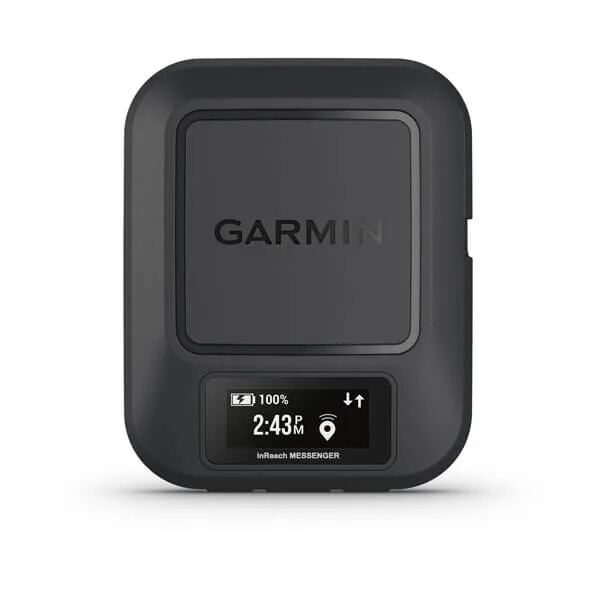
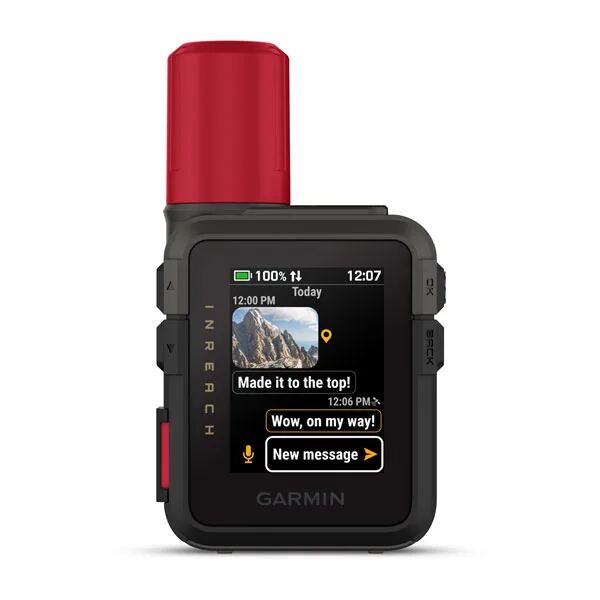
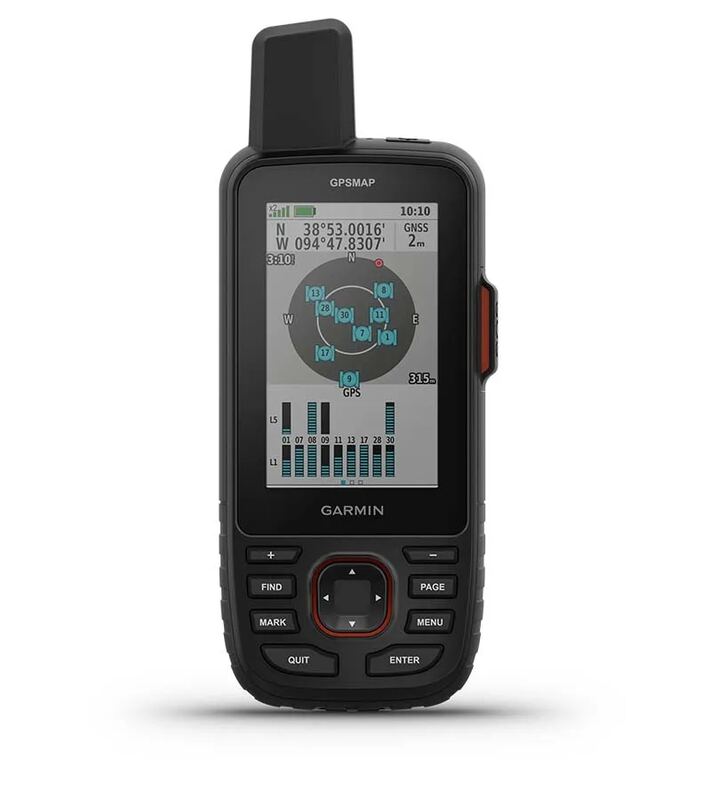
The Zoleo Satellite Communicator has no screen and needs a paired phone for custom messages, while the Garmin GPSMAP 67i and Garmin inReach Mini 3 Plus have screens for composing messages on the device. At 5.3 oz it is heavier than the 4.4 oz Garmin inReach Mini 3 Plus and lighter than the 8.1 oz Garmin GPSMAP 67i.
Rating sources
Counts as 4.36/5 in our score — this publisher's 149 scores on the site average 3.69, so its scores are adjusted up to compare fairly with other publishers.
Counts as 4.69/5 in our score — this publisher's 1 scores on the site average 4.80, so its scores are adjusted down to compare fairly with other publishers.
“I chose the Zoleo Satellite Communication Device and I could not be happier with it.”
Counts as 1.53/5 in our score — this publisher's 1 scores on the site average 1.00, so its scores are adjusted up to compare fairly with other publishers.
Our 3.5 score is the average of the 3 scored reviews above, each adjusted for how strictly its publisher scores; 5 more reviewed it without printing a score and are not in the average. More about methodology.