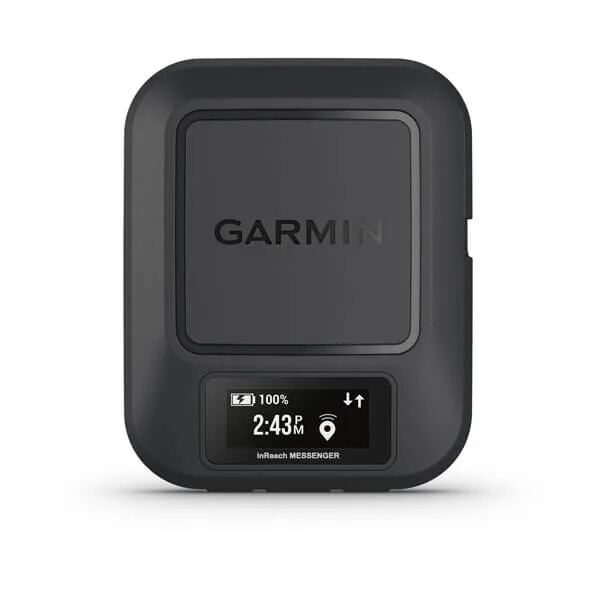
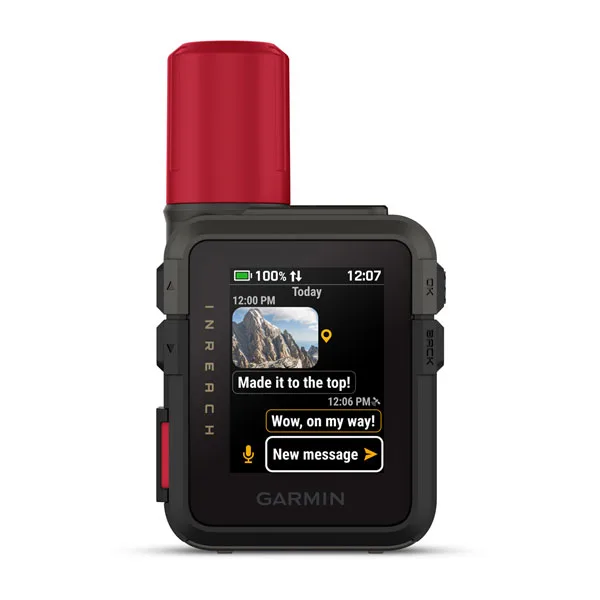
The Garmin inReach Mini 3 Plus introduces a color touchscreen and Iridium Certus IMT module, enabling faster transmission of voice notes, photos, and longer text messages. Hikingguy found that the upgraded protocol provides tangible speed improvements over older models, while Treelinereview noted the display simplifies menu navigation. However, OutdoorGearLab reported inconsistent touchscreen responsiveness that often requires multiple attempts to register inputs. The device also weighs 4.4 oz (125 g), making it bulkier than previous iterations, and its onboard basemap is extremely basic with limited detail for standalone use. This unit fits users who prioritize advanced communication features over ultralight packing or precise offline navigation.
Full review
Iridium Certus IMT enables voice and photo messaging
The Garmin inReach Mini 3 Plus distinguishes itself from the standard Mini 3 by upgrading its internal satellite module to Iridium Certus, a protocol capable of handling significantly larger data payloads. This hardware shift allows users to send and receive 1600-character text messages, which is a massive leap over the legacy Short Burst Data limits that capped older units at roughly 340 bytes. The increased bandwidth also supports multimedia communication, specifically allowing for the transmission of photos and 30-second voice notes directly through the satellite network. This capability fundamentally changes how users can coordinate in remote environments where cellular service is nonexistent.
Hikingguy found that this upgrade to Iridium Certus IMT provides a tangible improvement in data rate, clocking speeds at 4.8 kbps compared to the 2.4 kbps of older SBD protocols. This faster transmission means messages send more reliably and quickly, reducing the frustration often associated with waiting for a satellite connection to acknowledge receipt. The ability to attach visual context or voice instructions to an SOS alert can be critical in emergency scenarios where describing a complex injury or terrain feature via text is insufficient.
1.9-inch color touchscreen improves on-trail interaction
The device features a 1.9-inch transflective color memory-in-pixel display that replaces the monochrome screens found in previous generations. This larger, higher-resolution screen allows users to compose messages directly on the unit without needing to sync with a smartphone or smartwatch first. The interface supports both touch input and traditional physical buttons, offering flexibility depending on whether the user is wearing gloves or has wet hands. Treelinereview noted that this color display makes navigating menus and viewing detailed weather forecasts significantly easier than scrolling through black-and-white text blocks.
OutdoorGearLab reported a persistent issue with the touchscreen sensitivity, noting that it regularly refused to cooperate during their evaluation. They observed that the screen often required multiple attempts or firmer pressure to register inputs, which can be particularly annoying when trying to quickly send a message while moving on technical terrain. This inconsistency suggests that while the visual upgrade is welcome, the physical implementation of the touch layer may not yet match the reliability of the button-based controls.
Emergency siren and SOS features provide layered safety
Beyond standard two-way messaging, the Mini 3 Plus includes an integrated emergency siren that can be activated to alert nearby hikers or rescuers. Treelinereview describes it as more of a chirp than a loud siren, audible at about 100 to 150 yards at most. The device also retains the dedicated SOS button protected by a red flap, which sends a distress signal directly to Garmin Response, the 24/7 emergency coordination center. These features provide multiple layers of safety for users venturing into isolated areas.
Dcrainmaker raised serious concerns about the reliability of these critical functions during his review period, reporting significant satellite failures that left him questioning how well the unit would perform if an actual emergency arose. While he acknowledged the device's extensive feature set, including the new siren and voice capabilities, the occurrence of connection drops in what should be a fail-safe communication tool casts a shadow over its dependability. This discrepancy between intended safety features and observed performance highlights a potential risk for users who rely solely on this hardware for emergency signaling.
Battery life meets manufacturer claims under standard tracking
Garmin specifies that the Mini 3 Plus offers up to 350 hours of battery life when set to track location every 10 minutes. In real-world usage, Hikingguy measured approximately 300 hours under similar conditions, falling slightly short of the advertised maximum but still providing ample endurance for multi-week expeditions without needing a recharge. Garmin also lists up to 95 hours in performance messaging mode, a much shorter figure than the 350 hours with 10-minute tracking.
Onboard basemap restricts standalone navigation utility
While the Mini 3 Plus includes basic navigation tools such as a compass, waypoint storage, and course following, its onboard map data is extremely limited. Thetrek described the included basemap as 'incredibly basic,' lacking the topographical detail necessary for effective route planning or hazard avoidance in complex terrain. Users are expected to rely on external apps like Garmin Explore or Messenger to load detailed maps onto the device via smartphone sync.
Weight and size increase impacts ultralight packing
The Mini 3 Plus weighs 4.4 ounces (125 grams), which is a noticeable increase over the previous Mini 2 model that weighed just 3.5 ounces. This added heft comes from the larger battery, color screen, and upgraded satellite module. Switchbacktravel noted that while this weight bump might raise eyebrows among dedicated ultralight backpackers, it remains negligible for most users who prioritize functionality over saving every gram on their shoulder straps.
Strengths
- +Adds a color touchscreen that allows users to compose messages directly on the unit without relying solely on a smartphone.
- +Enables sending and receiving of voice notes, photos, and longer text messages up to 1600 characters via satellite.
- +Features an upgraded Iridium Certus IMT module that provides faster message transmission speeds compared to older models.
- +Includes an emergency siren for alerting nearby hikers or rescuers, though Treelinereview calls it more of a chirp.
Watch-outs
- −Weighs 4.4 oz (125 g), making it noticeably heavier and bulkier than the previous Mini 2 model.
- −The onboard basemap is extremely basic with limited detail, restricting standalone navigation capabilities.
How it compares
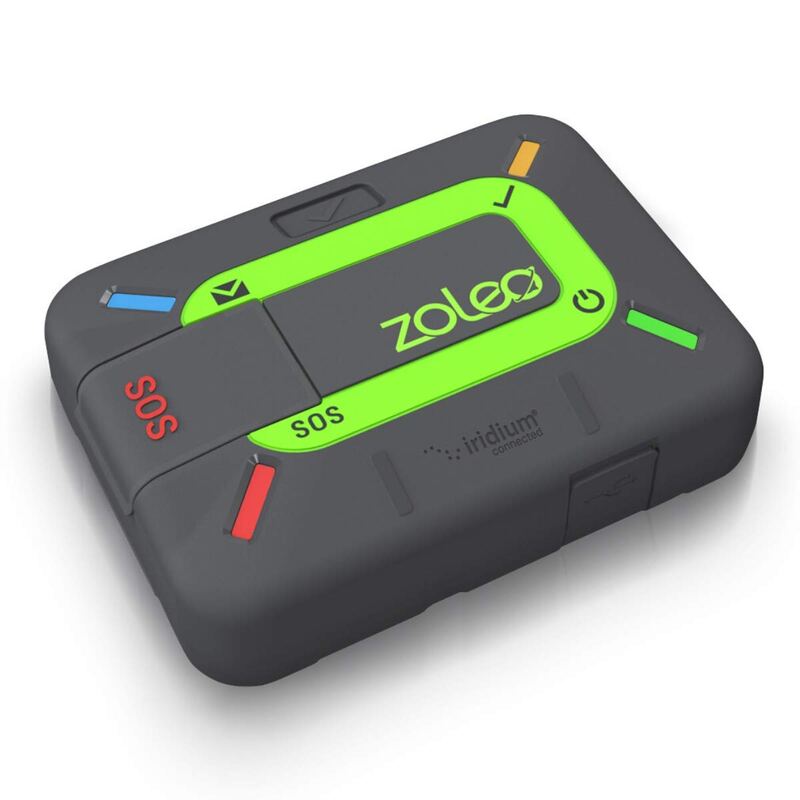
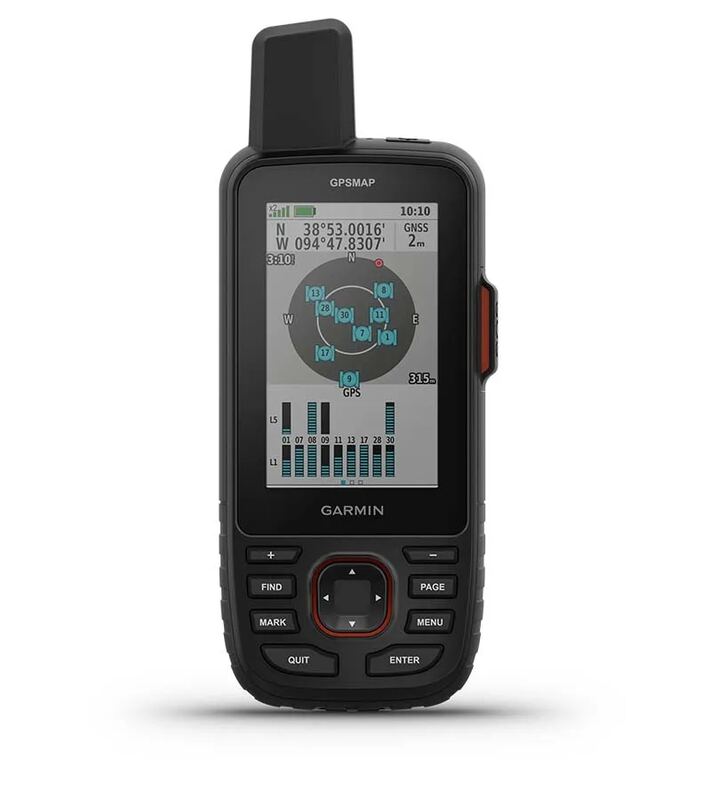
The Garmin inReach Mini 3 Plus has a 1.9-inch color touchscreen for composing messages on the device, unlike the button-only Garmin GPSMAP 67i. At 4.4 oz it is lighter than the 5.3 oz Zoleo Satellite Communicator, which has no screen.
Rating sources
Counts as 4.66/5 in our score — this publisher's 149 scores on the site average 3.69, so its scores are adjusted up to compare fairly with other publishers.
“If you can invest the extra money in the Mini 3 Plus, the touchscreen makes it easier to use and the voice messages, although expensive, are a game changer for texting.”
“The Garmin inReach Mini 3 Plus is the freshest, most innovative, feature-loaded, handheld GPS device available today.”
Our 4.7 score is the average of the 1 scored review above, each adjusted for how strictly its publisher scores; 6 more reviewed it without printing a score and are not in the average. More about methodology.