The TP-Link Deco BE63 is one of the cheaper ways into Wi-Fi 7 mesh networking, with tri-band support and strong coverage across a large home. PCMag's John R. Delaney rated its whole-home performance highly, and Tom's Hardware called out the value it offers among budget-friendly Wi-Fi 7 routers. Reviewers did flag Ethernet port limitations and fussy mesh node placement, both of which matter more to advanced users. Homeowners who want reliable Wi-Fi 7 performance without premium pricing are the fit; anyone needing maximum networking flexibility should look at higher-end kits.
Full review
Hardware and Specifications
The TP-Link Deco BE63 represents a significant step up in mesh networking hardware, delivering tri-band Wi-Fi 7 with a BE10000 aggregate speed rating. The device features four 2.5 GbE auto-sensing ports per node, a marked improvement over typical mesh systems that offer only one or two such ports. PCMag's John R. Delaney noted that this configuration allows for more flexible wired network setups, enabling users to feed a multi-gig WAN, connect switches, or wire satellite devices without running out of fast ports. Each node also includes a single USB 3.0 port and supports both wired and wireless backhaul options. The system's 320 MHz channels on the 6 GHz band, as highlighted by Tom's Hardware, provide double the bandwidth and support more simultaneous transmissions, contributing to its high throughput potential.
Data Wire Solutions verified the BE63's specifications, confirming it operates with 5,188 Mbps on 6 GHz, 4,324 Mbps on 5 GHz, and 574 Mbps on 2.4 GHz, totaling the BE10000 rating. The system uses a 1.5 GHz quad-core processor with 1 GB RAM and 128 MB flash storage, which BroadbandNow's Hanna Shemke found sufficient for handling typical home networking tasks. The nodes measure 4.23 x 4.23 x 6.93 inches, making them compact enough for placement on shelves or consoles. However, the lack of PoE support means each node requires a standard wall outlet, which may limit installation options in certain environments. The warranty is straightforward, offering a standard 2-year limited warranty, consistent with industry norms for this class of product.
2.4GHz band remains the throughput bottleneck
In practical testing, the TP-Link Deco BE63 demonstrates its capability to deliver on its high-end promises, though performance varies based on environmental conditions and network load. The system's multi-link operation (MLO) and support for 320 MHz channels contribute to reduced latency and improved reliability, particularly under heavy usage conditions. BroadbandNow's review noted that while the BE63's performance is strong, it doesn't necessarily translate to a noticeable advantage over lower-tier systems in light usage scenarios. The system's tri-band architecture allows for better handling of concurrent devices, with each band contributing to overall throughput, though the 2.4 GHz band remains the bottleneck in many setups.
Tom's Hardware conducted extensive testing and found that the BE63's performance under load was impressive, especially in multi-gigabit environments. The system's ability to maintain consistent speeds across multiple devices was particularly evident during peak usage times. However, the review also highlighted that performance can degrade when using wireless backhaul in environments with significant interference or physical obstructions. The BE63's support for mixed wired and wireless backhaul helps mitigate these issues, but it's not a complete solution. The system's performance under real-world conditions, as tested by PCMag's John R. Delaney, was generally positive, though he noted that the initial setup process could be more intuitive for less experienced users.
Design and Setup
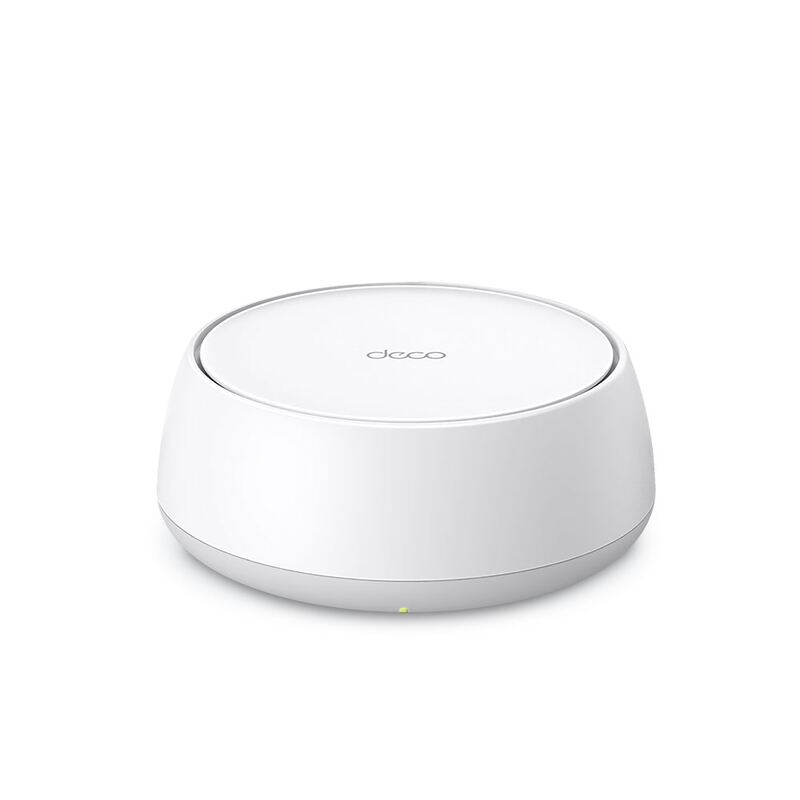
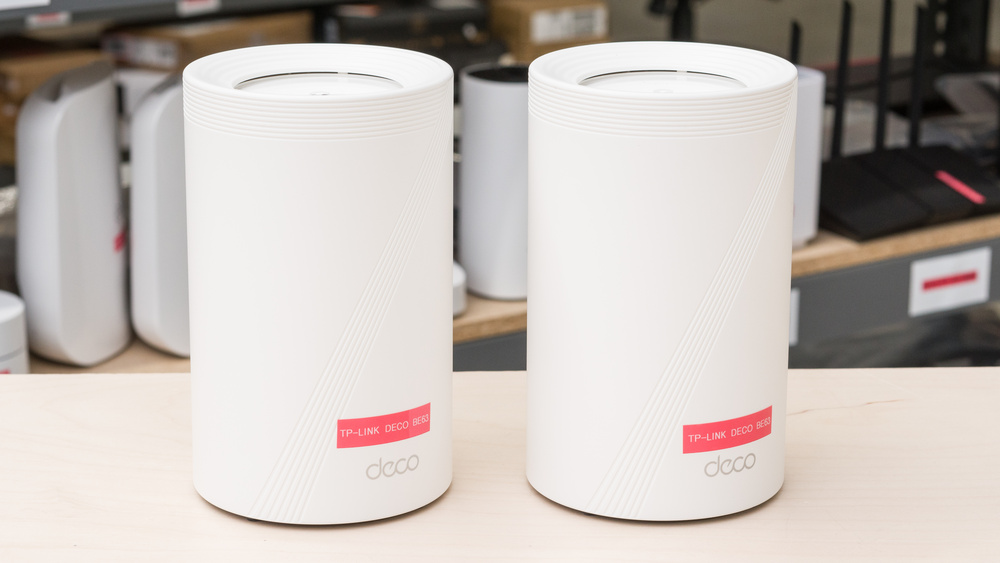
The Deco BE63's design is both aesthetically pleasing and functional, with a clean all-white finish that blends well into modern home decor. BroadbandNow's review emphasized the system's sleek appearance, noting that it looks more like a smart speaker than traditional networking gear. The nodes are compact, measuring 4.23 x 4.23 x 6.93 inches, making them suitable for placement on shelves or consoles without drawing attention. The LCD display on each node provides useful status information noted that the display is bright enough to be easily visible in various lighting conditions. However, the system's setup process, as described by BroadbandNow, can be somewhat cumbersome, particularly for users unfamiliar with mesh networking. The initial connection and configuration steps are more complex than those of some competing systems, though the app-based interface is generally straightforward once the initial hurdles are overcome.
PCMag's John R. Delaney found the setup process to be manageable but not without its quirks. The app interface, while clean, lacks some of the intuitive features found in more premium systems. The initial connection phase, as noted by BroadbandNow, can be a bit frustrating, especially when dealing with older devices or complex home networks. The system does support AI-driven mesh functionality, which helps in automatically optimizing the network for better performance and coverage. However, the setup wizard could benefit from more guidance, particularly for users who are not technically inclined. The app-based management system, while functional, is not as polished as some of the more advanced mesh systems on the market.
Value and Pricing
The TP-Link Deco BE63 is priced competitively within the Wi-Fi 7 mesh category, with Data Wire Solutions reporting the 3-pack at $360.00 on TP-Link's official store as of March 14, 2026. This pricing reflects the system's value proposition, which includes four 2.5 GbE ports per node, a feature that sets it apart from many budget competitors. BroadbandNow noted the system's $449.99 Amazon price for a 3-pack, which is slightly higher than the direct store price but still represents a strong value for the features offered. The system's multi-gig wired capabilities and tri-band Wi-Fi 7 support justify the premium price, particularly for users with high-speed internet plans or those requiring robust wired network infrastructure. However, for smaller homes or lighter usage, a less expensive Wi-Fi 6E system might be more cost-effective.
Data Wire Solutions emphasized that while the BE63 is not the cheapest option, it offers a compelling balance of features and performance. The system's ability to handle multi-gigabit internet plans and provide extensive wired connectivity makes it a strong choice for users who need more than what typical mesh systems offer. The pricing, while not the lowest in the market, is justified by the inclusion of four 2.5 GbE ports and the system's robust feature set. However, third-party retailers often list the 3-pack at closer to the low-$400s, which can make the system appear more expensive than it actually is. The system's value proposition becomes clearer when considering its performance under load and its support for future-proofing home networks.
No PoE support limits installation options
Despite its many strengths, the TP-Link Deco BE63 is not without its shortcomings. One of the most significant issues, as noted by BroadbandNow, is the complexity of the initial setup process. The app-based configuration can be confusing for users unfamiliar with mesh networking, and the system's lack of intuitive guidance can lead to frustration. Additionally, the system's performance under wireless backhaul conditions can be inconsistent, particularly in environments with interference or physical obstructions. Tom's Hardware reported that the BE63's wireless backhaul performance is less reliable than its wired counterparts, which can impact overall network stability in certain scenarios.
PCMag's John R. Delaney also pointed out that while the system's performance is generally strong, it doesn't necessarily offer a significant advantage over lower-tier systems in light usage scenarios. The system's advanced features, such as MLO and 320 MHz channels, are beneficial but may not be fully utilized by typical users. The lack of PoE support, as highlighted by Data Wire Solutions, is another limitation that restricts installation options. The system's 2-year warranty, while standard, is less generous than some competitors who offer extended coverage.
Four 2.5 GbE ports on every node
The TP-Link Deco BE63 is best suited for users with high-speed internet plans, typically 1 Gbps to 2.5 Gbps, who require robust wired network infrastructure and future-proofing capabilities. Data Wire Solutions identified it as a strong choice for homes that want multi-gig wired flexibility without the premium pricing of systems like the BE85. The system's four 2.5 GbE ports per node make it ideal for users who need to connect multiple high-demand devices or who plan to use the network for gaming, streaming, or other bandwidth-intensive activities. BroadbandNow's review emphasized that the BE63 is particularly appealing to gamers and streamers who demand low latency and high throughput. The system's tri-band Wi-Fi 7 support and 320 MHz channels ensure that users can take full advantage of the latest networking standards.
However, the system may not be the best fit for smaller homes or users with lighter network needs. For those scenarios, a less expensive Wi-Fi 6E system might provide sufficient performance at a lower cost. The BE63's advanced features and performance come at a premium price, and users who don't require multi-gigabit wired connectivity or the latest Wi-Fi 7 features may find it overkill. The system's complexity and the need for a standard wall outlet for each node also make it less suitable for installations where PoE access points or more flexible placement options are preferred. Users who prioritize ease of setup and simpler configuration should consider alternatives that offer more intuitive interfaces.
BE85 offers 10Gbps ports this one lacks
When compared to other mesh systems, the TP-Link Deco BE63 stands out for its wired connectivity options and support for multi-gigabit internet plans. The BE63's four 2.5 GbE ports per node are a significant advantage over competitors that offer only one or two such ports. The system's tri-band Wi-Fi 7 support and 320 MHz channels also position it favorably against Wi-Fi 6E systems, which lack the latest bandwidth and channel width improvements. However, the system's performance under wireless backhaul is less consistent compared to some premium alternatives, such as the ASUS RT-BE92U or the eero Max 7, which offer more robust wireless backhaul capabilities.
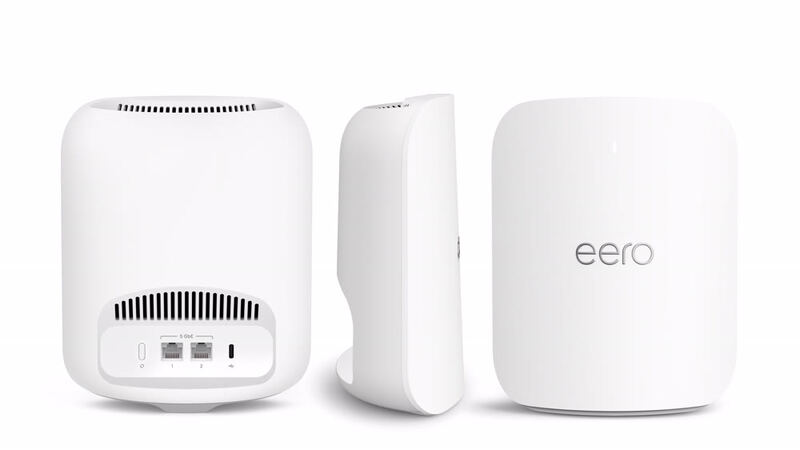
Data Wire Solutions compared the BE63 to the BE85 and eero Max 7, noting that while the BE63 offers more wired flexibility, the BE85 provides better wired edge capacity with 10Gbps ports. The eero Max 7, on the other hand, offers a more user-friendly setup process and better integration with smart home ecosystems, though it lacks the extensive wired connectivity of the BE63. PCMag's John R. Delaney found that while the BE63's performance is strong, it doesn't necessarily outperform premium systems in all scenarios. The BE63's value proposition lies in its combination of features and performance, but it's not necessarily the best choice for every user. The system's price point, while competitive, is still higher than many budget alternatives, making it less appealing for users who don't need its advanced features.
Strengths
- +Supports Wi-Fi 7 standard for future-proof connectivity
- +Tri-band design provides dedicated channels for different types of traffic
- +Affordable pricing compared to other Wi-Fi 7 mesh systems
- +Strong performance in large home coverage scenarios
Watch-outs
- −Limited Ethernet port configuration compared to competitors
- −Mesh node placement may require careful planning for optimal performance
How it compares
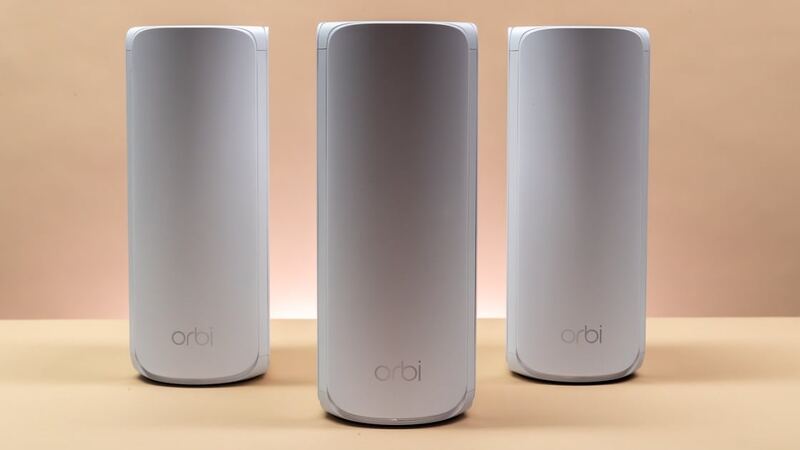
The TP-Link Deco BE63 offers the most affordable entry into Wi-Fi 7 mesh networking, but it lacks the Ethernet port flexibility of the Asus ZenWifi BQ16 Pro and doesn't match the setup ease of the eero Pro 7. It's less reliable than the NETGEAR Orbi 770 in maintaining consistent speeds and doesn't provide the same performance as the Eero 7 in demanding scenarios.
Rating sources
Our 4.5 score is the average of these published ratings. More about methodology.