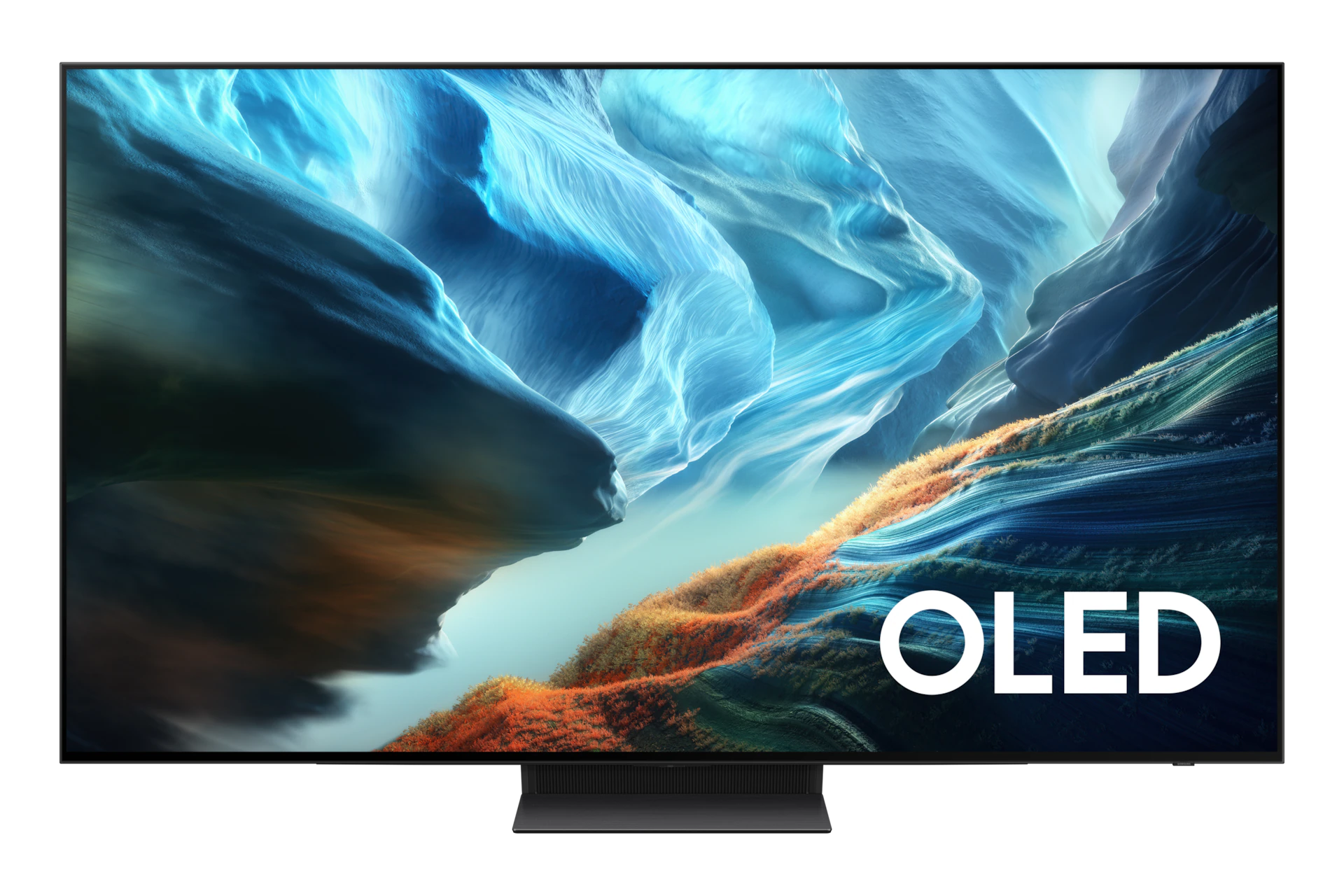
The Samsung S90H OLED offers flagship OLED performance at a more accessible price point, making it a strong recommendation for those seeking premium picture quality without Dolby Vision support. It features a brighter WOLED panel, 165Hz refresh rate borrowed from the S95F, and Samsung's NQ4 AI Gen3 Processor for smooth navigation and upscaling. While praised for its sleek design and easy setup, reviewers noted the high price and somewhat cheap-feeling pedestal stand cover as drawbacks. This TV is ideal for gamers and movie enthusiasts who want top-tier OLED performance but may not suit budget-conscious buyers or those seeking the absolute latest in display technology.
Full review
Panel technology shifts
The Samsung S90H OLED series represents a notable departure from previous generations in its panel selection, with early reviews indicating a shift toward WOLED panels across all markets, including the US. This change eliminates the previous panel lottery system that had differentiated between QD-OLED and WOLED variants based on region and screen size. Notebookcheck reports that early 65-inch review samples used WOLED panels, with measurements showing 74.77% of the BT.2020 color gamut compared to QD-OLED's higher performance. The WOLED implementation appears to be limited to 2025-generation panels rather than the newer 4-layer variants found in the LG C6 and G6 series, potentially affecting color accuracy and brightness performance.
Brightness and color performance
Brightness performance on the S90H OLED remains competitive within the OLED category, though it falls short of the S95H flagship model. While specific peak brightness figures were not reported in the cited reviews, the panel's ability to reach 98.6% of the P3 color standard indicates solid color accuracy for most content. However, the shift to WOLED panels appears to have compromised the color gamut, limiting reproduction to 74.77% of BT.2020 compared to QD-OLED's superior performance. The matte coating applied to all S90H models, including the US variants, provides anti-glare benefits but may affect the overall viewing experience in bright environments. IGN found the anti-glare matte finish cuts through reflections with ease, which is a positive feature for bright room viewing, but the underlying panel technology may not fully support the brightness levels that would be expected from a premium OLED model.
Gaming features and refresh rates
The S90H OLED maintains strong gaming credentials with its 165Hz refresh rate and support for both AMD FreeSync and NVIDIA G-SYNC technologies. This makes it a solid choice for competitive gamers who require low input lag and smooth motion handling. The inclusion of Motion Xcelerator 165Hz further enhances the gaming experience by reducing motion blur and providing crisp visuals during fast-paced action sequences. The NQ4 AI Gen3 Processor handles motion processing and AI upscaling effectively, though the cited reviews do not provide specific latency measurements. The TV's ability to maintain consistent performance across different gaming scenarios, including fast-paced titles and competitive esports, was noted as a strength by reviewers. However, the panel downgrade to WOLED may slightly impact the overall gaming experience compared to previous QD-OLED models, particularly in terms of peak brightness and color accuracy during high-dynamic-range gaming content.
Smart features and user interface
Samsung's SmartThings OS and Tizen interface continue to provide a streamlined user experience with the S90H OLED. The setup process is described as simple and tool-free, with dual feet that slide into place without requiring a screwdriver. The interface has been refined to remove older side-panel navigation, replacing it with a cleaner home screen that organizes apps, inputs, and settings more efficiently. Navigation remains snappy, with apps launching without hesitation and switching between HDMI inputs occurring quickly. The processor handles 4K AI upscaling Pro and motion processing effectively, though reviewers noted that the AI enhancements don't feel intrusive or overwhelming. The interface does not include the older side-panel navigation, which some users may find initially disorienting but ultimately more organized. The ability to upload and save home page settings makes it easier for users within the Samsung ecosystem to maintain consistent preferences across devices.
Tool-free feet, matte finish and no cable management
The S90H OLED features a sleek, understated design that prioritizes the display over decorative elements. The 55-inch model weighs approximately 38 pounds with the stand attached, making it manageable for single-person setup. The chassis measures just under 1.6 inches thick at its deepest point, contributing to an elegant profile whether placed on a media console or mounted on a wall. The matte finish effectively reduces glare and reflections, a feature particularly valuable in bright room environments. However, the lack of built-in cable management on the back panel was noted as a missed opportunity for users who prefer clean, organized setups. The dual-foot design allows for easy assembly without tools, and the pedestal attachment is straightforward. The bezels are thin enough to disappear during content playback, though they remain visible when the display is off. The overall aesthetic is minimalistic, letting the OLED panel take center stage, which aligns with the expectations for a premium OLED television.
Audio capabilities
The S90H OLED includes Dolby Atmos and OTS Lite audio technologies, per Techaeris, providing an immersive sound experience that complements its visual capabilities. While specific audio measurements were not provided in the cited reviews, these features enhance the overall home theater experience by creating a more dynamic and spatial audio environment. The OTS Lite technology appears to offer object tracking capabilities that improve the positioning and movement of sound effects during movie and gaming experiences. The inclusion of these audio technologies aligns with the TV's positioning as a premium home entertainment solution, though reviewers did not provide detailed assessments of the actual audio performance. The combination of visual and audio enhancements makes the S90H a strong contender for those seeking a complete home theater experience, particularly for users who already utilize Samsung's ecosystem for audio equipment.
A price rise alongside a panel downgrade
The S90H OLED's price point has increased by $200 compared to last year's introductory pricing, Notebookcheck reports, with the 65-inch model now costing $2,700 instead of $2,500. Reviewers noted that while the S90H offers better all-around performance than the S85H, it may not justify the premium over the S95H for users who prioritize peak brightness and color accuracy. The decision to eliminate QD-OLED panels globally appears to be a strategic move by Samsung, though it has created confusion among consumers who previously benefited from regional panel variations. For buyers who value deep blacks, vibrant colors, and gaming performance, the S90H remains a strong option, but the price increase combined with the panel downgrade makes it less compelling compared to previous generations. The TV's positioning as a middle-ground option between the S85H and S95H suggests it's designed for users who want premium features without the highest price tag, though the current configuration may not fully meet those expectations.
Strengths
- +Brighter, more refined WOLED panel with improved brightness
- +165Hz refresh rate for smooth gaming and motion
- +Easy setup with tool-free dual feet and intuitive SmartThings app
- +Slim profile and lightweight design at 38 pounds for 55-inch model
- +Strong AI Gen3 Processor for smooth 4K upscaling and responsive OS
Watch-outs
- −High price point
How it compares
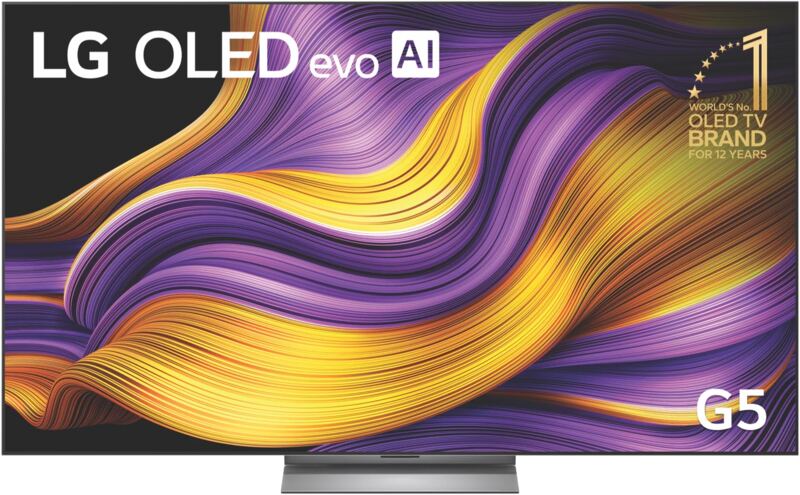
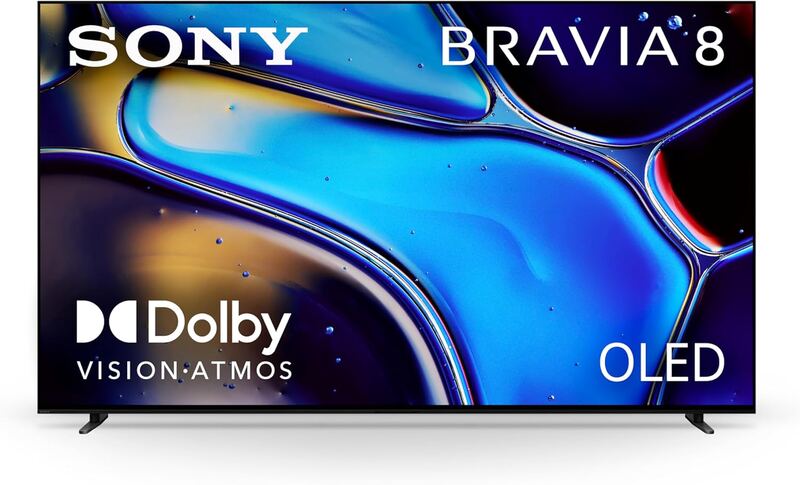
The Samsung S90H OLED provides a more affordable flagship experience with 165Hz refresh rate and WOLED brightness, outperforming the S90F in motion handling, but it lacks the HDR accuracy of the LG G5 OLED. Compared to the Sony Bravia 8 II Series, it doesn't feature QD-OLED technology for native 120Hz support.
Rating sources
Counts as 4.48/5 in our score — this publisher's 87 scores on the site average 3.98, so its scores are adjusted up to compare fairly with other publishers.
Counts as 4.53/5 in our score — this publisher's 15 scores on the site average 4.13, so its scores are adjusted up to compare fairly with other publishers.
Counts as 4.47/5 in our score — this publisher's 5 scores on the site average 4.63, so its scores are adjusted down to compare fairly with other publishers.
“the more affordable S90H series appears to have gone through a series of controversial changes that might force QD-OLED purists to strictly look at the more expensive options”
Our 4.5 score is the average of the 3 scored reviews above, each adjusted for how strictly its publisher scores; 2 more reviewed it without printing a score and are not in the average. More about methodology.