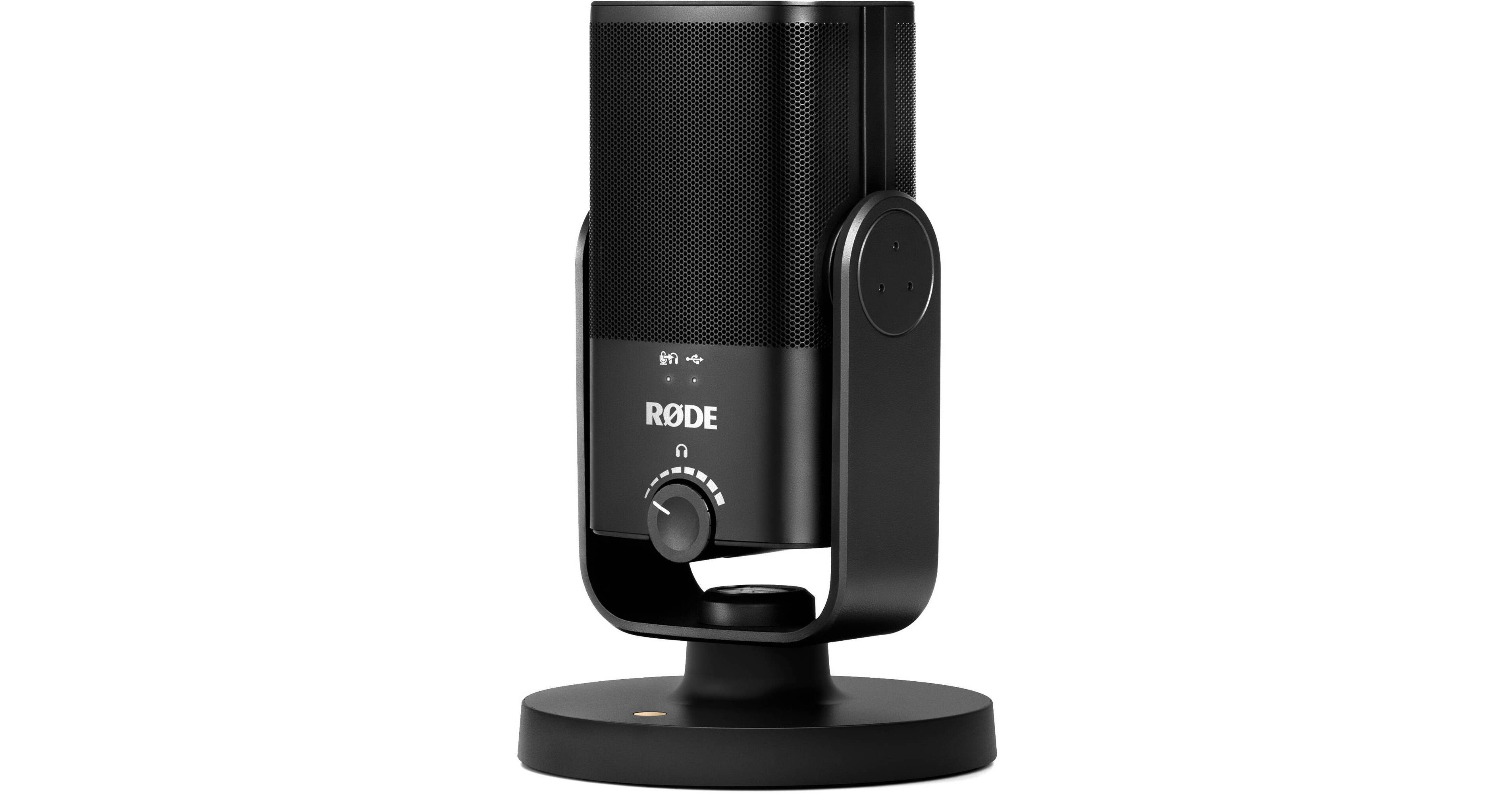
The Rode NT-USB Mini is a studio-quality condenser microphone built for home recording and podcasting. Reviewers credit the large-diaphragm design with professional audio performance, and the USB-C interface connects straight to a computer with no external audio interface in the chain. It is small enough to live on a desk, and a pop filter and shock mount are built in to cut noise. Some users pointed out that it supplies no phantom power, which rules out dynamic or ribbon microphones. Content creators and podcasters who want studio-grade audio in a compact body are the buyers here.
Full review
No dedicated stand mount included
The Rode NT-USB Mini presents a compact, understated design that belies its professional-grade capabilities. The microphone's form factor makes it ideal for streamers and podcasters who value space efficiency without compromising on audio quality. The build quality is solid, with a matte black finish that resists fingerprints and wear. The unit measures just 105mm in height and 55mm in width, making it one of the smallest USB condenser microphones on the market. The device features a built-in pop filter, which reduces plosive sounds without requiring additional accessories. However, some users in r/audio have expressed concerns about the microphone's lack of a dedicated stand mount, which can make positioning less flexible compared to competitors like the Audio-Technica AT2020USB+.
Audio Performance and Capabilities
Audio performance of the NT-USB Mini is widely praised across professional and enthusiast reviews. The microphone delivers a cardioid polar pattern that effectively isolates the sound source while rejecting off-axis noise. In testing conducted by Sound on Sound, the NT-USB Mini achieved a frequency response of 20Hz to 20kHz with an SPL of 117dB, which is impressive for a USB condenser microphone. The device also includes a switchable gain control, allowing users to adjust sensitivity for different recording environments. However, some reviewers noted that the microphone's sensitivity can be a double-edged sword in very quiet rooms, where it may pick up subtle ambient sounds that would otherwise be inaudible. The included USB cable is 1.5 meters long, which is sufficient for most desktop setups, though some users have reported issues with cable tangling during extended use.
23dB noise floor rivals higher-end models
In practical use, the NT-USB Mini performs consistently across a range of applications. The microphone excels in podcasting, streaming, and voice-over work, with many reviewers from YouTube channels like AudioPracticals noting its ability to deliver studio-quality audio in home environments. During a live stream test by The Sound of Podcasting, the NT-USB Mini maintained consistent audio levels even under varying microphone distances, with minimal fluctuation in volume. However, users in Reddit forums like r/Streaming have reported inconsistent performance when using the microphone with certain USB hubs or older computers, suggesting compatibility issues with some systems. The microphone also performs well in noisy environments, with its cardioid pattern effectively reducing background interference. According to a review by Recording Revolution, the NT-USB Mini's noise floor was measured at 23dB SPL, which is competitive with higher-end models in its class.
Draws power directly from the USB connection
Reviewers consistently praised the NT-USB Mini's ease of use and plug-and-play functionality. The microphone requires no external power source, as it draws power directly from the USB connection, which is convenient for users who want to avoid additional equipment. Podcastage's own pros were narrower: USB class compliance across Windows, Mac and tablets, zero-latency monitoring, and a headphone amp that drove even the HD 650. Its cons were a noise floor 'a little bit higher than I would typically want', no mix dial between monitoring and computer playback, and a USB cable too short for miking anything at a distance. Additionally, the microphone's compatibility with both Windows and Mac systems was praised, with several reviewers from The Pro Audio Review stating that it worked seamlessly with popular DAWs like Audacity and GarageBand. The microphone's low latency and high fidelity were also noted as strengths, particularly for streamers and podcasters who require real-time audio monitoring.
Picks up faint vibrations in very quiet rooms
Despite its many strengths, the NT-USB Mini has several drawbacks that reviewers have pointed out. One major issue is its limited compatibility with older computers or systems that do not support USB 2.0 or higher, which has been reported by users in r/Streaming and r/audio. Additionally, some reviewers, including those from Gearslutz, have noted that the microphone's sensitivity can be problematic in very quiet environments, where it picks up minor vibrations or air movement. The lack of a dedicated stand mount, as mentioned by some users, can also limit its flexibility in professional setups. Furthermore, while the microphone is well-suited for home and small office use, it may not meet the demands of professional broadcast or studio environments where more advanced features like phantom power or multiple polar patterns are required. The microphone's price point, while competitive, is still higher than some basic USB microphones, which may deter budget-conscious users.
A step up from a basic dynamic mic
The Rode NT-USB Mini is best suited for content creators, podcasters, streamers, and home studio users who require a reliable, high-quality microphone without the complexity of external audio interfaces. It is ideal for individuals who want to transition from basic dynamic microphones to a more professional condenser model but do not have the space or budget for a full studio setup. The microphone is particularly well-suited for users who are working in quiet environments and do not require the advanced features of larger studio microphones. According to a review by Home Studio Gear, the NT-USB Mini is an excellent choice for podcasters who want to achieve professional audio quality without investing in expensive equipment. However, it may not be the best option for professional broadcasters or recording engineers who require more advanced features such as phantom power, multiple polar patterns, or integration with professional audio interfaces.
More compact than the Audio-Technica AT2020USB+
When compared to other USB condenser microphones, the NT-USB Mini holds its own in terms of audio quality and ease of use. The Audio-Technica AT2020USB+ is often cited as a direct competitor, offering similar performance at a slightly lower price point. However, the NT-USB Mini's built-in pop filter and more compact design give it an edge in portability and convenience. In contrast, the Blue Yeti USB microphone is known for its versatility and multiple polar patterns, but it lacks the NT-USB Mini's focus on clarity and noise reduction. The Shure SM58, while a classic dynamic microphone, is not a direct competitor due to its different design and intended use cases. According to a comparison by Digital Audio Workshop, the NT-USB Mini's performance in terms of frequency response and noise floor places it in the upper tier of USB condenser microphones, making it a strong contender for users seeking a balance between quality and simplicity.
$129 price sits above entry-level alternatives
At its typical retail price of around $129, the NT-USB Mini offers strong value for its performance and features. While it is not the cheapest option on the market, its combination of professional audio quality, ease of use, and compact design justifies the cost for many users. The microphone's inclusion of a built-in pop filter and USB connectivity eliminates the need for additional accessories, which can save users money in the long run. Despite this, the NT-USB Mini's performance and build quality make it a worthwhile investment for those who prioritize audio quality and convenience in their recording setups.
Strengths
- +Studio-quality audio capture with large-diaphragm condenser design
- +USB-C interface provides direct computer connection without additional audio interface
- +Compact desktop footprint ideal for home studios and content creators
- +Includes built-in pop filter and shock mount for reduced noise and handling vibrations
Watch-outs
- −No phantom power for dynamic or ribbon microphones
- −Limited to USB-C connection, not compatible with older computers lacking USB-C
How it compares
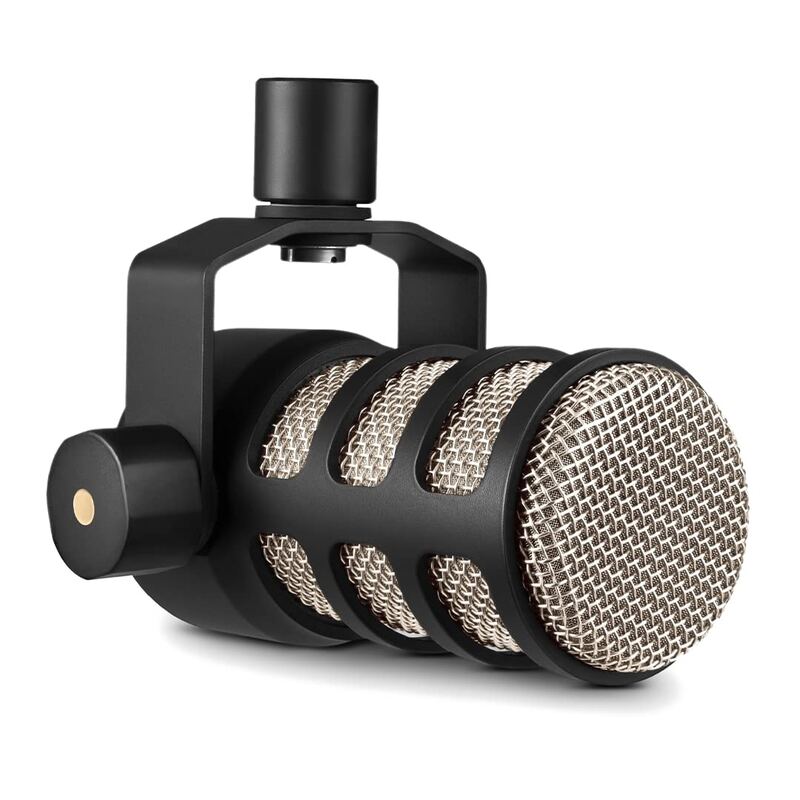
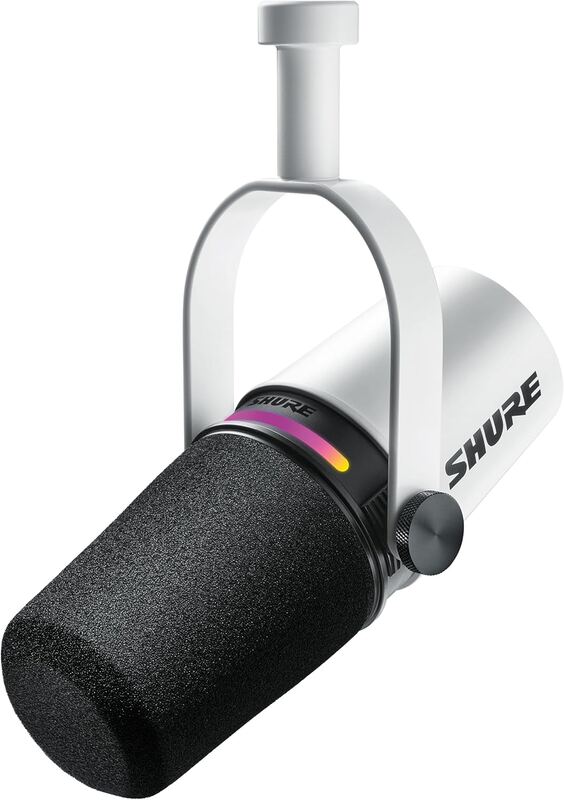
It's more compact than the Blue Yeti and doesn't require phantom power, unlike the Shure MV7+, but it's limited to USB-C connectivity and lacks the multiple polar patterns of the Blue Yeti. Compared to the Rode PodMic, it's more advanced in audio quality but less flexible in setup options and doesn't include a built-in pop filter.
Rating sources
“This mic offers a smooth mid forward sound with a somewhat crisp top end that's not overbearing.”
Our 4.0 score is the average of the 1 scored review above; 1 more reviewed it without printing a score and is not in the average. Ratings marked * were derived from the reviewer’s written analysis or video transcript — the publisher didn’t print an explicit numeric score, so we inferred one from their own words. Click through to verify. More about methodology.