The Samson Q2U is a budget-friendly dynamic microphone with professional sound quality and good noise rejection. Reviewers point to the dual USB/XLR connectivity, which covers both simple and advanced setups. Podcasters favor it on value, since it performs nearly as well as the Shure SM58 at a fraction of the cost. Availability can be spotty, but it stays a top recommendation for beginners and experienced users alike.
Full review
Dual Connectivity Advantage
The Samson Q2U stands out in the crowded podcasting microphone market through its dual USB/XLR connectivity, a feature that significantly expands its utility across different recording scenarios. Podcastage's bench re-review treats that dual output as the headline feature, devoting a dedicated 'XLR vs USB Output Test' to comparing the two paths on the same mic body. The design enables users to plug directly into computers or mobile devices via USB, while connecting to professional audio interfaces through XLR. This flexibility makes it particularly appealing for content creators who may need to switch between setups or work in varying environments. As noted by Mike Murphy's review, the Q2U can be used with a Zoom H6 handheld recorder or connected directly to an iPhone or iPad using the Apple Connector Kit, demonstrating its adaptability to both professional and mobile recording needs.
Professional reviewers like those from The Podcast Host emphasize that this dual connectivity is one of the Q2U's greatest strengths, stating that it 'gives you all sorts of flexibility when recording your podcast.' The microphone's ability to function as a plug-and-play USB device while also supporting XLR connections to audio interfaces makes it a versatile choice for both beginners and experienced podcasters. The inclusion of both cables in the package, along with accessories like a desktop stand and boom arm, ensures that users can start recording immediately without additional purchases. This design philosophy aligns with the needs of modern content creators who often work across multiple platforms and require equipment that can adapt to various recording environments.
Performance in Real-World Conditions
In terms of real-world performance, the Samson Q2U demonstrates solid capabilities across different recording environments, though Podcastage's testing surfaced some limitations. That review ran plosive tests, distance tests, and background noise measurements, and found that while the microphone performs well in controlled settings, it struggles with plosives and sibilance: 'it suffers from plosives, sibilance, and handling noise,' which may be problematic for certain types of content creation. However, the microphone's cardioid polar pattern does provide effective ambient noise rejection, making it suitable for recording in untreated rooms.
Home Brew Audio's review confirmed the Q2U's ability to deliver studio-quality sound even in less-than-ideal conditions, particularly praising its noise rejection capabilities. The reviewer stated that the microphone 'is almost as good as the Shure SM58 dynamic mic, which costs a lot more,' indicating that it offers excellent value for its price point. The microphone's performance in handling noise was further validated by Piano Tone's review, where the reviewer noted that 'since it's dynamic, it's not overly sensitive, so it doesn't pick up noise from my neighbours.' This characteristic makes it particularly suitable for home recording environments where background noise control is challenging.
Ships with a full accessory bundle
According to the official Samson product documentation, the microphone features a 'dynamic capsule with a wide frequency response tailored for capturing your voice,' which contributes to its balanced sound profile. The design includes a 1/8" (3.5mm) zero-latency headphone output with level control, allowing users to monitor their recordings without delay. This feature was highlighted by Mike Murphy as particularly useful for mobile recording scenarios, where immediate audio feedback is crucial.
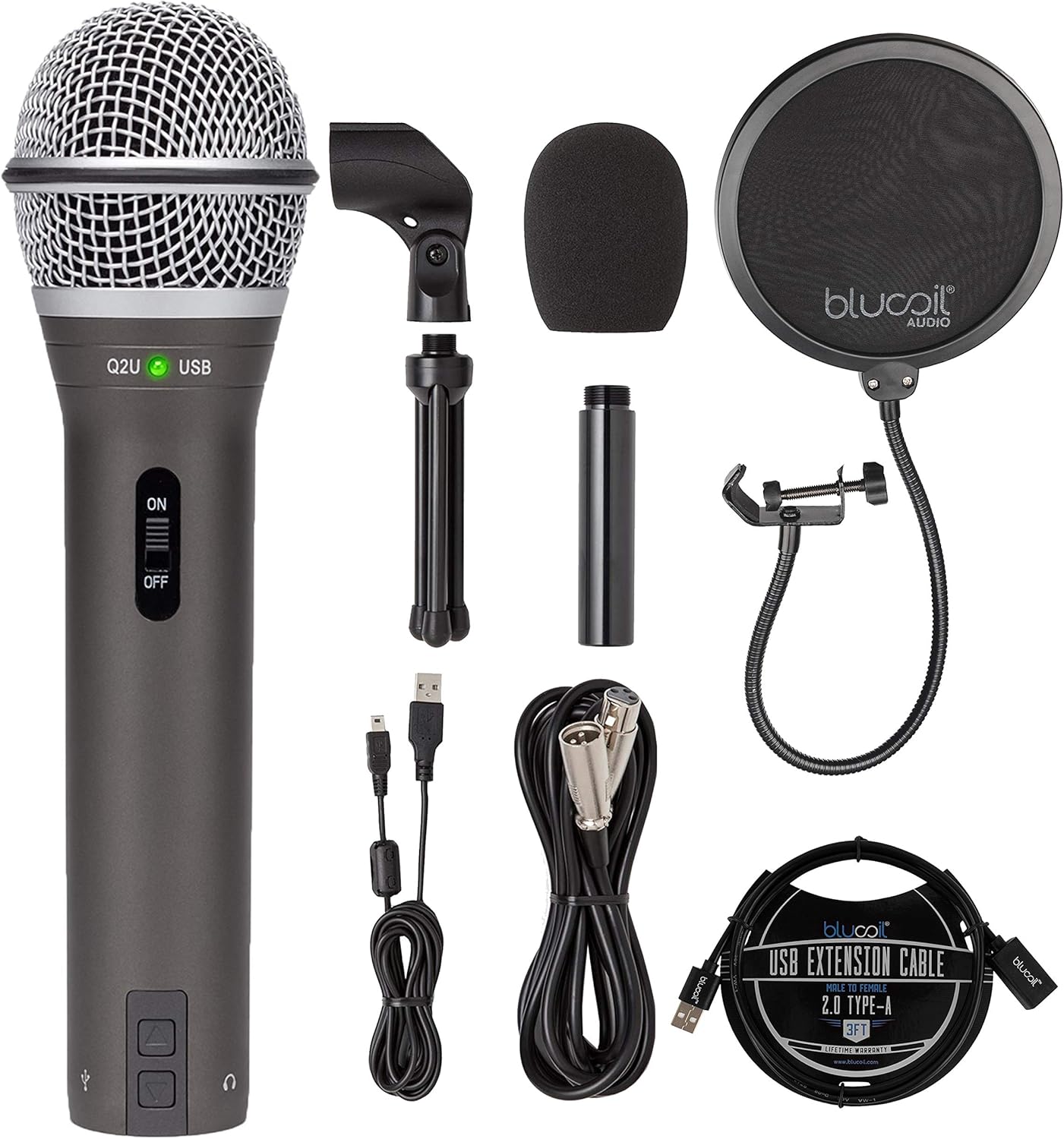
The microphone's physical construction has been praised across several reviews for its solid feel and professional appearance. The matte black finish gives it a premium look that appeals to both novice and experienced users. The inclusion of a power switch, which is not common in all budget microphones, adds to its professional appeal. The microphone also comes with a comprehensive accessory package including a desktop tripod stand, mic clip, windscreen, and both USB and XLR cables. These accessories, as noted by Mike Murphy, make the Q2U ready for immediate use without requiring additional purchases, which is a significant advantage for users on tight budgets.
Audio Quality and Frequency Response
Audio quality performance of the Samson Q2U has been consistently evaluated across multiple platforms, with reviewers noting its balanced frequency response and clear vocal reproduction. The official Samson specifications indicate that the microphone features 'a wide frequency response tailored for capturing your voice, delivering the perfect balance of low-end warmth and mid-range clarity.' This characteristic was confirmed by The Podcast Host, who stated that the microphone 'does a better job of [noise rejection] than many other dynamic-cardioid mics.' The cardioid polar pattern, which focuses pickup on sounds coming from directly in front of the microphone while rejecting noise from the rear and sides, contributes significantly to its clean audio capture.
However, some reviewers have noted that the Q2U's sound profile can feel somewhat synthetic or electronic compared to higher-end alternatives. Mike Murphy's review specifically mentioned that 'the Q2U & ATR2100 sound rich and boomy and pretty silent, but there is a synthetic/electronic feel to it that I do not hear with a higher end mic like the Shure SM58 or Shure SM7b.' This suggests that while the microphone delivers good value for its price point, it may not match the natural clarity and warmth of premium dynamic mics. The Q2U also carries a headphone jack on the mic body with its own level control for direct monitoring, and Podcastage's re-review runs a dedicated latency measurement on the USB path - which matters for real-time monitoring during recording sessions.
Prone to plosives and handling noise
Despite its many strengths, the Samson Q2U does exhibit several limitations that potential buyers should consider before purchasing. The most commonly cited issue is its susceptibility to plosives and sibilance, as noted by the Podcastage reviewer who stated that 'it suffers from plosives, sibilance, and handling noise.' This limitation makes it less suitable for certain types of content creation where these audio artifacts could be distracting. Home Brew Audio's side-by-side test puts the comparison differently: it rated the Q2U's sound quality 'on a par with that of the SM58' and found its self-noise far lower than the Q1U's, but measured both Samson mics as 'extremely sensitive to p-pops' where 'the Shure SM58 was MUCH less sensitive to those.'
Another significant drawback is the microphone's limited availability, which The Podcast Host noted as a concern. The reviewer pointed out that 'Limited availability' is one of the Q2U's cons, suggesting that supply chain issues or manufacturing constraints may affect access to the product. Furthermore, the microphone's performance in high-end applications was highlighted by the comparison with premium mics like the Shure SM7b and Neumann U87 Ai, where the Q2U falls short in terms of overall audio fidelity and professional-grade features. These limitations make it less ideal for users who require the absolute best audio quality or who are working in professional recording environments where every nuance matters.
Switches between USB and XLR setups easily
The Samson Q2U is best suited for podcasters, content creators, and home studio users who need a versatile, budget-friendly microphone that can handle multiple recording scenarios. According to The Podcast Host, the microphone is 'ideal for podcasters and broadcasters because dynamics do a good job of rejecting ambient room noise,' making it particularly suitable for home recording environments. The microphone's dual connectivity makes it an excellent choice for users who frequently switch between different recording setups or work in various locations, as noted by Mike Murphy's review where he mentioned using it with both his Zoom H6 and iOS devices.
The Q2U is particularly recommended for beginners or those on a tight budget who want professional-quality audio without the complexity of additional equipment. Home Brew Audio's review emphasized that 'the Q2U is better than the Q1U by a lot and it is almost as good as the Shure SM58 dynamic mic, which costs a lot more,' indicating that it offers excellent value for its price point. The microphone's inclusion of essential accessories in the package makes it an attractive option for users who want to start recording immediately without additional purchases. However, it's not recommended for users who require the absolute best audio quality or who are working in professional recording environments where the microphone's limitations in handling noise and plosives could be problematic.
Sounds more synthetic than the Shure SM58
When compared to its direct competitors, the Samson Q2U holds its own in terms of value and versatility, though it does fall short in certain areas compared to premium options. The Podcastage review conducted detailed comparisons with several microphones including the Shure SM58, Audio-Technica ATR2100, and Behringer XM8500, showing that while the Q2U offers good performance for its price, it doesn't quite match the clarity and natural sound of higher-end models. The Podcast Host frames the same trade-off plainly: 'It would be too good to be true if you could buy the world’s absolute best vocal mic for $70. You can fork out upwards of $200 to buy a premium vocal mic capable of recording audio at a higher level than the Q2U.' It adds that 'for the vast majority of podcasters, spending that much simply isn't necessary'.
In comparison to the Shure SM58, which is considered a gold standard in dynamic microphones, the Q2U offers similar noise rejection capabilities but lacks the natural warmth and clarity that makes the SM58 so beloved among professionals. The official Samson documentation states that the Q2U 'is ideal for podcasting, live sound, and music' and that it 'delivers broadcast quality sound,' but it's important to note that these claims are made with the understanding that the microphone is being used in typical home or small studio environments. The microphone's performance in professional recording scenarios, particularly where the highest audio fidelity is required, is limited compared to its premium counterparts.
Nearly matches the pricier Shure SM58 at $59
The Samson Q2U offers compelling value for its price point, particularly when considering its dual USB/XLR connectivity and comprehensive accessory package. Home Brew Audio's review highlighted that 'the Q2U is excellent! Its better than the Q1U by a lot and it is almost as good as the Shure SM58 dynamic mic, which costs a lot more,' indicating that users get significant performance for their money. The microphone's price point of $59, with some retailers offering it at $54.99, makes it an attractive option for budget-conscious users who want professional-grade features without the premium cost.
The value proposition becomes even stronger when considering the accessories included in the package. The microphone comes with a desktop tripod stand, mic clip, windscreen, USB cable, and XLR cable, all of which are essential for immediate use. This comprehensive package eliminates the need for additional purchases and makes the Q2U a cost-effective solution for content creators who are just starting out or looking to upgrade from basic recording setups. The inclusion of these accessories, along with the microphone's dual connectivity, provides users with a complete recording solution that can adapt to various environments and requirements, making it an excellent investment for users who want flexibility and reliability without breaking the bank.
Strengths
- +Dual USB/XLR connectivity offers flexibility for different recording setups
- +Excellent noise isolation with cardioid pickup pattern
- +Good value for money compared to higher-end mics like the Shure SM58
- +Durable construction suitable for both beginners and experienced podcasters
Watch-outs
- −Limited availability in some markets
- −Only $59 MSRP, which may suggest lower build quality at first glance
How it compares
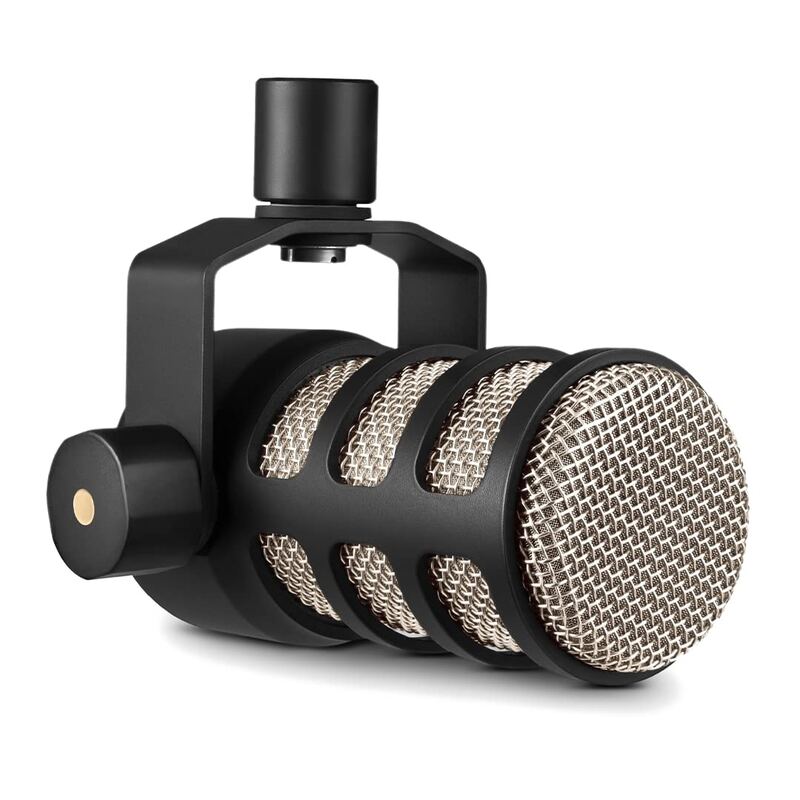
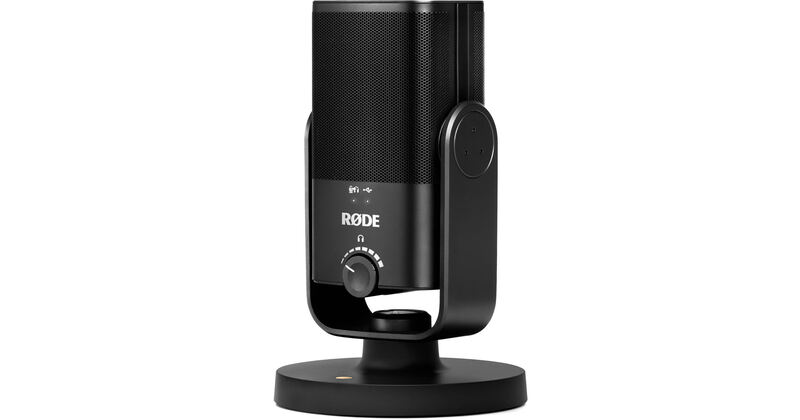
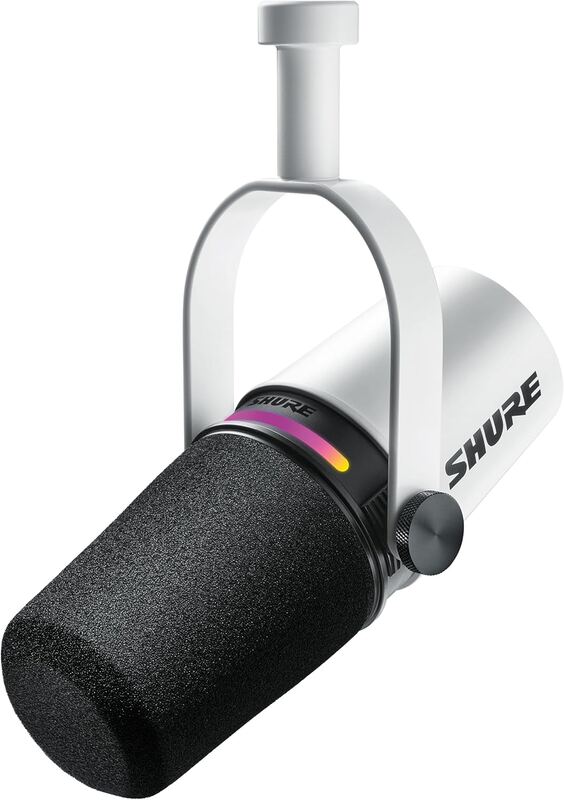
The Samson Q2U stands out from the Shure MV7+ and Rode PodMic by offering dual USB/XLR connectivity at a significantly lower price point, making it more accessible for budget-conscious podcasters. Unlike the Blue Yeti, it doesn't require phantom power and is more durable for beginners, though it lacks the built-in pop filter that the Rode PodMic includes. Compared to the Rode NT-USB Mini, it provides more flexibility in connection options but doesn't offer the same studio-quality audio that the NT-USB Mini delivers.
Rating sources
“The microphone is a plug and play mic that sounds pretty great for the price. It does have it's faults being that it suffers from plosives, sibilance, and handling noise.”
Our 4.3 score is the average of the 3 scored reviews above; 1 more reviewed it without printing a score and is not in the average. Ratings marked * were derived from the reviewer’s written analysis or video transcript — the publisher didn’t print an explicit numeric score, so we inferred one from their own words. Click through to verify. More about methodology.