Verdict
Head-to-head · Best Usb-c Microphones For Podcasting

Rode NT-USB Mini vs Rode PodMic

Which is the better buy? Side-by-side on rating, price, strengths, and watch-outs — with the published ratings we averaged to get there.

The short answer

Rode NT-USB Mini comes out ahead by a narrow margin (4.5 vs 4.2). The gap is mostly about home studio creators wanting compact studio-grade audio — read the strengths below before deciding.

Rode NT-USB Mini
Higher ratedRanked #1 in Best Usb-c Microphones For Podcasting
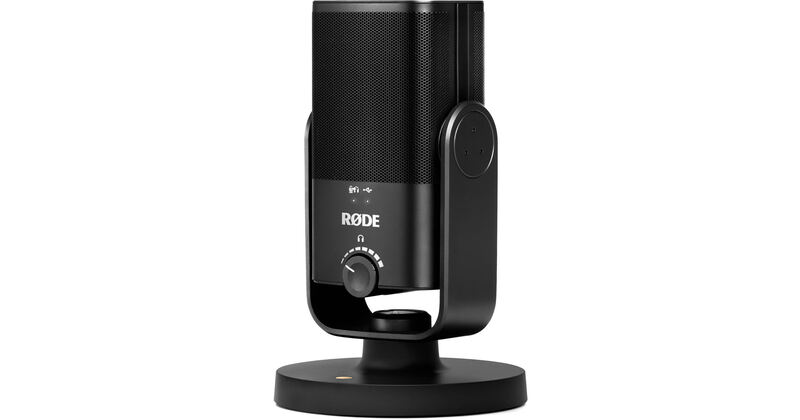
Rode NT-USB Mini
$139

The Rode NT-USB Mini is a studio-quality condenser microphone designed for home recording and podcasting. Reviewers noted its large-diaphragm design delivers professional audio performance, while its USB-C interface allows direct connection to computers without needing an external audio interface. The compact size makes it suitable for desktop use, and it includes built-in pop filter and shock mount for reduced noise. However, some users pointed out it lacks phantom power, limiting compatibility with dynamic or ribbon microphones. This microphone is ideal for content creators and podcasters seeking studio-grade audio in a compact form factor.

Strengths
  • Studio-quality audio capture with large-diaphragm condenser design
  • USB-C interface provides direct computer connection without additional audio interface
  • Compact desktop footprint ideal for home studios and content creators
Watch-outs
  • No phantom power for dynamic or ribbon microphones
  • Limited to USB-C connection, not compatible with older computers lacking USB-C
Rode PodMic
Ranked #3 in Best Usb-c Microphones For Podcasting
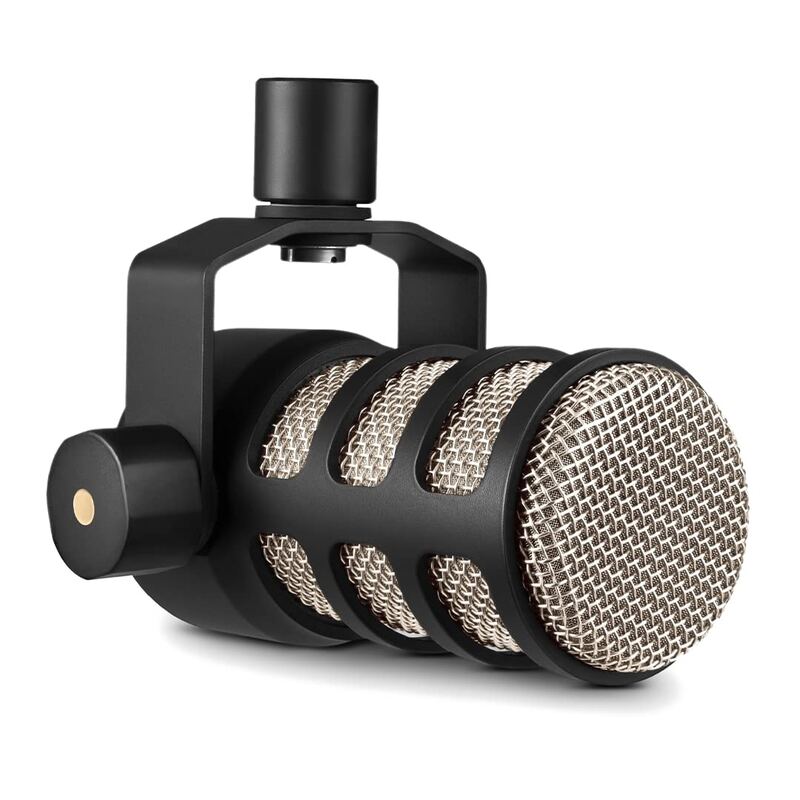
Rode PodMic
$99

The RØDE PodMic is a budget-friendly dynamic microphone designed for podcasters seeking professional sound quality without complex setup. Soundphile Review rated it 8/10, praising its sturdy build and clear sound, while Podcastage's Bandrew Scott called it a compelling option for entry-level podcasters at $100. The microphone features a built-in pop filter and cardioid pickup pattern that effectively rejects background noise. However, reviewers noted it lacks vertical stand compatibility due to limited clearance for XLR connectors, requiring a separate base purchase. It's ideal for beginners and experienced podcasters alike who want reliable performance at an affordable price point.

Strengths
  • Sturdy, robust build with metal construction weighing 865g
  • Neutral-ish, slightly warm sound signature that works well with human voices
  • Built-in pop filter effectively reduces plosives and sibilants
Watch-outs
  • Doesn't leave enough space for XLR connector when using table stand
  • Requires separate base for table stand setup

How they stack up

Rode NT-USB Mini

The Rode NT-USB Mini delivers studio-quality audio that surpasses the Samson Q2U and Rode PodMic in terms of clarity and professional performance. It's more compact than the Blue Yeti and doesn't require phantom power, unlike the Shure MV7+, but it's limited to USB-C connectivity and lacks the multiple polar patterns of the Blue Yeti. Compared to the Rode PodMic, it's more advanced in audio quality but less flexible in setup options and doesn't include a built-in pop filter.

Rode PodMic

The Rode PodMic excels in build quality and noise rejection compared to the Samson Q2U, offering a more robust metal construction and better sound signature. However, it's less versatile than the Blue Yeti due to its lack of multiple polar patterns and doesn't include a built-in pop filter like the Shure MV7+. Unlike the Rode NT-USB Mini, it doesn't support USB-C connection and requires a separate base for table stand setups, but it's more affordable and easier to set up for beginners.

Specs side-by-side

SpecRode NT-USB MiniRode PodMic
Microphone TypeCondenserDynamic
ConnectivityUSB-CXLR
Polar PatternCardioidCardioid
Frequency Response20Hz-20kHz20 Hz - 20 kHz
Sensitivity-32 dBV/Pa-57 dB re 1 Volt/Pascal
Weight610 g865 g
Included AccessoriesUSB-C to USB-C cable, magnetic desktop standMicrophone, 3/8" to 5/8" adapter, setup guide
Impedance320 Ω
← See the full ranking of best usb-c microphones for podcasting