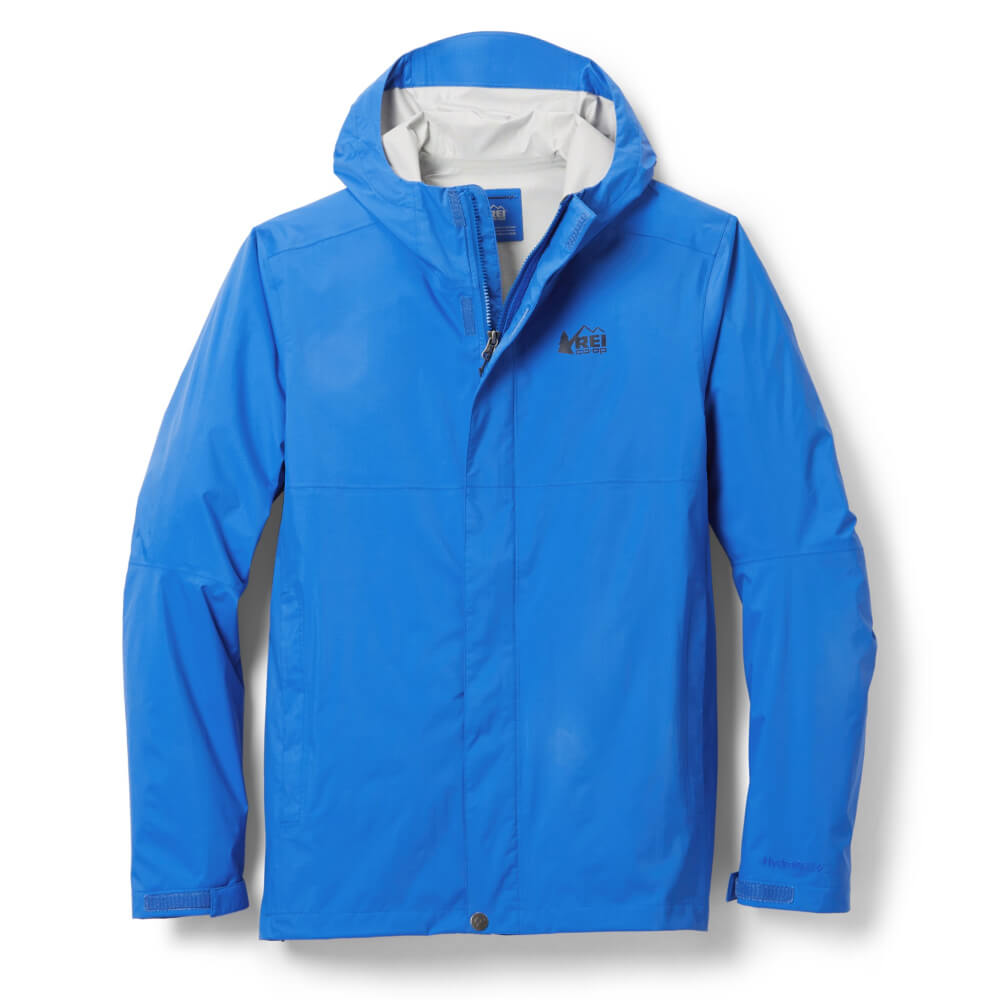
Better Trail found that while the REI Co-op Rainier offers reliable protection against light rain and steady drizzle, its 2.5-layer construction wets out during heavy or sustained rainfall. The jacket suffers from limited breathability, causing clamminess against bare skin due to a plasticky interior coating that reviewers advise avoiding by wearing a base layer. SectionHiker praised the pit zips for mitigating heat buildup but noted the hood lacks precise shaping and can flap loudly in high winds without a tight fit. This budget-friendly shell is ideal for urban commutes or short hikes where weight savings are not critical, but it is unsuitable for intense aerobic output or extended exposure to wet conditions.
Full review
Waterproofing holds up in light rain but wets out under pressure
The REI Co-op Rainier utilizes a proprietary HydroWall membrane and fully taped seams to provide reliable protection against steady drizzle. Better Trail found that the DWR coating effectively beads off mist and light moisture for approximately 30 minutes of continuous exposure before the fabric begins to absorb water. This makes it highly capable for sudden summer showers or urban commutes where rain is intermittent rather than a sustained deluge.
The 2.5-layer construction simply cannot match the longevity or waterproofing of true hardshells when faced with extended downpours. In a large setting like a multi-day backpacking trip through wet conditions, this limitation means you will eventually get damp; for short hikes in mild weather, it is entirely sufficient.
Pit zips and mesh pockets mitigate poor breathability
Breathability remains the primary weakness of this budget shell. Better Trail recorded a low score for ventilation, noting that on a steady climb in the mid-50s Fahrenheit with just a t-shirt underneath, arms quickly became clammy and sweaty. The rubbery interior liner does not wick moisture away from the skin effectively, leading to internal condensation during high-output activities.
To combat this heat buildup, SectionHiker praised the inclusion of pit zips as a critical feature for dumping excess body heat without letting in additional rainwater when it is actively raining. The hand pockets also serve a secondary ventilation function; because they are lined with large mesh panels, unzipping them allows hot air to escape from the torso cavity. This combination makes the jacket manageable for short bursts of activity, though shoppers who prioritize intense aerobic output should look elsewhere.
Plasticky interior coating creates comfort trade-offs
The 2.5-layer construction features a printed protective layer on the inside that reviewers consistently describe as feeling plasticky and slippery against bare skin. Better Trail found this coating prone to delamination over time, which raises concerns about long-term durability if the jacket is washed frequently or worn directly against the body in warm temperatures.
GearJunkie noted that while the exterior fabric has a soft touch with slight stretch, the slick interior can become clammy during exertion. The solution offered by reviewers is to always wear a base layer underneath rather than relying on the shell for next-to-skin comfort. This design choice keeps the weight down and allows the jacket to pack smaller, but it sacrifices the cozy feel found in jackets with hanging mesh liners.
Adjustable hood fits well over hats but flaps in wind
The hood design includes side neck toggles and a rear cinch to adjust volume, allowing it to fit securely over a billed hat or helmet. SectionHiker found the hood workable for blocking drafts when worn with a cap, though they noted the absence of a shapable wire in the brim means it cannot be precisely shaped around the face.
A significant drawback identified by SectionHiker is that without a volume adjuster to shrink the hood tightly against the head, users are likely to experience loud flapping in high winds unless their head fills out the space completely. Better Trail appreciated the fabric flaps covering the zippers and the collar reaching just over the chin for face protection, but the loose fit of the hood remains a compromise at this price point.
Pocket design doubles as stuff sack for compact packing
The Rainier features two large zippered hand pockets that are lined with mesh, offering ample storage for gloves, snacks, or trail maps. GearJunkie highlighted the genius of this dual-purpose design: the left side pocket includes a two-sided zipper that allows the entire jacket to be stuffed inside it when not in use.
Better Trail measured the packed size at roughly 10 inches long by 7 inches wide and 4.5 inches tall, comparable to a large envelope. This makes the shell easy to compress into a daypack or suitcase for travel. While this is not as ultralight as specialized shells that weigh under six ounces, it strikes a practical balance between packability and the durability needed for everyday use.
Weight sits in the middle of budget rain shell category
This places it squarely in the average range for non-ultralight rain jackets. It is noticeably heavier than ultralight options like the Outdoor Research Helium UL but lighter than more rugged shells like the Patagonia Torrentshell 3L.
The weight contributes to its durability and feature set, such as the pit zips and robust zipper flaps. For shoppers who need a jacket for occasional use or travel rather than strict backpacking efficiency, this moderate weight is a reasonable trade-off for the added protection and ventilation options provided by the 2.5-layer build.
Strengths
- +Includes pit zips to help vent heat during active use.
- +Stuffs compactly into one of the zippered hand pockets for easy packing.
- +Features an adjustable hood with side neck toggles and rear cinch.
Watch-outs
- −The 2.5-layer interior coating feels plasticky and can become clammy against bare skin.
- −Limited breathability makes it unsuitable for high-output activities in warm weather.
- −Fabric tends to wet out during heavy or sustained rainfall rather than light drizzle.
How it compares
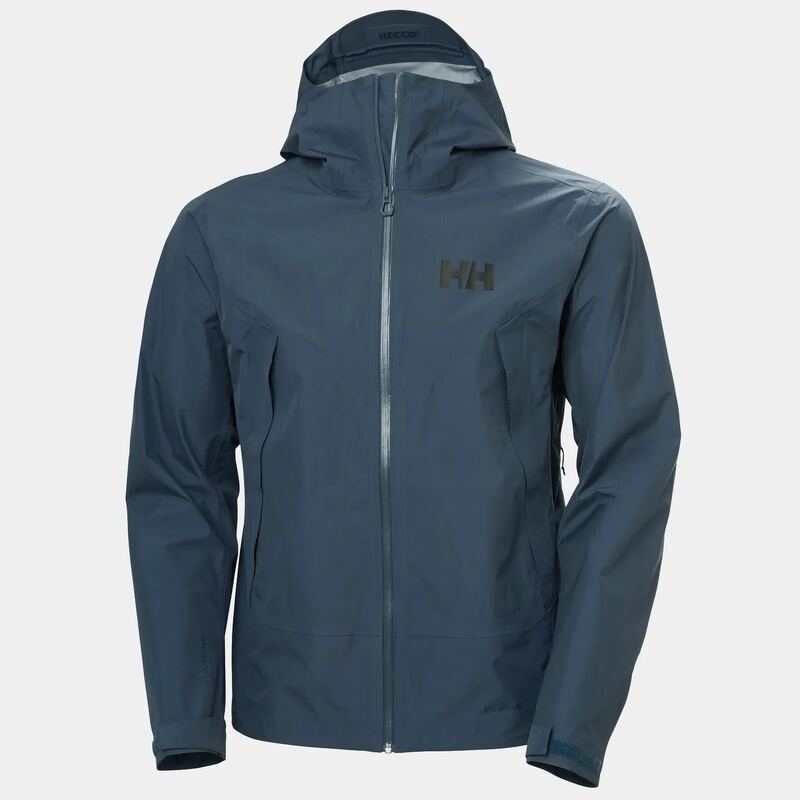
It includes pit zips for ventilation, unlike the Patagonia Boulder Fork, but suffers from limited breathability and a plasticky interior coating compared to the more premium materials in the Helly Hansen Verglas Infinity Shell Jacket 2.0.
Rating sources
Counts as 4.02/5 in our score — this publisher's 36 scores on the site average 4.38, so its scores are adjusted down to compare fairly with other publishers.
Counts as 3.80/5 in our score — this publisher's 60 scores on the site average 4.49, so its scores are adjusted down to compare fairly with other publishers.
Counts as 4.01/5 in our score — this publisher's 149 scores on the site average 3.69, so its scores are adjusted up to compare fairly with other publishers.
Counts as 3.32/5 in our score — this publisher's 45 scores on the site average 4.03, so its scores are adjusted up to compare fairly with other publishers.
Our 3.8 score is the average of the 4 scored reviews above, each adjusted for how strictly its publisher scores; 1 more reviewed it without printing a score and is not in the average. More about methodology.