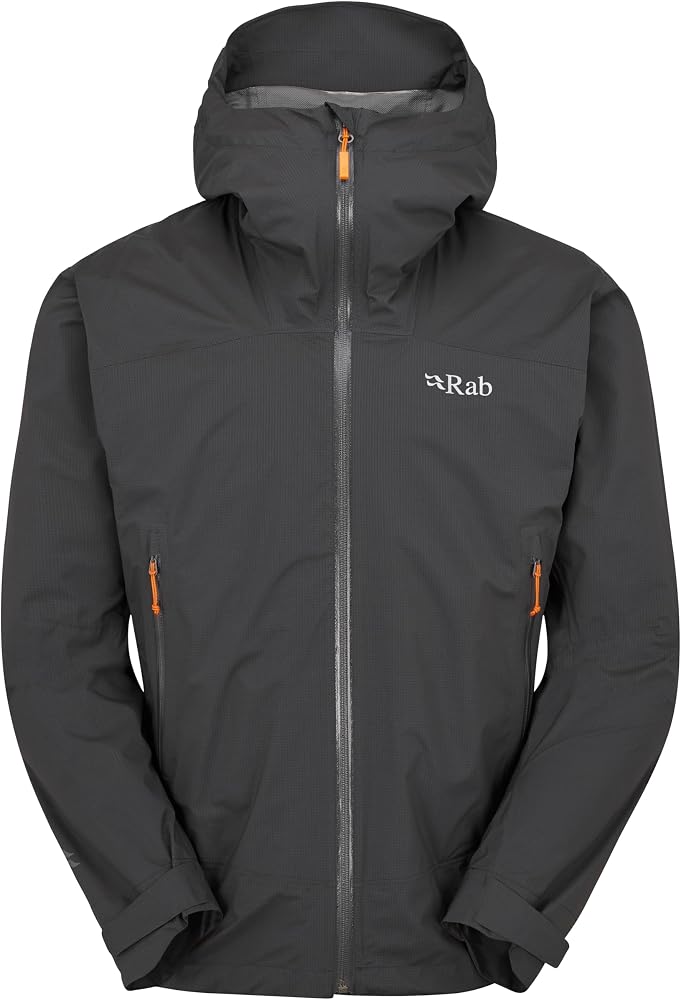
The Rab Downpour utilizes Pertex Shield fabric to deliver a soft, quiet feel that reviewers praise as significantly more comfortable than typical crinkly ultralight shells. OutdoorGearLab found the adjustable hood with its stiffened peak provides excellent storm sealing and visibility, while GearJunkie noted the generous pit zips allow for rapid heat dumping during high-output activities. However, the standard model weighs 13.3 ounces, which is heavy for its class, and long-term users report that the Durable Water Repellent finish degrades quickly and is difficult to restore. The jacket also suffers from minor fabric bunching around the stomach when moving or reaching overhead. This shell fits hikers who prioritize comfort and ventilation over minimal weight, but those seeking ultralight packability should look elsewhere.
Full review
Pertex Shield fabric delivers soft comfort
The Rab Downpour utilizes a Pertex Shield membrane that reviewers consistently highlight for its tactile superiority over traditional rain shell materials. Unlike many waterproof jackets in this category that produce a loud, crinkly plastic rustle and feel stiff against the skin, the Downpour offers a surprisingly soft exterior. SectionHiker noted that the face fabric feels flexible rather than crinkly, making it significantly more comfortable for all-day wear compared to ultralight alternatives. This softness extends to the interior as well, where reviewers found the printed half-layer pattern prevents the clammy stickiness often associated with 2.5-layer membranes when they contact bare skin.
This material choice creates a garment that feels less like technical gear and more like a comfortable everyday layer. The fabric lacks integrated stretch in some iterations of the jacket, but GearJunkie observed that this trade-off provides better protection against premature wetting-out than stretch fabrics can offer. Reviewers appreciated that the lack of stretch did not result in restrictive movement, particularly because the articulated patterning around the arms allows for a full range of motion without excessive hem lift when reaching overhead. The quiet nature of the fabric means it does not distract during use, whether hiking or commuting.
The comfort factor is further enhanced by specific design details that mitigate common complaints about rain jackets. A brushed tricot chin guard soothes friction against the neck and jawline, a detail GearJunkie specifically praised for its practicality. The softness of the Pertex Shield allows the jacket to be worn comfortably over base layers without creating bulk or noise, making it suitable for variable conditions where users might need to remove the shell frequently. This focus on wearability distinguishes the Downpour from heavier, more rigid shells that prioritize maximum durability at the expense of daily comfort.
Hood design seals out wind and rain effectively
The hood system on the Rab Downpour is frequently cited as one of its strongest features, particularly regarding its ability to maintain a secure seal in stormy conditions. OutdoorGearLab found that the adjustable hood with a stiffened peak provides excellent coverage without obscuring peripheral vision, even when worn over glasses or hats. The design allows for easy one-handed adjustment, which is crucial when wind and rain are blowing horizontally. Reviewers noted that tightening the rear volume control cinches the hood snugly around the head, preventing it from catching the wind or shifting during movement.
The stiffened peak plays a critical role in keeping precipitation away from the eyes. The hood is generally designed for human heads rather than climbing helmets on standard models, which allows for a tighter, less bulky fit that reduces heat loss.
Some users have noted specific limitations depending on the model variant. SectionHiker pointed out that the Downpour Light features a one-way adjustable hood that is not helmet-compatible, requiring users to wear a billed cap if they have glasses and want maximum protection. Despite these variations, the consensus across reviews is that the hood design provides reliable storm sealing for its class. The combination of rear cinches, neck adjustments, and a stiffened brim creates a protective bubble around the face that reviewers found effective in everything from light drizzle to sustained mountain storms.
Pit zips enable rapid heat dumping
Ventilation is managed through underarm pit zips on several models of the Rab Downpour, a feature that reviewers identify as essential for managing body temperature during high-output activities. GearJunkie reported that the generous pit zips on the Downpour Plus 2.0 allowed heat and sweat to escape quickly, preventing the overwhelming perspiration issues common in fully enclosed waterproof shells. During mountain biking and hiking ascents, users found that lowering these vents was sufficient to keep moisture levels manageable without needing to remove the jacket entirely.
The length of these ventilation zips varies by model but generally extends well down the torso for maximum airflow. This extended length allows users to vent heat from the core and underarms simultaneously, which is particularly effective in colder weather where maintaining a dry base layer is critical.
While standard models include these vents, some ultralight variants like the Downpour Light omit them entirely to save weight. For users who prioritize extreme lightness over active ventilation, the lack of pit zips is a significant trade-off. However, for those using models equipped with vents, reviewers found them to be high-quality YKK zippers that operate smoothly even when wet and effectively dump heat before condensation builds up inside.
Hand pockets and hipbelts
OutdoorGearLab does not rate the Rab Downpour's hand pockets as hipbelt friendly.
The storage capacity of these pockets is generally adequate for small items but varies by model. These pockets provide secure storage that does not shift excessively during movement. However, some reviewers cautioned against trusting these pockets for waterproofing small electronics in heavy rain. One long-term user noted on YouTube that while the zippers are quality YKK models, they found almost all pocket zippers on waterproofs eventually seep water under sustained downpours, recommending the use of separate dry bags inside.
Standard model weight feels heavy for class
The standard Rab Downpour jacket carries a measured weight that reviewers frequently describe as on the heavier side compared to other options in its price range. OutdoorGearLab recorded the weight at 13.3 ounces, noting that while it is not the lightest option available, this mass contributes to its durability and comfort features. The additional weight comes from the robust 50-denier Pertex Shield fabric and the inclusion of features like pit zips and a more substantial hood structure.
This weight profile makes the standard Downpour less ideal for ultralight backpacking or fast-and-light missions where every ounce counts. Reviewers contrasted it with lighter alternatives, noting that users seeking minimal pack weight might prefer models like the Downpour Light, which weighs in at 7.7 ounces according to SectionHiker. The heavier build of the standard model is a deliberate trade-off for enhanced weather protection and longevity, but it does limit its appeal to those prioritizing speed and compressibility over all-around robustness.
Despite being heavier than ultralight shells, reviewers found that 13.3 ounces remains manageable for general hiking and travel use. The weight distribution is considered good, with no single area feeling disproportionately heavy. For users who need a jacket that can serve as both a reliable storm shell and a comfortable everyday layer without sacrificing too much comfort to excessive bulk, the standard weight is viewed as a reasonable compromise.
Fabric bunches slightly around stomach
A recurring minor complaint regarding the fit of the Rab Downpour involves fabric bunching in the midsection area. OutdoorGearLab specifically noted that users may experience some minor fabric gathering around the stomach, particularly when reaching overhead or moving dynamically. This bunching is attributed to the cut of the jacket and the nature of the 2.5-layer Pertex Shield material, which lacks the stretch recovery of more advanced elastane blends.
While this issue does not significantly impair functionality for most users, it can be noticeable during activities that require extensive overhead movement or when wearing a hipbelt that compresses the fabric against the body. The bunching is generally considered an aesthetic and comfort annoyance rather than a functional failure. Reviewers suggested that sizing up slightly might alleviate some of this tightness around the midsection for those who feel constricted, though it may result in a looser fit elsewhere.
The extent of this issue appears to vary between different iterations of the Downpour line. Models with more articulated patterning and stretch fabrics, such as certain Plus or Eco variants, tend to minimize this bunching compared to the standard 50-denier version. For users who prioritize a clean silhouette without excess fabric movement, this characteristic is worth noting before purchase.
Durable Water Repellent degrades quickly
The Durable Water Repellent (DWR) finish on the Rab Downpour has been identified by long-term users as a vulnerability that requires regular maintenance. OutdoorsyGirl.home.blog reported finding the DWR difficult to repair, noting that both tumble drying and applying Nikwax spray failed to restore effective water beading in some areas. This degradation led to the fabric wetting out quickly during heavy rain, causing humidity to transfer directly to the inside of the jacket even without user perspiration.
The loss of DWR effectiveness is particularly problematic because it compromises the breathability of the 2.5-layer membrane. When the outer fabric wets out rather than shedding water, moisture cannot escape efficiently, leading to a clammy interior environment. Reviewers emphasized that keeping the DWR topped up with appropriate sprays or heat activation is not optional but essential for maintaining performance. Without consistent care, the jacket's ability to repel light rain and manage condensation diminishes significantly.
This issue highlights the trade-offs inherent in lightweight 2.5-layer constructions. While they offer comfort and packability, their DWR treatments often lack the longevity of heavier 3-layer shells or proprietary membranes like Gore-Tex. Users must be willing to invest time in maintenance routines to ensure the jacket performs as expected throughout its lifespan.
Ultralight variants sacrifice durability for weight
The Downpour Light and similar ultralight iterations prioritize extreme packability over ruggedness, a trade-off that reviewers clearly delineate. While it handles light brush and occasional scrambling adequately, reviewers warned that heavy bushwhacking or sustained contact with granite would accelerate wear or cause tears.
SectionHiker echoed this assessment, describing the abrasion resistance as good only within its specific class of ultralight shells. These models are best suited for trails, town use, and lighter above-treeline days where the risk of snagging is low. The soft external fabric that contributes to comfort also makes it more susceptible to pilling and thinning over time compared to heavier variants.
For users who need a jacket for extended backcountry trips or rough terrain, reviewers consistently recommended opting for burlier 3-layer shells instead. The ultralight Downpour models excel as emergency layers or just-in-case companions for fair weather but lack the confidence-inspiring robustness required for all-day storm exposure in harsh conditions.
Strengths
- +Pertex Shield fabric provides a soft, quiet feel against the skin rather than crinkly plastic.
- +Hood design features one-handed adjustment and a stiffened peak for effective storm sealing.
- +Pit zips allow rapid heat dumping during high-output activities.
Watch-outs
- −The standard Downpour model weighs 13.3 oz, which reviewers describe as heavy for its class.
- −Fabric tends to bunch around the stomach area when moving or reaching overhead.
- −Durable Water Repellent (DWR) finish degrades quickly and is difficult to restore.
How it compares
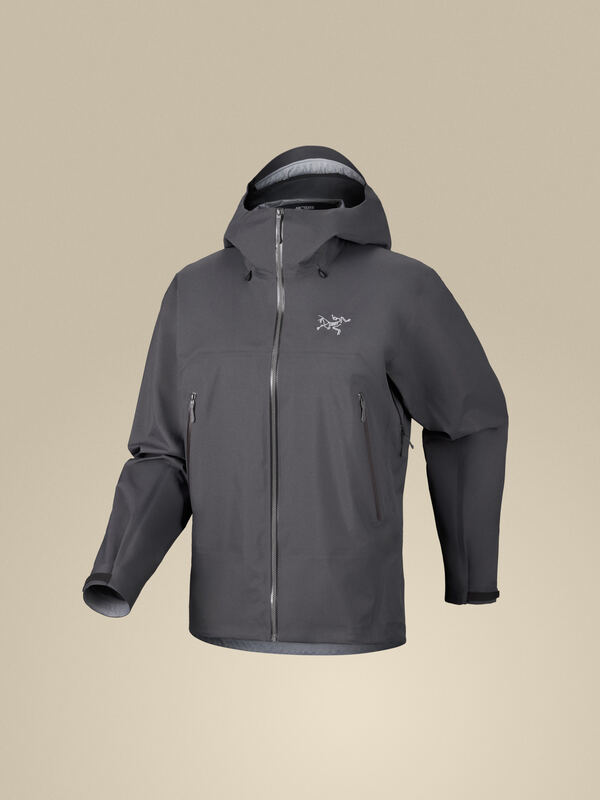
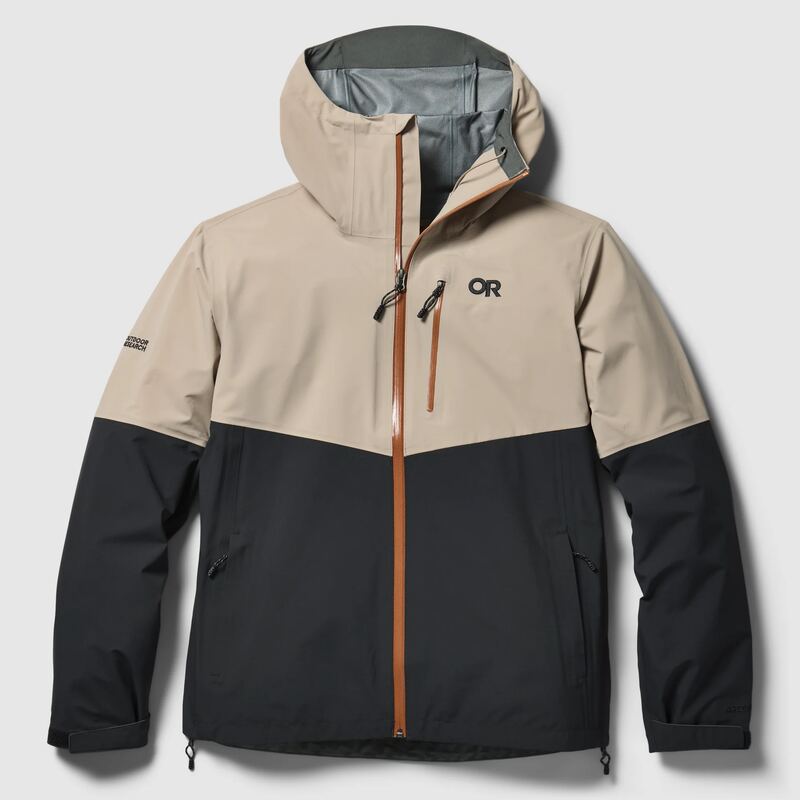
The Rab Downpour has underarm vents for dumping heat, where the Patagonia Boulder Fork has no ventilation zips. At 13.3 oz it is heavier than the 12 oz Arc'teryx Beta SL and lighter than the 15.3 oz Outdoor Research Foray 3L. It costs less than both of those jackets.
Rating sources
Counts as 4.21/5 in our score — this publisher's 149 scores on the site average 3.69, so its scores are adjusted up to compare fairly with other publishers.
Counts as 4.05/5 in our score — this publisher's 1 scores on the site average 4.50, so its scores are adjusted down to compare fairly with other publishers.
Our 4.1 score is the average of the 2 scored reviews above, each adjusted for how strictly its publisher scores; 6 more reviewed it without printing a score and are not in the average. More about methodology.