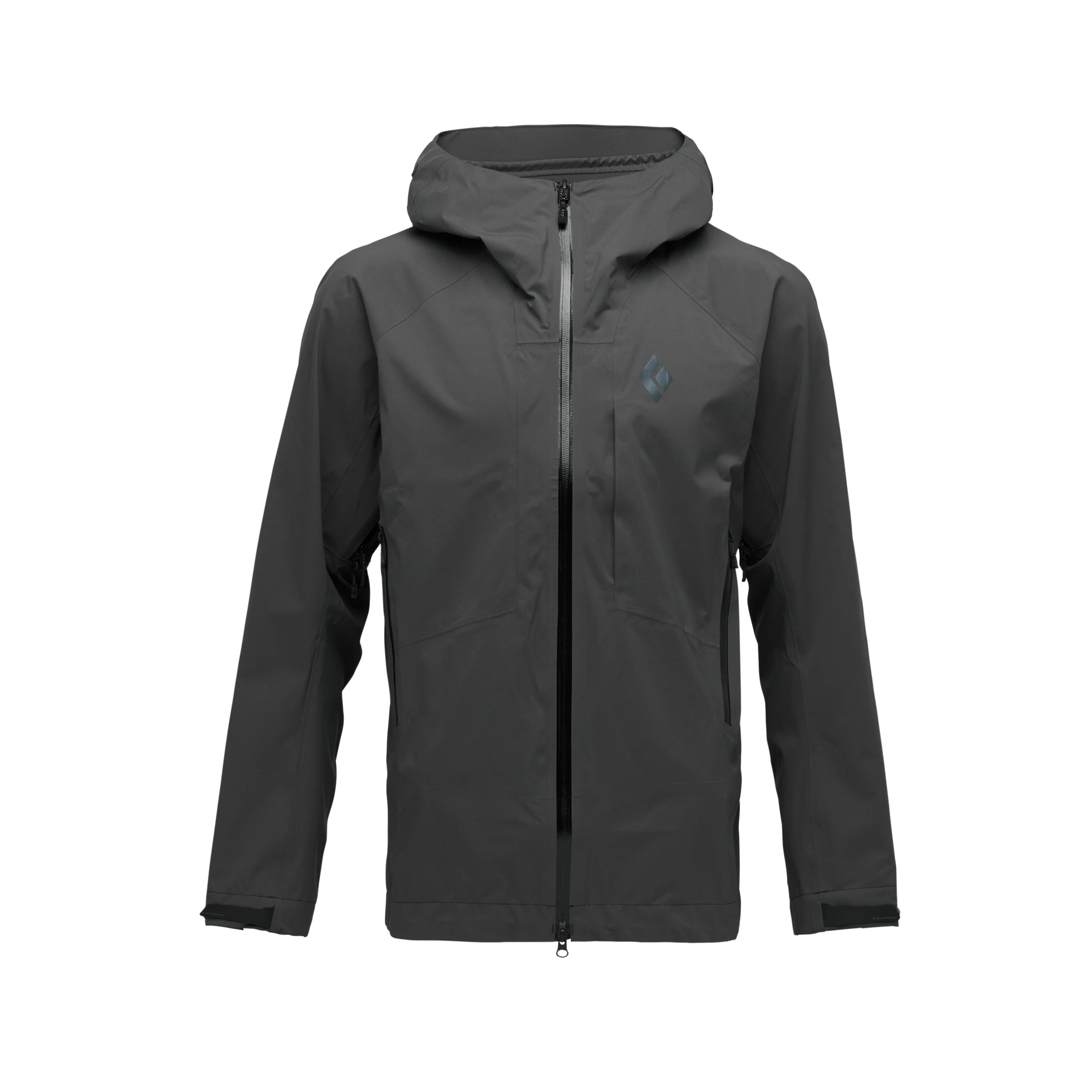
The Black Diamond Highline Stretch Shell delivers impervious protection against heavy rain and wind through its 3-layer BD.dry construction and fully taped seams, as bettertrail found it performed flawlessly in torrential downpours. Its 40-denier face fabric offers above-average durability for a stretch shell, while the GTT Breathable Waterproof Protection permanently fuses the DWR finish to eliminate re-treatment needs, a benefit thegreatoutdoorsmag confirmed after months of exposure. However, the jacket is priced significantly higher than competitors and features an oversized, boxy fit that feels bulky and overkill for mild weather above the mid-60s Fahrenheit. It fits alpinists and climbers who prioritize durable, stretchy protection in cold conditions but should be avoided by hikers seeking a slimmer profile or those active in warmer temperatures.
Full review
Weatherproofing in heavy downpours
The Black Diamond Highline Stretch Shell relies on a three-layer BD.dry membrane and fully taped seams to deliver impervious protection against rain and wind. bettertrail recorded the jacket performing flawlessly during a month-long trip to the Lofoten Islands in Norway, where it faced torrential downpours including six hours of continuous rain without allowing any moisture to penetrate. The 40-denier face fabric is thick enough to retain warmth in cold, windy conditions while keeping the wearer dry, outperforming lighter alternatives like the Norrøna Falketind Dri1 or the Marmot Minimalist Pertex when handling sustained wet weather.
outdoorsmagic tested the jacket during a low-pressure system in North Wales that delivered over 20mm of rain in a single morning. The reviewer noted that while other jackets began to wet out, the Highline Stretch effortlessly shrugged off the deluge with impressive water beading. thegreatoutdoorsmag confirmed this durability by reporting that after months of exposure to rain, sleet, hail, and snow, the durable water repellent finish remained intact without needing any refresh treatments.
GTT Breathable Waterproof Protection technology
A defining feature of this shell is its use of GTT Breathable Waterproof Protection, a PFC-free durable water repellent finish that is permanently fused to the individual fibers of the fabric through covalent molecular bonding. Unlike traditional DWR treatments that sit on top of the face fabric and wear away after a few weeks of heavy use, this bonded technology eliminates the need for periodic re-treatment with sprays or wash-ins. thegreatoutdoorsmag highlighted this as a major advantage, noting that most eco-friendly PFC-free replacements are less durable than their predecessors, but Black Diamond's approach has held up remarkably well under rigorous field conditions.
YouTube reviewer Big Drizzy from Gear Wing put this technology to an extreme test by wearing the jacket in a shower for ten minutes. The reviewer observed that not a single speck of water penetrated or wet out on any part of the garment, including the sleeves and hood, which are typically vulnerable areas. This level of performance suggests that the bonded DWR provides a highly reliable barrier against moisture without relying on chemical coatings that degrade over time.
Stretchy fabric comfort versus breathability
The Highline Stretch Shell utilizes a softshell-like stretch fabric with a jersey backer, providing a supple feel against the skin and allowing for a full range of motion without the crunching or swishing sounds typical of traditional hardshells. bettertrail found that this construction prevents the clammy trash-bag feeling associated with many Gore-Tex jackets, making it comfortable even when worn directly against bare skin. The stretchy material accommodates bulky midlayers and down jackets underneath, which is essential for alpine environments where layering systems vary significantly throughout the day.
However, this comfort comes at a cost to breathability in warmer conditions. bettertrail rated the breathability average and noted that while the large pit zips help dump heat on steep inclines, the jacket struggles when temperatures reach the high 60s or low 70s Fahrenheit. Reviewers found it overkill for mild weather, often requiring full unzipping of the front zipper to avoid overheating. This lack of thermal regulation makes the shell unsuitable for active use in warmer climates compared to more ventilated alternatives.
Oversized fit and bulkiness
The jacket features a long, roomy cut designed to accommodate bulky layers and provide extended coverage over the hips. bettertrail described this boxy fit as well-suited for cold conditions but noted that it can feel bulky and unnecessary in milder temperatures above the mid-60s Fahrenheit. The oversized design ensures that hands remain covered when raised overhead, protecting underlying insulation from wind and rain, which is a critical feature for mountaineers and alpinists navigating exposed ridges.
sectionhiker pointed out that while the roomy fit is beneficial for layering, it can be problematic for hikers who prefer a slimmer profile or do not need multi-sport versatility. The hood is specifically designed to fit over a climbing helmet, resulting in a large volume that requires significant cinching to stay secure on a bare head. This lack of precise face protection means the hood may flop over the eyes or leave the sides of the face exposed during hailstorms unless tightened aggressively.
Packability and weight trade-offs
At 12.7 ounces for a men's medium, the Highline Stretch Shell is relatively lightweight for its category but falls short in terms of packability compared to ultralight competitors. bettertrail noted that despite weighing less than the 14.1-ounce Patagonia Granite Crest, the Highline feels bulkier due to its thicker 40-denier fabric and three-layer construction. When rolled up into its hood, it compresses to the size of a one-liter Nalgene bottle, which is acceptable but not ideal for hikers who prioritize minimal pack space.
switchbacktravel observed that while the jacket keeps weight down through efficient material use, it lacks the impervious feel and extreme compactness of Gore-Tex-equipped designs. The trade-off between durability and packability is evident here; the thicker fabric provides superior abrasion resistance but adds volume to the stuff sack. This makes the shell a better choice for climbers who prioritize protection over ultralight efficiency.
Durability of 40-denier face fabric
The 40-denier nylon face fabric offers above-average durability for a stretch shell, resisting wear and tear better than typical 20- to 30-denier alternatives found on everyday rain jackets. bettertrail rated the durability highly, noting that the sturdy material withstands heavy use in rough mountain environments without compromising the waterproof membrane. The robust construction ensures longevity, making it a viable option for years of rigorous outdoor activity if maintained properly.
climbingdaily tested the jacket during dry tooling and found that while the stretchy fabric moves with the body, it will not stand up to heavy abrasions as well as stiffer, heavier jackets. The reviewer noted that lightweight shells are more susceptible to damage from rock contact compared to more rugged options like those made by Outdoor Research. This suggests that while the Highline is durable for its class, it requires careful handling in technical climbing scenarios.
Front zipper reliability issues
A significant criticism of the Highline Stretch Shell involves the front zipper mechanism. bettertrail reported that at the bottom of the track, the zipper frequently gets stuck, causing frustration during use. The reviewer spent considerable time fidgeting with the slider to get it moving smoothly, although they eventually learned to avoid the issue by ensuring the zipper started properly from the top. This mechanical flaw detracts from an otherwise well-designed shell that excels in weather protection and comfort.
While bettertrail believed this might have been a sample-specific issue, the frequency of complaints suggests a potential design or manufacturing inconsistency that buyers should be aware of. A reliable front zipper is critical for quick adjustments in changing weather conditions, and any hesitation or sticking can compromise the user's ability to regulate temperature effectively.
Sustainability features and limitations
Black Diamond has made efforts to reduce environmental impact by transitioning all apparel to PFAS-free DWR coatings and waterproof membranes as of 2025. bettertrail reported that the Highline Stretch Shell now features a PFAS-free durable water-repellent finish, aligning with industry shifts away from harmful forever chemicals. The brand also publishes annual impact reports tracking greenhouse gas emissions and uses recycled paper packaging for its products.
Strengths
- +3-layer BD.dry construction provides impervious protection against heavy rain and wind, with fully taped seams ensuring no moisture penetration.
- +GTT Breathable Waterproof Protection permanently fuses the DWR finish into the fabric fibers, eliminating the need for periodic re-treatment and maintaining long-lasting water repellency.
- +Stretchy jersey-backed interior provides a soft, quiet feel against the skin and allows full range of motion without the crinkling sound of traditional hardshells.
Watch-outs
- −Oversized, boxy fit and long hem can feel bulky and overkill for mild weather above the mid-60s Fahrenheit.
How it compares
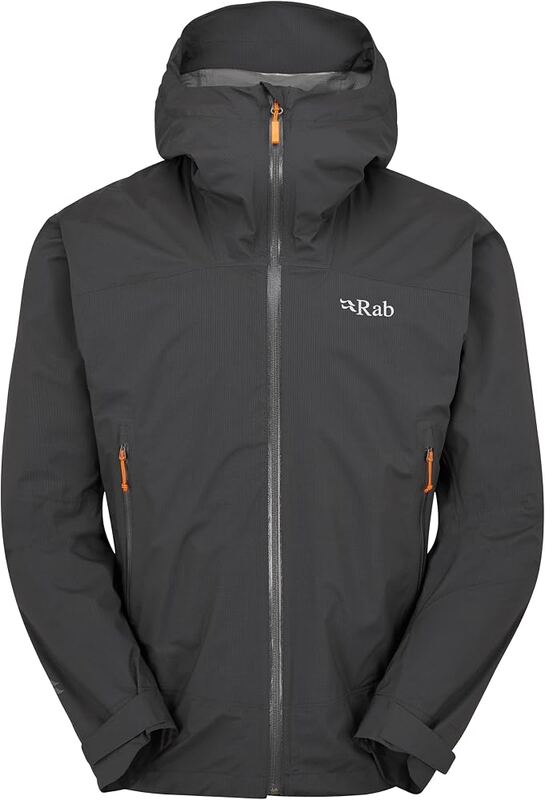
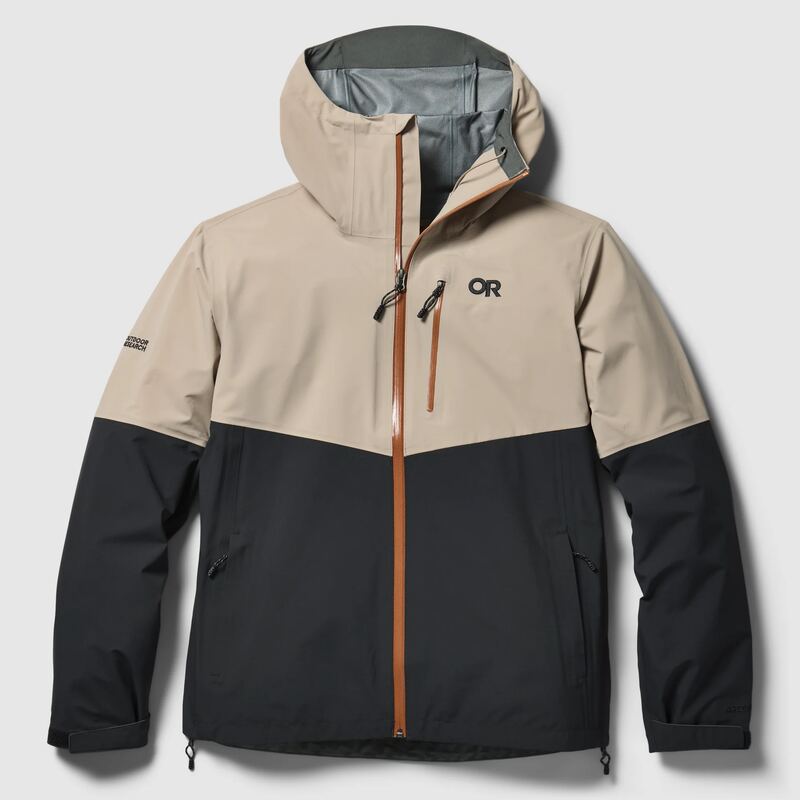
It provides a stretchy fit for climbing motion, unlike the stiff, crinkly construction of the Rab Downpour or the rigid feel of the Outdoor Research Foray 3L.
Rating sources
Counts as 4.11/5 in our score — this publisher's 36 scores on the site average 4.38, so its scores are adjusted down to compare fairly with other publishers.
Counts as 4.44/5 in our score — this publisher's 3 scores on the site average 4.33, so its scores are adjusted down to compare fairly with other publishers.
“This stylish rain jacket outperforms its weight, boasting great comfort at an affordable price”
Our 4.3 score is the average of the 2 scored reviews above, each adjusted for how strictly its publisher scores; 5 more reviewed it without printing a score and are not in the average. More about methodology.