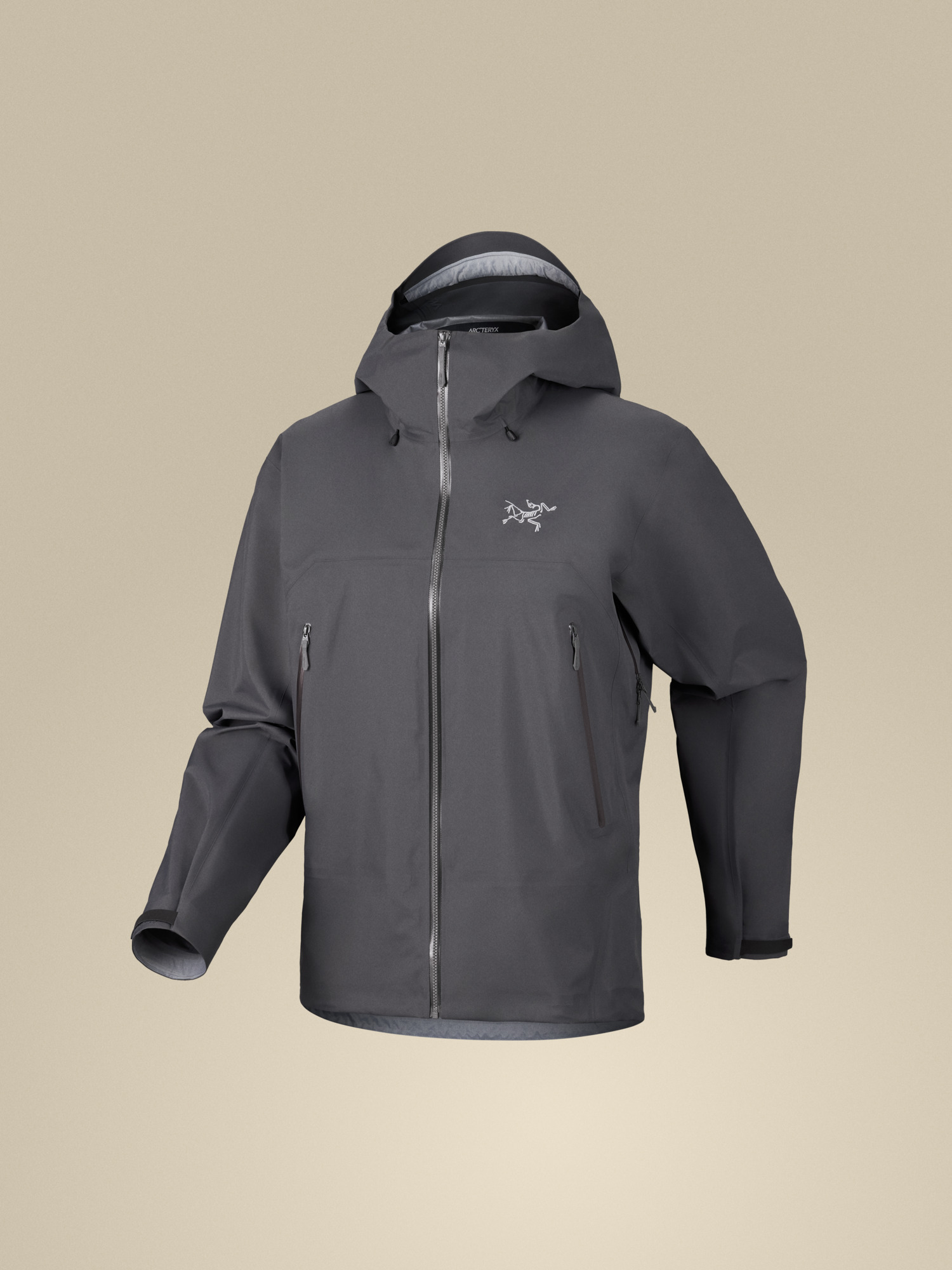
The Arc'teryx Beta SL delivers top-tier waterproofing through its three-layer Gore-Tex ePE membrane, keeping users dry in heavy rain and sleet as base-mag found. Long pit zips provide significant ventilation for high-output activities, while the helmet-compatible StormHood effectively blocks wind and rain from the face. However, at $500, this jacket is very expensive, placing it out of reach for budget-conscious shoppers. Additionally, its fitted cut can be restrictive, with some reviewers finding they needed to size up to comfortably wear layers underneath.
Full review
Waterproofing performance in heavy rain
base-mag found that the Gore-tex ePE membrane delivers highly waterproof protection, keeping the reviewer dry during wet and windy days in the hills. The jacket utilizes a three-layer construction with 40dx70d fabric to achieve this barrier against moisture. This setup allows the wearer to remain protected without feeling overly bulky compared to heavier hardshells. The membrane is designed to handle sustained precipitation while maintaining breathability, which is critical for active use in variable mountain weather.
outsideonline reported that the jacket kept the reviewer dry during torrential downpours and hours of sideways slanting rain on a high-speed ferry ride in Japan. The tall collar and cinched hood stayed put even when flailing around to stand on the deck at maximum speed, demonstrating effective wind and water management. The zippers remained fully watertight throughout these conditions, preventing any internal dampness despite the aggressive weather exposure.
andyonthemountain experienced complete downpour, sleet, and high winds during a 100-mile ultra run while wearing this jacket. Despite the intensity of the precipitation and wind chill, the shell kept the wearer dry and warm throughout the multi-hour exertion. The fabric's ability to repel water without leaking through was noted as a key advantage over other materials that may require frequent re-waterproofing treatments.
Ventilation effectiveness via pit zips
The long pit zips help regulate body temperature during high-output efforts. The extended length of these vents allows for maximum airflow, making the jacket far more wearable when pushing hard uphill or in humid conditions where trapped heat becomes an issue. This design choice addresses one of the primary complaints about waterproof shells by providing direct ventilation channels.
bearfoottheory emphasized that the huge pit zips with dual-end zippers are easy to open and close with one hand, which is crucial when wearing gloves or moving quickly in bad weather. The reviewer noted that while breathability through the fabric alone helps, the active venting provided by these zips prevents the swampy discomfort often associated with three-layer rain jackets during warmer temperatures.
andyonthemountain utilized the pit zips to manage heat buildup during intense trail running loops and ultra-distance events. When starting to overheat from exertion in the jacket, opening these vents allowed for immediate cooling without removing the shell entirely. This functionality is particularly valuable for mountain runners and climbers who need to shed excess body heat rapidly while maintaining waterproof protection.
Hood design and helmet compatibility
outdoorgearlab tested the hood's fit with helmets and found it compatible, though they noted a very snug fit that provided only partial coverage for some headgear. The StormHood is highly adjustable with drawstrings at the neck and back to cinch it tightly against blowing wind and rain. This adjustability ensures that the face remains protected even in gusty conditions where loose hoods might flap or allow water ingress.
base-mag appreciated the big adjustable hood for keeping rain and wind off the face during hill walking. Although they did not test it with a climbing helmet on actual rock faces, trying one on indoors confirmed that it fits well over standard headgear. The generous brim helps shed water away from the eyes and upper face, enhancing visibility and comfort during prolonged exposure to precipitation.
andyonthemountain highlighted the large size of the hood as a positive feature for those who need extra coverage or plan to wear helmets. The adjustability allows users to customize the fit around their head shape, preventing drafts. However, some users might find the volume excessive if they prefer a more minimalist, close-fitting profile without additional gear underneath.
Material composition and environmental claims
outdoorgearlab detailed the construction as a three-layer 40dx70d Gore-Tex material featuring a PFC-free ePE membrane, making it the most lightweight model in Arc'teryx's Beta line. The use of expanded polyethylene (ePE) replaces older perfluorinated chemicals, aligning with modern environmental standards while maintaining high waterproof ratings. This membrane is paired with a C-Knit backer that improves comfort against the skin.
outsideonline noted that the soft C-knit backer felt fine over just a t-shirt and avoided the clamminess of more plasticky coat linings found in other rain jackets. This interior texture reduces noise and friction, making the jacket more comfortable for extended wear layers or direct contact with base layers. The three-layer build is bulkier than two-layer models but offers better moisture-wicking and higher levels of protection.
gearlimits observed that despite being a lightweight shell, the fabric held up well during a trek involving snow, hail, and sliding over rocks. There were no scuffs or tears visible after the intense use, suggesting that the 40dx70d nylon weave provides sufficient durability for technical mountain activities. The jacket's ability to withstand abrasion while remaining superlight is a key selling point for alpine users.
Fit characteristics and sizing challenges
bearfoottheory reported having to size up in the Beta SL to comfortably wear layers underneath, indicating that the fitted cut can be restrictive for those who prefer a roomier fit or need to layer heavily. The jacket is designed with a trimmer silhouette compared to the regular Beta, which prioritizes weight savings and mobility over volume. Shoppers between sizes may find themselves needing to choose based on their intended layering strategy.
outdoorgearlab found that this slim-cut garment can be harder to size precisely, though its extensive adjustability allowed testers to find a workable fit eventually. The articulated shoulders provide full range of motion, which is beneficial for climbers and hikers who need unrestricted arm movement. However, the initial sizing decision requires careful consideration of whether the jacket will be worn over thick insulation or just thin base layers.
andyonthemountain noted that a size large fit well for his 5'11", 186 lb frame with a 42-inch chest. He found the sleeves to have good length and mobility, though he mentioned that an extra-large would be very big while a medium might be too tight. The Velcro cuffs allow for further adjustment at the wrists, ensuring a secure seal against wind and rain regardless of the base layer thickness.
Price point and value proposition
outsideonline stated that at $500, this jacket is the most expensive raincoat they own by a wide margin. The high cost reflects the premium materials, such as the Gore-Tex ePE membrane, and the detailed construction features like the helmet-compatible hood and watertight zippers. While it falls outside the scope of what many reviewers typically recommend for budget-conscious shoppers, the performance in harsh conditions justifies the investment for serious outdoor enthusiasts.
At $500, expectations are high, and some users may find that the performance does not fully meet those elevated standards without regular maintenance.
buzzfeed described the $500 price tag as making this one of the most expensive clothing items owned by their reviewer. However, they argued that it is clearly a luxury item built to last for years, suggesting that those who have the money and value quality pieces will enjoy the jacket. The investment is framed around longevity and reliability rather than immediate cost-effectiveness compared to cheaper alternatives.
Packability and weight trade-offs
outdoorgearlab measured the men's version at 12.0 oz, which is lighter than many competitors in its category but not as light as dedicated ultralight running shells. The jacket packs down into its own hood, creating a compact package that fits easily into a backpack or stuff sack. This balance between weight and durability makes it suitable for alpine climbing where gear must be carried efficiently without sacrificing protection.
andyonthemountain compared the packability to other jackets, noting that while 12 oz is not terrible, it is not ultra-light either. He mentioned that more ultralight options in the 5 to 7 oz range exist for those prioritizing minimal weight above all else. The Beta SL sits in a middle ground where users gain features like pit zips and robust waterproofing at the cost of some compressibility.
base-mag highlighted the ability to roll the jacket into its hood and cinch it down using the adjustments, resulting in a really compact package that does not take up much space. This feature is particularly useful for travelers or day hikers who want to carry the shell as a precaution without adding significant bulk to their load.
Strengths
- +Three-layer Gore-Tex ePE membrane provides top-tier waterproofing that kept reviewers dry in heavy rain and sleet.
- +Long pit zips offer significant ventilation, allowing wearers to regulate body heat during high-output activities like trail running or climbing.
- +Large, helmet-compatible StormHood with multiple adjustments effectively blocks wind and rain from the face.
Watch-outs
- −The $500 price point is considered very expensive, placing it out of reach for budget-concious shoppers.
- −Fitted cut can be restrictive; some reviewers found they needed to size up to comfortably wear layers underneath.
How it compares
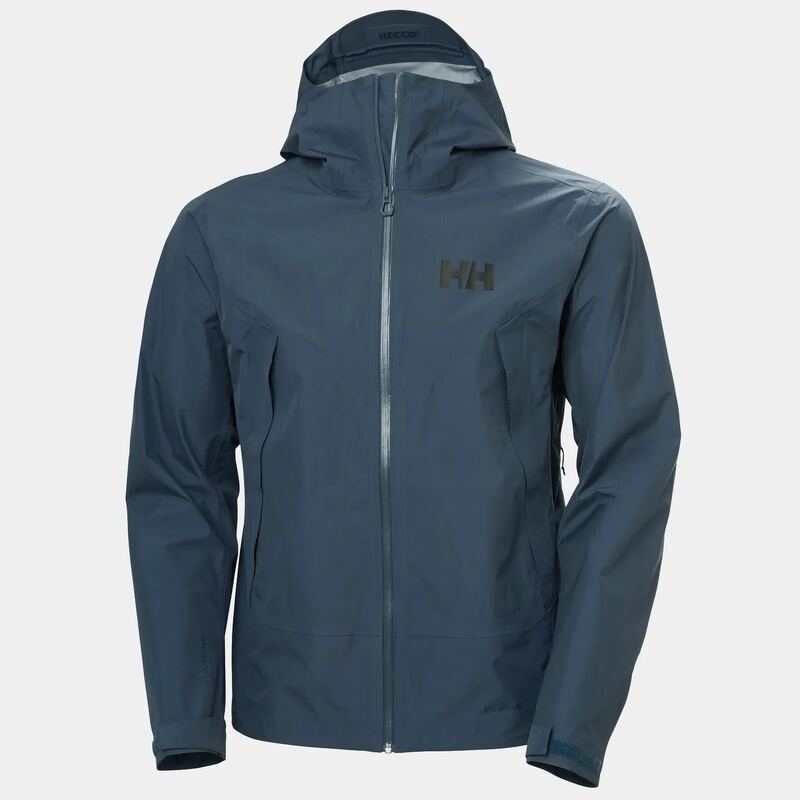
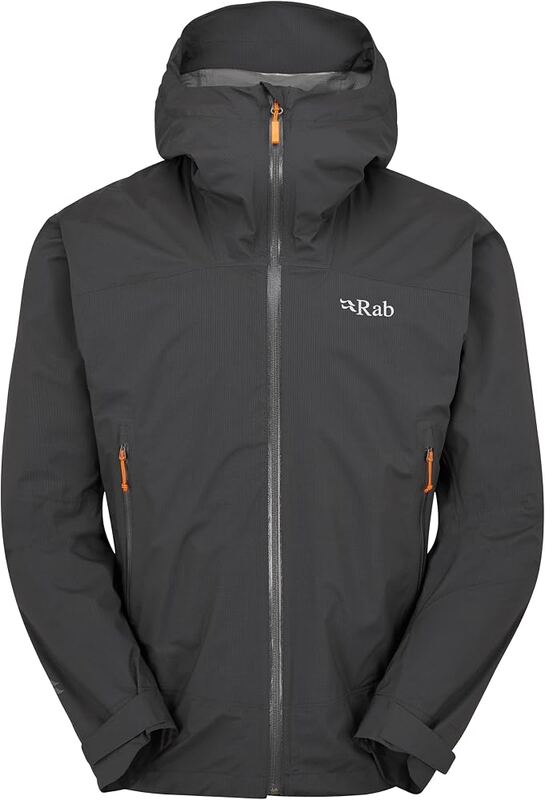
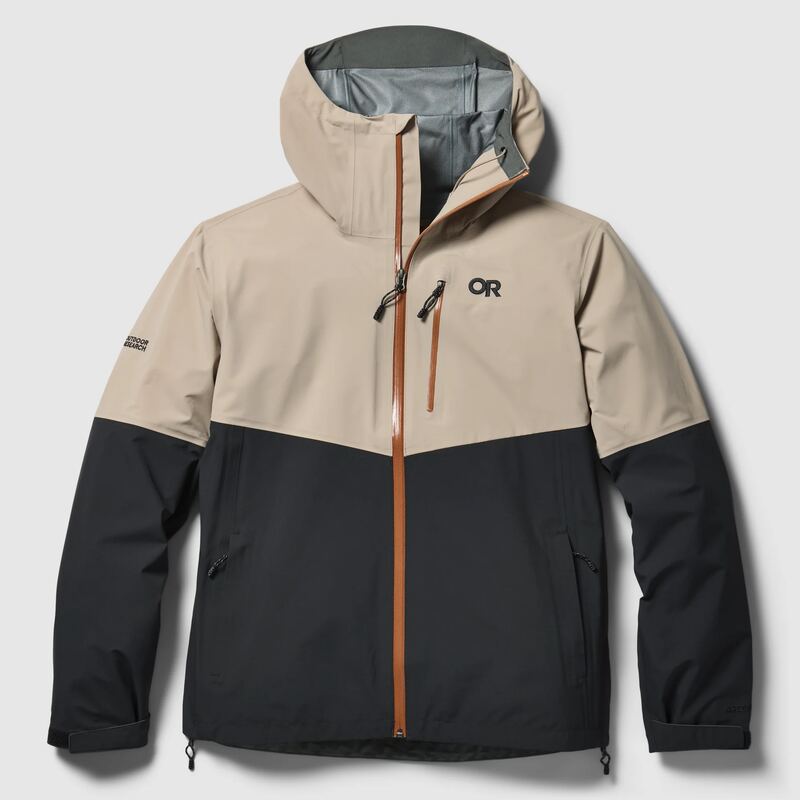
The Arc'teryx Beta SL weighs 12 oz, against 17.64 oz for the Helly Hansen Verglas Infinity Shell Jacket 2.0 and 15.3 oz for the Outdoor Research Foray 3L. Its long pit zips give ventilation that the Patagonia Boulder Fork, which has no pit zips, does not offer. Its waterproof rating is 28,000 mm against 20,000 mm for the Foray 3L, and it costs more than the Helly Hansen and the Foray 3L.
Rating sources
“A lightweight, highly waterproof jacket that’s as at home in the mountains as it is in the city.”
Not in the average — we derived this score from the review's words, and a publisher printed a score for this product, so the printed number counts instead.
Counts as 4.81/5 in our score — this publisher's 149 scores on the site average 3.69, so its scores are adjusted up to compare fairly with other publishers.
“If you need the best lightweight weather protection, keep the Beta SL at the top of your list, as long as it's within your budget.”
“Unfortunately, I Have to Recommend This $500 Arc'teryx Rain Jacket”
Not in the average — we derived this score from the review's words, and a publisher printed a score for this product, so the printed number counts instead.
“A solid, well-designed rain jacket that performs as advertised, but isn't worth the price for most hikers.”
Counts as 4.31/5 in our score — this publisher's 36 scores on the site average 4.38, so its scores are adjusted down to compare fairly with other publishers.
Our 4.6 score is the average of 2 of the scored reviews above, each adjusted for how strictly its publisher scores; 7 more reviewed it without printing a score and are not in the average. 2 derived scores above are not in the average because a publisher printed a score for this product. Ratings marked * were derived from the reviewer’s written analysis or video transcript — the publisher didn’t print an explicit numeric score, so we inferred one from their own words. Click through to verify. More about methodology.